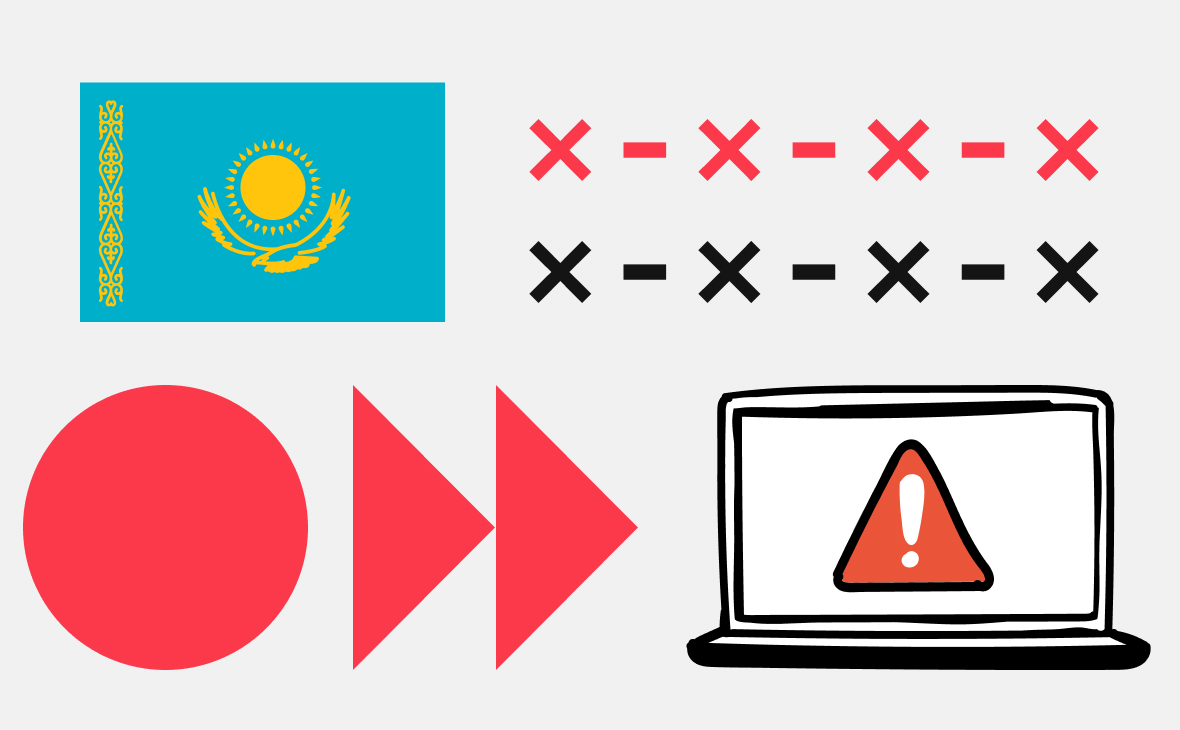
В Казахстане ликвидировали «крупнейший в СНГ» отмывочный криптосервис

RBK-crypto2025-09-29 tarihinde yayınlandı2025-09-29 tarihinde güncellendi

Платформа RAKS exchange с оборотом в $224 млн сотрудничала с 20 самыми большими даркнет-маркетами с совокупной аудиторией более 5 млн пользователей

Агентство по финансовому мониторингу (АФМ) Казахстана сообщило о завершении расследования в отношении сервиса RAKS exchange. в АФМ называет его одним из крупнейших в СНГ нелегальных обменников, который предоставлял «профессиональные услуги по отмыванию доходов, полученных от интернет-мошенничества и наркоторговли».

Согласно официальному заявлению, сервис пользовался высоким доверием в теневой среде и сотрудничал с 20 крупнейшими даркнет-маркетами с совокупной аудиторией более 5 млн пользователей. Через платформу, по оценке АФМ, в течение трех лет проводились операции по отмыванию средств более чем 200 онлайн-магазинов по продаже наркотиков из Казахстана, России, Украины и Молдавии. Общий оборот сервиса превысил $224 млн.

В ходе расследования были проанализированы свыше 4 тыс. криптокошельков, установлены сборные адреса, на которых аккумулировались нелегальные доходы. В результате было заблокировано 67 кошельков и заморожены средства в стейблкоине USDT на $9,7 млн.

Деятельность RAKS exchange прекращена. В АФС сообщили, что удалены аккаунты сервиса в соцсетях, приостановлена работа поддержки, а на профильных даркнет-форумах наркоторговцы массово жалуются на невозможность получить свои средства.

Телеграм-канал «РБК-Крипто» — подпишитесь и будьте в курсе самых главных и актуальных новостей о криптовалюте.

Присоединяйтесь к форуму «РБК-Крипто» в Telegram для обсуждения новостей и тенденций криптомира.

Ведется работа по установлению и привлечению к ответственности организаторов. В агентстве подчеркнули, что действия по пресечению схем отмывания с использованием цифровых активов продолжаются.

АФМ было основано в январе 2021 года. Ведомство подчиняется непосредственно президенту Казахстана, занимается пресечением отмывания преступных доходов и финансирования терроризма, расследует экономические и финансовые правонарушения. В сфере противодействия незаконному обороту криптовалют работа агентства проводится в трех направлениях: противодействие нелегальному майнингу, незаконным криптообменникам и противоправным операциям с цифровыми активами.

В апреле этого года агентство отчиталось о ликвидации 24 финансовых пирамид и заморозке преступных доходов организаторов финансовых пирамид в криптовалютах. В общей сложности АФМ удалось заблокировать криптовалюты мошенников на $4,2 млн.

«Спрос на биткоин есть». Что будет с криптовалютами в ближайшие дни

Кто-то впервые с 2013 года перевел биткоины. Он заработал более $40 млн

Курс биткоина восстановился после падения. Что случилось на крипторынке

İlgili Okumalar

Dialogue with Multicoin Partner: The Crypto Market Has Bottomed Out, Favoring Three Cryptocurrencies in This Cycle

In a recent interview, Multicoin Capital managing partner Tushar Jain shared his views on the crypto market. He believes the market has bottomed and is at an inflection point, citing that negative news no longer causes significant price declines and application adoption continues to grow. Jain remains highly bullish on Solana, viewing it as the correct architectural choice for internet capital markets, particularly for spot and tokenized security trading. He is also positive on Hyperliquid, noting its leadership in decentralized derivatives trading. His investment approach focuses on concentrating capital in top convictions rather than equal allocation. A distinct opportunity he highlights is Zcash (ZEC), which he sees as a return to the industry's cypherpunk ethos and a potential top-five asset by market cap. For assets like Zcash without cash flows, his valuation framework is based on relative market cap ranking. Regarding investment strategy, Jain employs a "three-part" entry method to avoid timing pitfalls and emphasizes long-term "active management" over "active trading." He outlines four sources of investment edge: informational, analytical, behavioral/psychological, and structural. On portfolio management, the fund uses Bitcoin as its "cash," selling assets into Bitcoin during market euphoria to reduce beta risk and using Bitcoin to buy dips. Sales occur only if a better opportunity arises, the investment thesis breaks, or valuations become excessively overheated. While respectful of Ethereum's resilience, he questions its unclear scaling roadmap. Finally, Jain reaffirms his commitment to the thesis that blockchains will form the foundational architecture for future capital markets.

marsbit19 dk önce

Dialogue with Multicoin Partner: The Crypto Market Has Bottomed Out, Favoring Three Cryptocurrencies in This Cycle

marsbit19 dk önce

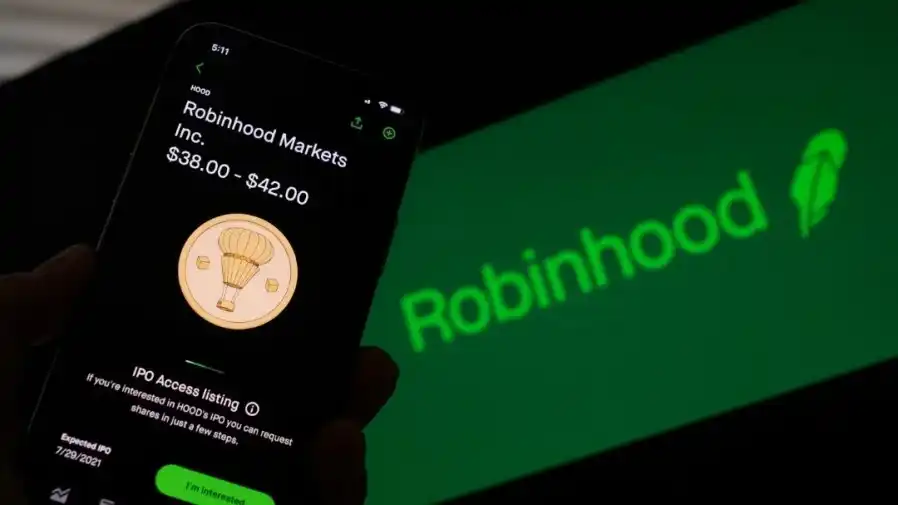
Behind Robinhood's Chain Launch and Tokenized Stocks: No Equity Rights, How Far Can This Packaging Game Go?

Robinhood is launching its own Layer 2 blockchain (Robinhood Chain) and "tokenized stocks," but these are not actual equity shares. The tokens are legally structured as debt securities or derivatives, offering economic exposure to a reference stock without granting voting rights or direct ownership. This move represents Robinhood's strategy to expand from a traditional brokerage into a "financial super app," building a user-friendly, programmable financial interface on top of complex, legally compliant, and jurisdiction-specific backend structures. The company's existing business remains strong, driven by options, event contracts, and stock trading. The new blockchain and tokenization efforts are an ambitious layer of infrastructure built atop this core, aiming to make financial products more portable and globally accessible via crypto rails. Key components include the Robinhood Wallet, Bitstamp acquisition (for institutional reach), the Lighter perpetual contracts platform, and Robinhood Earn (DeFi yield). The central challenge is the "brokerage chain paradox": maintaining a simple, intuitive user experience while the underlying assets are highly structured, regulated, and legally distinct from direct ownership. The success of this strategy depends on users, developers, and regulators accepting this model. If the complexity is misunderstood or deemed misleading, it could create product liability issues and stall expansion. The initiative is a significant infrastructure play, but its long-term viability hinges on navigating this fundamental tension between simplicity and legal reality.

marsbit1 saat önce

Behind Robinhood's Chain Launch and Tokenized Stocks: No Equity Rights, How Far Can This Packaging Game Go?

marsbit1 saat önce

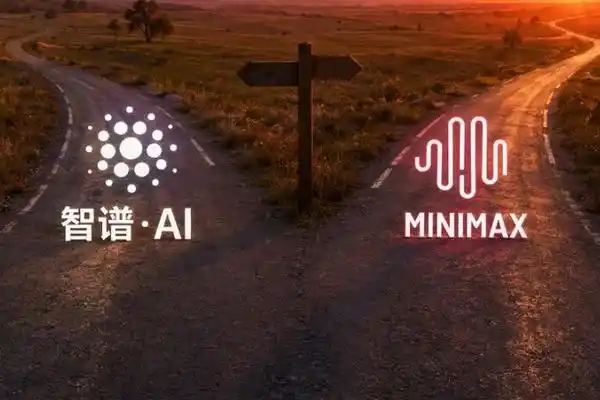
Zhipu, Afraid of Becoming the Next MiniMax

Title: Zhipu, Fearing to Become the Next MiniMax In July 2026, amid the success of its coding-focused AI, Zhipu's founder, Tang Jie, issued an internal letter titled "The Giant Wave Has Come." It notably avoided celebrating recent triumphs, such as Zhipu's trillion-HKD market cap and booming MaaS revenue driven by its GLM-5.2 model in coding applications. Instead, the letter pivoted the narrative to future-oriented concepts like Long Horizon Task, Autonomous Agents, Self-Evolving systems, and AGI. This strategic shift in messaging followed the sharp devaluation of its competitor, MiniMax. After its lock-up period expired, MiniMax's stock plummeted as the market began evaluating it with traditional SaaS metrics like ARR and user growth, rather than as a frontier AI pioneer. Seeing this, Tang Jie aimed to preempt a similar revaluation of Zhipu. He fears that if the market starts viewing Zhipu primarily as a profitable "AI coding company," its valuation would become anchored to conventional financial metrics, losing the premium associated with AGI potential. Therefore, the letter reframed Zhipu's mission. While acknowledging that coding was the current commercial driver, Tang positioned Zhipu on the "infrastructure path," akin to OpenAI and Anthropic. The new focus is on developing agents capable of complex, long-term planning and autonomous operation—moving from assisting individuals (OPC: One Person Company) to automating entire organizations (NPC: No People Company). This "Touch High" plan explicitly prioritizes long-term AGI research over short-term monetization. The article frames this as a critical divergence in China's AI landscape: the "commercialization path" (exemplified by MiniMax) versus the "infrastructure path" (chosen by Zhipu). The former risks being judged harshly by internet-era metrics once growth slows, while the latter risks failing if technological breakthroughs stall. Tang Jie's letter is thus a calculated move to secure Zhipu's identity as an AGI contender, buying time before the inevitable market demand for commercial proof. The core question remains: can Zhipu's "mo gao" (reach high) plan achieve genuine technological leaps fast enough to outpace the market's diminishing patience for stories over substance?

marsbit1 saat önce

Zhipu, Afraid of Becoming the Next MiniMax

marsbit1 saat önce

İşlemler

Spot
活动图片