Мошенничество через Discord-ссылки угрожает многочисленным криптопроектам

cryptonews.ru2025-09-23 tarihinde yayınlandı2025-09-23 tarihinde güncellendi

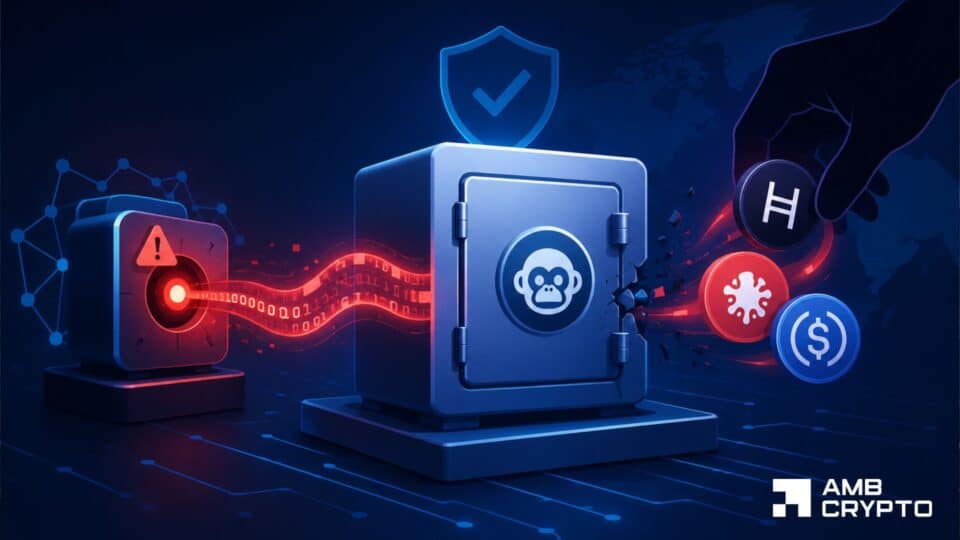
Аналитическая команда Scam Sniffer предупредила о новой волне атак в Web3-экосистеме. Скам-группы перехватывают истекшие Discord-приглашения и используют их для создания фишинговых ловушек. Так, ссылка, ранее принадлежавшая разработчикам Kiloex, оказалась под контролем мошенников. На нее до сих пор ведут страницы проекта на Coingecko и CoinMarketCap, а также старые твиты команды. Сегодня зафиксированы новые случаи кражи активов через фишинговые подписи.

Схема атаки выглядит системной и затрагивает не только Kiloex. По данным Scam Sniffer, аналогичным образом был скомпрометирован Discord-пригласительный линк проекта Verisense Network. Скам-группы активно захватывают освободившиеся «красивые» URL, после чего старые ссылки в документации, соцсетях и постах превращаются в инструменты фишинга. Это делает уязвимыми даже те проекты, которые давно не обновляли публичные ссылки.

Механизм атаки прост. Сначала официальное приглашение истекает. Далее мошенники «занимают» тот же самый vanity URL. В итоге все старые материалы с этой ссылкой автоматически начинают вести на поддельные серверы. Там пользователей заманивают фейковые боты для верификации, которые через мошеннические формы и подписи получают доступ к цифровым активам. Такая практика уже доказала свою эффективность для злоумышленников.

Эксперты подчеркивают, что угроза реальна и затрагивает множество проектов. Участникам рынка настоятельно рекомендуется оперативно проверять и обновлять все Discord-ссылки. Важно убедиться, что отметки в профилях CoinMarketCap, Coingecko, официальных сайтах и документации указывают на актуальные приглашения. Пользователям советуют всегда перепроверять адреса через легитимные источники и внимательно относиться к любым запросам на подпись транзакций.

İlgili Okumalar

Apple Sues OpenAI Sparking Feud, Musk Slams Altman for Fraud, Altman Retorts with 'Space Data Center' Boast

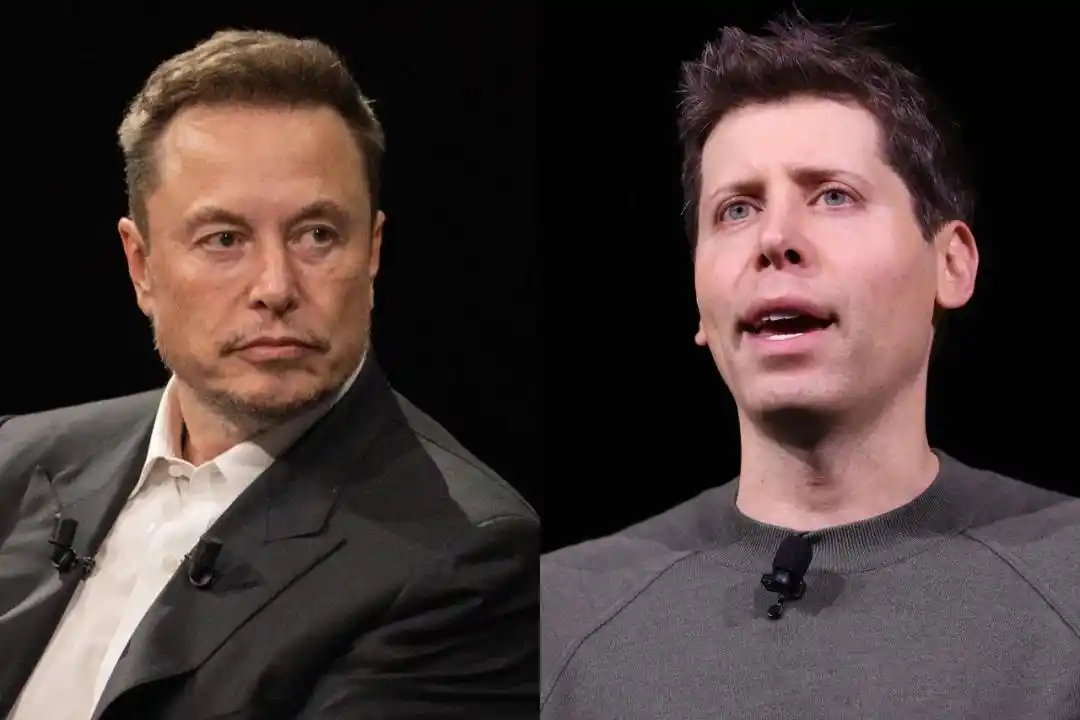
Apple Sues OpenAI as Musk-Altman Feud Escalates The public feud between Elon Musk and OpenAI CEO Sam Altman intensified, coinciding with their respective AI companies launching flagship models in the same week, highlighting fierce competition. On July 11, Musk posted on X, accusing Altman of taking "fraud to the next level" regarding OpenAI's commercial practices. Altman fired back, sarcastically suggesting Musk was the one selling "short-term space datacenter" concepts to public market investors. Musk countered with allegations that Altman "stole an open-source AI charity" and, amid Apple's recent lawsuit, "stole all of Apple's phone tech." He mockingly referenced Altman needing a "parole officer's" approval to travel. This exchange occurred against the backdrop of a significant legal development: Apple filed a lawsuit against OpenAI in a California federal court, alleging the AI company deliberately solicited Apple employees to leak confidential information on unreleased products to aid its own hardware plans. Apple demands OpenAI cease this activity, destroy proprietary materials, and redesign upcoming products. OpenAI responded, stating it has no interest in other companies' trade secrets and remains focused on innovation. This lawsuit could profoundly impact their two-year partnership where OpenAI provides key tech for Apple Intelligence and Siri. The rivalry extended to product releases. OpenAI launched GPT-5.6, while Musk's SpaceXAI unveiled Grok 4.5. Both are positioned as AI agents capable of multi-step tasks. GPT-5.6 is noted for strengths in broad reasoning, business workflows, and cybersecurity. Grok 4.5 is highlighted for higher efficiency in autonomous programming and developer workflows, with lower usage costs than GPT-5.6, though OpenAI's model reportedly still leads in areas like abstract reasoning. The differing strengths offer distinct choices for enterprises and developers based on their specific needs.

marsbit3 saat önce

Apple Sues OpenAI Sparking Feud, Musk Slams Altman for Fraud, Altman Retorts with 'Space Data Center' Boast

marsbit3 saat önce

Robinhood Chain's Success Proves Ethereum is Not Dead

Robinhood Chain's success demonstrates that Ethereum's L1+L2 model is thriving, not dying. Traditional crypto projects often focused on token sales and chose infrastructure to maximize token value. However, real-world businesses building cash-based products make different, pragmatic choices. When launching its chain, Robinhood chose Ethereum as its base layer and built a custom L2 using Arbitrum technology. It uses Ethereum blobs for data availability, ETH for gas, and relies on Ethereum for security. This mirrors Coinbase's earlier decision to build Base as an Ethereum L2. These are not ideological choices but sound business decisions driven by needs for security, liquidity, control, and predictable economics. The shift in the industry is from "token-centric" models to "cash business" models. Real companies serving broad user bases prioritize risk reduction, product improvement, and profit. For them, blockchain is infrastructure. The Ethereum L1+L2 "barbell" structure is ideal: the highly decentralized, neutral, and liquid L1 for settlement and security, combined with customizable, high-performance L2s for execution. This trend is positive for Ethereum and ETH. As more real businesses build on it, ETH becomes more integrated, distributed, and useful, strengthening its network effects and monetary premium. Robinhood's path—starting on an existing L2 and graduating to a dedicated one—is likely to become a standard playbook, proving the enduring utility of Ethereum's layered architecture for serious commercial adoption.

Odaily星球日报3 saat önce

Robinhood Chain's Success Proves Ethereum is Not Dead

Odaily星球日报3 saat önce

İşlemler

Spot
活动图片