Капитализация Polymarket может достичь $10 млрд

cryptonews.ru2025-09-23 tarihinde yayınlandı2025-09-23 tarihinde güncellendi

Polymarket готовится к возвращению на американский США и намерена привлечь новое финансирование, которое может повысить ее капитализацию до $10 млрд. Еще летом компания оценивалась в $1 млрд. Этому во многом способствовало то, что компания получила $200 млн от фонда Питера Тиля Founders Fund. Теперь у платформы есть реальные шансы укрепиться в США, где она ранее была ограничена в деятельности.

В 2022 году Комиссия по торговле товарными фьючерсами США запретила Polymarket работать с американскими клиентами из-за нарушений правил торговли бинарными опционами. Однако в июле 2025 года компания приобрела деривативную биржу QCX. В сентябре регулятор предоставил QCX частичное освобождение от ряда федеральных предписаний, что, фактически, позволило Polymarket вернуться на американский рынок.

Ситуация осложняется тем, что конкуренция в секторе платформ, специализирующихся на финансовых прогнозах, резко усиливается. Главным соперником Polymarket остается Kalshi, которая также активно расширяет свое присутствие в США.

В июне Kalshi привлекла $185 млн при оценке в $2 млрд. Сейчас ведутся переговоры о новом раунде финансирований, который может увеличить ее рыночную стоимость до $5 млрд.

Дополнительный импульс компании дало решение суда в 2024 году, которое разрешило заключать контракты на исход тех или иных политических событий. Это решение привлекло внимание инвесторов и вызвало рост интереса со стороны активных трейдеров.

Тем временем внимание участников рынка привлекли действия TON Strategy Company. Компания объявила о программе обратного выкупа акций на сумму $250 млн. Руководство сообщило, что данный шаг вызван необходимостью укрепить доверие инвесторов и использовать доход от стейкинга.
İlgili Okumalar

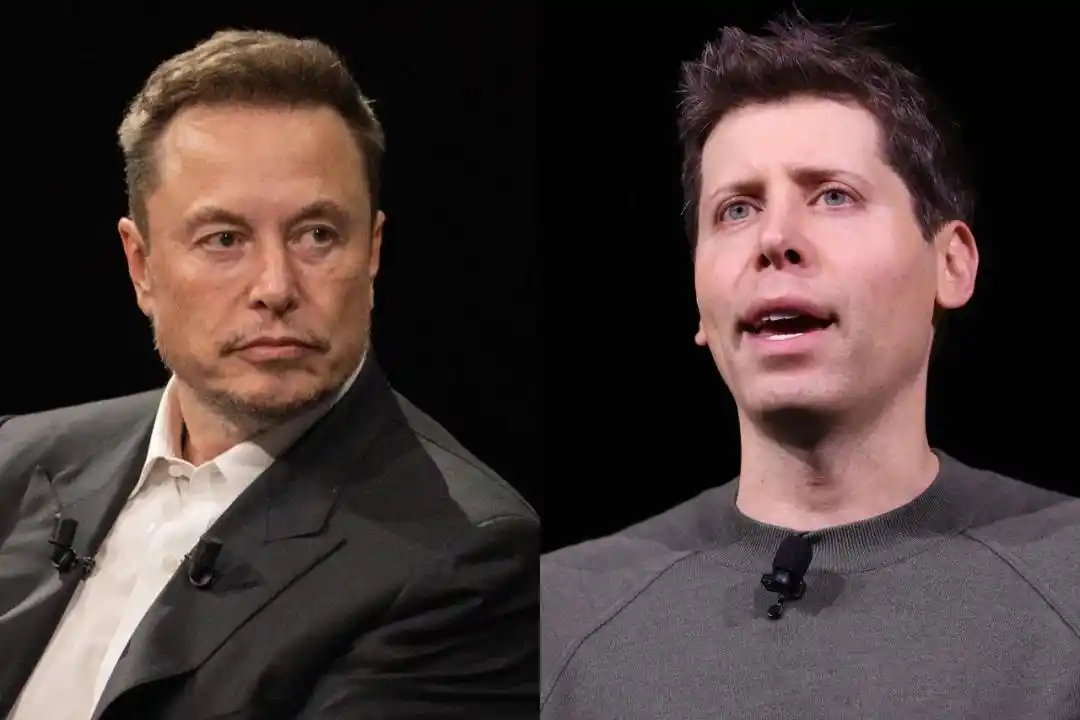
Apple Sues OpenAI Sparking Feud, Musk Slams Altman for Fraud, Altman Retorts with 'Space Data Center' Boast

Apple Sues OpenAI as Musk-Altman Feud Escalates The public feud between Elon Musk and OpenAI CEO Sam Altman intensified, coinciding with their respective AI companies launching flagship models in the same week, highlighting fierce competition. On July 11, Musk posted on X, accusing Altman of taking "fraud to the next level" regarding OpenAI's commercial practices. Altman fired back, sarcastically suggesting Musk was the one selling "short-term space datacenter" concepts to public market investors. Musk countered with allegations that Altman "stole an open-source AI charity" and, amid Apple's recent lawsuit, "stole all of Apple's phone tech." He mockingly referenced Altman needing a "parole officer's" approval to travel. This exchange occurred against the backdrop of a significant legal development: Apple filed a lawsuit against OpenAI in a California federal court, alleging the AI company deliberately solicited Apple employees to leak confidential information on unreleased products to aid its own hardware plans. Apple demands OpenAI cease this activity, destroy proprietary materials, and redesign upcoming products. OpenAI responded, stating it has no interest in other companies' trade secrets and remains focused on innovation. This lawsuit could profoundly impact their two-year partnership where OpenAI provides key tech for Apple Intelligence and Siri. The rivalry extended to product releases. OpenAI launched GPT-5.6, while Musk's SpaceXAI unveiled Grok 4.5. Both are positioned as AI agents capable of multi-step tasks. GPT-5.6 is noted for strengths in broad reasoning, business workflows, and cybersecurity. Grok 4.5 is highlighted for higher efficiency in autonomous programming and developer workflows, with lower usage costs than GPT-5.6, though OpenAI's model reportedly still leads in areas like abstract reasoning. The differing strengths offer distinct choices for enterprises and developers based on their specific needs.

marsbit2 saat önce

Apple Sues OpenAI Sparking Feud, Musk Slams Altman for Fraud, Altman Retorts with 'Space Data Center' Boast

marsbit2 saat önce

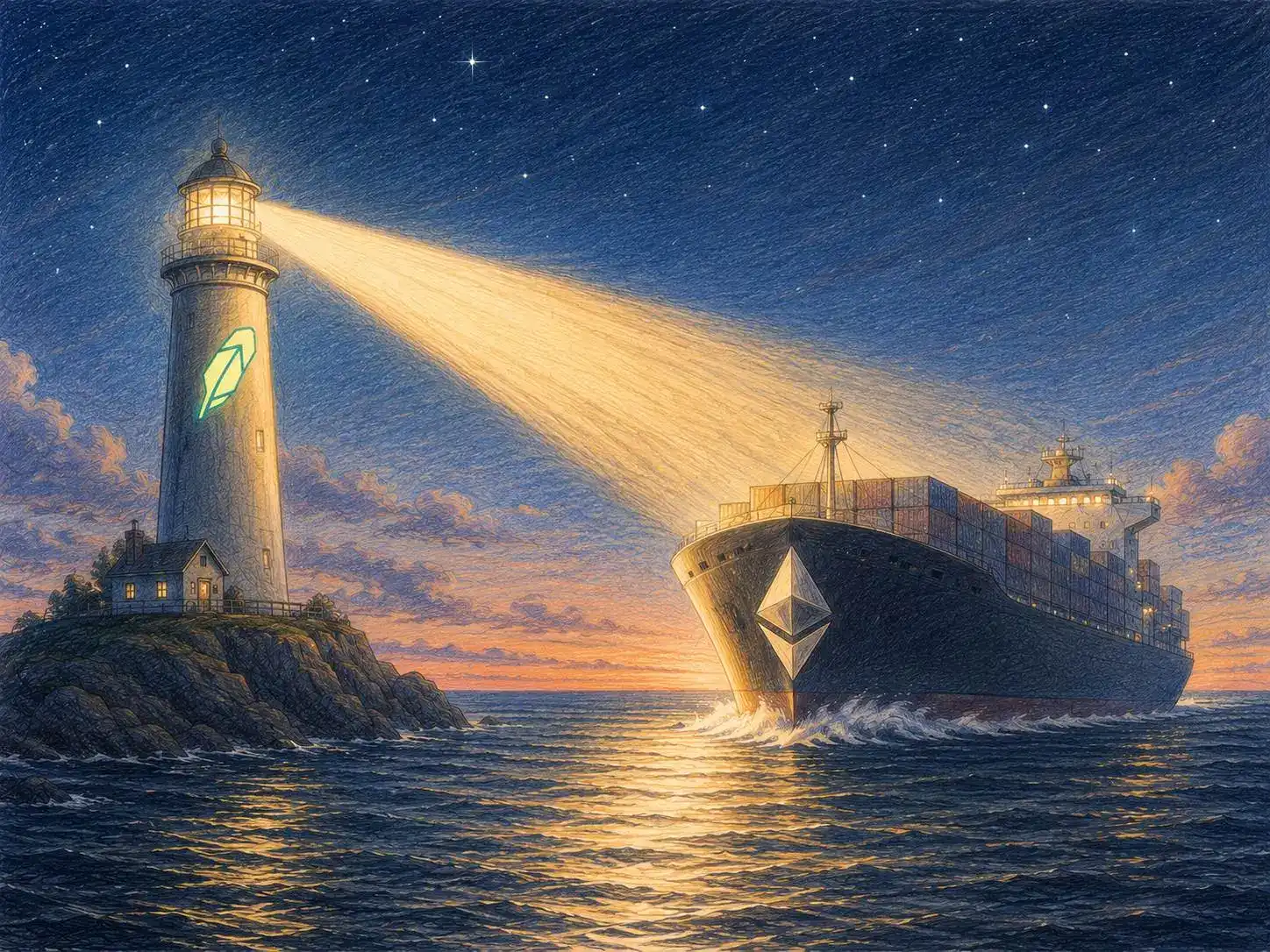
Robinhood Chain's Success Proves Ethereum is Not Dead

Robinhood Chain's success demonstrates that Ethereum's L1+L2 model is thriving, not dying. Traditional crypto projects often focused on token sales and chose infrastructure to maximize token value. However, real-world businesses building cash-based products make different, pragmatic choices. When launching its chain, Robinhood chose Ethereum as its base layer and built a custom L2 using Arbitrum technology. It uses Ethereum blobs for data availability, ETH for gas, and relies on Ethereum for security. This mirrors Coinbase's earlier decision to build Base as an Ethereum L2. These are not ideological choices but sound business decisions driven by needs for security, liquidity, control, and predictable economics. The shift in the industry is from "token-centric" models to "cash business" models. Real companies serving broad user bases prioritize risk reduction, product improvement, and profit. For them, blockchain is infrastructure. The Ethereum L1+L2 "barbell" structure is ideal: the highly decentralized, neutral, and liquid L1 for settlement and security, combined with customizable, high-performance L2s for execution. This trend is positive for Ethereum and ETH. As more real businesses build on it, ETH becomes more integrated, distributed, and useful, strengthening its network effects and monetary premium. Robinhood's path—starting on an existing L2 and graduating to a dedicated one—is likely to become a standard playbook, proving the enduring utility of Ethereum's layered architecture for serious commercial adoption.

Odaily星球日报2 saat önce

Robinhood Chain's Success Proves Ethereum is Not Dead

Odaily星球日报2 saat önce

İşlemler

Spot
活动图片