Quantifying Short-Term and Long-Term Holder Bitcoin Supply

insights.glassnode2020-11-16 tarihinde yayınlandı2025-09-08 tarihinde güncellendi

By Kilian Heeg and Rafael Schultze-Kraft

To understand investor behaviour from an on-chain perspective, it is crucial to differentiate between Long-Term Holders (LTH, "investors") and Short-Term Holders (STH, "traders").

While traders aim to "beat the market" and exploit price fluctuations on short time scales, long-term investors have a low time preference and are in for the long haul – remaining of the conviction that BTC will see future price appreciation. These market participants HODL over long time frames (A True HODLer Does Not Sell Their Coin), or only temporarily decrease their bitcoin positions in bull markets for profit-taking ("Swing HODLers").

But how can such different behaviours be quantified, and what conclusions with respect to the market can be drawn from this?

In the present work we introduce a new methodology to classify the amount of Bitcoin supply owned by these two investor types, and we create a set of on-chain metrics that show when long-term and short-term holders are in a state or profit or loss.

Classifying Long-Term Holders (LTH) and Short-Term Holders (STH)

In previous works, we looked at the probability that an Unspent Transaction Output (UTXO) is spent within a certain time window, and identified 155 days as the threshold at which the slope of this probability flattens out – marking the level that classifies whether a bitcoin (UTXO) is being held by a long-term or short-term investor (Figure 1).

For more information, please refer to our previous work: Breaking up On-Chain Metrics for Short and Long Term Investors.
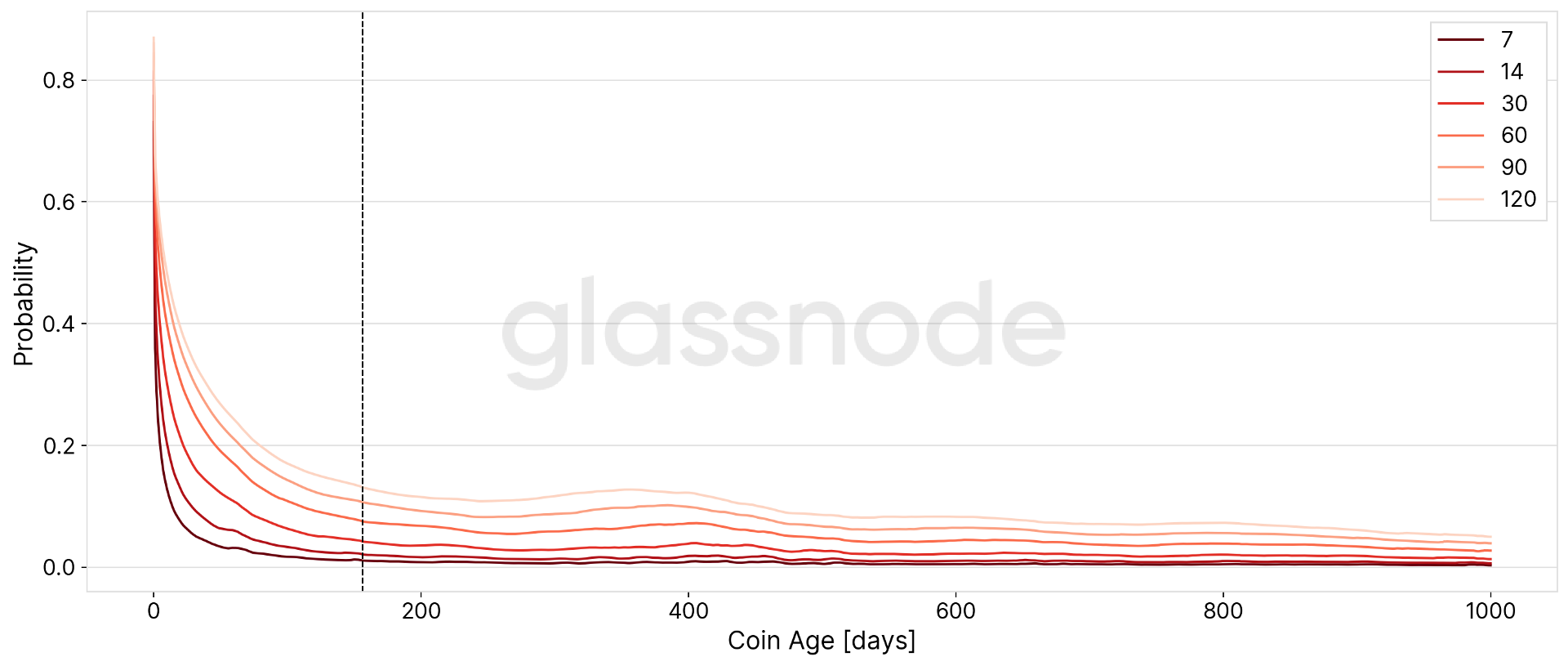
Figure 1 – The probability that a UTXO is spent within the specified time window (denoted in days) as a function of its coin age.

In the present work, we take this approach a step further. Instead of simply looking at UTXOs, we analyze Bitcoin entities and the supply held on their respective wallets. To determine the amount of BTC owned by long- and short-term holders, we first considered the time since the (averaged) purchasing date for each entity: If this duration exceeds 155 days (the above-mentioned threshold derived in our previous analysis), then the entity is considered to be a long-term holder.

In a second step, we refined this sharp classification threshold and turned it into a smooth curve of weighting factors. In particular, we used a logistic function with a midpoint of 155 days and a transition width of 10 days.
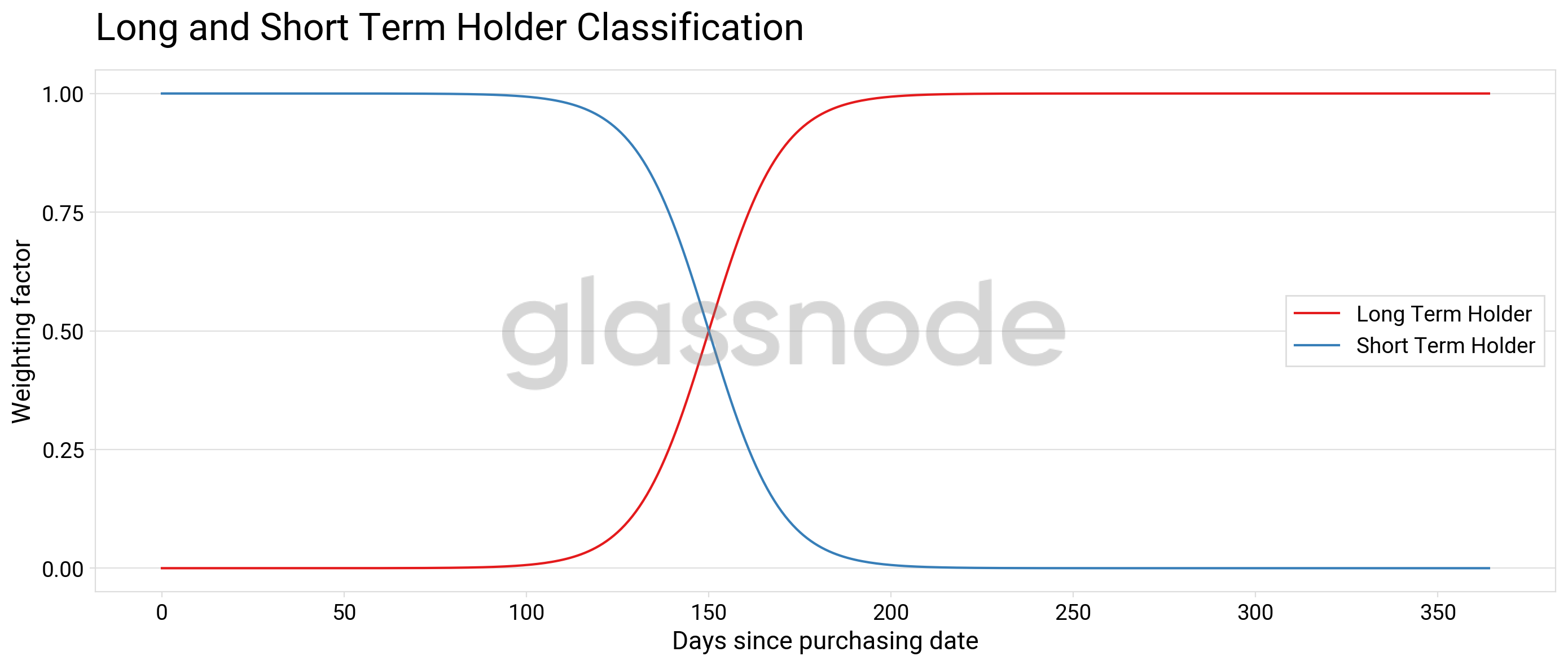
Figure 2 – The weighting factors used for the classification of long-term and short-term holders. A logistic function centered at 155 days and a transition width of 10 days is used.

As a result, an entity's balance now equally contributes to LTH and STH supply at 155 days, each with a share of 50%. In contrast, at around 177 days (around half year) after an entity acquires its BTC, 90% is attributed to the LTH supply. Using such a continuous transition between STH and LTH has the advantage that the resulting metrics are smoothed and don't suffer from artifacts related to a few hodlers suddenly crossing the sharp threshold.

Note: To further improve the data and better reflect the real hodler behaviour, Bitcoin supply held on exchanges is excluded from the analysis.

Long-Term Holder Supply

As of writing, the current LTH supply is 12.3M BTC – that is around two thirds (66%) of the circulating supply.

The amount of BTC held by long-term investors follows a regular pattern over the course of Bitcoin's history (Figure 3). Specifically, LTH supply tends to decrease during bull markets. This is expected, and a clear indication of profit-taking from long-term holders.

At the time of writing, the LTH supply has started to decline – pointing to the early stages of a new bull market.
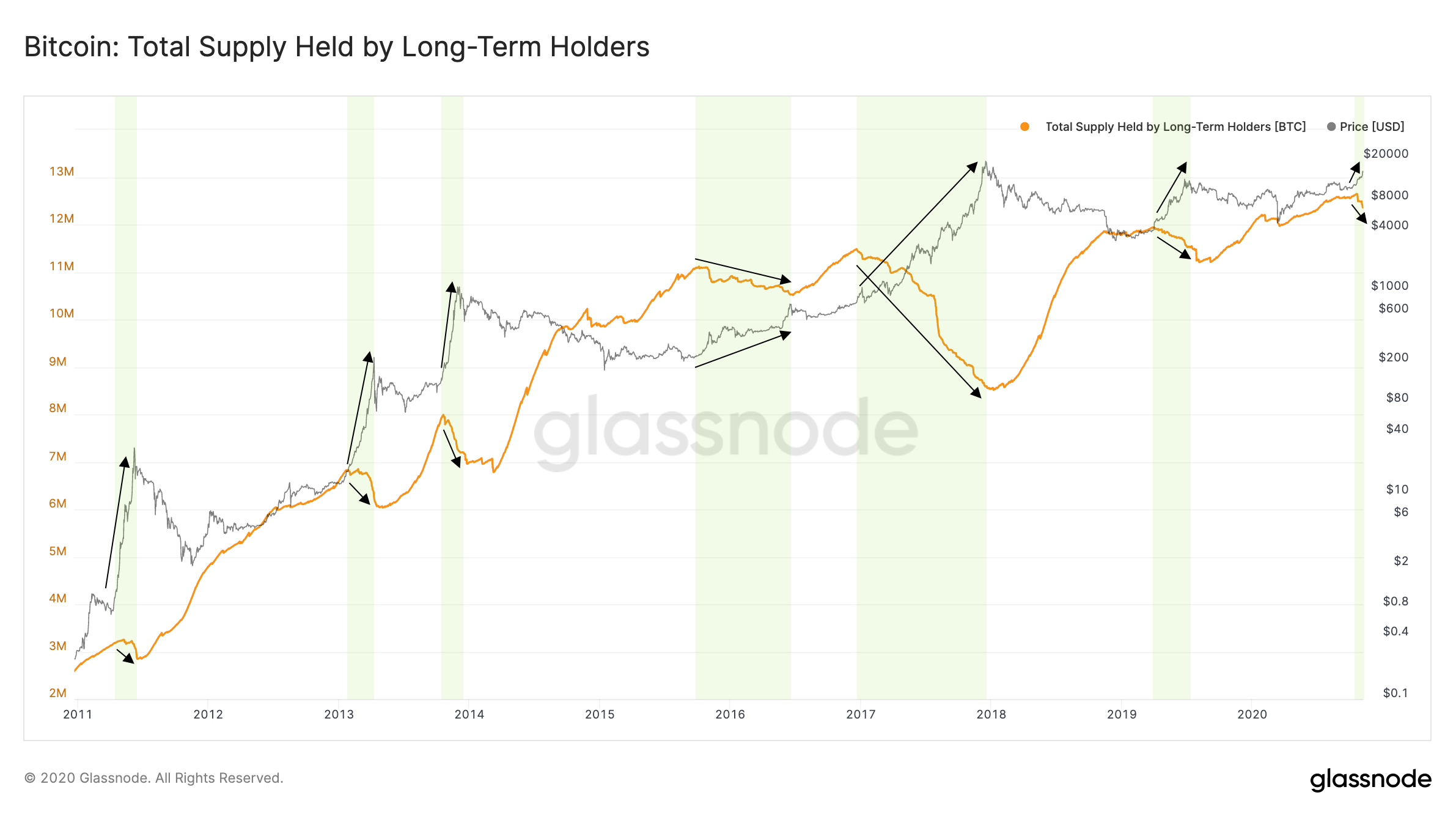
Figure 3 – Long-Term Holder (LTH) Bitcoin supply. (Live chart)

Looking at the monthly change of the LTH supply (Figure 4, Long-Term Holder Net Position Change) shows how the LTH supply increases and decreases at different times in the BTC market cycle. In particular, the chart clearly visualizes changes in on-chain behaviour of long-term investors, and paints a clear picture of accumulation periods during bear markets and decreasing positions in bull markets.

The absolute LTH supply numbers in Figure 3 above include not only hodled coins, but also coins that have been lost. LTH Net Position Change on the other hand eliminates the contribution from lost coins, as it depicts relative numbers by computing the 30 day changes in LTH supply.

Currently, we are seeing a downward spike, pointing to the fact that BTC from hodlers started to move on-chain, as a reaction to the recent price appreciation. Note that this has been commonly observed in previous cycles as well, and indicates that we are potentially at the early stages of a bull run.
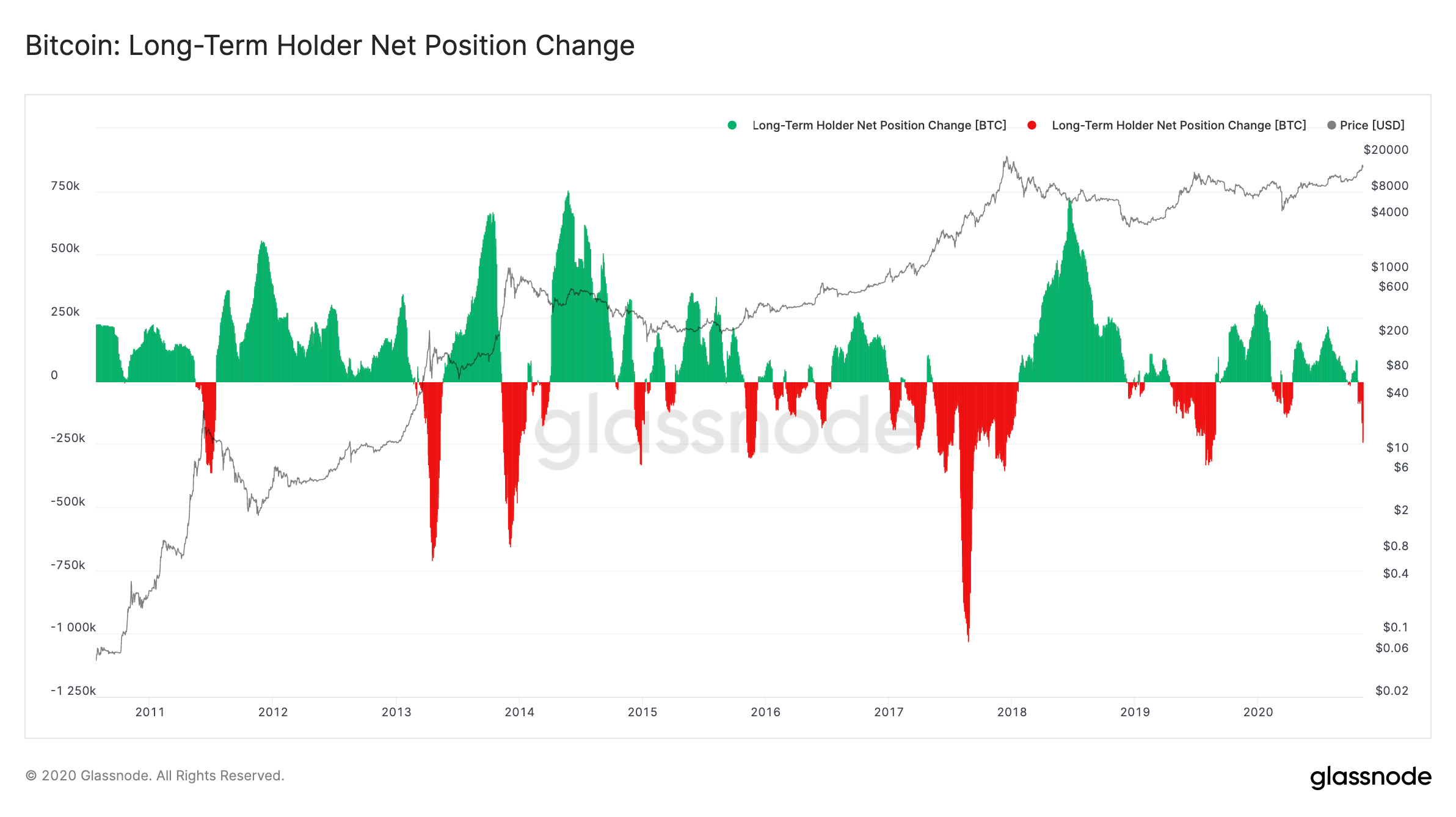
Figure 4 – Long-Term Holder (LTH) Net Position Change. (Live chart)

Short-Term Holder (STH) Supply

The amount of Bitcoin supply held by short-term traders increases as BTC's price appreciates – a clear indication of older bitcoin stashes being reactivated in bull markets for trading.

Over the course of the past month the amount of STH supply has increased by more than 500,000 BTC and sits currently at around 3.7 million BTC  – 20% of the circulating supply.  (Note that bitcoins sitting on exchanges are treated separately and not included in this number.)
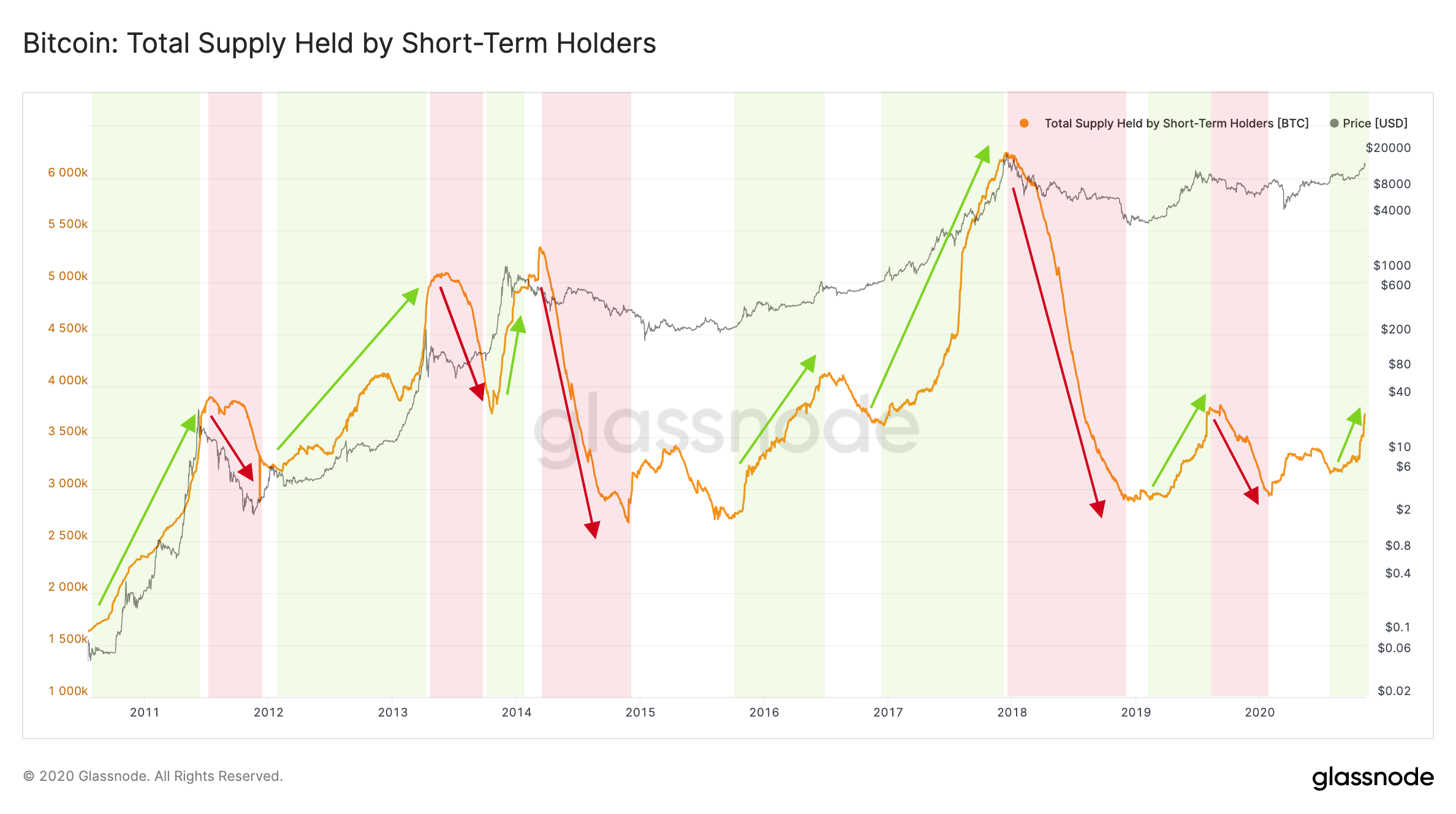
Figure 5 – Short-Term Holder (STH) Bitcoin supply. (Live chart)

Long-Term and Short-Term Holder Supply in Profit/Loss

By not only looking at the average purchasing date for each entity, but also at their averaged purchasing price, we can determine whether the current LTH and STH supply is in a state of profit or loss.

Currently, 12 million BTC of the LTH supply (~97%) and 3.5 million of the STH supply (~97%) are in a state of profit.
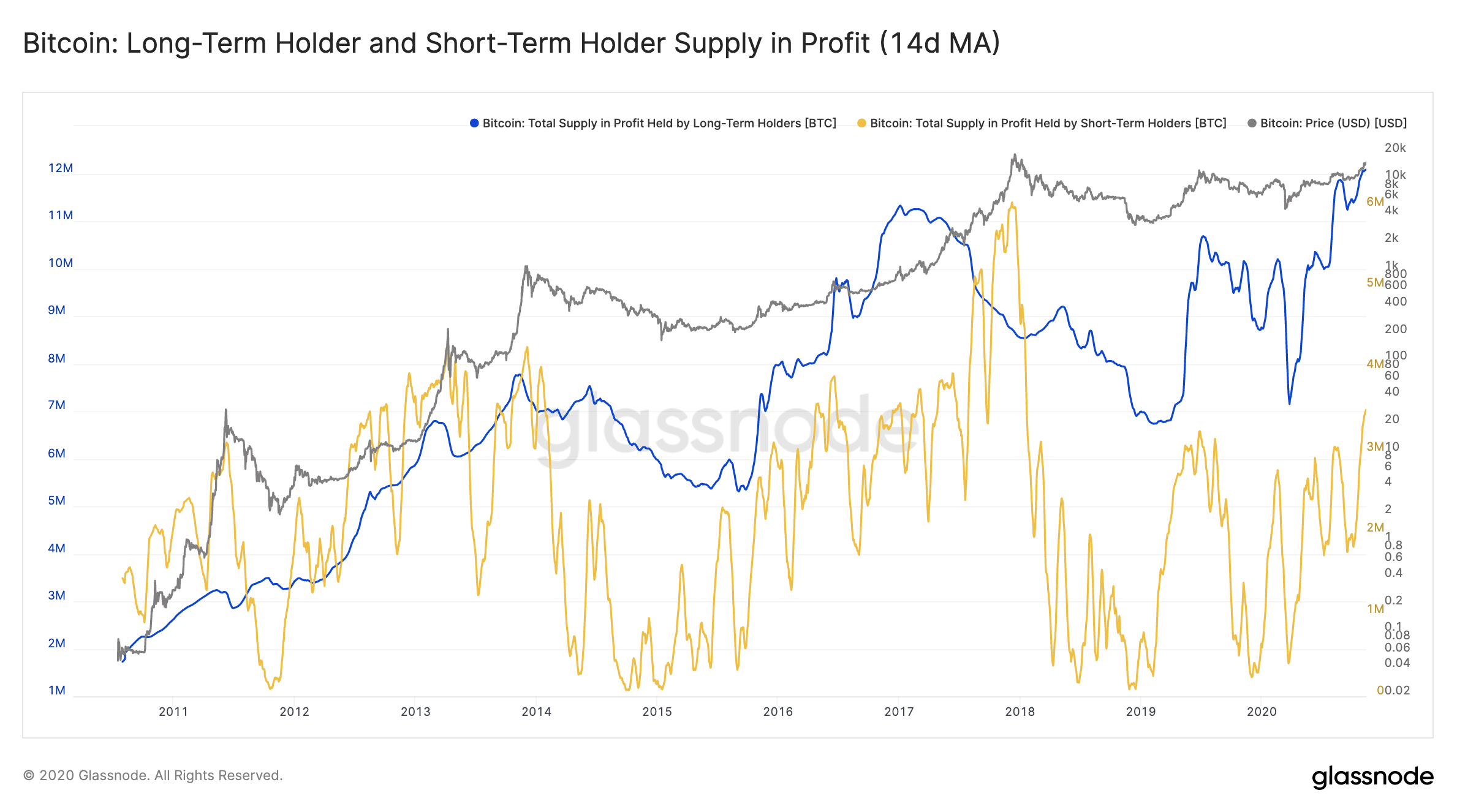
Figure 6 – The total amount of BTC in profit held by long-term and short-term investors.

Looking at the Relative LTH/STH Supply in Profit/Loss (Figure 7) shows, as expected, that during bull markets, as prices reach for new all-time highs, most LTH supply is in profit.
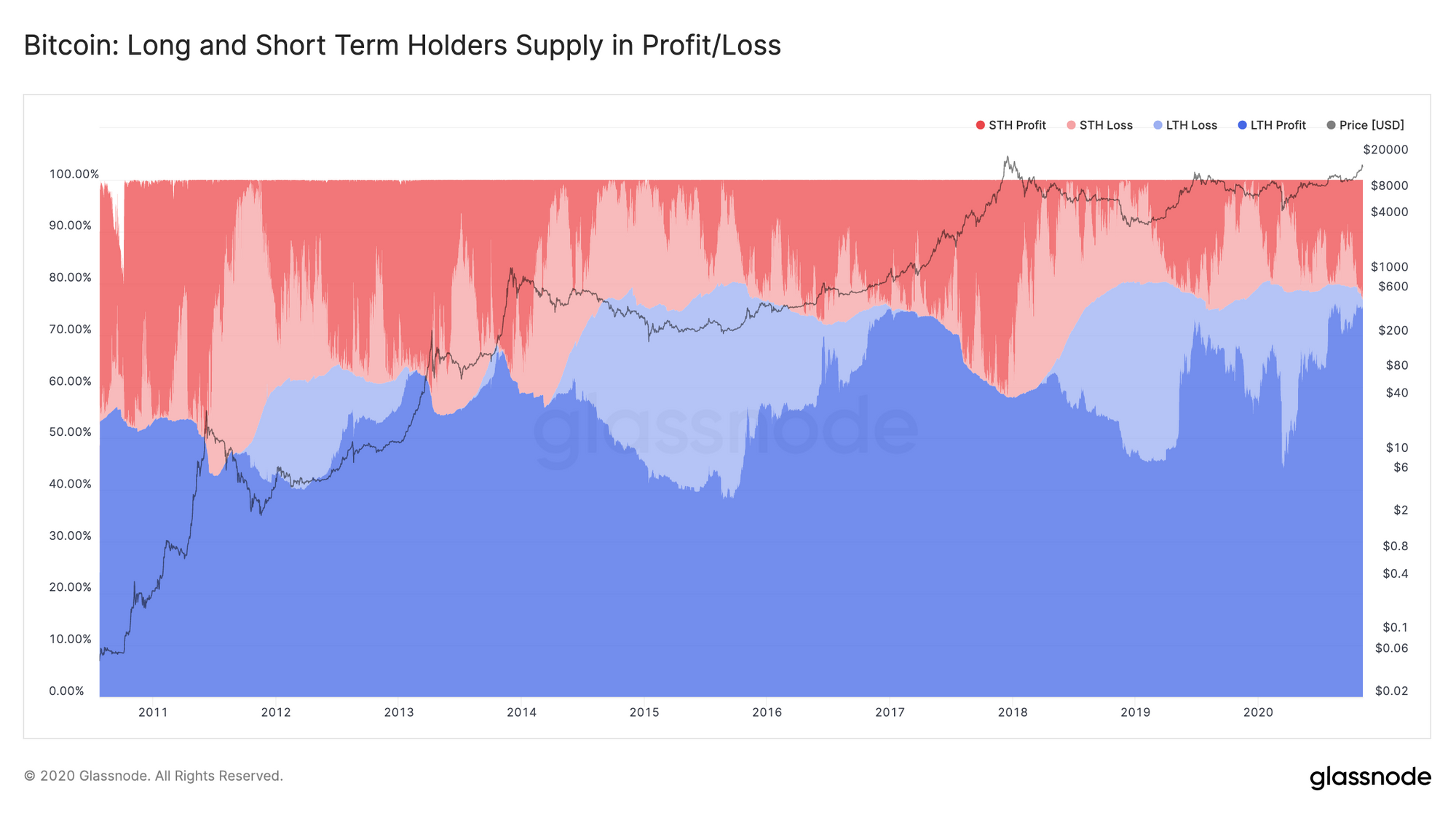
Figure 7 – The relative supply held by Long-Term Holders (LTH) and Short-Term Holders (STH) in profit or loss. (Live chart)

In contrast, a considerable amount of LTH supply is at a loss in a bear market and decreases as a new bull cycle arrives. There are different ways how LTH supply at loss can build up: On the one hand, in cases of sudden price drops such as "Black Thursday" in March 2020, LTH supply that was previously in profit can enter the loss zone. On the other hand, new investors from the STH domain can cross over and become long-term holders. The latter case is well visible in the latest "valley of loss" (Figure 8), starting in mid 2018: It implies that a lot of BTC were purchased by investors which entered the space in late 2017 around the peak of the bull run. Unfortunately, the subsequent bear cycle caused them to enter the LTH zone "at loss" and not "in profit". However, by now almost all of the long-term investors' supply is back in a state of profit, including that of the 2017 investors. We believe this results in a generally positive sentiment across BTC holders and points to a favorable outlook.
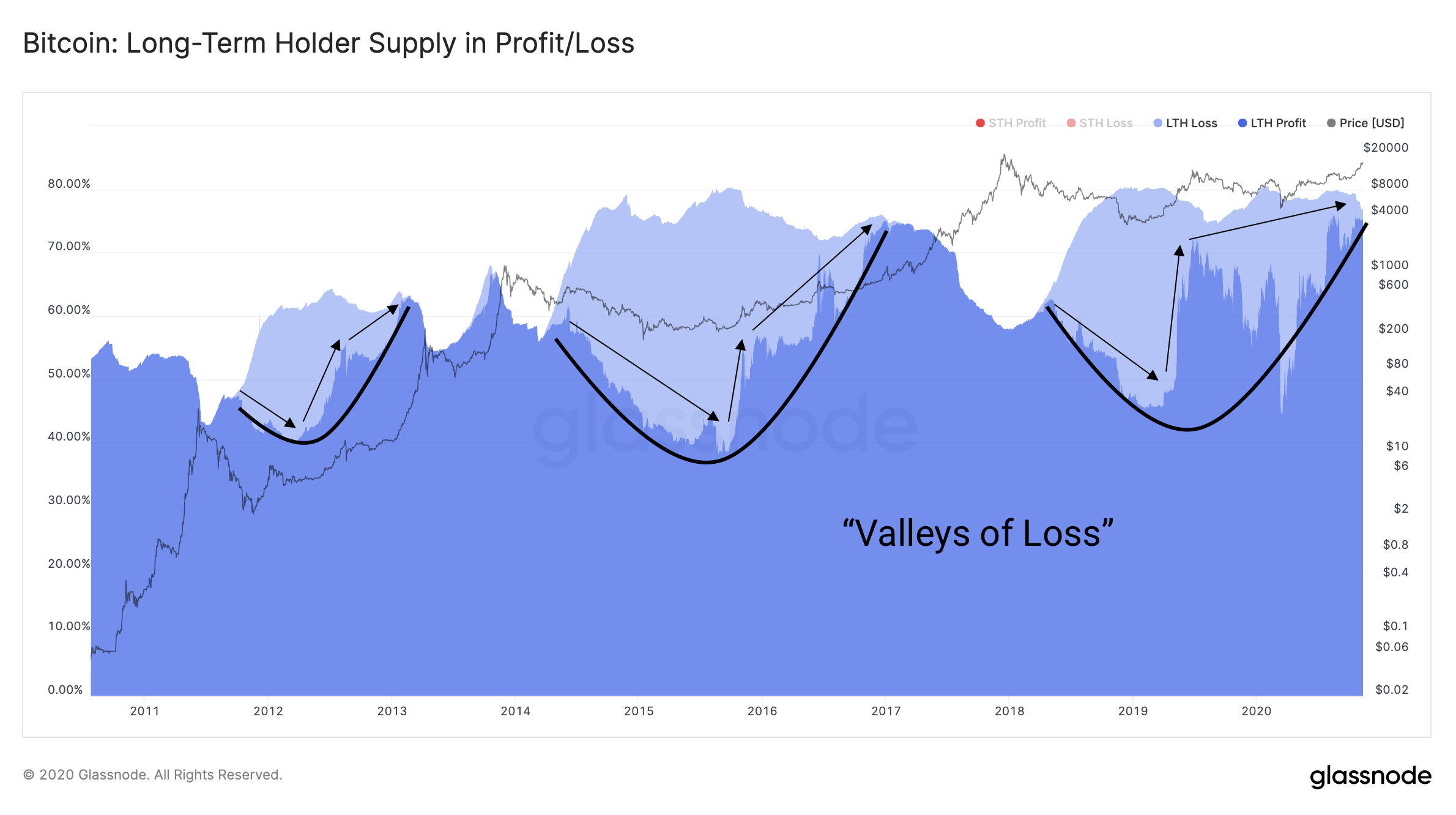
Figure 8 – Long-Term Holder (LTH) supply in profit/loss. The "Valleys of Loss" periodically occur when LTH supply moves into a state of loss as Bitcoin enters a bear market. (Live chart)

Comparison to Previous Metrics

To evaluate the present approach, we can compare our new data with previous metrics, such as Hodled or Lost Coins and Hodler Net Position Change. (These metrics were created by Adamant Capital – for a detailed description, see their blog post here).

We observe a very good agreement of the general trend as well as in the ups and downs of the respective metrics.

However, there is one qualitative difference when looking at the position change data: In the traditional Hodler Net Position Change metric, the positive values (in contrast to the negative ones) tend to be capped (see the comparison in Figure 9). In contrast, with our new approach, the metric is unbounded in both directions – providing a much clearer signal.
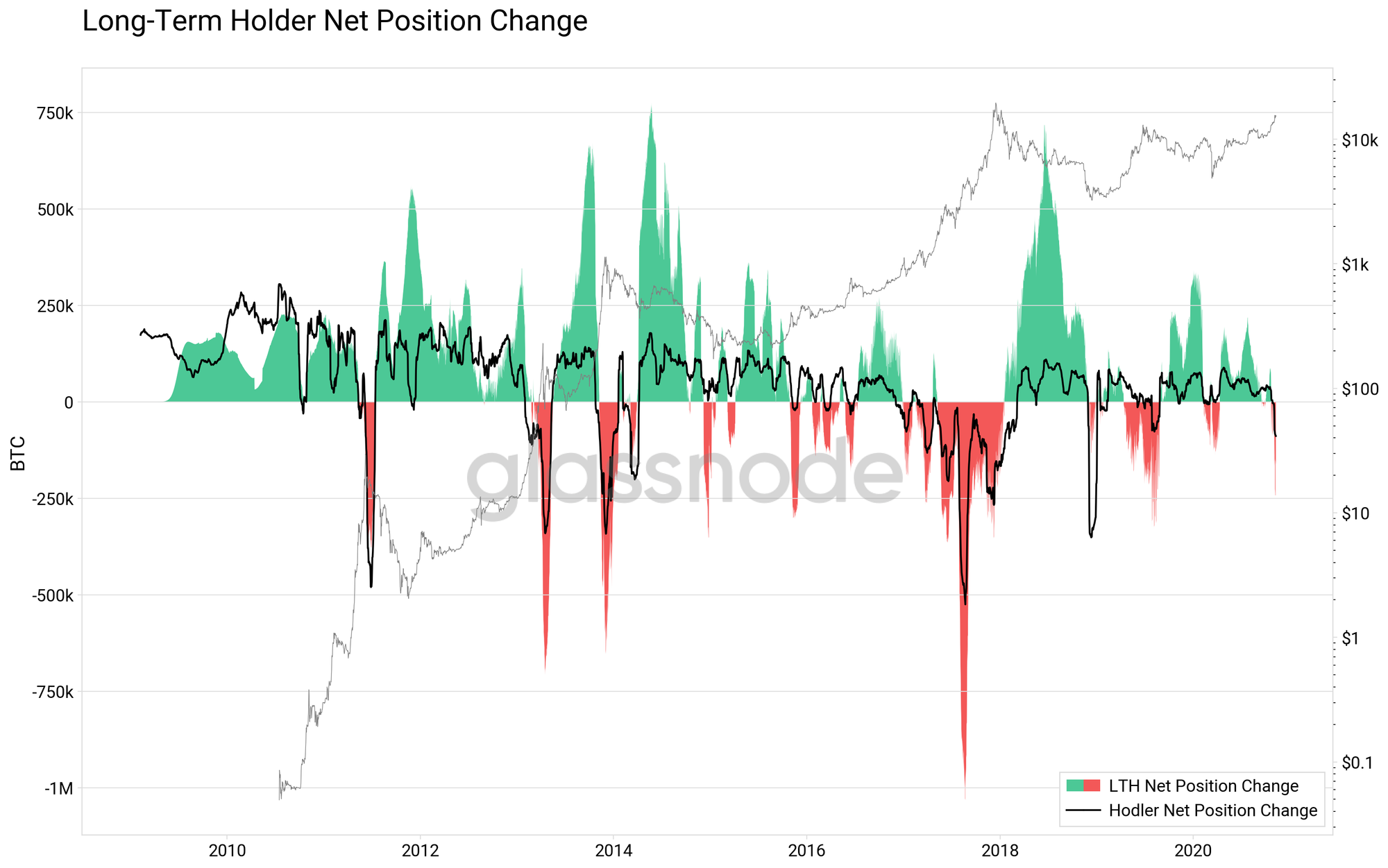
Figure 9 – Comparison between "Hodler Net Position Change" (black line) and the new "Long-Term Holder (LTH) Net Position Change" (red/green). While the former has capped positive values due to its derivation from Bitcoin's "Liveliness" metric, and thus provides a skewed view, our new approach is more balanced giving a clearer picture of the BTC position change of long-term investors. (Live chart)

The capped values in the Hodler Net Position Change metrics can be understood in the following way: It is based on the Liveliness metric, which due to the cumulative sums in its definition can exhibit sudden increases, but a decrease in value can only occur slowly, over much longer time periods. Since Hodler Net Position Change is based on the negative Liveliness, the argument reverses and positive changes become visible only after longer time scales. Consequently, it's impossible for the monthly differences to skyrocket and big changes in the hodler behavior might become apparent only after a certain amount of time – in contrast to our new proposed metric based on the LTH supply.

Summary

We introduced a new methodology to differentiate Bitcoin supply that is held by long-term investors and short-term traders. The separation of these market participants on a network level is crucial in order to gain a deeper understanding of investor behaviour during different periods of the BTC market cycle. The supply distribution among investor groups can serve as a proxy to investor sentiment and sheds light on the primary usage of Bitcoin (e.g. store of value).

With this work we introduced a new set of on-chain metrics that quantify the supply held by these two investor types, and their current trends strongly support the narrative of an onset of a bull market.

All metrics introduced here are available live in Glassnode Studio:

The present work was done in collaboration with Swissblock Technologies.

A big, big thank you goes to my great colleague Kilian for the amount of effort put in this work.


İlgili Okumalar

Can DeepSeek Save China One Trillion Dollars?

"DeepSeek and the $1 Trillion Infrastructure Question" The article examines whether DeepSeek's AI optimization breakthroughs could potentially save China $1 trillion in future AI infrastructure costs. The analysis begins with Nvidia's upcoming Vera Rubin AI platform, costing ~$7.8 million, where memory (HBM4/LPDDR5X) constitutes $2 million—a 435% cost increase in one year, highlighting how AI hardware spending is shifting toward expensive memory components. DeepSeek's approach works in the opposite direction. Through three key technical innovations showcased in DeepSeek V4, the company dramatically improves hardware efficiency: 1. **Memory Compression (MLA)**: Re-engineers the attention mechanism to compress long-context memory (KV Cache) by over 90%, drastically reducing expensive HBM usage. 2. **Selective Activation (MoE)**: Employs Mixture-of-Experts architecture where only a small fraction of parameters (e.g., 49B out of 1.6T in V4-Pro) are activated per token, allowing most parameters to reside in cheaper memory/SSD. 3. **Computation Caching**: Reuses previously computed results via cache hits, replacing expensive GPU computations with cheap memory reads. Combined, these optimizations allow the same hardware to produce approximately 4x more tokens, effectively reducing required hardware investment by 75%. DeepSeek's pricing reflects this: a 10-billion token workload costs ~$522 monthly versus ~$9,000-$10,000 for competitors. The $1 trillion savings projection stems from McKinsey's estimate that global AI infrastructure will require ~$5.2 trillion investment by 2030. As China's daily token consumption grows toward quadrillions, even marginal efficiency gains scale massively. With a conservative 4x throughput improvement, China could avoid building tens of thousands of AI data centers equivalent to ~7 trillion RMB ($1 trillion) in saved investment. Critically, this strategy shifts dependency from scarce, expensive GPU/HBM—where China lags—toward more accessible storage, caching, and systems engineering where domestic suppliers like CXMT are gaining strength. Rather than "replacing Nvidia," DeepSeek rebalances AI's value chain away from monolithic hardware dependency. Ultimately, DeepSeek's technical breakthroughs could lower the barrier to AI adoption across Chinese industries by making advanced capabilities affordable at scale—transforming who can access next-generation AI.

marsbit17 dk önce

Can DeepSeek Save China One Trillion Dollars?

marsbit17 dk önce

Overturning the Mainstream Approach to Hallucinations: Metacognition is the New Solution for Large Models to Break the Hallucination Barrier

This paper, "Hallucinations Undermine Trust; Metacognition is a Way Forward," proposes a paradigm shift in combating AI hallucination. It argues that the current mainstream approaches—striving for omniscience by scaling data/models or having AI abstain from uncertain answers—are fundamentally flawed. The former has inevitable knowledge gaps, while the latter imposes a crippling "utility tax," requiring the rejection of many correct answers to achieve high accuracy, due to models' poor "discrimination" (the ability to distinguish correct from incorrect answers internally). The core contribution is redefining hallucination not as "being wrong," but as "expressing false information with unwarranted certainty." The proposed solution is **Faithful Uncertainty** or **Metacognition**: enabling AI to accurately perceive its internal uncertainty and honestly express it in its language (e.g., using hedging phrases when unsure). This creates a more reliable assistant that provides useful information while signaling its confidence, minimizing harm from errors. The paper emphasizes that metacognition is critical for the era of AI Agents. Without it, Agents cannot intelligently decide when to use tools like search engines, leading to inefficiency and misuse. Key implementation challenges are highlighted: the "bootstrapping paradox" of training with static uncertainty data, the "alignment distortion signal" where human preference training suppresses internal uncertainty cues, and the difficulty of causally evaluating true metacognition vs. its superficial imitation. The paper concludes that the goal should not be an infallible AI, but one that is honest about the limits of its knowledge, thereby building user trust through transparent communication of its certainty.

marsbit21 dk önce

Overturning the Mainstream Approach to Hallucinations: Metacognition is the New Solution for Large Models to Break the Hallucination Barrier

marsbit21 dk önce

Hedge by Buying Gold and Oil, Chase Soaring Returns with AI. ‘Dated’ Bitcoin Enters a Bear Market

Bitcoin has recently declined, hitting a two-month low near $66,123, while Ethereum fell to a three-month low around $1,837. Analysts suggest the drop is not merely due to factors like ETF outflows or MicroStrategy's selling but reflects a deeper issue: Bitcoin is losing a broader asset competition. In a near-zero interest rate environment, Bitcoin previously thrived as an outlet for investor dissatisfaction with inflation and limited options. However, the market landscape has shifted. Bitcoin now occupies an "awkward middle ground," facing competition on three fronts. For inflation hedging, investors prefer gold, energy stocks, and commodity producers—assets with tangible backing and clearer pricing power. For growth exposure, AI-related companies with actual revenues and profits are more attractive. Even within crypto, investors can choose stablecoins, exchanges, or infrastructure firms tied directly to adoption, offering clearer business models and leverage. Thus, Bitcoin is no longer the top choice for hedging, growth, or crypto exposure. This shift is evident in market reactions: despite recent warnings about persistent inflation from a Fed official, Bitcoin did not rally as it might have in the past. Instead, capital flowed to assets with direct commodity or energy exposure. The recent ETF outflows and MicroStrategy sales are symptoms, not causes, of this new reality. Investors are becoming more selective, demanding clearer value propositions beyond mere scarcity. The emerging bear case for Bitcoin is not about it being a bubble or failed technology, but that scarcity alone is no longer sufficient.

华尔街日报24 dk önce

Hedge by Buying Gold and Oil, Chase Soaring Returns with AI. ‘Dated’ Bitcoin Enters a Bear Market

华尔街日报24 dk önce

İşlemler

Spot
Futures

Popüler Makaleler

BITCOIN Nedir

HarryPotterObamaSonic10Inu (ERC-20)'yu ve Kripto Alanındaki Yerini Anlamak Son yıllarda, kripto para piyasası, hem ticaret yapanların hem de topluluk etkileşimi ve eğlence değeri arayanların ilgisini çeken meme coin'lerin popülaritesinde bir artış gördü. Bu benzersiz token'lar arasında, kripto para dokusuna kültürel referansları harmanlayan ilginç bir proje olan HarryPotterObamaSonic10Inu (ERC-20) bulunmaktadır. Bu makale, HarryPotterObamaSonic10Inu'nun temel yönlerini, mekanizmalarını, topluluk odaklı ethosunu ve daha geniş kripto manzarasıyla etkileşimini incelemektedir. HarryPotterObamaSonic10Inu (ERC-20) Nedir? Adından da anlaşılacağı gibi, HarryPotterObamaSonic10Inu, Ethereum blok zinciri üzerinde inşa edilen bir meme coin'dir ve ERC-20 standardı altında sınıflandırılmaktadır. Geleneksel kripto paraların pratik kullanılabilirlik veya yatırım potansiyeline odaklandığı durumların aksine, bu token eğlence değeri ve topluluğunun gücü üzerine kuruludur. Proje, bağlı kullanıcıların bir araya gelebileceği, fikirlerini paylaşabileceği ve çeşitli kültürel fenomenlerden ilham alan etkinliklere katılabileceği bir ortam yaratmayı hedeflemektedir. HarryPotterObamaSonic10Inu'nun dikkate değer özelliklerinden biri işlemlerde sıfır vergi olmasıdır. Bu çekici unsur, küçük ölçekli yatırımcıları caydırabilecek ek ücretlerden yoksun olarak ticareti ve topluluk katılımını teşvik etmeyi amaçlamaktadır. Coin'in toplam arzı bir milyar token olarak belirlenmiştir; bu, topluluk içinde önemli bir dolaşım sağlama niyetini göstermektedir. HarryPotterObamaSonic10Inu (ERC-20) Yaratıcısı HarryPotterObamaSonic10Inu'nun kökenleri bir miktar gizemlidir; yaratıcısı hakkında spesifik bilgilerin ne olduğu bilinmemektedir. Bu token'ın geliştirilmesi, belirli bir ekip veya açık bir plan eksikliği ile gerçekleşmiştir; bu durum, meme coin sektöründe oldukça yaygındır. Proje, topluluğunun heyecanı ve katılımına dayalı olarak organik bir şekilde ortaya çıkmıştır. HarryPotterObamaSonic10Inu (ERC-20) Yatırımcıları Dış yatırımlar ve destekler söz konusu olduğunda, HarryPotterObamaSonic10Inu da belirsiz kalmaktadır. Token, bilinen herhangi bir yatırım fonunu veya önemli bir kurumsal desteği listelememektedir. Bunun yerine, projenin can damarı, kolektif eylem ve kripto alanındaki katılım yoluyla büyüme ve sürdürülebilirlik sağlayan temel topluluğudur. HarryPotterObamaSonic10Inu (ERC-20) Nasıl Çalışır? Bir meme coin olarak, HarryPotterObamaSonic10Inu, genellikle varlık değerini yöneten geleneksel çerçevelerin dışında çalışmaktadır. Projenin nasıl çalıştığını tanımlayan birkaç özelliği vardır: Sıfır Vergi İşlemleri: İşlemlerde vergi ücreti olmadan, kullanıcılar gizli maliyet endişesi olmadan token'ı serbestçe alıp satabilirler. Topluluk Etkileşimi: Proje, topluluk etkileşimi üzerine kuruludur ve sosyal medya platformlarını kullanarak heyecan yaratarak katılımı kolaylaştırır. Tartışmalar, içerik paylaşımı ve katılım, projenin erişimini genişletmeye ve destekleyiciler arasında sadakat oluşturmaya yardımcı olan kritik unsurlardır. Pratik Kullanılabilirlik Yok: HarryPotterObamaSonic10Inu'nun mali ekosistem içinde somut bir kullanılabilirlik sunmadığı belirtilmelidir. Daha ziyade, eğlence ve topluluk etkinlikleri için bir token olarak sınıflandırılmaktadır. Kültürel Referans: Token, popüler kültürden unsurları zekice harmanlayarak ilgi çekmektedir ve hem meme meraklıları hem de kripto takipçileriyle bağlantı kurmaktadır. HarryPotterObamaSonic10Inu, meme coin'lerin, daha geleneksel kripto para projelerinden nasıl farklı çalıştığını örneklendirmektedir; bu projeler, utilitarist varlıklar yerine yenilikçi sosyal yapıların bir parçası olarak piyasaya girmektedir. HarryPotterObamaSonic10Inu (ERC-20) Zaman Çizelgesi HarryPotterObamaSonic10Inu'nun tarihi, birkaç dikkate değer kilometre taşı ile işaretlenmiştir: Oluşum: Token, birçok kripto meraklısının hayal gücünü yakalayan bir viral meme'den ortaya çıkmıştır. Spesifik yaratım tarihleri mevcut değildir ve bu onun organik yükselişini vurgulamaktadır. Borsa Listelemeleri: HarryPotterObamaSonic10Inu, topluluğun daha kolay erişim ve ticaret yapabilmesini sağlamak için çeşitli borsalarda yer bulmuştur. Topluluk Katılım İnisiyatifleri: Yarışmalar, sosyal medya kampanyaları ve hayranlar ile destekçilerden içerik üretimini içeren topluluk etkileşimini artırmayı amaçlayan devam eden etkinlikler. Gelecek Genişleme Planları: Projenin yol haritası, kültürel temalarına ilişkin bir NFT koleksiyonu, ticari ürünler ve bir e-ticaret sitesi başlatılmasını içermektedir; bu da topluluğun daha fazla katılımını sağlamayı ve ekosistemine daha fazla boyut kazandırmayı hedeflemektedir. HarryPotterObamaSonic10Inu (ERC-20) Hakkında Kilit Noktalar Topluluk Odaklı Doğası: Proje, kullanıcı katılımını geliştirme önceliği taşır ve böylece kullanıcıların sürecin en önünde yer almasını sağlar. Meme Coin Sınıflandırması: Eğlenceye dayalı kripto paranın doruk noktasıdır ve geleneksel yatırım araçlarından ayrılmaktadır. Bitcoin ile Doğrudan İlişki Yok: Ticker ismindeki benzeliğe rağmen, HarryPotterObamaSonic10Inu ayırt edicidir ve Bitcoin veya diğer yerleşik kripto paralarla herhangi bir ilişkisi yoktur. İşbirliğine Odaklanma: HarryPotterObamaSonic10Inu, sahipleri arasında işbirliği ve hikaye paylaşımı için bir alan oluşturmak üzere tasarlanmıştır ve bu da yaratıcılık ve topluluk bağlarını sağlamaktadır. Gelecek Beklentileri: Başlangıçta belirlendiği temalardan NFTs ve ticari ürünlere genişleme arzusu, projenin dijital kültürde daha ana akıma girebilmesi için bir yol haritası çizmektedir. Meme coin'ler, kripto para topluluğunun hayal gücünü çalmaya devam ederken, HarryPotterObamaSonic10Inu (ERC-20), kültürel bağları ve topluluk merkezli yaklaşımıyla öne çıkmaktadır. Geleneksel bir hizmet odaklı token modeliyle uyumlu olmasa da, özünde destekçileri arasında sağlanan neşe ve dostluğu vurgulayarak, giderek dijitalleşen bir çağda kripto paraların evrilen doğasını göstermektedir. Proje gelişmeye devam ettikçe, topluluk dinamiklerinin blockchain teknolojisi dünyasındaki seyrini nasıl etkilediğini izlemek önemli olacaktır.

1.7k Toplam GörüntülenmeYayınlanma 2024.04.01Güncellenme 2024.12.03

BITCOIN Nedir

BTC Nasıl Satın Alınır

HTX.com’a hoş geldiniz! Bitcoin (BTC) satın alma işlemlerini basit ve kullanışlı bir hâle getirdik. Adım adım açıkladığımız rehberimizi takip ederek kripto yolculuğunuza başlayın. 1. Adım: HTX Hesabınızı OluşturunHTX'te ücretsiz bir hesap açmak için e-posta adresinizi veya telefon numaranızı kullanın. Sorunsuzca kaydolun ve tüm özelliklerin kilidini açın. Hesabımı Aç2. Adım: Kripto Satın Al Bölümüne Gidin ve Ödeme Yönteminizi SeçinKredi/Banka Kartı: Visa veya Mastercard'ınızı kullanarak anında Bitcoin (BTC) satın alın.Bakiye: Sorunsuz bir şekilde işlem yapmak için HTX hesap bakiyenizdeki fonları kullanın.Üçüncü Taraflar: Kullanımı kolaylaştırmak için Google Pay ve Apple Pay gibi popüler ödeme yöntemlerini ekledik.P2P: HTX'teki diğer kullanıcılarla doğrudan işlem yapın.Borsa Dışı (OTC): Yatırımcılar için kişiye özel hizmetler ve rekabetçi döviz kurları sunuyoruz.3. Adım: Bitcoin (BTC) Varlıklarınızı SaklayınBitcoin (BTC) satın aldıktan sonra HTX hesabınızda saklayın. Alternatif olarak, blok zinciri transferi yoluyla başka bir yere gönderebilir veya diğer kripto para birimlerini takas etmek için kullanabilirsiniz.4. Adım: Bitcoin (BTC) Varlıklarınızla İşlem YapınHTX'in spot piyasasında Bitcoin (BTC) ile kolayca işlemler yapın.Hesabınıza erişin, işlem çiftinizi seçin, işlemlerinizi gerçekleştirin ve gerçek zamanlı olarak izleyin. Hem yeni başlayanlar hem de deneyimli yatırımcılar için kullanıcı dostu bir deneyim sunuyoruz.

7.7k Toplam GörüntülenmeYayınlanma 2024.12.12Güncellenme 2026.06.02

BTC Nasıl Satın Alınır

$BITCOIN Nedir

DİJİTAL ALTIN ($BITCOIN): Kapsamlı Bir Analiz DİJİTAL ALTIN ($BITCOIN) Tanıtımı DİJİTAL ALTIN ($BITCOIN), geleneksel değerli metallerin özelliklerini merkeziyetsiz teknolojilerin yeniliği ile birleştirmeyi amaçlayan Solana ağı üzerinde çalışan blockchain tabanlı bir projedir. Bitcoin ile aynı isme sahip olmasına rağmen, genellikle bir değer saklama aracı olarak algılandığı için “dijital altın” olarak anılmaktadır; DİJİTAL ALTIN, Web3 ortamında benzersiz bir ekosistem yaratmak için tasarlanmış ayrı bir tokendir. Hedefi, uygulanabilir bir alternatif dijital varlık olarak kendini konumlandırmaktır, ancak uygulamaları ve işlevleri ile ilgili ayrıntılar hala gelişmektedir. DİJİTAL ALTIN ($BITCOIN) Nedir? DİJİTAL ALTIN ($BITCOIN), Solana blockchain'inde kullanılmak üzere açıkça tasarlanmış bir kripto para tokenidir. Bitcoin'in yaygın olarak tanınan bir değer saklama rolü sağlamasının aksine, bu token daha geniş uygulamalara ve özelliklere odaklanıyor gibi görünmektedir. Dikkate değer yönler şunlardır: Blockchain Altyapısı: Token, yüksek hızlı ve düşük maliyetli işlemleri yönetme kapasitesi ile bilinen Solana blockchain'inde inşa edilmiştir. Arz Dinamikleri: DİJİTAL ALTIN'ın maksimum arzı 100 katrilyon token (100P $BITCOIN) ile sınırlıdır, ancak dolaşımdaki arzı ile ilgili ayrıntılar şu anda açıklanmamıştır. Kullanım Alanı: Kesin işlevler açıkça belirtilmemiş olsa da, token'ın merkeziyetsiz uygulamalar (dApps) veya varlık tokenizasyon stratejileri ile ilgili çeşitli uygulamalar için kullanılabileceğine dair işaretler bulunmaktadır. DİJİTAL ALTIN ($BITCOIN) Yaratıcısı Kimdir? Şu anda, DİJİTAL ALTIN ($BITCOIN) arkasındaki yaratıcıların ve geliştirme ekibinin kimliği bilinmemektedir. Bu durum, merkeziyetsiz finans ve meme coin fenomenleriyle uyumlu olan birçok yenilikçi proje arasında yaygındır. Böyle bir anonimlik, topluluk odaklı bir kültürü teşvik edebilirken, yönetişim ve hesap verebilirlik konusundaki endişeleri artırmaktadır. DİJİTAL ALTIN ($BITCOIN) Yatırımcıları Kimlerdir? Mevcut bilgiler, DİJİTAL ALTIN ($BITCOIN) için bilinen herhangi bir kurumsal destekçi veya önde gelen risk sermayesi yatırımı olmadığını göstermektedir. Proje, geleneksel finansman yolları yerine topluluk desteği ve benimsemeye odaklanan bir eşler arası modelde çalışıyor gibi görünmektedir. Faaliyetleri ve likiditesi esas olarak PumpSwap gibi merkeziyetsiz borsalarda (DEX'ler) yer almakta olup, bu da onun taban hareketine vurgu yapmaktadır. DİJİTAL ALTIN ($BITCOIN) Nasıl Çalışır DİJİTAL ALTIN ($BITCOIN) 'ın operasyonel mekanikleri, blockchain tasarımı ve ağ özellikleri temelinde açıklanabilir: Konsensüs Mekanizması: Solana'nın benzersiz tarih kanıtı (PoH) ile bir hisse kanıtı (PoS) modelini birleştirerek, proje ağın yüksek performansına katkıda bulunan verimli işlem doğrulamasını sağlar. Tokenomik: Belirli deflasyonist mekanizmalar kapsamlı bir şekilde detaylandırılmamış olsa da, geniş maksimum token arzı, henüz tanımlanmamış mikro işlemler veya niş kullanım durumlarına hitap edebileceğini ima etmektedir. Etkileşim: Solana'nın daha geniş ekosistemi ile entegrasyon potansiyeli bulunmaktadır; bu, çeşitli merkeziyetsiz finans (DeFi) platformlarını içermektedir. Ancak, belirli entegrasyonlarla ilgili ayrıntılar belirtilmemiştir. Önemli Olayların Zaman Çizelgesi DİJİTAL ALTIN ($BITCOIN) ile ilgili önemli kilometre taşlarını vurgulayan bir zaman çizelgesi: 2023: Token'ın Solana blockchain'inde ilk dağıtımı, sözleşme adresi ile işaretlenmiştir. 2024: DİJİTAL ALTIN, PumpSwap gibi merkeziyetsiz borsalarda işlem görmeye başladıkça görünürlük kazanır ve kullanıcıların bunu SOL karşısında ticaret yapmasına olanak tanır. 2025: Proje, topluluk odaklı etkileşimlere yönelik potansiyel ilgi ve ara sıra ticaret faaliyetleri görür, ancak şu ana kadar dikkate değer ortaklıklar veya teknik ilerlemeler belgelenmemiştir. Kritik Analiz Güçlü Yönler Ölçeklenebilirlik: Temel Solana altyapısı, yüksek işlem hacimlerini destekleyerek $BITCOIN'in çeşitli işlem senaryolarındaki faydasını artırabilir. Erişilebilirlik: Token başına potansiyel düşük ticaret fiyatı, perakende yatırımcıları çekebilir ve parçalı mülkiyet fırsatları sayesinde daha geniş katılımı kolaylaştırabilir. Riskler Şeffaflık Eksikliği: Kamuya açık olarak bilinen destekçilerin, geliştiricilerin veya bir denetim sürecinin olmaması, projenin sürdürülebilirliği ve güvenilirliği konusunda şüpheler doğurabilir. Piyasa Volatilitesi: Ticaret faaliyeti büyük ölçüde spekülatif davranışa dayanmakta olup, bu da yatırımcılar için önemli fiyat dalgalanmalarına ve belirsizliklere yol açabilir. Sonuç DİJİTAL ALTIN ($BITCOIN), hızla gelişen Solana ekosisteminde ilginç ama belirsiz bir proje olarak ortaya çıkmaktadır. “Dijital altın” anlatısını kullanmaya çalışırken, Bitcoin'in değer saklama rolünden ayrılması, amaçlanan faydasının ve yönetişim yapısının daha net bir şekilde tanımlanması gerekliliğini vurgulamaktadır. Gelecekteki kabul ve benimseme, mevcut belirsizliklerin giderilmesine ve operasyonel ile ekonomik stratejilerinin daha açık bir şekilde tanımlanmasına bağlı olacaktır. Not: Bu rapor, Ekim 2023 itibarıyla mevcut olan sentezlenmiş bilgileri kapsamaktadır ve araştırma döneminin ötesinde gelişmeler yaşanmış olabilir.

92 Toplam GörüntülenmeYayınlanma 2025.05.13Güncellenme 2025.05.13

$BITCOIN Nedir

Tartışmalar

HTX Topluluğuna hoş geldiniz. Burada, en son platform gelişmeleri hakkında bilgi sahibi olabilir ve profesyonel piyasa görüşlerine erişebilirsiniz. Kullanıcıların BTC (BTC) fiyatı hakkındaki görüşleri aşağıda sunulmaktadır.

活动图片