Mu Digital:将亚洲 20 万亿信贷市场搬进链上世界

深潮2025-09-03 tarihinde yayınlandı2025-09-04 tarihinde güncellendi

亚洲20万亿美元信贷市场如何重塑 DeFi 格局?

作者:Cointelegraph

编译:深潮TechFlow

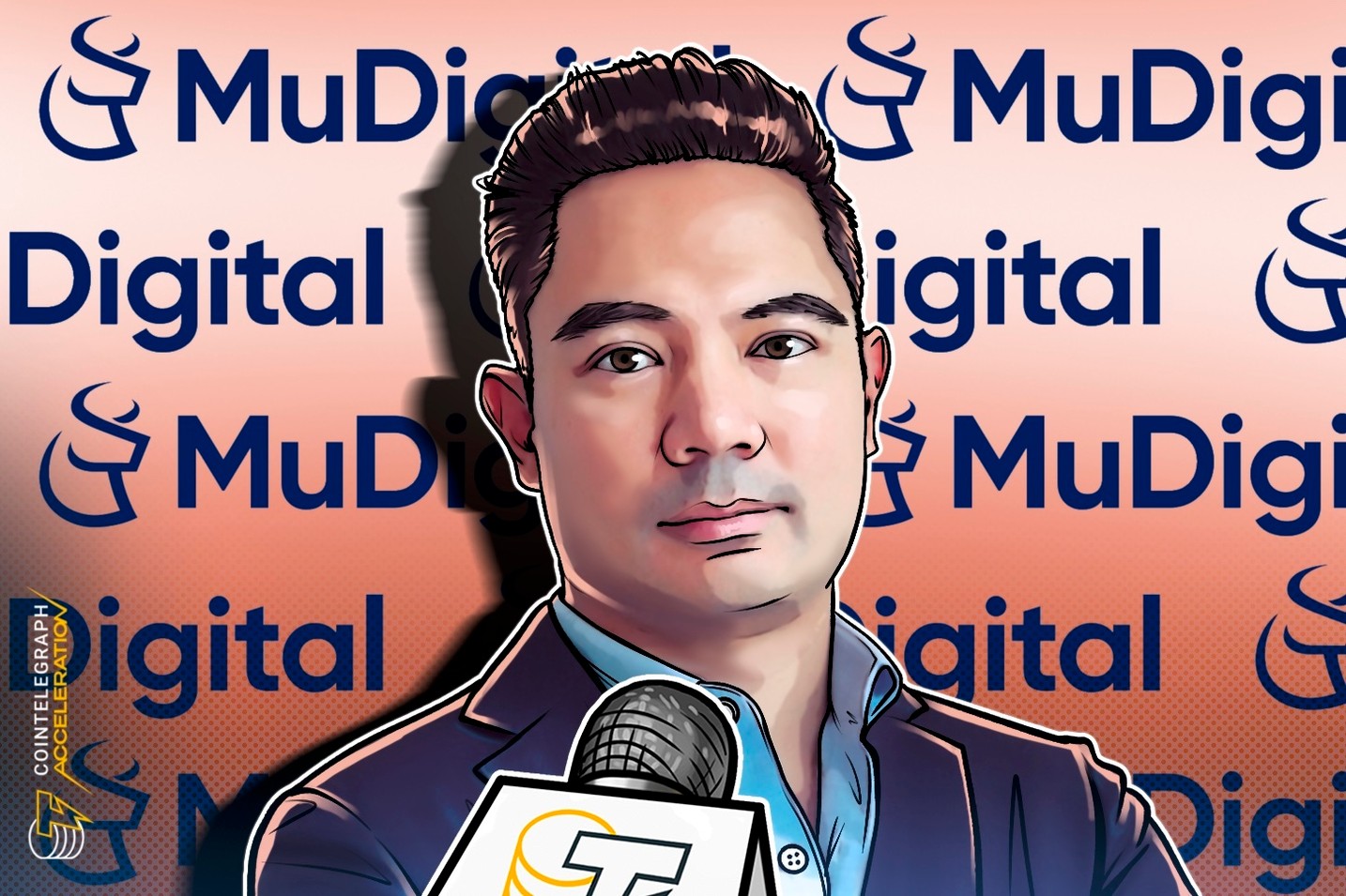
Mu Digital 联合创始人兼 CEO Patrick Hizon 探讨了为何亚洲规模达 20 万亿美元的信贷市场对去中心化金融(DeFi)至关重要,并分享了关于流动性和可组合收益产品的需求,以及平台启动的关键里程碑。
长期以来,投资机会的获取一直受到无形界限的影响——那些符合条件享受专属金融产品的人,与那些无法享受的人之间的差距。尽管区块链降低了全球金融领域的诸多壁垒,但现实是,一些最具吸引力的机会仍然局限于传统体系,普通投资者难以触及。

Mu Digital 正是致力于解决这一问题的项目之一。这一平台由前投资银行家创立,他们亲眼目睹了亚洲的收益产品如何仅限于机构和超高净值投资者。借助 Cointelegraph Accelerator 计划的支持,Mu Digital正在构建基础设施,将亚洲信贷市场引入链上世界——以无需许可、可组合的形式提供给全球去中心化金融(DeFi)用户。

在本次采访中,Mu Digital 的联合创始人兼 CEO Patrick Hizon 深入探讨了亚洲信贷机会获取受限的问题、公司将现实世界资产打包成适用于DeFi的产品的策略,以及 Cointelegraph Accelerator 在推动采用方面所扮演的角色。

资料来源:Mu Digital

Cointelegraph:是什么启发了 Mu Digital 的使命?你如何定义你们试图解决的问题?

Patrick Hizon: Mu Digital 的诞生源于一种根本性的挫败感:亚洲最好的投资机会对普通投资者来说是不可见的。两位联合创始人都在亚洲地区的投资银行领域建立了职业生涯,我们的生存依赖于不断发现新的交易机会。

我们亲眼目睹了企业支持的收益产品如何始终被保留给少数金融机构和超高净值个人。这种“旧世界”金融系统的规则被设计成一种准入门槛。

我们创立 Mu Digital 的初衷是将亚洲最优风险调整后的收益引入链上世界,让任何拥有 Web3 钱包的人都能享受到。然而,要为 Web3 用户提供具有吸引力的解决方案,需要专业人士来负责交易的寻源、尽职调查和承销。此外,为了真正释放区块链技术的潜力,这些投资必须以无需许可、可组合的形式交付,让任何 DeFi 用户都能访问。

CT:你如何看待链上数字资产的演变?为什么现在是将现实世界信贷引入链上的合适时机?

PH:金融体系正处于范式转变的边缘。全球范围内的政府、监管机构、金融机构、建设者和用户都认识到了基于区块链的金融的力量。虽然采用的速度在全球范围内会有所不同,但资本流向链上是不可避免的。

麦肯锡的一项研究预测,到 2025 年,稳定币的价值将达到 4000 亿美元,到 2028 年将达到 2 万亿美元。这些资金会流向哪里?除了交易、支付和跨境汇款,这些流动性将需要可信的收益替代方案。

虽然 DeFi 中已经出现了许多有趣的创新,但目前还没有足够的链上基础设施来支撑这场资本爆发式增长。如今整个 DeFi 市场的规模为 1550 亿美元。我们相信,亚洲太平洋地区规模达 20 万亿美元的信贷市场将在为稳定币的爆发式增长提供可持续且可扩展的环境方面发挥巨大作用。

CT:在 20 万亿美元的亚太信贷市场中,你们最先瞄准哪些细分领域?投资者可以期待什么样的期限、抵押品和风险状况?

PH我们的优势在于能够全面覆盖整个亚洲——这是我们作为投资银行高管时的立足之地。我们希望将整个信贷风险曲线引入链上:从主权债务、企业债务(从投资级到高收益债券),到私人信贷交易(由投资银行、私募股权和信贷基金发起并进行尽职调查)。

我们资产的收益率在 4% 到 20% 之间。DeFi 用户的风险收益范围很广,我们希望提供涵盖各种风险收益的解决方案。

更重要的考虑是如何将这些资产包装成 DeFi 用户所需要的形式。我们的解决方案必须具备高度流动性、可组合到 DeFi 基础设施中,并且最重要的是,提供与市场上其他 DeFi 收益产品竞争的收益。

CT:合作伙伴关系在你们的战略中扮演什么角色?在哪些领域你们希望深入合作?

PH我们认为,将现实世界信贷引入链上是 DeFi 的基础层。我们的产品旨在成为其他 DeFi 基础模块(the base DeFi Lego)的底层基础,供其进一步构建。

DeFi 需要一个更好的基础层。像菲律宾或印度尼西亚这样的新兴市场的主权信贷目前可以提供 7-8% 的收益率,是当前美国国债收益率的两倍。此外,这些收益的稳定性远远优于加密原生的收益产品,这些产品通常会受到加密市场整体波动的影响。

我们的产品将能够组合到所有让 DeFi 收益操作变得有趣的类别中:收益交易平台、金库、货币市场、去中心化交易所以及永续交易所。Mu Digital 专为 DeFi 而生,我们欢迎任何寻求优质收益来源的有趣项目合作。

CT:到目前为止,Cointelegraph Accelerator 在你们的策略和发展过程中发挥了什么作用?

PH:我要特别感谢我们加速器项目领导 Paul(No-BS 导师)和 Anthony(Dip 先生)。从一开始,他们就根据我们的经验以及我们的相对优势和劣势,向我们提供了定制化的建议。

在 Web3 中,容易沿用“上一个周期中有效的东西”来构建产品。但 Paul 和 Anthony 都经历过多个 Web3 周期,同时拥有丰富的 Web2 背景,这也让 Cointelegraph Accelerator 与其他加速器项目有所不同。

创业就是创业,无论是在 Web2 还是 Web3,只有那些在两者中都曾深度参与的人,才能制定出在快速变化的领域中取得成功的最佳策略。

我们期待与 Cointelegraph Accelerator 的持续合作。

CT加速器的社区和平台在哪些方面支持了你们的进展?

PH: Cointelegraph Accelerator 提供的不仅仅是营销和公共关系支持。他们作为战略合作伙伴,帮助我们在成长为一个早期项目的过程中思考各种问题。

最初,他们为我们提供了关于产品市场契合度、代币经济学和区块链安全性的基础指导,而随着我们获得更多的市场关注,现在已经发展成为针对我们不断变化的挑战的定期会议,这些挑战只会随着我们所经历的牵引力而增长!

Cointelegraph 的全球影响力帮助我们将市场范围从亚洲扩展到美国和欧洲。加速器帮助我们在Web3 领域开展了项目推介、活动和业务发展推介。

我们收到了有关我们的募资演示文稿、网站品牌和文案的直接反馈,甚至包括如何有效拍摄 vlog 内容以推广创始人形象的讨论!

CT:你们之前职业生涯中的哪些经历对现在 Mu Digital 的构建和领导方式影响最大?

PH我们都是 2021 年 DeFi 夏季的早期探索者,并且从 2017 年 ICO 初期就开始关注代币化的概念。虽然早期的许多实验很有趣,但我们发现产品设计和资产稳定性方面存在明显缺陷,尤其是基于我们在传统金融领域的背景。收益本不应该是一个投机性或波动性产品。

话虽如此,我们还是喜欢在链上探索。我们看到了去中心化系统的潜力,它不仅能向大众开放,还能通过组合性创新金融产品。

我们知道,链下存在着一条完整的风险曲线,只是尚未被引入到链上。同时我们也清楚,这种风险曲线的获取难度很高——即使在投资银行领域,寻找交易的能力也参差不齐。

我们看到了将我们的专业知识引入链上经济并为亚洲带来链上收益的机会。

CT:随着你们朝着上线迈进,哪些里程碑对你们最重要?你们如何判断自己是否走在正确的轨道上?

PH在我们迈向上线的过程中,有三个里程碑对我们来说至关重要。首先,完成并启动我们的首批收益交易。这些证明 Mu Digital 能够以机构标准在亚洲寻找、尽职调查和代币化信贷机会。

第二,围绕这些产品构建深度流动性。迄今为止,需求一直是所有试图将链下资产引入链上的协议面临的最大障碍。没有流动性的准入,只会让市场更加封闭。第三,可组合性:看到其他 DeFi 协议将我们的产品作为“DeFi 乐高”进行整合,将是我们真正融入生态系统的标志。

当以下三件事同时发生时,我们就知道我们走在了正确的轨道上:普通用户正在赚取他们之前从未能获取的收益;机构投资者对我们的承销足够自信,将资本分配到链上;DeFi 的建设者们将 Mu Digital 的收益视为他们可以围绕构建的基础模块。这时,我们不仅是在推出一个产品,而是在为一个新的金融系统奠定基础。

ointelegraph Accelerator 已经与 Injective 合作开启了一个独特的项目申请。申请截止日期为 10 月 17 日,项目将于 11 月 3 日正式启动。

İlgili Okumalar

Bitroot Public Chain Invited to Attend Tencent Cloud Singapore AI Conference, Discussing the Future Alongside Solana

On May 19, Bitroot, an emerging Layer 1 blockchain, participated in the Tencent Cloud AI Summit in Singapore alongside key industry players like Solana Foundation. The event explored the intersection of AI infrastructure, enterprise applications, AI Agents, and Web3. Bitroot's invitation, despite being pre-mainnet, highlights industry interest in its focus on high-performance, AI-native architecture tailored for future AI Agent execution and verifiable on-chain automation. Bitroot CEO Juan Jose emphasized that AI competition is shifting from model performance to data, real-world application scenarios, and trust infrastructure. He argued that for AI Agents to evolve from assistants to autonomous executors managing transactions and assets, they require low-latency, low-cost, and high-throughput blockchain environments. Bitroot aims to address this through its EVM-compatible design, optimistic parallel execution, and a consensus mechanism targeting high scalability. Currently in its Testnet 5.0 phase, Bitroot reports metrics like over 50,000 peak TPS and sub-0.3 second average block time. Its narrative positions it within a growing landscape where next-generation Layer 1s like Monad and Aptos also compete on performance, while Bitroot differentiates by integrating AI computational capabilities natively across its stack. The summit underscored that the fusion of AI and Web3 is moving from concept to infrastructure competition, where networks balancing performance, security, and verifiability will be crucial for enabling scalable AI-driven applications.

marsbit4 dk önce

Bitroot Public Chain Invited to Attend Tencent Cloud Singapore AI Conference, Discussing the Future Alongside Solana

marsbit4 dk önce

Hedge Fund Q1 Interpretation: Everyone Is Selling Software, Buying Chips

Hedge Funds and Mutual Funds Aligned in Q1: Dumping Software, Buying Chips A clear consensus emerged among major U.S. hedge funds and mutual funds in Q1: they were simultaneously selling software stocks and pouring capital into the semiconductor sector. This aggressive rotation pushed semiconductor exposure in hedge fund long portfolios to a record high. Hedge funds delivered a 7% return year-to-date, while only 30% of large-cap active mutual funds outperformed their benchmarks. The average short interest for S&P 500 constituents rose to 3% of market cap, the highest since 2011. Within technology, the structural shift was stark. Hedge funds' semiconductor weighting hit an all-time high, while software fell to its lowest since 2019. Excluding Microsoft, mutual funds' relative overexposure to semis vs. software was the largest since 2012. Microsoft was among the most net-sold stocks by both groups. Hedge funds net purchased semiconductor names like LRCX and AMAT. Strategies diverged on leverage and cash. Hedge funds increased their net exposure to near a one-year high after an initial cut. Mutual funds raised their cash allocation, though it remains historically low at 1.4%. Sector alignment was high in Industrials (both overweight) but divergent in Tech: hedge funds increased their Tech net tilt by a record 853 basis points, while mutual funds reduced theirs. Clear splits also appeared in Financials and Consumer Discretionary. Four stocks appeared on both Goldman's hedge fund VIP and mutual fund overweight lists: BA, MA, MRVL, and V. This "shared favorites" basket has returned 10% YTD, outperforming the equal-weight S&P 500. Notably, all "Magnificent Seven" stocks are on the hedge fund VIP list but are uniformly underweighted by mutual funds.

marsbit14 dk önce

Hedge Fund Q1 Interpretation: Everyone Is Selling Software, Buying Chips

marsbit14 dk önce

The Evolution Path of Physical Bitcoin

The Evolution of Physical Bitcoin Bitcoin's digital nature is its core strength, enabling self-custody and rapid global transfers. However, its intangibility also hinders mainstream adoption. For over a decade, creators have attempted to materialize Bitcoin while preserving its cash-like properties, yielding notable results. Casascius Coins, launched in 2011, were the first and most iconic physical Bitcoin. Creator Mike Caldwell generated private keys offline, printed them on coins, and sealed them with tamper-evident holograms. This model relied on user trust in the centralized issuer. Production ceased in 2013 due to regulatory pressure from FinCEN. RavenBit Coins emerged in 2014 aiming to decentralize minting by letting users generate and apply their own keys. However, this led to trust issues with numerous untrusted minters and insecure key generation methods. In 2016, Coinkite introduced Opendimes—a breakthrough in bearer asset technology. These USB-shaped devices generate and store keys internally. Funds can be received by checking the public key, but spending requires physically breaking the device to extract the private key. While innovative and open-source, its cost (~$20) and form factor limit its use for small, everyday transactions. Satochip's Satodime, a card-shaped device using similar secure chip technology, followed. It supports NFC interaction and comes in various forms. While potentially cheaper in bulk (~13€), it remains a high-security hardware wallet, not a low-cost cash substitute. A fundamental cost barrier exists. For physical Bitcoin to achieve widespread commercial use, hardware costs must drop below $1 to match the production cost of fiat banknotes. Current secure chips capable of running Bitcoin's cryptographic algorithms (like secp256k1) are too expensive. Chips like NXP's NTAG X DNA (~$3) show cost-reduction potential but lack native Bitcoin curve support. Projects like OfflineCash embed chips in banknote-like paper, but face challenges with durability, the need for custom Bitcoin-enabled chips, and the inherent requirement for users to verify balances online—which conflicts with Bitcoin's trustless ideal. Coinkite's Tapsigner, a ~$20 card with a proprietary Bitcoin NFC chip, is seen as a more practical step forward. It functions as a reloadable hardware wallet for contactless payments, solving the "change" problem and focusing on real-world retail integration, a direction also pursued by companies like Cash App and Square. In summary, the journey to physical Bitcoin has progressed from trusted centralized mints (Casascius) to user-generated keys (RavenBit) and finally to self-contained secure hardware (Opendimes, Satodime, Tapsigner). The core challenge remains developing a sufficiently low-cost, durable, and truly trustless physical bearer asset that can function like cash in daily transactions. Current solutions are either too expensive or introduce new trust assumptions, keeping the ideal of ubiquitous physical Bitcoin just out of reach for now.

marsbit1 saat önce

The Evolution Path of Physical Bitcoin

marsbit1 saat önce

İşlemler

Spot
Futures
活动图片