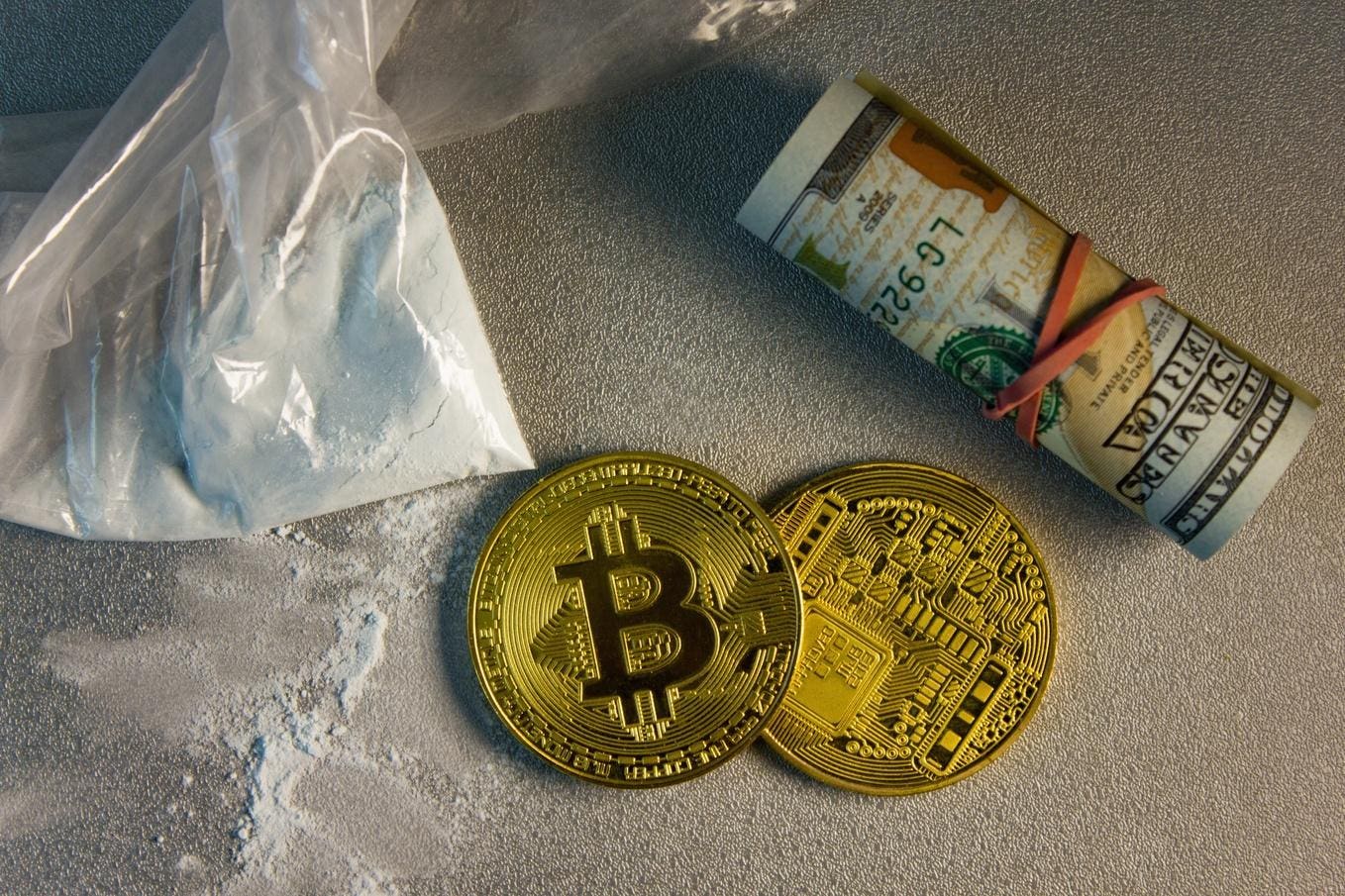
史上最强交易员:美国缉毒局如何靠「洗钱」,意外跑赢了华尔街

深潮2025-08-25 tarihinde yayınlandı2025-08-26 tarihinde güncellendi

美国司法部披露 DEA 探员在十年卧底行动中,不仅瓦解了跨国贩毒网络,还意外成为加密货币投资传奇。

撰文:Luke,火星财经

2025 年 8 月,当美国司法部的文件被公之于众时,华尔街最顶尖的交易员们或许都感受到了一种难以言喻的荒诞。在他们为了几个基点的收益而彻夜不眠时,一群隐藏在暗影中的美国缉毒局(DEA)探员,在长达十年的卧底生涯中,不仅瓦解了一个庞大的贩毒网络,还顺手完成了一次堪称传奇的加密货币投资,回报率高达 1000%。

这个故事的开端,并非在窗明几净的交易大厅,而是在哥伦比亚潮湿的丛林和墨西哥边境尘土飞扬的街道。它关于欺骗、危险与忠诚,更关于一个古老行业在面对颠覆性新技术时,所产生的奇妙化学反应。这不是电影剧本,而是一出现实版的「无间道」,主角们不仅要与亡命之徒斗智斗勇,还要在不经意间,成为比罪犯更懂行的洗钱专家,以及——史上最成功的比特币投资者之一。

十年潜伏:当猎人伪装成猎物

故事始于十多年前。面对日益狡猾、金融手段愈发复杂的跨国贩毒集团,DEA 意识到,传统的抓捕和渗透方式已经收效甚微。这些现代犯罪组织的核心,不再仅仅是武装力量,更是其背后那个庞大、高效、能将黑钱瞬间「洗白」的金融网络。要摧毁帝国,必须先占领它的国库。

于是,一项代号隐秘、极其大胆的卧底计划应运而生。DEA 决定「师夷长技以制夷」——他们要亲自组建一个伪装的、专业的、甚至比真实犯罪组织更可信的洗钱团队,直接打入贩毒集团的金融心脏。

这群被选中的探员,从此过上了双面人生。白天,他们是联邦雇员;夜晚,他们化身为精通全球金融体系、行事隐秘的「地下钱庄庄主」。他们的「客户」,是哥伦比亚和墨西哥最臭名昭著的贩毒集团。他们的「业务」,是接收街头交易得来的、塞满行李箱的成捆现金,然后通过一个由空壳公司、离岸账户和复杂金融衍生品构成的迷宫,将这些沾满罪恶的钱变得「干净」,再汇入毒枭指定的账户。

这是一场终极的角色扮演游戏,赌注是生命。每一个环节都必须天衣无缝。想象一下这样的场景:在波哥大一间安保严密的酒店套房里,DEA 探员正与一名贩毒集团的财务头目会面。空气中弥漫着雪茄和不信任的气味。探员必须用最专业的术语,解释一个复杂的离岸信托结构为何能躲避监管,他的语速、眼神,甚至是不经意间抖动的手指,都可能成为对方判断其身份的依据。任何一丝犹豫,都可能引来杀身之祸。

在长达十年的时间里,这个由探员组成的「洗钱组织」处理了至少 1900 万美元的毒资。他们用极致的专业精神,成功赢得了贩毒集团的「完全信任」。毒枭们甚至会向同行炫耀自己找到了全美最可靠的「金融服务商」,却不知道这位服务商的工资,正是由美国纳税人支付的。

2018,一次「与时俱进」的豪赌

时间来到 2018 年。对于加密世界而言,这是「大幻灭」的一年。比特币在经历了 2017 年的疯狂牛市后,价格从近两万美元的高点一路雪崩,市场哀鸿遍野。然而,在普通投资者恐慌离场时,嗅觉敏锐的犯罪分子却看到了它在匿名、去中心化交易中的巨大潜力。加密货币,正迅速成为洗钱领域的「新宠」。

这个变化,DEA 的卧底团队敏锐地捕捉到了。为了让自己的「专业」形象看起来更逼真、更与时俱进,他们知道,必须将这项最前沿的工具纳入自己的「洗钱工具箱」。如果连比特币都不知道,还怎么好意思自称是顶级的洗钱专家?

这个决定在当时无疑是一场豪赌。对于一个严谨的政府机构而言,使用一种不受监管、价格波动剧烈的新兴资产来执行公务,风险极高。但更大的风险在于,如果他们的「业务能力」落后于真正的罪犯,那么过去数年建立起来的信任将瞬间崩塌,整个卧底行动也将功亏一篑。

最终,他们决定冒险。在一笔交易中,卧底团队将一笔 15 万美元的毒资,通过主流的 Coinbase 交易所,兑换成了超过 13 枚比特币。在当时,这只是一次模仿犯罪手法的常规操作,是为了让戏演得更真,让鱼儿更快上钩。探员们在按下交易按钮时,心里想的或许是如何向「客户」汇报这次操作的「安全性」和「高效性」,他们可能从未想过,这个为了取证而创建的加密钱包,将在未来几年里发生核弹级的价值裂变。

意外的收获:当执法变成最佳投资

时间快进到今天。经过十年的精心布局,DEA 已经掌握了贩毒集团网络的核心证据链,决定正式收网。当两名核心毒贩被逮捕并告上法庭时,检察官办公室开始整理这些年来的所有证物。其中,就包括那个在 2018 年创建的、存有 13 枚比特币的加密账户。

当一名财务分析师调出这个账户的当前余额时,办公室里出现了片刻的寂静。所有人都惊呆了。

由于加密市场在随后几年经历了新一轮的疯狂牛市,当年那笔不起眼的、价值 15 万美元的资产,如今的市值已经超过了 150 万美元。一笔为了办案而准备的「道具」,阴差阳错地成了一次回报率高达 1000% 的「价值投资」。

这个结果充满了黑色幽默。在全球顶级的投资机构和华尔街精英们,还在为市场的剧烈波动而焦虑万分、苦心研究 K 线图和宏观经济数据时,美国缉毒局,凭借着打击犯罪的「副业」,兵不血刃地跑赢了几乎所有人。这或许是史上最离奇的投资案例:成功的秘诀,不是精准的市场分析,而是对犯罪手法的精准模仿。

甜蜜的烦恼:一枚比特币的司法难题

如今,随着案件进入司法程序,这笔「飞来横财」也给美国司法部带来了一个甜蜜的烦恼。根据法律,执法机构在行动中缴获的非法所得理应上缴国库。但这笔钱的性质却极为特殊:它的本金是毒资,但其增值的 90% 以上,却来自于市场行为。这究竟应该算作「非法所得」,还是一笔合法的「政府投资收益」?

这起案件留下了一个极具讽刺意味的结尾,也提出了一个深刻的时代命题。在一群最坚定的执法者身上,我们看到了一个悖论:为了将罪犯绳之以法,他们不得不让自己成为最懂行的「罪犯」,并在这个过程中,意外地证明了自己无与伦比的「投资天赋」。

这个故事告诉我们,现实往往比小说更荒诞。在一个技术飞速迭代的时代,正义与邪恶的边界有时会以意想不到的方式模糊。或许下一次,当有人问起史上最成功的比特币交易员是谁时,答案可能不是某个神秘的巨鲸或者华尔街奇才,而是那个曾经隐藏在哥伦比亚丛林深处,一边与毒贩虚与委蛇,一边冷静下单的 DEA 探员。

İlgili Okumalar

Six Complaints from an Ethereum Developer

A disgruntled early Ethereum developer and token holder presents six core criticisms of the project's trajectory, contrasting it with Solana's rise. 1. **Premature Complacency**: The Ethereum Foundation shifted from a "building" to an "infrastructure" mindset too soon, adopting a passive, "retired chairman" posture before securing market dominance, reflected in ETH's ~65% decline against BTC post-Merge. 2. **Misguided Messaging**: The Merge was marketed primarily on ESG (99.95% energy reduction) rather than user benefits like speed or yield, appealing to internal ideals instead of market demands. 3. **Delayed Execution**: Proof-of-Stake, on the roadmap since 2015, took seven years to launch, ceding critical narrative and development windows. Competitors like Solana built entire ecosystems in that time. 4. **Poor Native Staking UX**: Years after the Merge, there is still no first-party, user-friendly staking application, forcing reliance on centralized services like Lido and undermining ETH's "sound money" narrative. 5. **Managed Decline**: The rollup-centric roadmap deliberately weakens the base layer's fee capture, outsourcing value and profitability to L2s like Arbitrum and Base, which issue their own tokens and fragment capital. 6. **Ideology Over Product**: Ethereum culture prioritizes philosophical purity ("credible neutrality," "public goods") over competitive product delivery that meets user demands (e.g., financialization), while Solana's ecosystem focuses on coordinated execution. The diagnosis is accumulated execution debt, not a coordination failure. Ethereum possessed a structural advantage in 2021 but spent years in governance debates, while Solana efficiently executed. The current market cap reflects these specific strategic failures, not abstract theory.

marsbit1 saat önce

Six Complaints from an Ethereum Developer

marsbit1 saat önce

Six Complaints from an Ethereum Developer

Six Grievances from an Ethereum Developer The author, an early investor and developer still building on Ethereum, expresses deep frustration with its trajectory and declining ETH/BTC price since the merge. The core argument is that Ethereum's current market position stems from concrete failures in execution and strategy, not abstract coordination problems. The first grievance targets a shift in the Ethereum Foundation's mentality from builders to "infrastructure," adopting a premature posture of a retired victor. Second, marketing the Merge around ESG (99.95% energy reduction) is seen as talking to its own conscience rather than the market, which prioritizes user experience and yield. Third, the seven-year delay in delivering Proof-of-Stake (PoS) ceded critical narrative and development time to competitors like Solana. Fourth, three years post-merge, there is still no user-friendly first-party staking application, forcing reliance on centralized services like Lido and undermining ETH's monetary narrative. Fifth, the rollup-centric roadmap has strategically surrendered base-layer fee capture to L2s, fragmenting value within the ecosystem while Solana demonstrates an integrated L1's value accrual. Finally, the author criticizes an institutional culture that prioritizes philosophical ideals (credible neutrality, pluralism) over competitive product delivery focused on what users actually want. The diagnosis is "accumulated execution debt." Ethereum possessed a structural advantage in 2021 but spent years in governance debates, while Solana's ecosystem coordinated efficiently to deliver and capture the next wave of value. The conclusion is that Ethereum's market cap reflects its abandonment of the fight for asset appreciation.

链捕手1 saat önce

Six Complaints from an Ethereum Developer

链捕手1 saat önce

Token Budget Wars: Enterprise AI Enters the 'Accounting Era'

Token Budget Wars: Enterprise AI Enters the "Accounting Era" Enterprise AI is shifting from the question of "whether to adopt" to "how to account for it." As AI inference costs evolve from experimental budgets into ongoing operational expenses, CEOs and CFOs are demanding proof of value: what tangible results does each dollar spent on tokens deliver? The core of "Token Budget Wars" is not simply about reducing AI bills, but about intelligently allocating compute resources. It involves determining which business processes warrant more computational power, which tasks can use cheaper models, which can be outsourced or handled manually, and which are merely inefficient consumption. A key insight is that AI usage (token consumption) does not equal value. While SaaS usage indicated software adoption, AI token usage only indicates the "meter is running." The same workflow can cost vastly different amounts due to factors like prompt quality, context, model choice, and retries. The critical metric for scaling is "marginal token utility"—the business value created per additional dollar of inference cost. However, this is difficult to measure due to challenges like the long tail of retries, context inflation (where costs can scale quadratically with context length), and inefficient model routing (defaulting to the most powerful model for all tasks). The competition for token allocation is intensifying because, in the AI era, influence is tied to how much intelligence one can command, not just team size. AI spending is essentially competing with labor costs, whether for replacing external BPOs, internal staff, or generating new revenue. BPO contracts provide a clearer benchmark as they are priced per completed unit. The missing layer is attribution from tokens to business outcomes. Companies need a system that connects inference spending to completed work and results, capturing the agent's decision trajectory—what it saw, retrieved, tried, and why it succeeded or failed. This recorded rationale becomes a valuable asset. Ultimately, those who master token-to-outcome attribution will control the allocation of AI resources within enterprises, deciding which workflows get more compute, which are capped, or which revert to humans. The first phase of enterprise AI proved models could do the work. The next phase will determine how much of that work is worth paying for.

marsbit1 saat önce

Token Budget Wars: Enterprise AI Enters the 'Accounting Era'

marsbit1 saat önce

İşlemler

Spot
Futures
活动图片