30-Day Doubling, 15-Fold Year-to-Date Gain: Why is the English-Speaking Crypto Community FOMOing Over $ZEC Again?

marsbit2026-05-09 tarihinde yayınlandı2026-05-09 tarihinde güncellendi

Özet

Over the past week, ZEC has surged back into the spotlight on English Crypto Twitter, driven by endorsements from prominent figures like Naval, Arthur Hayes, and Mert Mumtaz, alongside a public "significant" position announcement from Multicoin Capital at Consensus Miami. The price has skyrocketed, with ZEC gaining over 110% in 30 days and 1500% year-to-date, now ranking among the top 20 cryptocurrencies by market cap. The primary catalyst is a shifting investment thesis. Multicoin Capital's Tushar Jain argues that while Bitcoin resists censorship, its transparent ledger leaves holdings vulnerable to potential wealth confiscation via taxation. Zcash's shielded pool, using zk-proofs to obscure transaction details, is positioned as "insurance against Bitcoin" for true financial privacy. Arthur Hayes has set a long-term price target of 10% of Bitcoin's value. Further momentum comes from technical developments announced at Consensus, including a roadmap for quantum-recoverable wallets and full post-quantum security within 12-18 months. Institutional adoption signals are growing, with a Grayscale ETF application pending, Robinhood listing ZEC, and Foundry launching a mining pool. However, a critical caveat is the recent departure of the entire original Zcash development team (ECC) due to governance conflicts, leaving the project's future development uncertain. While narrative and institutional interest are clearly fueling the current rally, distinguishing between genuine adopti...

Author: Curry, Deep Tide TechFlow

If you've been browsing English Crypto Twitter lately, you've likely seen ZEC all over the screen.

Names like Naval, Arthur Hayes, Mert Mumtaz, Balaji, and Cobie are popping up repeatedly around the same topic. Coupled with Multicoin Capital's public announcement of a significant position and multiple privacy-focused panels at Consensus Miami, ZEC's social media buzz over the past week has reached its highest point since the rally at the end of 2025.

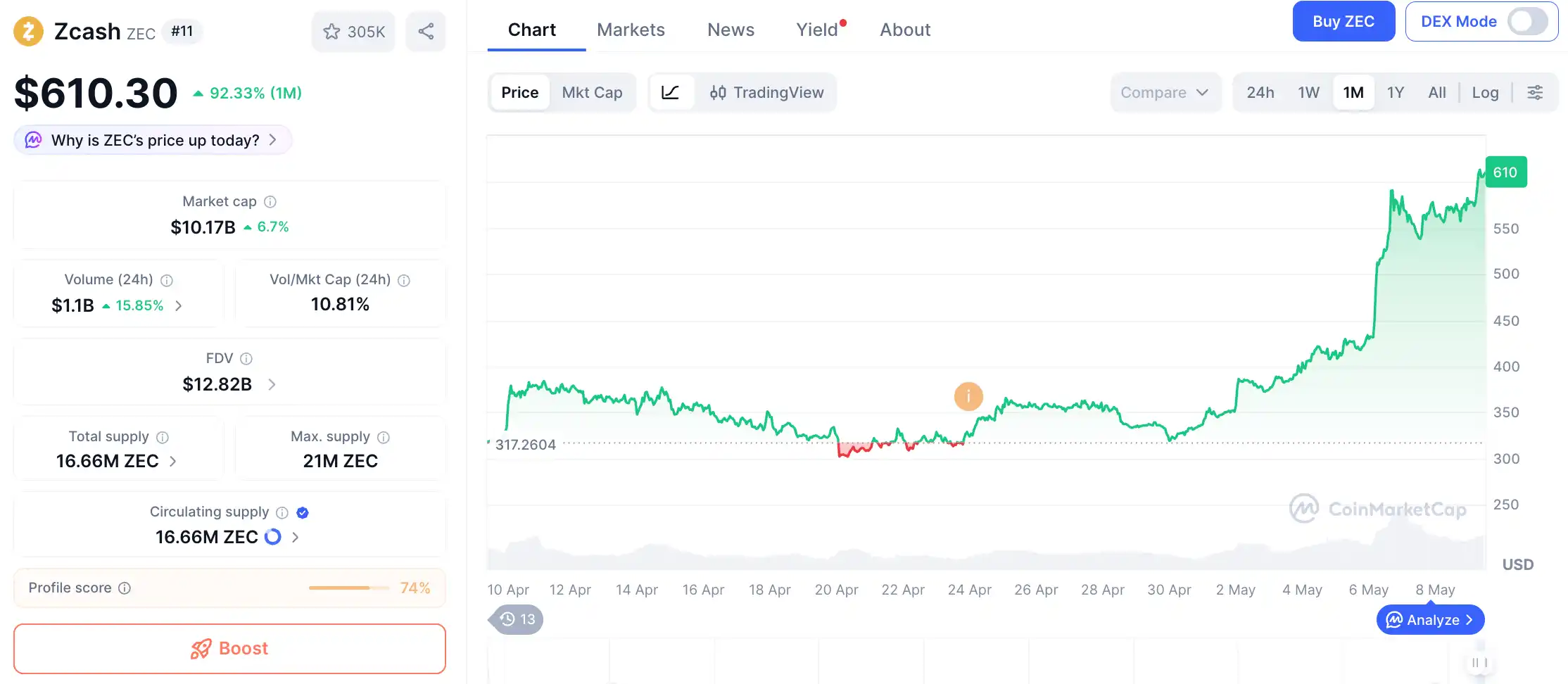
The price has already run ahead of the narrative. At the time of writing, ZEC is trading around $580, with gains exceeding 110% over the past 30 days and cumulative year-to-date gains surpassing 1500%. Its market cap has exceeded $9.5 billion, overtaking the veteran privacy coin Monero (XMR) and climbing into the top 20 on CoinGecko.

On May 6th, ZEC surged nearly 30% in a single day, triggering over $62 million in short liquidations, with shorts accounting for $46.7 million of that.

So the question is: What's driving this wave?
Multicoin's Heavy Position: "Bitcoin is Censorship-Resistant, But It Can't Stop a Wealth Tax"

The most direct catalyst came from Multicoin Capital.

On May 6th, Multicoin Capital co-founder and managing partner Tushar Jain publicly stated during a panel at Consensus Miami that the firm had built a "significant position" starting in February. He didn't disclose the specific size but provided a clear investment logic framework.

In a subsequent long post on X, Jain wrote: "Bitcoin is censorship-resistant; nobody can freeze your BTC or stop you from using it. But it does not stop governments from confiscating known holdings via a wealth tax."

His direct evidence is California's Initiative 25-0024 proposal, which aims to impose a one-time 5% wealth tax (including unrealized gains) on residents with a net worth exceeding $1 billion, expected to raise approximately $100 billion.

Jain's core thesis is: Bitcoin is insurance against fiat currency, but its on-chain balances are completely transparent; a tax agency with a blockchain explorer can see everything. ZEC's shielded pool, using zero-knowledge proof technology, hides the sender, receiver, and amount, making on-chain assets invisible to external observers.
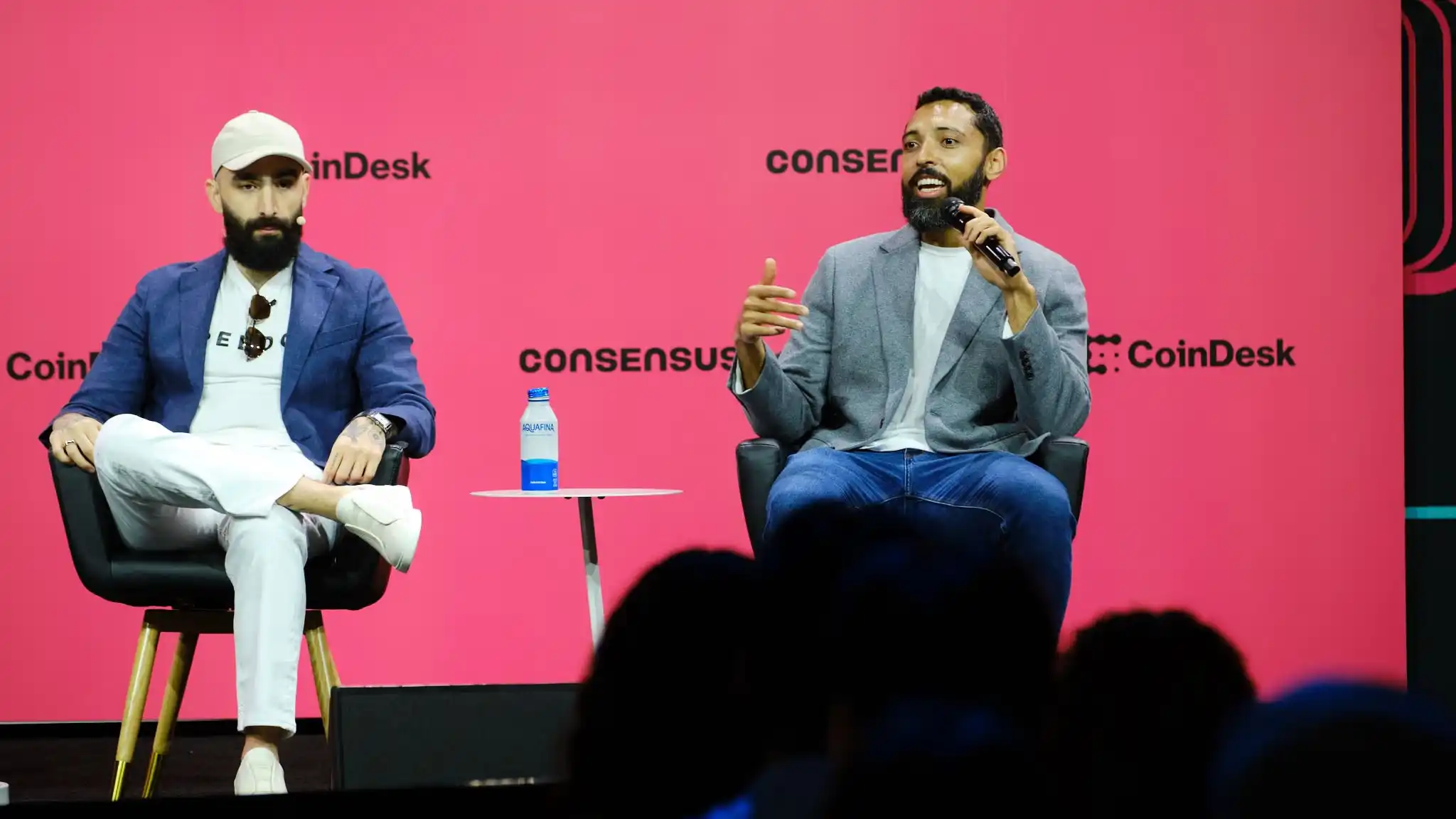
"We think there is clear product-market fit for truly private, censorship- and seizure-resistant assets, and demand is accelerating," Jain wrote, "Zcash is the cleanest way to express this thesis in public markets."

This represents a clear shift in stance for Multicoin.

In 2019, the fund published an article arguing that "privacy is a feature of valuable cryptocurrencies, not a standalone product," suggesting users shouldn't sell BTC or ETH to buy ZEC just for privacy.

Seven years later, this public statement looks like they are betting real money to overturn their past conclusion.

KOLs Rally, Arthur Hayes Calls for "10% of BTC's Price"

The seeds for this ZEC narrative were actually planted in the second half of 2025.

BitMEX co-founder Arthur Hayes, AngelList co-founder Naval Ravikant (also an early Zcash investor), Helius founder Mert Mumtaz, along with other top crypto KOLs like Balaji Srinivasan and Cobie, began voicing strong support for ZEC intensively starting last fall.

Naval tweeted in October last year: "Bitcoin is insurance against fiat. Zcash is insurance against Bitcoin."

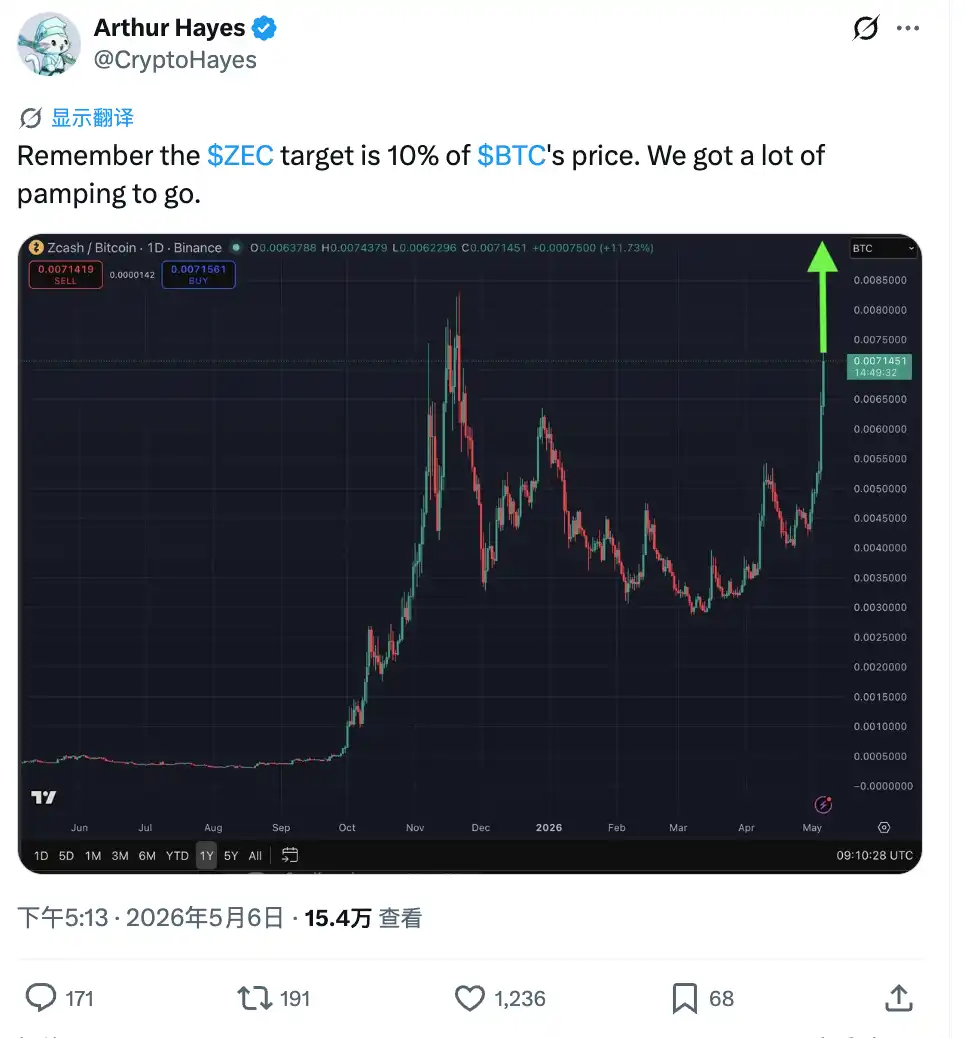
Hayes's stance was more aggressive. At Consensus 2026, he bluntly stated ZEC's long-term target price should be "10% of Bitcoin's price." Based on BTC's current price of around $80,000, this implies a target of approximately $8,000 for ZEC, representing over 13x upside from the current price. Tyler Winklevoss also endorsed a thesis this week targeting $9,700 for ZEC based on capturing offshore wealth.

These calls themselves might not be reliable investment advice, but their concentrated emergence indicates one thing: the top capital and top voices in the English-speaking crypto space are simultaneously tilting towards the privacy sector.
The Quantum-Resistant Narrative at Consensus Miami

If Multicoin and the KOLs provided catalysts on the capital and narrative fronts, the release of the technical roadmap at Consensus Miami gave the market a fundamental story.

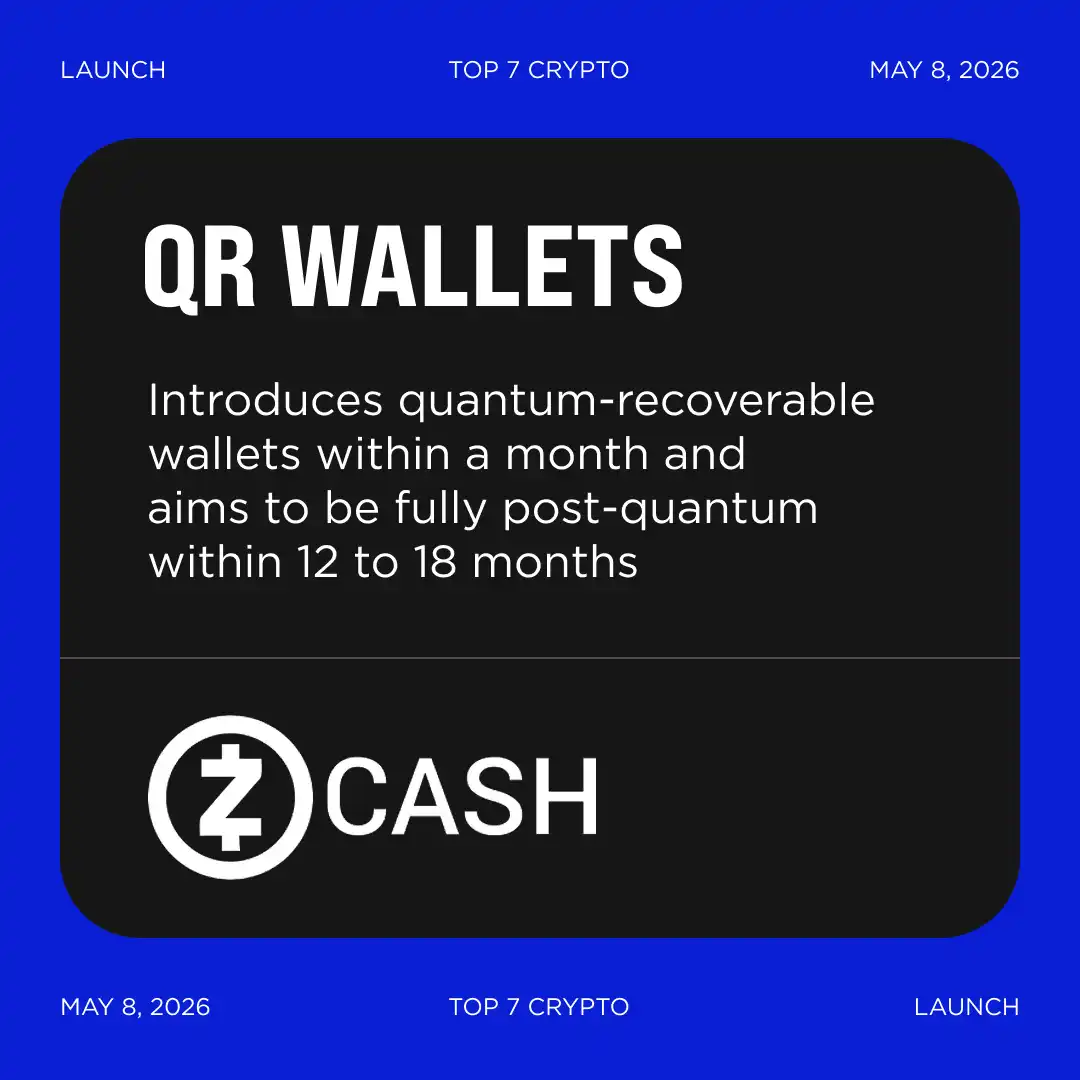
At a dedicated privacy panel on May 8th, Zcash Open Development Lab founder and CEO Josh Swihart announced that quantum-recoverable wallets will launch within a month, and Zcash plans to achieve full post-quantum security within 12 to 18 months.
The logic here is: the ECDSA signature algorithm used by most cryptocurrencies today will become vulnerable once quantum computing matures. A more dangerous scenario is the "harvest now, decrypt later" strategy, where adversaries record encrypted data now and decrypt it later when quantum hardware is available. For a privacy coin whose entire value proposition is built on the confidentiality of transaction data, this is an existential threat.

Swihart also disclosed that since the ECC wallet integrated Near Intents cross-chain swap functionality last October, $6-7 billion has flowed in and out through this channel, primarily swapping for dollars and USDC. Zcash's shielded pool currently holds about 30% of the circulating ZEC supply, the highest level in history.

Institutional Entry Signals: Grayscale ETF, Robinhood Listing, Foundry Mining

Beyond Multicoin's heavy position, ZEC is accumulating more institutional-level catalysts.

Grayscale has filed for a ZEC spot ETF, still awaiting an SEC ruling. Grayscale has previously stated publicly that ZEC's upside potential is closely tied to the "repricing of financial privacy in an AI-driven world."

Robinhood recently listed ZEC for trading, opening up a retail gateway. Foundry (under Digital Currency Group) announced the launch of large-scale ZEC mining pool operations. This is the second asset supported by the company after Bitcoin, adding credibility to ZEC's mining security and institutional acceptance.

On the on-chain data front, Santiment data shows retail investor interest in privacy coins is rising, driven by tighter exchange compliance rules and growing data tracking concerns. In a March report, CoinDesk Research stated that Zcash has reached a "encryption supremacy" tipping point, driven by the convergence of three forces: AI tools can de-anonymize users on transparent blockchains by tracking transaction patterns, the threat of quantum computing to current crypto wallet security is becoming more real, and quarterly trading volume has surpassed $100 billion.

However, The Team That Built Zcash Has All Left

The catalysts above paint a bullish picture, but one fact shouldn't be ignored: the core team that built Zcash is gone.

In January of this year, Electric Coin Company (ECC) CEO Josh Swihart and the entire ECC team resigned collectively, citing governance conflicts with the Bootstrap Project board and characterizing the departure as "constructive discharge." ECC was the core organization that created and maintained Zcash. The team's departure means the chain is now operating without its original engineering team.

Therefore, what's more apparent with ZEC currently is that the narrative hype is far outpacing the fundamentals. KOL calls, fund heavy positions, consecutive Consensus panels—these are stories of capital and attention, but on-chain public transaction volume hasn't grown much.

Because transactions in the shielded pool are, by design, invisible, you can't use on-chain data to distinguish between "real adoption" and "speculative capital sitting idle."

But lacking fundamentals is the norm for most coins. In this wave of "old guard coin" revival, ZEC is undoubtedly one of the brightest stars, but it likely won't be the last.


Trend Kriptolar

İlgili Sorular

QAccording to the article, what is the main reason behind Multicoin Capital's significant investment in ZEC?

AMulticoin Capital's main investment thesis is that while Bitcoin resists censorship, it does not protect against government confiscation via mechanisms like wealth taxes on transparent holdings. They believe ZEC, with its shielded pool using zero-knowledge proofs, offers a truly private, censorship-resistant, and confiscation-resistant asset, which they see as having clear product-market fit with accelerating demand.

QWhat ambitious price target for ZEC was mentioned by BitMEX co-founder Arthur Hayes?

AArthur Hayes stated that the long-term price target for ZEC should be "10% of Bitcoin's price." With Bitcoin around $80,000, this would imply a ZEC target price of approximately $8,000.

QWhat key technical development for ZEC was announced at Consensus Miami?

AAt Consensus Miami, it was announced that quantum-recoverable wallets for ZEC will launch within a month, with the goal of achieving full post-quantum security for the Zcash network within 12 to 18 months to address the threat posed by future quantum computers.

QWhat major organizational change has recently occurred concerning Zcash's core development team?

AThe entire team of the Electric Coin Company (ECC), the core organization that created and maintained Zcash, including its CEO Josh Swihart, resigned in January. This departure was due to governance conflicts with the Bootstrap Project board, leaving the chain to operate without its original engineering team.

QBesides Multicoin Capital's investment, what are two other institutional-level catalysts mentioned for ZEC?

ATwo other institutional catalysts mentioned are: 1) Grayscale has filed for a ZEC spot ETF, which is pending SEC approval, and 2) Robinhood has listed ZEC for trading, providing a major retail access point.

İlgili Okumalar

After Three Consecutive Quarters of Decline, Can the Crypto Market Find a Window for Stabilization in Q3?

The cryptocurrency market has just concluded its worst-performing quarter since 2022, with total capitalization dropping 12.6% to $2.1 trillion. All core metrics indicate capital is leaving the sector, not just rotating within it. Bitcoin fell 14.2% and Ethereum dropped 25.4% in Q2, breaking their previous correlation with US tech stocks. A key driver is the reversal in US spot Bitcoin ETF flows, which saw a net outflow of approximately $4.67 billion in Q2, including a record monthly outflow near $4.5 billion in June. While recent data suggests long-term holders are accumulating again, sustained ETF outflows mean continued selling pressure. Market focus is now singularly on the Federal Reserve. The upcoming July FOMC meeting is seen as the most critical event for Q3. A dovish signal could support Bitcoin reclaiming a $68,000-$84,000 range, while a hawkish stance might establish a new trading band around $50,000-$56,000. Additionally, regulatory uncertainty persists, with the progress of the crucial *CLARITY Act* stalling in the Senate, reducing its perceived 2026 passage probability to 40-45%. Despite the broad downturn, a few sectors showed growth. Prediction markets saw nominal volume surge 48.7% year-over-year to $113.8 billion, and tokenized collectibles transaction volume rose 143% quarterly to $1.4 billion. The Real-World Asset (RWA) tokenization sector also continued steady growth, now representing ~$28.1 billion in on-chain value. The market's foundation for an extreme crash appears limited, with Bitcoin price hovering near its 200-week moving average. However, the trading paradigm has shifted from narrative-driven speculation to decisions based on price action, policy developments, and interest rate expectations, making a broad sentiment-driven rally unlikely in the near term.

marsbit1 saat önce

After Three Consecutive Quarters of Decline, Can the Crypto Market Find a Window for Stabilization in Q3?

marsbit1 saat önce

BIT Trading Moment: BTC Still Suppressed by Weekly 200 EMA, Rejection May Restart Decline; Storage and Semiconductors that Surged Last Night Begin Falling in Evening Trading

**Crypto & Stock Market Wrap: Bitcoin Tests Resistance, Stocks Retreat After AI Surge** Bitcoin consolidates around $66,000, facing key resistance near $68,000—an area seen as a major psychological and technical hurdle where previous rallies have failed. Analysts note the cryptocurrency is caught between its 200-week moving average (~$63,333) and 200-week EMA (~$68,328). A clear break above $68k is needed to signal a stronger bullish trend, while a rejection could lead to a retest of $63k support. Market sentiment remains cautious, with low futures open interest pointing to a low-liquidity rebound rather than a full bull market. Bitcoin spot ETFs saw another $203 million inflow. US stock futures pointed lower after a strong Tuesday session led by a massive rebound in semiconductors and memory stocks. The rally was fueled by renewed optimism about AI-driven hardware demand, with Micron, SanDisk, and SK Hynix surging. However, those gains reversed in pre-market trading. Super Micro Computer (SMCI) soared over 20% after hours on strong guidance and a record backlog. Other standouts included Rocket Lab and nuclear energy plays Oklo and X-Energy. Rising oil prices (Brent above $91) and climbing Treasury yields (10-year near 4.64%), however, are reigniting inflation concerns and acting as a headwind for equities. In Asia, markets were mixed. South Korea's KOSPI pared early gains to close slightly higher as semiconductor stocks like SK Hynix gave back initial surges. Japan's Nikkei edged lower as the yen hit a fresh 38-year low against the dollar, raising fears of potential market intervention. Key events to watch include the Samsung Galaxy launch, AMD's AI event, and a slew of major tech earnings from Alphabet, Tesla, and IBM after the close on Wednesday, followed by the ECB meeting and Intel's earnings on Thursday.

marsbit1 saat önce

BIT Trading Moment: BTC Still Suppressed by Weekly 200 EMA, Rejection May Restart Decline; Storage and Semiconductors that Surged Last Night Begin Falling in Evening Trading

marsbit1 saat önce

Former CFTC Chairman, Circle President Tarbert: Preaching Long-Termism While Cashing Out $30 Million Himself

Former CFTC Chairman and Circle President Heath Tarbert has consistently advocated for a long-term vision in public, urging patience from investors as Circle’s stock price has fallen significantly from its peak. However, it has been revealed that since Circle’s IPO, Tarbert has continuously sold his CRCL shares through pre-arranged trading plans, cashing out approximately $30 million, without making any public market purchases. This contrast between his public messaging and personal actions has drawn criticism. Tarbert joined Circle in July 2023 as Chief Legal Officer, leveraging his regulatory experience to help guide the company through its IPO and expansion. Despite promoting stablecoins as long-term infrastructure, he established a 10b5-1 trading plan just before Circle went public, leading to substantial stock sales over the following year. In March 2026, he initiated another plan to sell more shares. His career trajectory highlights a pattern of moving between high-level regulatory roles and influential positions in the financial sector. After resigning as CFTC Chairman in early 2021, he joined Citadel Securities as Chief Legal Officer just 27 days later, during a period of intense regulatory scrutiny for the firm. He later joined Circle, aiding its efforts to navigate regulatory challenges for its public listing. While Tarbert's expertise in policy and compliance is valuable to companies like Circle, his actions—advocating long-term confidence while personally divesting—raise questions about the alignment between his public statements and his private financial decisions, leaving investors who followed his advice to bear the market risks.

marsbit2 saat önce

Former CFTC Chairman, Circle President Tarbert: Preaching Long-Termism While Cashing Out $30 Million Himself

marsbit2 saat önce

Gate Research Institute: The 'Wall Street-ization' Wave of Crypto Financial Products – Competition or Integration?

The article titled "Gate Research Institute: Are Crypto Financial Products Sparking a 'Wall Street' Wave—Competition or Convergence?" explores the evolving relationship between the crypto ecosystem and traditional finance (TradFi). The piece begins by reflecting on Bitcoin's original 2009 vision of decentralization, disintermediation, and moving away from banks. It then contrasts this with the 2024 landscape, where key crypto assets like Bitcoin are increasingly held through Wall Street products like ETFs issued by giants like BlackRock. The article questions whether this signifies that TradFi is systematically taking over the rights to issue, price, custody, and distribute crypto financial assets. The core argument is that this is not a zero-sum takeover but rather a bidirectional convergence where each side addresses the other's weaknesses. Crypto offers 24/7 global markets, programmable settlement, and open access but lacks compliant channels, institutional-grade custody, deep fiat liquidity, and mainstream distribution. TradFi possesses these but is constrained by legacy systems, limited operating hours, and slow settlement. Two primary convergence paths are highlighted: * **Path A (CEX to TradFi):** Exemplified by Gate, which has progressed from offering tokenized stocks and CFDs to providing direct, real stock trading (US, Hong Kong, South Korea) within its platform, using USDT. * **Path B (TradFi to Crypto):** Exemplified by Robinhood, which has integrated crypto trading, acquired exchanges like Bitstamp, and is moving traditional assets like stocks onto the blockchain via tokenization and its own Layer 2. Both paths are ultimately competing to become the next-generation, unified financial account—a "super account" where users can seamlessly trade cryptocurrencies, stocks, ETFs, RWA (Real World Assets), and tokenized treasury products in one interface. The growth of RWA and tokenized treasuries (e.g., BlackRock's BUIDL) is presented as the asset-layer fusion, providing stable, yield-bearing assets on-chain and acting as a bridge between the two worlds. In conclusion, the "Wall Street-ization" of crypto is framed as a mutual transformation. Decentralized ideals persist in the protocol layer, while at the application layer, a more efficient, global, and accessible unified capital market is emerging from this convergence. The future competition lies not between crypto exchanges and stockbrokers, but between platforms vying to offer the most comprehensive asset coverage, liquidity, and user experience within a single account.

marsbit2 saat önce

Gate Research Institute: The 'Wall Street-ization' Wave of Crypto Financial Products – Competition or Integration?

marsbit2 saat önce

İşlemler

Spot

Popüler Makaleler

ZEC Nasıl Satın Alınır

HTX.com’a hoş geldiniz! Zcash (ZEC) satın alma işlemlerini basit ve kullanışlı bir hâle getirdik. Adım adım açıkladığımız rehberimizi takip ederek kripto yolculuğunuza başlayın. 1. Adım: HTX Hesabınızı OluşturunHTX'te ücretsiz bir hesap açmak için e-posta adresinizi veya telefon numaranızı kullanın. Sorunsuzca kaydolun ve tüm özelliklerin kilidini açın. Hesabımı Aç2. Adım: Kripto Satın Al Bölümüne Gidin ve Ödeme Yönteminizi SeçinKredi/Banka Kartı: Visa veya Mastercard'ınızı kullanarak anında Zcash (ZEC) satın alın.Bakiye: Sorunsuz bir şekilde işlem yapmak için HTX hesap bakiyenizdeki fonları kullanın.Üçüncü Taraflar: Kullanımı kolaylaştırmak için Google Pay ve Apple Pay gibi popüler ödeme yöntemlerini ekledik.P2P: HTX'teki diğer kullanıcılarla doğrudan işlem yapın.Borsa Dışı (OTC): Yatırımcılar için kişiye özel hizmetler ve rekabetçi döviz kurları sunuyoruz.3. Adım: Zcash (ZEC) Varlıklarınızı SaklayınZcash (ZEC) satın aldıktan sonra HTX hesabınızda saklayın. Alternatif olarak, blok zinciri transferi yoluyla başka bir yere gönderebilir veya diğer kripto para birimlerini takas etmek için kullanabilirsiniz.4. Adım: Zcash (ZEC) Varlıklarınızla İşlem YapınHTX'in spot piyasasında Zcash (ZEC) ile kolayca işlemler yapın.Hesabınıza erişin, işlem çiftinizi seçin, işlemlerinizi gerçekleştirin ve gerçek zamanlı olarak izleyin. Hem yeni başlayanlar hem de deneyimli yatırımcılar için kullanıcı dostu bir deneyim sunuyoruz.

628 Toplam GörüntülenmeYayınlanma 2024.12.12Güncellenme 2026.06.02

ZEC Nasıl Satın Alınır

Tartışmalar

HTX Topluluğuna hoş geldiniz. Burada, en son platform gelişmeleri hakkında bilgi sahibi olabilir ve profesyonel piyasa görüşlerine erişebilirsiniz. Kullanıcıların ZEC (ZEC) fiyatı hakkındaki görüşleri aşağıda sunulmaktadır.

活动图片












