Uniswap 的“法律护甲”:DUNA 架构如何为费率开关与百亿估值铺路

marsbit2025-08-11 tarihinde yayınlandı2025-08-12 tarihinde güncellendi

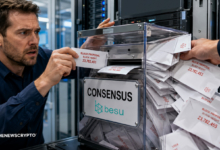
在监管与创新的长期博弈中,Uniswap 迈出了颠覆性的一步。2025 年 8 月 11 日,Uniswap 基金会正式向社区提交提案,建议将去中心化自治组织(DAO)注册为怀俄明州的 ​​“去中心化未合并非营利协会”​​(DUNA),并成立名为 ​​DUNI​​ 的新法律实体。若提案通过,这将是全球首个采用该框架的大型 DAO,不仅为 Uniswap 治理披上“法律护甲”,更可能激活尘封多年的 ​​“费率开关”​​(fee switch)——这一机制将把部分交易手续费导入 DAO 国库,彻底改变 UNI 代币的价值捕获逻辑。

一、DUNA:DAO 的“法律身份证”与风险防护盾

去中心化自治组织虽以链上投票为核心理念,但在现实法律框架中始终处于尴尬境地:​​缺乏法人身份​​使其无法签署合同、开设银行账户或应对诉讼,成员甚至需为 DAO 的债务或法律风险承担个人责任。怀俄明州在 2024 年 3 月推出的 DUNA 法案,首次为非营利性 DAO 提供轻量化合规路径,成为全球区块链立法里程碑。

DUNA 的核心价值在于双重赋能:

  • ​​法律身份证​​:DUNI 实体可代表 DAO 雇佣律师、审计机构,处理税务申报(如支付历史欠款),并与监管机构直接沟通。
  • ​​风险防护盾​​:成员不再为 DAO 行为承担个人责任。例如,若 DAO 面临税务追缴或法律诉讼,仅 DUNI 实体资产会被追索,成员钱包安全无虞。

这一架构既不改变 Uniswap 协议代码或链上治理流程,也不影响 UNI 代币功能,却为 DAO 在现实世界的合规运营架设了桥梁。正如提案所述:“DUNI 是纯粹的功能性实体,旨在服务 Uniswap DAO 的日常需求。”


二、资金分配与执行机制:1650 万 UNI 的合规代价

为支撑 DUNI 实体运作,Uniswap 基金会计划分配 ​​1650 万美元等值的 UNI 代币​​,用途明确分为三部分:

  1. ​​历史税务清算​​:预计不足 1000 万美元,用于补缴过往可能存在的税务义务。
  2. ​​法律防御基金​​:预留资金应对未来潜在诉讼,呼应 2024 年 SEC 对 Uniswap 发出韦尔斯通知的监管风险。
  3. ​​合规服务支出​​:支付 7.5 万美元给怀俄明公司 Cowrie(DUNA 法案起草方之一),由其担任管理员处理税务申报与财报编制。

基金会将作为 ​​“执行代理人”​​(ministerial agent)主导实体运营,包括签署合同与聘用服务商。这种设计既满足法律合规需求,又避免过度中心化——所有重大决策仍需 DAO 投票通过。


三、费率开关:被合规枷锁禁锢的协议收入引擎

费率开关是 Uniswap 协议中预留的关键功能,允许将部分流动性提供者(LP)的交易手续费(如 0.3% 中的 0.05%)转入 DAO 国库。据 DefiLlama 统计,近一月 Uniswap 用户支付手续费超 ​​1.23 亿美元​​,若分流 1/6 至 DAO,年化收入可达 ​​2.4 亿美元​​。然而,该机制因两大障碍长期搁置:

  • ​​证券法风险​​:美国 SEC 曾指控 UNI 代币和 LP 代币可能被视为“投资合同”,直接分配收益恐触发证券违规。
  • ​​税务不确定性​​:DAO 收入如何计税长期处于灰色地带。

DUNA 架构被视为破局钥匙。怀俄明州法案明确 DUNA 实体不得向成员分红,但允许资金用于公共开支(如协议开发、生态激励)。这意味着费率开关激活后,资金将合法流入 DAO 国库,再通过治理投票用于提升协议价值,间接赋能 UNI 持有者。


四、治理权力平衡:去中心化理想与现实博弈

尽管 DUNA 提案标榜“不改变治理结构”,但 Uniswap 的权力集中问题仍引发争议:

  • ​​基金会主导权过大​​:美国众议员 Sean Casten 指出,Uniswap 基金会实际掌控提案议程,社区提案通过率远低于官方提案。2023 年费率开关提案撤回事件中,Paradigm 合伙人 Dan Robinson 指责基金会向风险投资机构(如 a16z)妥协,凸显资本对治理的隐性影响。
  • ​​效率与去中心化的两难​​:类似 LayerZero、Yuga Labs 等项目已选择适度集中权力以提升效率。Uniswap 的 DUNA 路径本质是在法律合规框架下寻求平衡——既需实体应对监管,又需保留链上投票的合法性。
费率开关

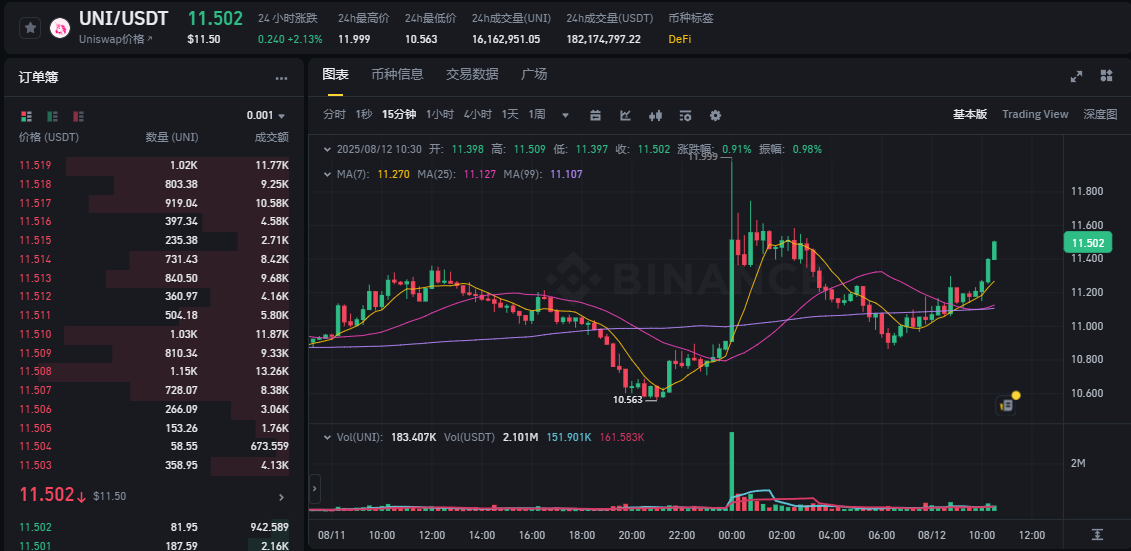
提案公布后,UNI 代币短线暴涨 ​​8%​​,市场对合规化与费率开关落地投下信任票。但代币价格较 2021 年历史高点 ​​44.97 美元​​仍下跌 ​​75.76%​​,反映协议收入长期无法捕获价值的困境。


五、行业拐点:Uniswap 的合规实验为何关乎 DeFi 未来

Uniswap 的 DUNA 提案若通过,将创造三大范式转移:

  1. ​​监管破冰​​:2025 年 2 月 SEC 终止对 Uniswap 调查后,美国加密政策转向宽松。众议院拟审议的《数字资产市场结构法案》进一步明确“非证券型代币”定义,DUNA 架构顺势成为合规最佳实践。
  2. ​​代币经济重生​​:除费率开关外,Unichain(Uniswap 基于 OP Stack 的 L2)已采用 UNI 作为验证者质押代币,65% 链收入分配给质押者。结合 DAO 国库的资金杠杆,UNI 将从治理符号升级为生息资产。
  3. ​​DAO 治理样板​​:作为 TVL 51.2 亿美元、月交易量 845 亿的 DeFi 龙头,Uniswap 的合规路径将为 MakerDAO、Aave 等协议提供关键参考。


结语:法律护甲下的价值觉醒

Uniswap 的 DUNA 提案是一场精密的法律工程,更是一次代币经济模型的自我救赎。通过怀俄明州的“法律护甲”,协议不仅规避了成员责任风险,更扫清了费率开关落地的最后障碍——将沉睡的协议收入转化为 DAO 国库的持续现金流。在 UNI 较历史高点仍跌逾 75% 的估值洼地中,这一机制有望成为价值觉醒的导火索。

然而,法律化亦是一把双刃剑。当 a16z 等资本方公开称赞 DUNA 是“DAO 的绿洲”时,社区不得不警惕治理权力的事实集中化。如何在合规框架下捍卫去中心化精神,将是 Uniswap 留给整个 DeFi 行业的终极命题。

8 月 18 日的初步投票,或许标志着去中心化治理从技术理想迈向法律现实的分水岭。这场实验的结果,将决定 Uniswap 是成为监管时代的牺牲品,还是打开百亿估值闸门的破局者。

İlgili Okumalar

Robotic GPT-3 Moment Shakes Silicon Valley: Zero Lines of Code, Learns Instantly, with Investments from Jensen Huang and Fei-Fei Li

Generalist AI's newly released robot foundation model GEN-1.5 is being hailed as the "GPT-3 moment" for embodied AI. The model demonstrates remarkable one-shot and few-shot learning capabilities in physical manipulation tasks. By watching a single 3-12 second demonstration video (physical prompting) without any training or code, the robot can attempt the task with a 59% average success rate across 10 tasks. With just 5 minutes of demonstration data and minimal fine-tuning (10 gradient steps), the success rate jumps to 83%. The most significant breakthrough is the emergence of spontaneous, improvisational problem-solving abilities not present in the training data. For instance, after learning to sweep blocks with a brush, the robot can adapt to use a banana similarly or switch to a completely new "scoop-and-pour" strategy when given a dustpan. Other emergent behaviors include removing obstacles, correcting errors, and spontaneously sorting objects. These capabilities stem from over 8 months of large-scale pre-training on physical interaction data, suggesting the existence of a Scaling Law for embodied intelligence—where model generalization improves with more data and training time. This approach drastically reduces the cost and expertise needed to teach robots new skills, potentially democratizing robot programming. The release coincides with a surge in the humanoid robotics sector, marked by events like the World Robot Conference and significant investments. While the demonstrated tasks are still relatively simple, the scaling trend and emergent behaviors point toward a future where general-purpose robot "brains" could be easily adapted to various hardware "bodies," reshaping the industry's competitive landscape.

marsbit32 dk önce

Robotic GPT-3 Moment Shakes Silicon Valley: Zero Lines of Code, Learns Instantly, with Investments from Jensen Huang and Fei-Fei Li

marsbit32 dk önce

Semiconductor Industry Sees a New Wave of Price Hikes, with STMicroelectronics, Maxscend and Others Increasing Prices Intensively

The semiconductor industry is experiencing a new wave of price increases driven by supply-demand dynamics and rising costs. Throughout August, multiple international and domestic semiconductor companies have issued price adjustment notices to clients, with a focus on analog and RF chips. Key companies adjusting prices include STMicroelectronics, which is implementing its third price hike in 2026 effective August 23, citing sustained demand pressure and rising costs across the supply chain. Analog Devices, Inc. (ADI) has also announced a second price increase for 2026, effective September 13, due to "unprecedented" demand growth and escalating manufacturing costs. In China, RF chip leader Zhuosheng Microelectronics issued a price adjustment notice for its full RF product line, effective September 1, its first hike this year, attributing it to rising raw material and foundry costs. Additionally, Chinese MCU manufacturer Nations Technologies announced a 10-20% price increase for some products from October 1. This new round of price hikes has shifted its focus to mature process nodes (e.g., analog, RF, power, MCUs), partly due to AI computing demand consuming 8-inch wafer capacity. This contrasts with the first half of 2026, when the surge was led by AI memory chips like HBM and server DRAM. Analysts note that the long lead time for expanding analog/power semiconductor capacity (18-24 months) may sustain price resilience in the short term. However, downstream manufacturers' cost tolerance and fluctuating global demand could become constraints, potentially limiting further significant price increases. Companies have linked the hikes to ensuring future supply stability by funding capacity expansion.

marsbit36 dk önce

Semiconductor Industry Sees a New Wave of Price Hikes, with STMicroelectronics, Maxscend and Others Increasing Prices Intensively

marsbit36 dk önce

İşlemler

Spot
活动图片