Koreans Pile Into Stablecoin Frenzy; CRCL Trading Tops, ENA Demand Jumps

TheCryptoTimes2025-08-11 tarihinde yayınlandı2025-08-11 tarihinde güncellendi

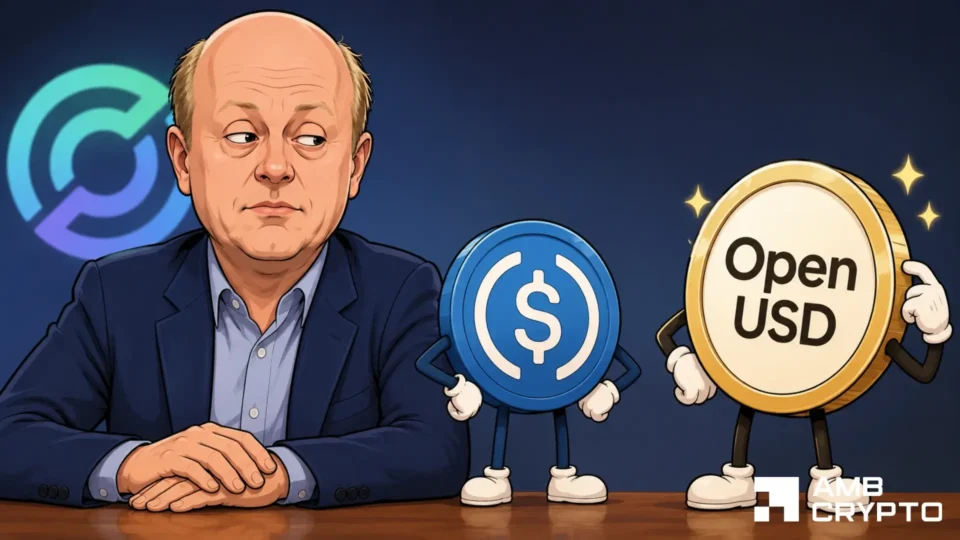
In South Korea, stablecoins and related tokens have been growing in demand very quickly. In June, Circle’s stock, known as CRCL, was the most traded foreign stock by Korean investors. At the same time, the native token of Ethena Labs, called ENA, saw a big increase in buying in the region .

As noted by the research analyst at Four Pillars, a Seoul-based web3 research and development firm, Korean investors bought about $443 million worth of Circle (CRCL) shares after it went live in June. 

Market watchers believe that the primary reason behind this frenzy is the recently passed GENIUS Act in the U.S. and increasing demand of stablecoins for DeFi trading, cross-border transactions, and the evolving fintech landscape. 

ENA and USDe’s Surging Demand in Korea

As stablecoin issuers are not paying interest to users under new rules under the GENIUS Act, they are looking for newer ways to earn yield on their stablecoins. This ban on yield payments is causing a major shift in the crypto market with stablecoins like USDe gaining traction. 

Ethena’s USDe stablecoin has swiftly surged to $10 billion in market cap with this latest demand. A prominent crypto trader Cas Abbé pointed out in a X post that the “reason behind this growth is GENIUS Act approval, which prohibits issuers from providing yields on stablecoins.”

As per CoinMarketCap data, USDe is now the third largest stablecoin by market cap with it reaching 10 billion in total supply faster than any other stablecoin. In the last 1 month, USDe made up 26% of all new stablecoin supply. 

Ethena, the DeFi protocol behind USDe stablecoin, also started a program called Stablecoin X. It raised over $360 million, with 260 million planned for buying back ENA tokens. This buyback equals around 6.7% of all ENA tokens.

This move has brought a strong bullish move to the ENA token price as it rose about over 140% in the last month as per market data. Now trading around $0.81 per token, ENA’s market cap has exceeded $5.4 billion.

Also Read: Arthur Hayes Adds $7.45M in ETH, Boosts DeFi Tokens Holdings


İlgili Okumalar

The Largest Upgrade Since The Merge? How Glamsterdam Will Affect Ethereum and Regular Users?

The upcoming Glamsterdam upgrade, scheduled for late 2026, is considered Ethereum's most significant change since The Merge. It focuses on fundamentally restructuring Ethereum's block production, transaction execution, and gas pricing to enable major scalability improvements while preserving decentralization. The upgrade centers on three key innovations: * **Enshrined PBS (ePBS)**: Moves the Proposer-Builder Separation mechanism into the protocol's core, eliminating reliance on external relays. This reorganizes the block pipeline, extending the time window for processing execution payloads, which is crucial for safely increasing block capacity. * **Block-Level Access Lists (BALs)**: Attaches a "map" to each block, declaring in advance which state data its transactions will access. This enables potential parallel transaction processing and faster node synchronization, breaking a key performance bottleneck. * **Gas Repricing**: Introduces a more accurate resource pricing model by separating computation costs from state storage costs. This discourages uncontrolled state growth by making operations that create permanent data (like new accounts) more accurately reflect their long-term network burden. Together, these changes aim to solve the core challenges of increasing Ethereum's throughput (e.g., raising the Gas Limit) without overburdening node hardware or increasing centralization risks. They prepare the infrastructure for higher capacity, targeting a credible post-upgrade capacity of up to 200 million Gas. For users, the impact will be nuanced: * General transaction fees may become lower and more stable as block space increases. * Simple transfers could see cost reductions, while state-intensive operations (like contract deployment) may become relatively more expensive due to the new gas model. * Gas fee estimations by wallets will become more accurate. * L2 networks could benefit long-term from increased data blob capacity. * Standardized logs for all ETH transfers (EIP-7708) will improve tracking for wallets and exchanges. Ultimately, Glamsterdam represents a foundational shift, not a simple block size increase. It seeks to expand Ethereum's capacity by re-engineering its underlying mechanics, maintaining its commitment to decentralization while enabling significant performance gains.

marsbit3 saat önce

The Largest Upgrade Since The Merge? How Glamsterdam Will Affect Ethereum and Regular Users?

marsbit3 saat önce

İşlemler

Spot
活动图片