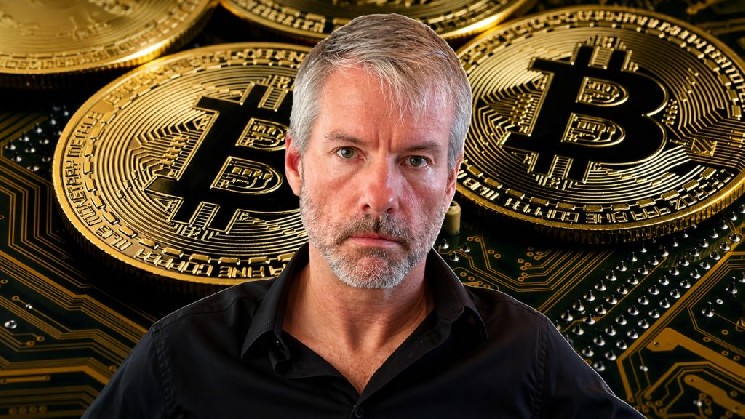
Ажиотаж вокруг снижения ставки достиг новых максимумов: аналитики указывают на 92%-ную вероятность проведения заседания FOMC в сентябре

cryptonews.ru2025-08-29 tarihinde yayınlandı2025-08-29 tarihinde güncellendi

  • Крупные финансовые компании, такие как Goldman Sachs, теперь считают, что ФРС снизит процентные ставки трижды в этом году, начиная с сентября.
  • Некоторые, такие как Bank of America, по-прежнему скептически относятся к снижению ставок в следующем месяце.
  • Не так давно председатель Федеральной резервной системы Джером Пауэлл подтвердил выжидательную позицию, но некоторые должностные лица ФРС, такие как Уоллер и Боумен, с этим не согласились.

Криптоаналитик Crypto Rover предсказывает взрывной рост рынка, поскольку вероятность снижения ставки Джеромом Пауэллом в сентябре выросла до 92%. Данные, вероятно, основаны на таких инструментах, как CME FedWatch и Polymarket, которые указывают на высокую вероятность (приближающуюся к 92%) снижения ставки в США в следующем месяце, учитывая снижение занятости и «голубиные» настроения чиновников ФРС.

Крупные финансовые компании, такие как Goldman Sachs, теперь считают, что ФРС снизит процентные ставки трижды в этом году, начиная с сентября. Это также значительно повысило вероятность снижения ставки, и шансы на это возросли.

Примечательно, что некоторые, например, Bank of America, по-прежнему скептически относятся к снижению ставки в сентябре. Они утверждают, что инфляция остаётся высокой, а устойчивость рынка труда может удержать ФРС от снижения ставки до 2026 года.

Не так давно глава ФРС Джером Пауэлл подтвердил выжидательную позицию, отметив инфляционные риски, связанные с тарифами и мировыми конфликтами, тем самым снизив ожидания немедленного снижения. Однако некоторые представители ФРС, такие как Уоллер и Боумен, не согласились с этим и предложили снизить ставки, что свидетельствует о разногласиях внутри ФРС относительно дальнейших действий.

Криптовалюта может извлечь из этого выгоду

Если снижение ставок действительно произойдет в ближайшем будущем, это может стать позитивным стимулом для криптоиндустрии и криптовалют. Снижение процентных ставок обычно способствует росту ликвидности, перенаправляя капитал в рисковые активы, что исторически является катализатором роста биткоина и эфириума.

Новость о возможном снижении ставок витала в воздухе уже некоторое время, и криптовалютные рынки отреагировали на этот новый ажиотаж, пусть и ненадолго. Биткоин подскочил примерно до $114 тыс., а альткоины, такие как Ethereum, XRP и Cardano, также немного выросли.

Аналитики в целом ожидают, что к концу года цена биткоина достигнет целевого диапазона в $124 тыс., если сокращения материализуются, наряду с аналогичной динамикой других криптовалют.

Тем не менее, лучше не спешить, поскольку если ФРС сохранит ставки на прежнем уровне или отложит их снижение, рынки могут быстро развернуться. К тому же, август и сентябрь исторически являются слабыми месяцами для биткоина, независимо от макроэкономической ситуации.

Время, выбранное ФРС, играет решающую роль, и в зависимости от того, как она поступит, криптоактивы потенциально могут увидеть как рост цен, так и падение.


İlgili Okumalar

Upbit is Anxious: A Hasty Counterattack Aimed at Regaining Stablecoin Market Share

Title: Upbit's Rushed Counterattack to Reclaim Stablecoin Market Share Facing a dramatic shift in South Korea's stablecoin market, leading exchange Upbit launched a promotional campaign from July 26 to August 9, waiving the 0.05% trading fee for stablecoins paired with the Korean Won (KRW) and rapidly listing new stablecoins like RLUSD and USDG. This move is a direct response to its plummeting market share in this sector. Historically a duopoly with Bithumb, the market has been reshaped since October 2025 when Coinone permanently removed fees for USDC trading. By June 2026, Coinone led with 34.8% of stablecoin volume, followed by Bithumb (31.1%) and Upbit (30.1%). This contrasts sharply with the overall crypto market, where Upbit commands 60%. The data shows stablecoin demand is highly sensitive to fees, as users primarily buy them to transfer capital overseas for derivatives trading or forex arbitrage. South Korean exchanges have seen a net outflow of stablecoins for 18 consecutive months, totaling approximately 14.9 trillion KRW, underscoring their role as a cross-border capital conduit. Upbit's limited-time promotion initially boosted its daily stablecoin volume by 162%, but the surge was almost entirely in USDT (98.1% of volume). The newly listed stablecoins saw negligible, fleeting interest. Furthermore, the promotional effect quickly waned in the second week, with volume dropping 33% on weekdays. A concurrent weakening of the KRW also contributed to the trading spike, independent of the fee waiver. The analysis suggests that once the promotion ends, Upbit is unlikely to retain its temporary gains unless it matches Coinone's permanent zero-fee policy, forcing a choice between market share and fee revenue. Upbit's strategic push may be less about immediate profit and more about preparing for future regulatory shifts. With South Korea's *Digital Asset Basic Act* on the horizon, which will regulate KRW-backed stablecoins, and following Dunamu's (Upbit's parent) integration into Naver Financial to build a payment ecosystem, securing a dominant position in the dollar stablecoin distribution channel holds long-term strategic value. However, potential regulatory conflicts could prevent Upbit from listing a future Naver-issued KRW stablecoin, making the current fight for dollar stablecoin flow even more critical.

marsbit1 saat önce

Upbit is Anxious: A Hasty Counterattack Aimed at Regaining Stablecoin Market Share

marsbit1 saat önce

Michael Saylor Compares Bitcoin and Gold!

Michael Saylor, founder of MicroStrategy, argues that Bitcoin fundamentally changes how wealth is stored and transferred by transforming digital scarcity into economic value. He describes Bitcoin as the first digital monetary network, combining computers, digital networks, and cryptography. It digitizes monetary assets, allowing their supply to be controlled by public protocols rather than institutions, thus converting economic value into information transmissible over global networks. Comparing Bitcoin to gold, Saylor states that while increasing Bitcoin's supply is harder, its integration with software and transfer is easier. He highlights Bitcoin's proof-of-work mechanism, which ties it to the physical world by consuming real energy to secure the ledger, making past transactions immutable. This creates a shared security system involving miners, energy companies, and investors. Saylor suggests "digital monetary energy" is a more accurate term than "digital gold." He emphasizes that the Bitcoin network is an adaptive ecosystem of miners, nodes, developers, and users. Its core design is intentionally simple, focused on maintaining a secure ledger for scarce digital assets, with complex functionalities built in higher-layer applications. This architecture allows Bitcoin to serve as a foundation for transmitting value and fostering innovation in payments and financial services. Saylor notes Bitcoin's deeper impact lies in creating digital sovereignty, where private keys give individuals permissionless control over their economic power, with ownership verified mathematically, not by institutions. He concludes that while gold's physical scarcity makes it money, Bitcoin's digital scarcity does the same, characterizing Bitcoin as the monetary energy of the digital age.

cryptonews.ru3 saat önce

Michael Saylor Compares Bitcoin and Gold!

cryptonews.ru3 saat önce

İşlemler

Spot
活动图片