加密市场巨震:24小时爆仓9.56亿美元,山寨币暴跌背后的逻辑与未来路径

MarsBit2025-07-23 tarihinde yayınlandı2025-07-25 tarihinde güncellendi

Özet

正如某巨鲸在暴跌后链上留言:“​​400天的等待换得400%的涨幅——加密市场的黄金律,从未失效。​​”

MicroStrategy   板块:山寨币


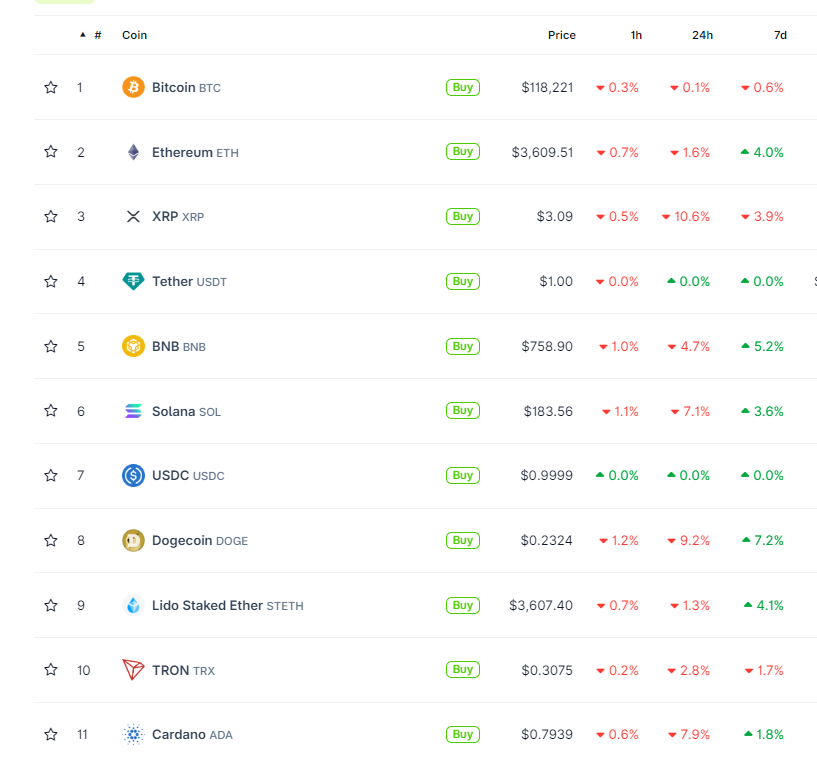
2025年7月23日至24日,加密货币市场经历连续两日深度回调,比特币一度跌至​​117100美元​​关键支撑位,以太坊最低跌至​​3500美元​​关口。

MicroStrategy   板块:山寨币


而山寨币板块更是血流成河:PUMP单日暴跌超​​16%​​,XRP、SUI、ADA等主流代币跌幅普遍超过​​5%-8%​​。

MicroStrategy   板块:山寨币


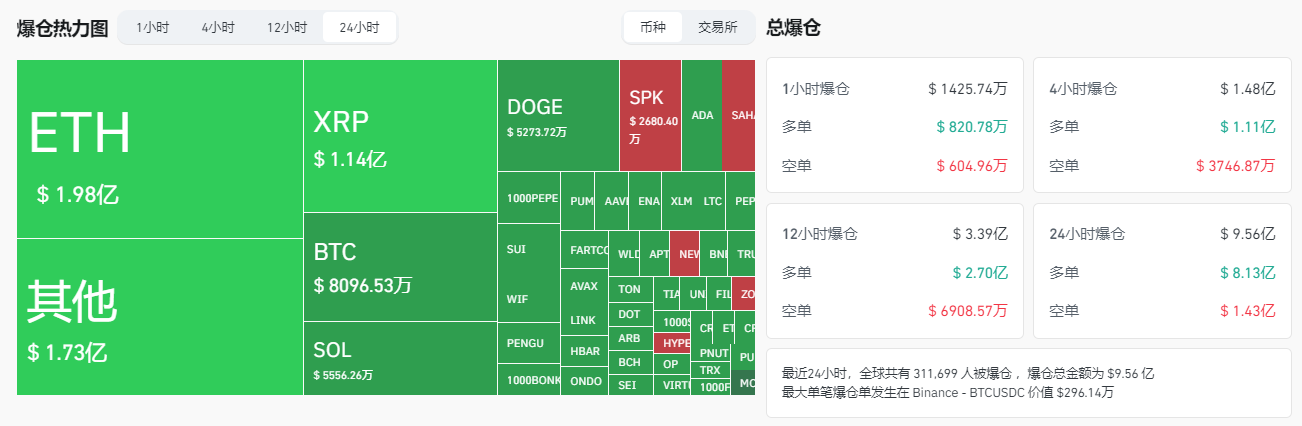
在这轮急跌中,全网爆仓金额高达​​9.56亿美元​​,超过​​31万投资者​​遭清算


​​爆仓风暴:杠杆狂欢的代价​​


数据背后的惨烈现实​​


过去24小时内,加密市场遭遇自6月以来最猛烈的多单清算潮。据CoinGlass统计,​​多头爆仓金额达8.13亿美元​​,占总爆仓量的85%,而空头爆仓仅1.43亿美元。最大单笔爆仓发生在Binance的BTCUSDC合约,金额高达​​296万美元​​。这一失衡数据暴露了市场在“贪婪指数71”高位运行下积累的杠杆风险。


高杠杆玩家的“死亡名单”​​

MicroStrategy   板块:山寨币


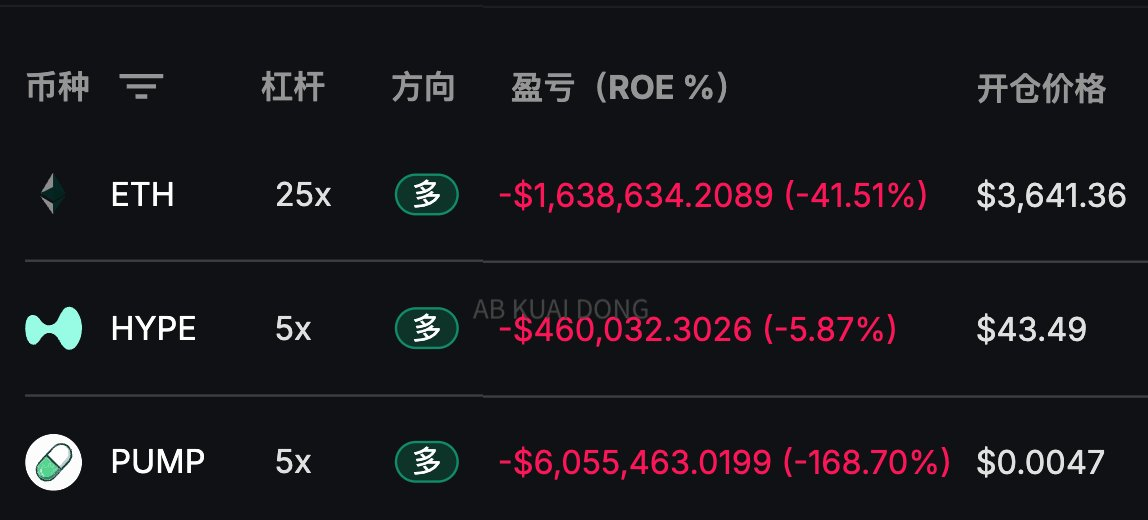
知名投资人“麻吉大哥”的仓位成为典型案例。其ETH、HYPE和PUMP多单组合已累计亏损​​814万美元​​,其中PUMP因后续加仓导致亏损占比最高。当前其持仓爆仓价分别为​​ETH 2871、HYPE19.8、PUMP 0.0023。


更富戏剧性的是,一位PUMP私募投资人因误将20亿枚代币(价值约1280万美元)转入未开通现货交易的币安,待数日后退回时币价已从0.0064​​跌至​​$0.0034​​,错失600万美元抛售机会。这一操作失误凸显了私募机构在极端行情下的风控脆弱性。


​​市场回调:结构性分化与宏观压力共振​​


​​主流币种的溃退逻辑​​


​​比特币​​:日内最低触及​​117,072美元​​(OKX报价),尽管机构资金通过ETF持续流入(MicroStrategy等增持)。日线形成“楔形收敛”形态,​​117,000美元​​成为多空分水岭。若有效跌破可能触发​​10%​​ 以上回调;突破​​120,000美元​​需等待9月美联储降息等宏观催化剂。
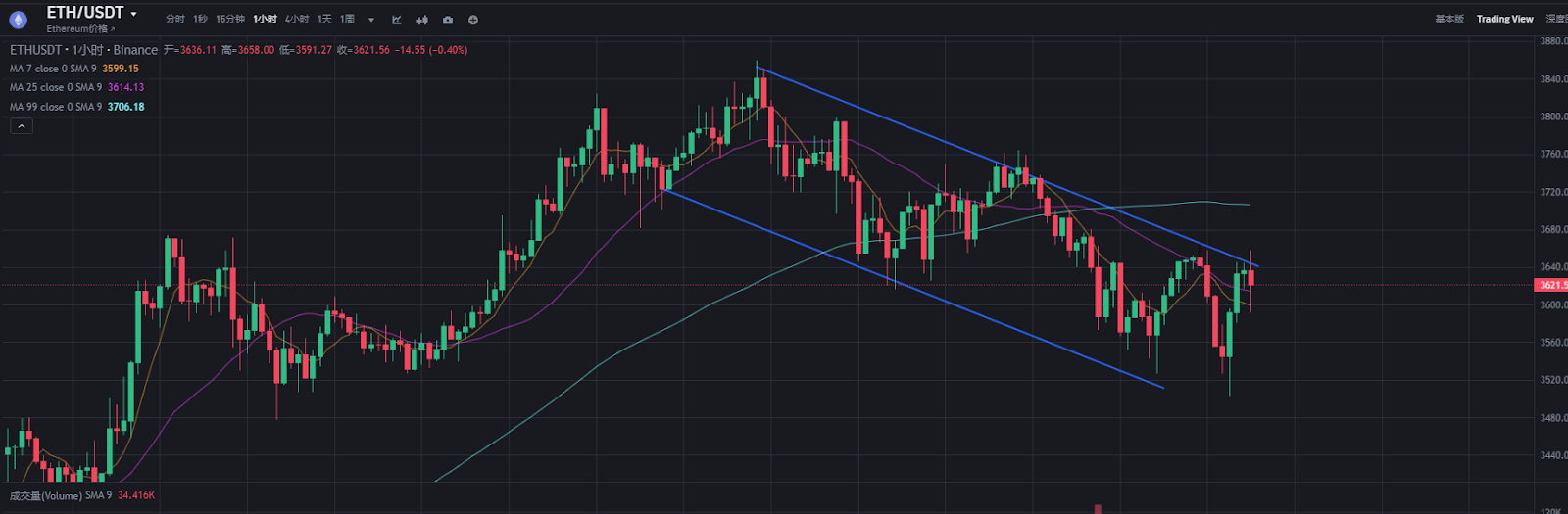
​​以太坊​​:跌幅达​​2.55%-3.20%​​,但现货交易量​​25.7亿美元​​首次超越比特币(24.4亿美元)。巨鲸逆势增持​​40,591 ETH​​(约1.48亿美元),随后价格迅速涨回3600美元上方。
四小时图跌破布林带中轨,​​3,500美元​​为短期生命线。若能突破​​3,800美元​​阻力位,有望挑战​​4,000美元​​关口。


本轮回调中山寨币呈现极端分化


暴跌阵营​​:PUMP(​​-15.3%​​)因空投延迟和竞争压力遭抛售;XRP(​​-9.4%​​)受监管风险与获利了结双重打击。


​​抗跌异动​​:ZORA(​​+60%​​)因整合Base App代币化技术获资金追捧。

MicroStrategy   板块:山寨币


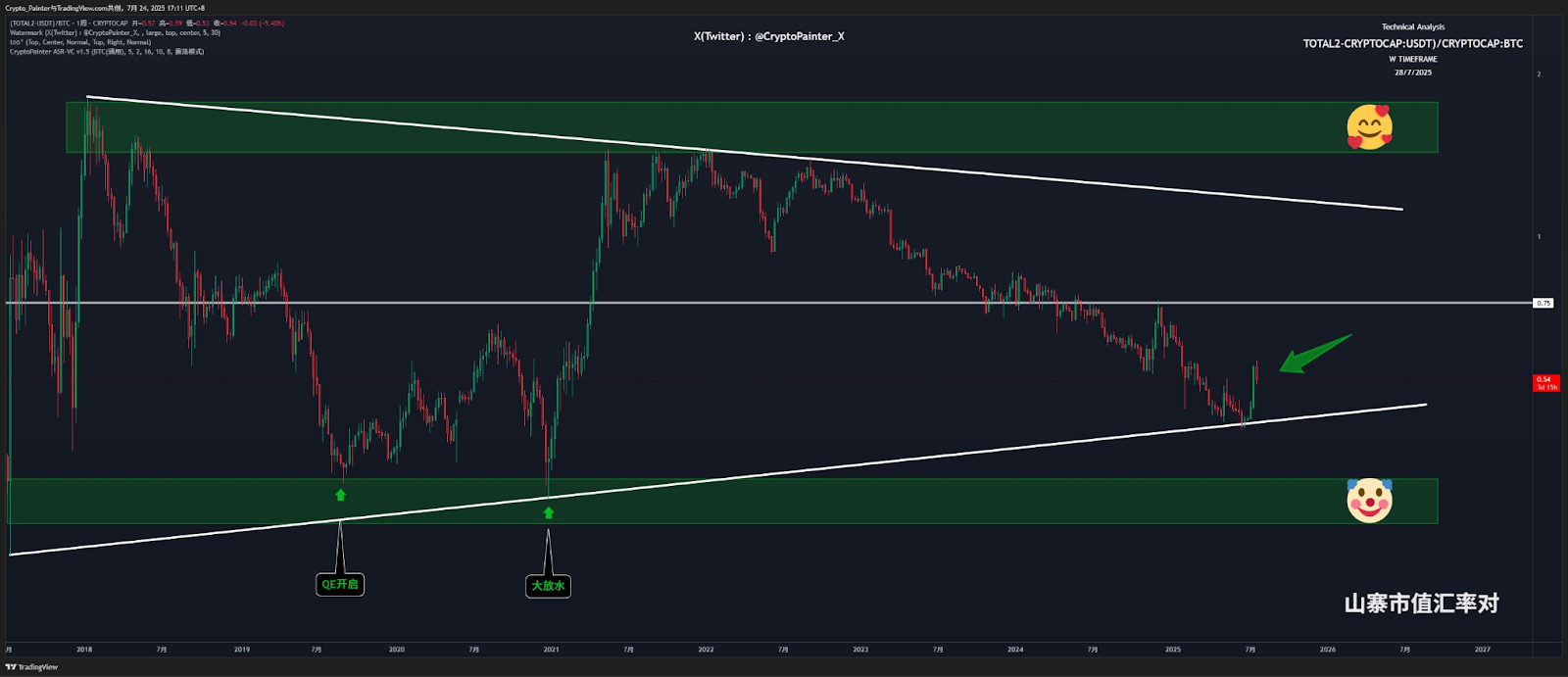
尽管山寨币总市值回撤,但​​市值汇率对(山寨币/BTC)​​ 仍守住5月高点,暗示底部支撑未完全破灭。


上轮山寨季(2023-2024年)启动前足足有400天的低位震荡。当前山寨币汇率虽触及底部区间,但历史表明底部确认后往往伴随​​暴跌洗盘​​,随后才进入主升浪。


​​资金轮动的预判指标​​


​​ETH/BTC交易量比​​:当前突破​​1.0​​,显示资金向以太坊及关联生态(如Solana、Base链)轮动。


稳定币市值增长​​:美国财长预测稳定币市值将突破​​2万亿美元​​,若实现则以太坊等底层链使用量或呈指数级增长。

结语:十字路口的加密市场


当前加密市场正处于​​技术面支撑​​、​​监管框架​​与​​宏观政策​​的三重博弈中。7月30日白宫数字资产报告与9月美联储利率决议,可能成为打破震荡格局的关键变量。
历史经验表明,真正的山寨季从未在散户蜂拥时启动。当U本位合约“难做”成为共识,当杠杆清算洗尽浮筹,市场或迎来新周期的曙光。
正如某巨鲸在暴跌后链上留言:“​​400天的等待换得400%的涨幅——加密市场的黄金律,从未失效。​​”

İlgili Okumalar

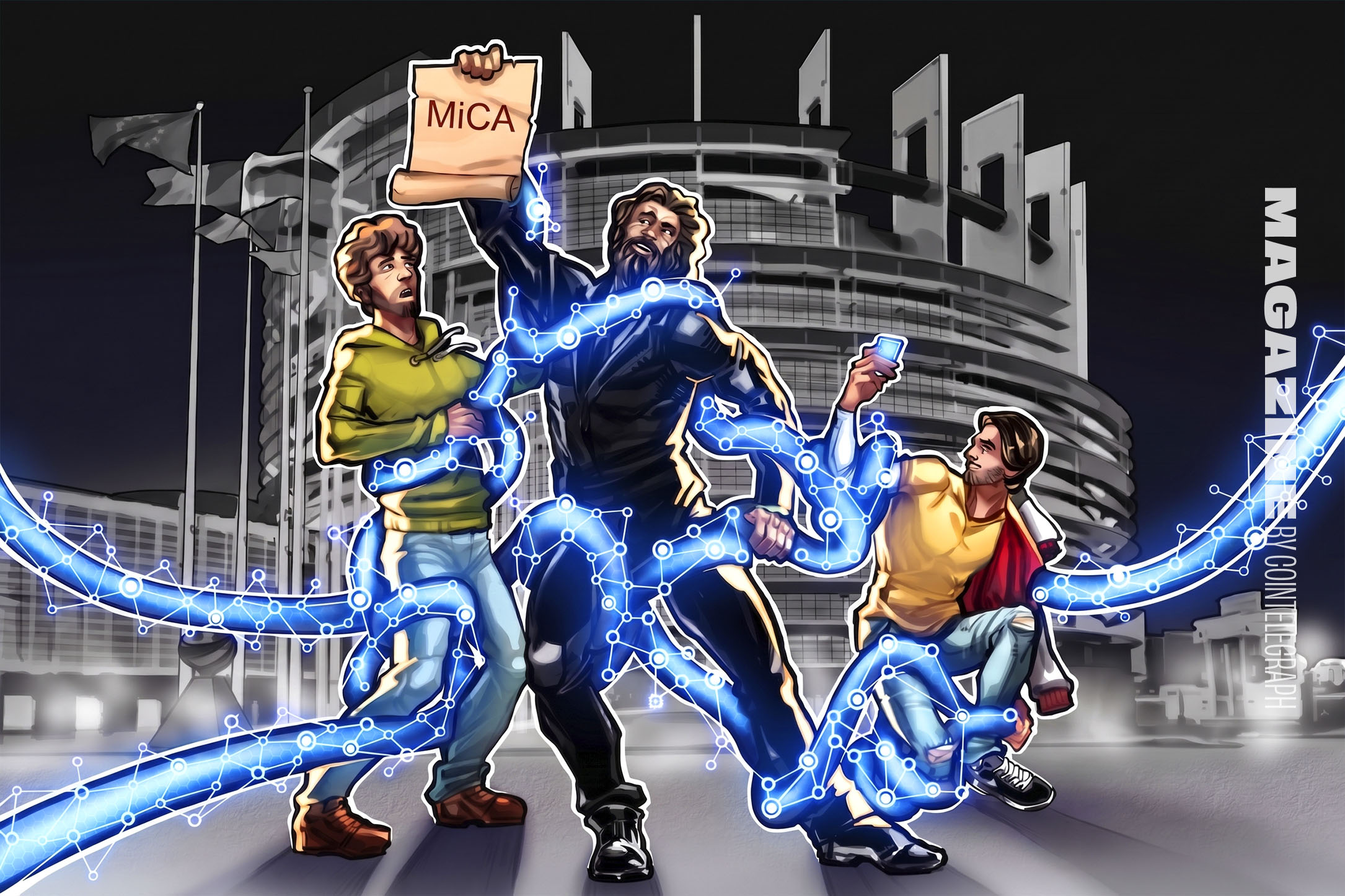
MiCA is coming for DeFi vaults, but regulation will be difficult

The European Commission is exploring whether to extend the Markets in Crypto-Assets (MiCA) regulation to cover decentralized finance (DeFi) lending and borrowing, including lending vaults. These vaults, which channel billions into on-chain credit markets, present significant regulatory challenges because their decentralized structure doesn't map neatly onto existing financial frameworks. Their legal status is currently based on non-binding interpretations that they fall outside MiCA and EU fund rules. The article uses Morpho's decentralized lending protocol as an example, illustrating how responsibilities are divided among various participants (owner, curator, allocator, sentinel), making it difficult to identify a single "provider" to regulate. Experts warn that broadly categorizing "DeFi lending" could inadvertently capture vastly different structures. They argue that any regulatory approach should focus on the specific structure and control mechanisms of a vault, rather than using decentralization as a simple dividing line, and that DeFi lending may require a dedicated, carefully crafted framework distinct from traditional finance. The Commission's consultation closes on September 30, 2026. The core challenge for regulators is not just whether to regulate DeFi lending, but how to design rules that distinguish between different forms of on-chain lending and the entities that control them.

cointelegraph1 saat önce

MiCA is coming for DeFi vaults, but regulation will be difficult

cointelegraph1 saat önce

Grayscale Report: Financial Privacy in the AI Era, Why Zcash Should Not Be Overlooked?

Title: Grayscale Report: Financial Privacy in the AI Era – Why Zcash Should Not Be Overlooked The article argues that privacy is a fundamental, not niche, attribute of functional money. It highlights that technological shifts, like the rise of AI and stablecoins, are driving a new wave of public focus on financial privacy. Zcash, a decentralized digital currency similar to Bitcoin but with built-in privacy via zero-knowledge proofs, is positioned to address this need. Unlike transparent blockchains, Zcash offers users the option to conduct "shielded" transactions that hide sender, receiver, and amount while remaining verifiable. The report details Zcash's evolution, noting key upgrades that improved usability and security. It points to rising on-chain usage of privacy features as evidence of real demand. Currently, ZEC holds a minimal share (~0.4%) of the total crypto market cap. Grayscale suggests this reflects a market assumption that privacy is a marginal concern. The investment thesis hinges on a potential market re-evaluation: if privacy is recognized as a core monetary feature in an era of enhanced surveillance, Zcash's current valuation represents significant upside potential. Key risks discussed include regulatory challenges, historical trusted setup concerns for older pools (mitigated by newer protocols), quantum computing threats, and execution risks associated with future technical upgrades. The conclusion is that while the future scale of private digital currency is uncertain, the market currently prices in little chance of its value increasing substantially, presenting a potential opportunity for investors.

marsbit3 saat önce

Grayscale Report: Financial Privacy in the AI Era, Why Zcash Should Not Be Overlooked?

marsbit3 saat önce

İşlemler

Spot
活动图片