Власти Детройта подали в суд на фирму по токенизации недвижимости RealToken

cryptonews.ru2025-06-04 tarihinde yayınlandı2025-07-04 tarihinde güncellendi

Власти Детройта подали иск в суд округа Уэйн против компании по токенизации недвижимости RealToken и ее филиалов за пренебрежение жилищными стандартами в более чем 400 жилых объектах.

В качестве ответчиков фигурируют сооснователи RealToken Реми и Жан-Марк Джейкобсон (Remy & Jean-Marc Jacobson), а также 165 аффилированных юридических лиц, которые могли допустить ухудшение состояния сотен объектов недвижимости. Администрация Детройта утверждает, что RealToken не выполняет основные обязательства по технике безопасности как арендодатель.

Городские инспекторы из Департамента по технике безопасности зданий и охраны окружающей среды задокументировали нарушения на объектах недвижимости: структурные повреждения, наличие грызунов, рост плесени, засоры в канализации и незаконные подключения к энергоснабжению. Было установлено, что 53 объекта представляют угрозу здоровью и безопасности арендаторов. Городские власти также утверждают, что RealToken использовала подставную сеть компаний, чтобы скрыть истинное право собственности и избежать ответственности.

Собственность разделена между многочисленными инвесторами, многие из которых не вовлечены на местном уровне и не заинтересованы в том, чтобы недвижимость оставалась пригодной для проживания. В результате многие дома остаются пустыми и со временем приходят в упадок. Администрация Детройта попросила суд обязать RealToken провести срочный ремонт зданий, открыть счета условного депонирования арендной платы и привлечь братьев Джейкобсон к ответственности за отказ финансировать техническое обслуживание зданий.

RealToken открылась в 2019 году как платформа по токенизации недвижимости в сети Эфириума. Позднее платформа перешла на Gnosis Chain. RealToken использует блокчейн для токенизации недвижимости и продажи долевой собственности инвесторам. Разработчики утверждают, что инвесторы могут приобретать акции арендной недвижимости за криптовалюту из любой точки мира, и эта рабочая модель снижает барьеры для входа на неликвидные рынки.

Согласно прогнозу компании Deloitte, к 2035 году рынок токенизированной недвижимости может вырасти до $4 трлн. В прошлом году во Франции состоялась первая в истории страны сделка по покупке недвижимости за биткоины.

İlgili Okumalar

547 Million OP Tokens Transferred from User Airdrop to Ecosystem Fund: DAO Voting Becoming Sham Democracy

An Optimism governance vote approved the controversial transfer of 546.9 million OP tokens (12.7% of total supply, ~24% of circulating supply) from the remaining "User Airdrop" allocation to the Foundation-controlled "Strategic Ecosystem Fund." The vote passed with a decisive 849,000 OP vote from "Test in Prod," a core development team fully funded by the Optimism Collective, cast just 17 minutes before the deadline. The Foundation argued that broad user airdrops are ineffective for the current institutional expansion phase and that the funds are needed as a flexible "war chest" to secure enterprise clients like Bitpanda and Dunamu. Critics, including L2BEAT and researcher Polynya, opposed the move. They cited the Foundation's overly broad mandate, a lack of clear link to token holder interests, insufficient assessment of past ecosystem fund expenditures (~686M OP spent), and the rewriting of the original distribution promise made to users. The incident highlights deeper governance concerns beyond low voter turnout. It raises questions about the independence of votes from entities financially dependent on the Foundation and the ethical limits of DAO governance—specifically, whether a majority vote can legitimately redefine foundational promises and minority expectations. The move signals a shift from community-focused airdrops to enterprise-driven strategy, eroding user trust amid OP's significant price decline.

marsbit11 dk önce

547 Million OP Tokens Transferred from User Airdrop to Ecosystem Fund: DAO Voting Becoming Sham Democracy

marsbit11 dk önce

The Impact of Treasury Buybacks Lasts Only 24 Hours? Beston: We Have Many Tools, Just Wait and See

U.S. Treasury Secretary Besant, addressing market concerns on August 20, signaled that the Treasury's toolkit for intervening in the bond market is far from exhausted. This follows the previous day's announcement to double the size of long-term Treasury buyback operations to at least $40 billion per session, a move that only briefly lowered yields before they climbed again. Besant dismissed the short-lived market reaction as "noise," asserting that yields do not reflect underlying economic fundamentals, especially for illiquid 30-year bonds. He revealed that President Trump has tasked him with leading a new fiscal consolidation plan, expected to be announced soon, aimed at addressing high long-term borrowing costs. Concurrently, Besant announced a press conference for the following Monday to detail aggressive U.S. economic actions against Iran, suggesting that maximum economic pressure could reduce the likelihood of large-scale military conflict. On other topics, Besant reiterated a strong dollar policy, expressed confusion over a recent oil price surge (which he expects U.S. actions will curb), and noted that AI investment prospects are making corporations largely insensitive to yield levels when issuing debt, as they anticipate future productivity gains. Market analysts remain skeptical that Treasury operations alone can durably alter the trajectory of long-term yields, which are driven by broader concerns over fiscal deficits, debt supply, and inflation.

marsbit1 saat önce

The Impact of Treasury Buybacks Lasts Only 24 Hours? Beston: We Have Many Tools, Just Wait and See

marsbit1 saat önce

Introducing Hyperliquid, Advocating for Bill Passage: Key Points from Trump's Speech

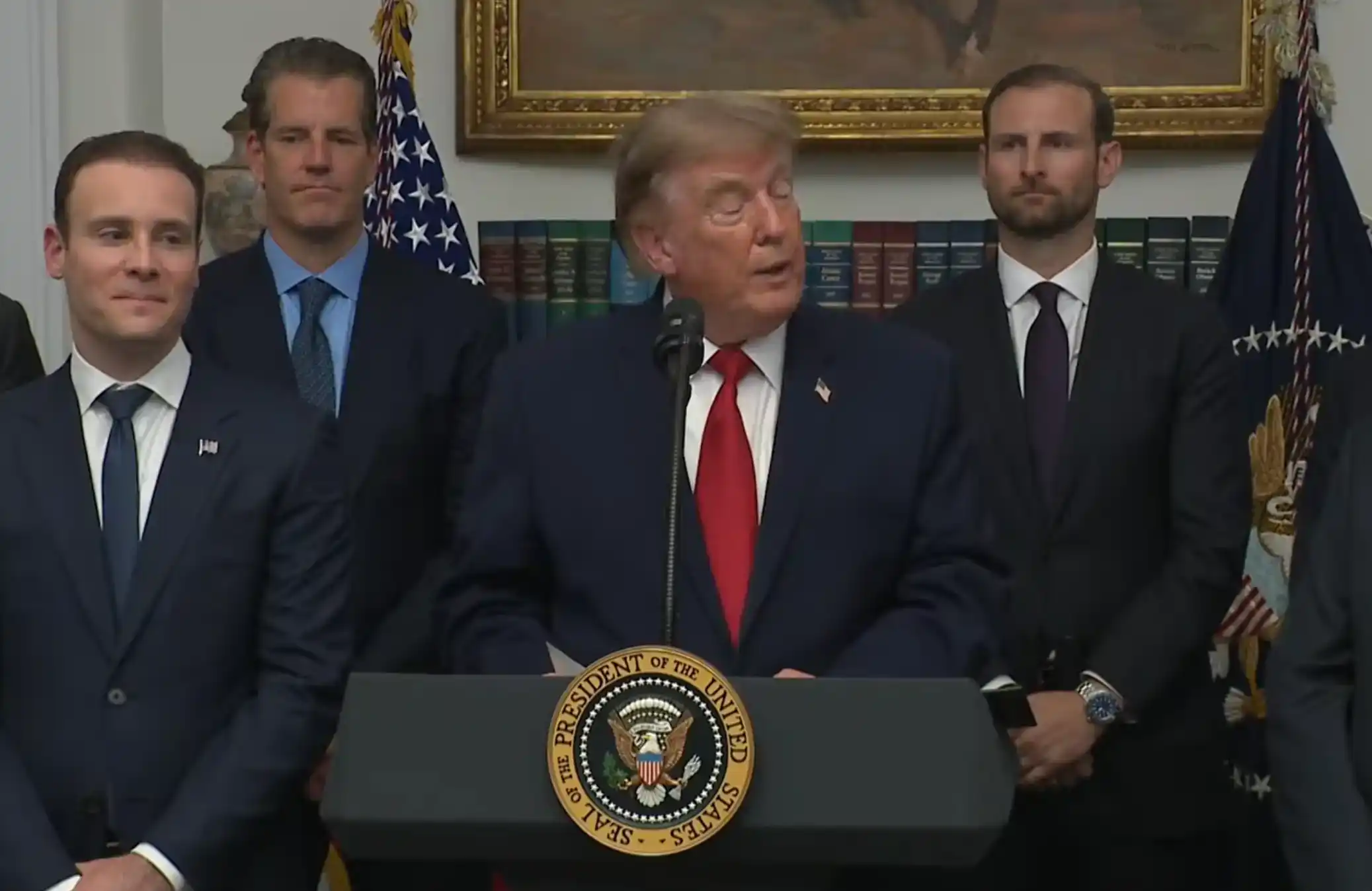
On July 20th, former President Donald Trump convened a roundtable in Washington D.C. with top executives from major U.S. financial, cryptocurrency, and tech firms, alongside key regulators. The meeting focused on maintaining U.S. competitiveness in global finance and AI, with a significant emphasis on the crypto industry. Trump highlighted his administration's previous actions, including signing the *GENIUS Act* to facilitate compliant, dollar-pegged stablecoins. He urged Congress to accelerate the passage of the *Clarity Act*, which aims to clearly distinguish between crypto securities and commodities, with a potential vote scheduled for September 15th. Regulators outlined key initiatives. The CFTC Chairman confirmed the launch of the first U.S.-regulated Bitcoin perpetual futures contract in May 2026 and announced efforts to bring the decentralized exchange protocol Hyperliquid into the U.S. under a compliant framework. The SEC Chairman proposed new rules to provide clarity for crypto startups seeking to raise capital through digital asset offerings legally. When asked about expanding the U.S. government's Bitcoin reserves, Trump stated he was "open to it" and would consult his regulatory team. The discussion also briefly touched on AI, with Trump proposing fast-track approvals for tech companies to build dedicated power plants to meet AI's energy demands.

marsbit1 saat önce

Introducing Hyperliquid, Advocating for Bill Passage: Key Points from Trump's Speech

marsbit1 saat önce

İşlemler

Spot
活动图片