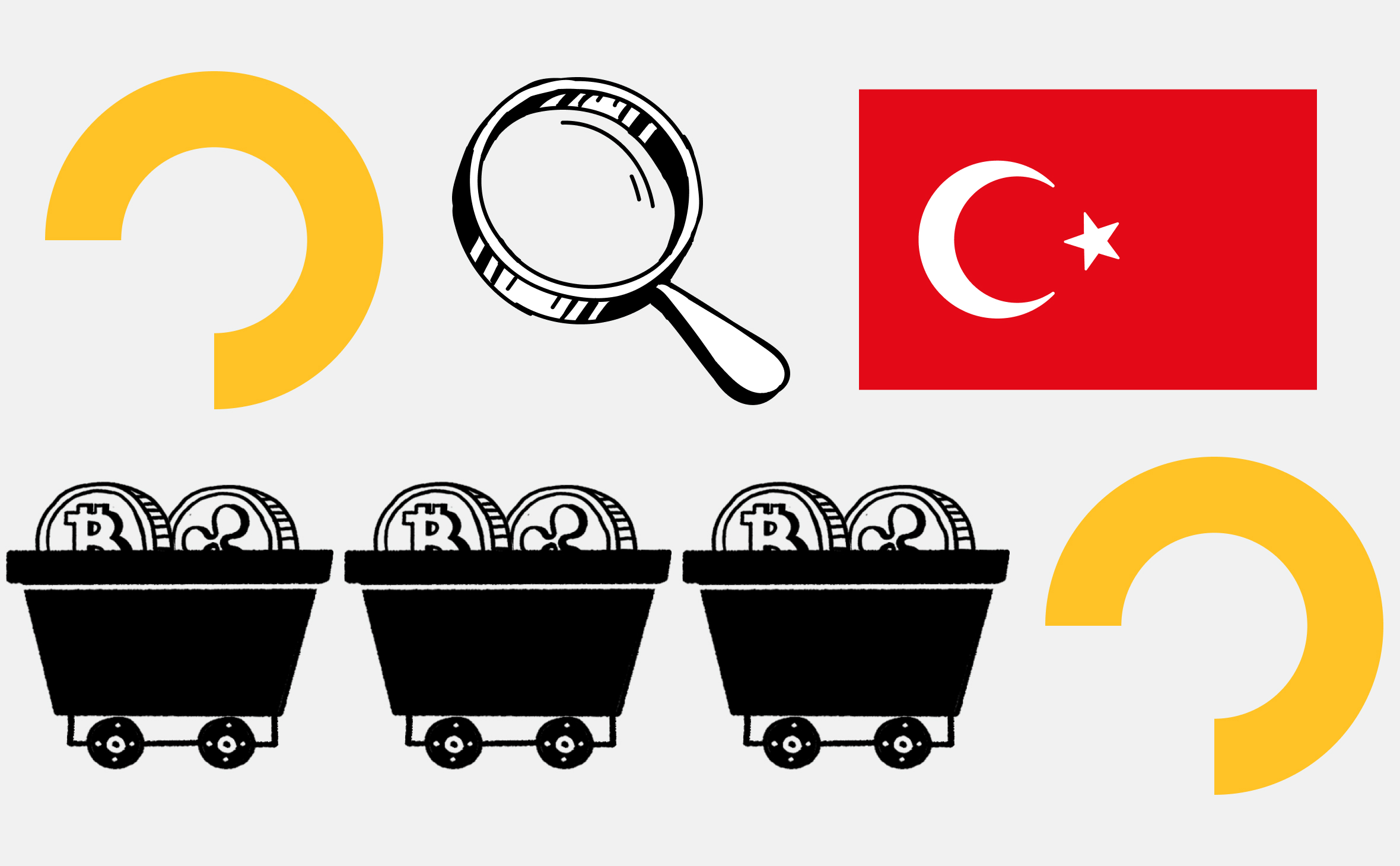
Турция ужесточит контроль за криптовалютными переводами

RBK-crypto2025-06-24 tarihinde yayınlandı2025-06-24 tarihinde güncellendi

Новые правила затронут процедуру переводов криптовалюты и введут новые лимиты

Министерство финансов Турции готовится ввести новые меры по предотвращению использования криптовалют в целях отмывания средств, полученных от незаконной деятельности — прежде всего, ставок и мошенничества. Об этом сообщает агентство Anadolu со ссылкой на данные ведомства.

Как отмечается, в центре внимания оказываются криптоплатформы, через которые могут проводиться сомнительные транзакции. В рамках инициативы министерство настаивает на введении более жесткого контроля за источниками и назначением средств, используемых при операциях с цифровыми активами.

Во-первых, все криптопереводы в Турции должны будут сопровождаться пояснением длиной не менее 20 символов. Это нововведение позволит отследить назначение каждой транзакции и станет обязательным для всех пользователей платформ, включая биржи и кошельки.

Во-вторых, появятся задержки при выводе средств в случае, если транзакция не подпадает под так называемое правило путешествия (travel rule). Это международное требование, согласно которому при переводе цифровых активов между платформами должны передаваться сведения о плательщике и получателе (имя, адрес, данные кошельков и т.д.).

Если эти данные не передаются (например, перевод совершается на некастодиальные кошельки или в обход централизованных платформ), то средства можно будет вывести только спустя 48 часов с момента поступления. А при первом выводе с нового счета — не ранее чем через 72 часа. Таким образом власти надеются затруднить обналичивание средств, полученных от преступной деятельности, и снизить риски сокрытия следов транзакций.

Третье ограничение касается переводов стейблкоинов, таких как USDT или USDC. Для них вводятся лимиты на переводы: максимум $3 тыс. в сутки и $50 тыс. в месяц. Однако эти лимиты можно увеличить вдвое, если платформа, с которой совершается перевод, полностью соблюдает travel rule и предоставляет весь требуемый набор данных.

Наконец, от криптоплатформ будут требовать более тщательной идентификации источников средств и целей транзакций. Это касается как централизованных бирж, так и других поставщиков услуг, работающих с цифровыми активами. Участники, не выполняющие эти требования, могут столкнуться с административными мерами, включая отказ в выдаче лицензии или ее отзыв.

Телеграм-канал «РБК-Крипто» — подпишитесь и будьте в курсе самых главных и актуальных новостей о криптовалюте.

Присоединяйтесь к форуму «РБК-Крипто» в Telegram для обсуждения новостей и тенденций криптомира.

Министр финансов Турции Мехмет Шимшек заявил, что власти стремятся предотвратить использование криптовалют для незаконных целей, но при этом сохранить легальный рынок. По его словам, пользователи, подтверждающие происхождение средств и совершающие операции в рамках регулируемых процессов — например, в целях арбитража, обеспечения ликвидности или маркетмейкинга, — смогут работать без ограничений.

Он подчеркнул, что новые правила важны как для защиты финансовой системы, так и для безопасности пользователей. Платформы, отказывающиеся соблюдать нормы, рискуют не только получить штрафы, но и полностью лишиться прав на работу в стране.

Ровно год назад парламент Турции принял законопроект, регулирующий нормы обращения криптовалют в стране. За нарушение правил в документе предусмотрены штрафы от $7,5 тыс. до $182,6 тыс., а также лишение свободы на срок от трех до пяти лет для физических лиц. Принятый документ должен был повлиять на снятие некоторых претензий в адрес Турции со стороны Группы разработки финансовых мер борьбы с отмыванием денег (Financial Action Task Force, FATF).

Не только биткоин. Зачем компаниям резервы BNB, HYPE и других альткоинов

Альтсезон по-новому. Почему взлетают акции компаний с резервом биткоина

«Усилился спрос на тихие гавани». Что будет с биткоином на неделе
İlgili Okumalar

U.S. Market Trend (August 20): U.S. Treasury Intervention Halts Stock Decline; Moderna's Cancer Vaccine Breakthrough Sparks 180% Surge

U.S. Stocks Rebound on Treasury Intervention; Moderna Soars 180% on Cancer Vaccine Breakthrough Key Points: • U.S. stocks ended a three-day decline, with the rebound driven primarily by the U.S. Treasury Department's move to significantly increase its long-term bond repurchase ceiling. This action briefly pushed the 30-year Treasury yield down by about 10 basis points, easing long-term interest rate pressures. • Despite this, the market faced a countervailing force from the hawkish July FOMC meeting minutes, which revealed broader support for potential rate hikes among officials due to lingering inflation concerns. • Moderna shares skyrocketed nearly 180% after announcing positive Phase 3 trial results for its personalized mRNA cancer vaccine in partnership with Merck, which also rose nearly 13%. This fueled a major rally in the healthcare sector. • Contrary to the broader market, the Philadelphia Semiconductor Index fell over 2%, highlighting persistent pressure on the AI hardware chain. Concerns include AI's potential inflationary impact and questions about application-side cash flows supporting high capital expenditures. • Commodities and cryptocurrencies rallied alongside the equity rebound, supported by a weaker dollar and lower long-term yields. Geopolitical risks continued to underpin oil prices. Outlook: Market focus shifts to whether long-term bond yields stabilize post-intervention, upcoming U.S. economic data (jobless claims, Philly Fed index), and the impact of SK Hynix's massive share buyback plan on the memory chip sector. The tech sector's full recovery remains contingent on the semiconductor index's performance.

marsbit6 dk önce

U.S. Market Trend (August 20): U.S. Treasury Intervention Halts Stock Decline; Moderna's Cancer Vaccine Breakthrough Sparks 180% Surge

marsbit6 dk önce

The 19 Must-Know Top Chinese and American Entrepreneurs Born After 2000 • The 21st-Century Successors Have Arrived

The 21st century's first generation of entrepreneurs, born in the 2000s, are already taking center stage. This analysis of publicly prominent founders reveals distinct trends between China and the U.S., shaped by their respective ecosystems. In China, young founders are heavily focused on giving AI a physical presence, tackling challenges in robotics and hardware. Examples include Huang Yi (RoboParty, humanoid robots), Qin Shentao (Yuanchen Taichu, embodied AI data infrastructure), and founders working on robotic hands, home cleaning robots, and computing power networks. Their paths often emerge from university labs and robotics competitions, prioritizing prototype demonstration, cost control, and manufacturing delivery. In contrast, their U.S. counterparts frequently leverage software, AI, and capital networks to rapidly reorganize digital services and information flows. Startups like Mercor (AI talent/data, reaching $10B revenue), Etched (AI chips), and various AI-powered SaaS tools for consumers and SMBs demonstrate a focus on user growth, subscription models, and global scalability. However, this velocity has also led to high-profile cases questioning business practices and credibility. The key differentiator for this generation is not merely youth, but the compressed early stage of venture creation. Access to open-source tools, AI models, mature supply chains, and willing venture capital allows them to bypass traditional career ladders. Yet, while technology lowers the barrier to product creation, it does not reduce the challenges of building a sustainable company—managing teams, ensuring reliable delivery, and establishing trust remain hard-earned skills. The article concludes that the true test for these founders will be the "second growth": evolving from product creators into responsible company leaders capable of sustained execution and organizational building. For established businesses, the rise of these fast-moving, technologically adept teams necessitates new strategies for collaboration, competition, and investment.

marsbit11 dk önce

The 19 Must-Know Top Chinese and American Entrepreneurs Born After 2000 • The 21st-Century Successors Have Arrived

marsbit11 dk önce

A Trillion-Dollar Consumer Credit Market Lacks Key Players

The trillion-dollar global consumer credit market remains largely untapped by blockchain technology. While projects like Pharos have rapidly attracted millions in stablecoin deposits for short-term consumer loans in emerging markets, they represent early attempts to bring this massive asset class on-chain. The core challenge isn't technical tokenization, but the "repackaging" of countless small, heterogeneous loans into standardized, investable products that digital asset funds can understand and price. Current approaches primarily change the *distribution* of capital—using stablecoins for settlement and smart contracts for transparency—but do not eliminate underlying credit risk. Several models are emerging: Pharos and Huma Finance/Tala focus on connecting high-yield emerging market loans to global crypto capital. Figure stands out by building full-stack, regulated infrastructure, securing AAA ratings for its securitizations and proving blockchain assets can meet traditional institutional standards. Conversely, Goldfinch's difficulties highlight that on-chain transparency cannot replace offline credit underwriting and collection capabilities. The article identifies a four-layer value chain: 1) loan origination, 2) credit structuring & securitization, 3) on-chain infrastructure, and 4) capital. The current gap is in the second layer—the mature capital markets expertise for structuring, rating, credit enhancement, and institutional distribution. This is the critical link needed to transform scattered loans into large-scale, trustworthy on-chain credit assets, bridging traditional finance's rigor with blockchain's new capital pools.

marsbit46 dk önce

A Trillion-Dollar Consumer Credit Market Lacks Key Players

marsbit46 dk önce

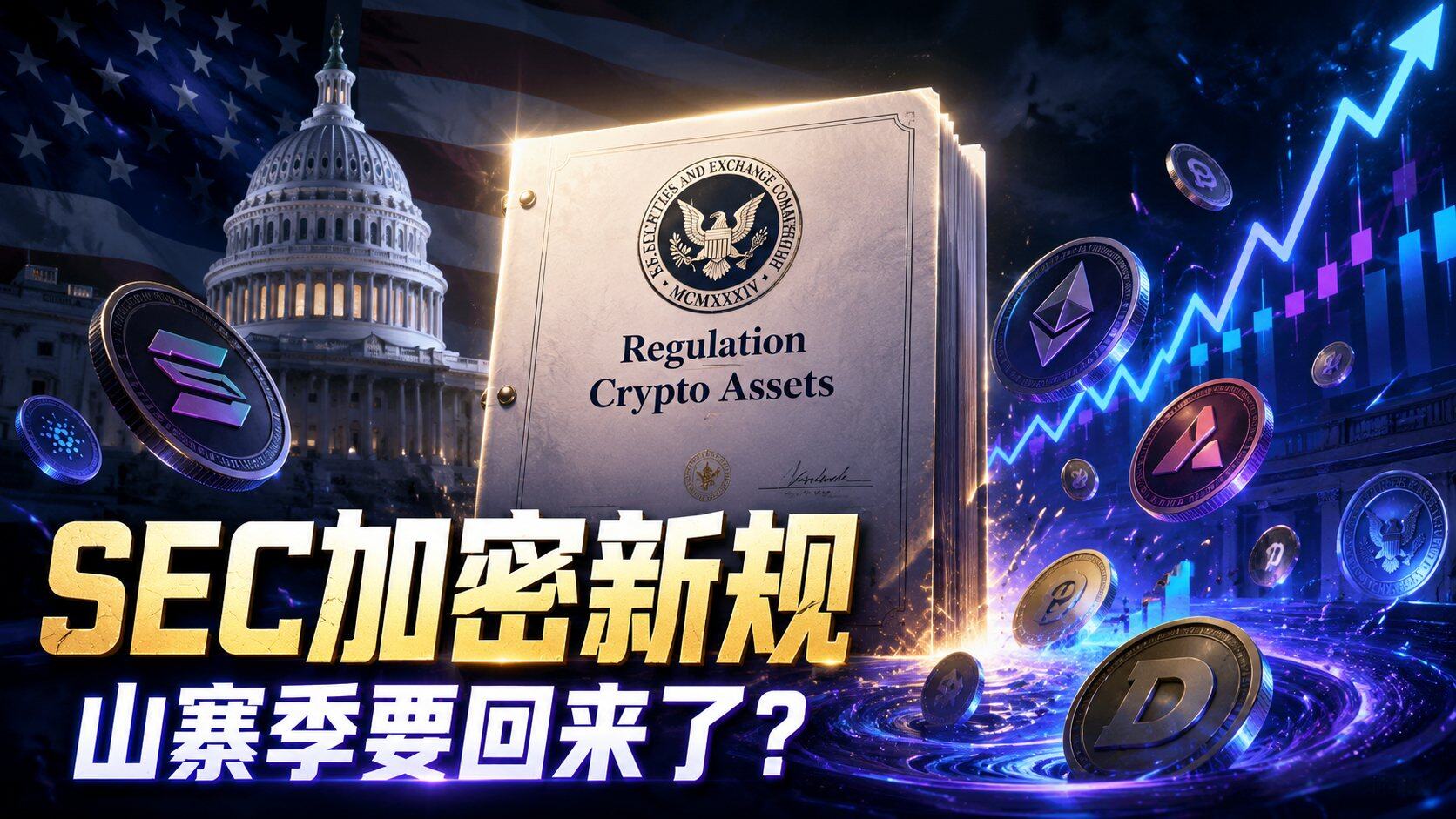
Interpretation of SEC's New Crypto Regulatory Rules: Fundraising Below $5 Million Exempt from Registration, Is Altcoin Season Making a Comeback?

The U.S. Securities and Exchange Commission (SEC) has proposed a new regulatory framework titled "Regulation Crypto Assets." This proposal aims to establish tailored exemptions for crypto asset fundraising and a pathway for tokens to transition out of being classified as securities. The core provisions include two exemptions from standard securities registration: 1. **Startup Exemption**: Allows early-stage projects to raise up to $5 million over four years with simplified, narrative-based disclosures, avoiding full registration. 2. **Fundraising Exemption**: Permits raising up to $75 million within any 12-month period. It requires audited financial statements and imposes ongoing reporting obligations, similar to the Regulation A+ framework. A key component is the **Investment Contract Safe Harbor**. This rule allows a token initially sold as an investment contract (a security) to lose that designation once the issuer has completed or permanently ceased the "essential managerial efforts" promised to investors. This theoretically clears regulatory hurdles for tokens where development is finished or abandoned. The proposal defines a narrow scope, applying only to crypto assets that are not securities themselves and are part of an investment contract involving no other assets. This SEC initiative is seen as a response to the stalled progress of the comprehensive *CLARITY Act* in Congress. It represents a shift from relying solely on the historical Howey test, which the SEC admits is ill-suited for dynamic crypto assets. The proposal is currently in a 60-day public comment period, with a final rule likely months away, leaving the U.S. regulatory landscape for crypto in a transitional state.

Odaily星球日报1 saat önce

Interpretation of SEC's New Crypto Regulatory Rules: Fundraising Below $5 Million Exempt from Registration, Is Altcoin Season Making a Comeback?

Odaily星球日报1 saat önce

İşlemler

Spot
活动图片