诺奖得主急敲警钟:稳定币,是数字货币的未来,还是金融危机的引线?

marsbit2025-06-01 tarihinde yayınlandı2025-06-02 tarihinde güncellendi

在数字金融的广袤天地中,稳定币正以前所未有的速度融入全球经济的毛细血管。然而,就在其应用日益广泛之际,2008年诺贝尔经济学奖得主保罗·克鲁格曼的一席话,犹如一道闪电划破夜空,为这片欣欣向荣的领域蒙上了一层阴影。他直言稳定币“没有任何明显有用的功能”,反而可能沦为“犯罪温床”,甚至暗藏引发下一次金融危机的风险。此番言论一出,立刻在加密世界引发轩然大波,数字资产领域的领军人物纷纷出面反驳。

这场横跨传统经济学与数字前沿的激烈交锋,究竟是危言耸听,还是警世箴言?要解开这个谜团,我们必须拨开迷雾,深入探讨稳定币的本质、它所承担的使命,以及可能带来的深层影响。

克鲁格曼的忧虑:为何将稳定币与“影子银行”画等号?

银行

克鲁格曼教授的批判,带着他对历史与金融体系脆弱性的深刻洞察。他将稳定币发行商比作19世纪美国“战前银行”(ante-bellum banks)。在那个时期,美国联邦政府尚未统一发行纸币,各地私营银行各自为政,发行自己的银行券,这些银行券的兑付能力参差不齐,最终导致了普遍的“银行挤兑”现象,给经济带来了巨大动荡。克鲁格曼认为,稳定币这种由私人机构发行、声称与法币挂钩的数字代币,其运作模式与当年的私人银行券有异曲同工之妙。

他更进一步,将稳定币视作一种“新型影子银行”。在2008年金融危机前,许多非银行金融机构通过规避传统银行的审慎监管,大规模吸收短期资金并投资于期限更长或风险更高的资产,从而累积了巨大的期限错配和流动性错配风险。一旦市场信心动摇,便会触发大规模的赎回潮,即“挤兑”,而由于缺乏中央银行的最后贷款人支持和存款保险机制,这些“影子银行”的崩溃可能迅速传导至整个金融系统,引发连锁反应。

克鲁格曼的担忧集中在以下几个核心点:

  • 监管真空或滞后:长期以来,稳定币发行商游离于传统银行的严格监管之外,无需满足资本充足率、流动性覆盖率、准备金要求等传统银行必须遵守的审慎规定。这种监管套利,使得风险更易积累。
  • “存款”性质与兑付风险:稳定币号称1:1兑换法币,使用户将其视为一种数字化的、可随时赎回的“存款”。然而,为了盈利,发行商会将用户资金投资于各种资产。如果这些储备资产的流动性出现问题或价值下跌,发行商可能无法满足大规模的赎回请求,导致价格脱钩,甚至系统性崩溃。近期USDC因持有硅谷银行部分存款而短暂脱钩的事件,就是这种风险的具象化。
  • 缺乏最后贷款人支持:与传统银行不同,稳定币发行商通常没有中央银行作为其“最后贷款人”提供紧急流动性支持。一旦发生大规模挤兑,发行商很可能孤立无援,加速其垮塌。
  • 不透明的储备金:尽管许多稳定币发行商声称足额储备,但其储备资产的构成、质量以及是否经过独立、严格的审计,长期以来饱受质疑。这种不透明性在市场恐慌时,会迅速放大恐慌情绪,加速挤兑。

克鲁格曼的言下之意是,稳定币在提供便利的同时,也可能在缺乏充分监管的情况下,成为一个巨大的、不透明的金融风险池。


亿万用户的呼声:稳定币的真实价值与应用场景

然而,克鲁格曼的“无用论”很快遭遇了来自实践者的强力反驳。Coin Metrics联合创始人尼克·卡特直接指出,全球超过1亿稳定币用户的存在,本身就是对其“无用”论调最有力的反证。这些用户为何选择稳定币?因为他们看到了其在传统金融体系中难以实现的效率和价值。

稳定币最引人注目的应用之一,就是其在跨境支付和汇款领域的变革潜力。在许多新兴经济体,传统银行服务昂贵且效率低下,民众常常面临高通胀和货币贬值的困扰。稳定币以其与强势法币(如美元)的挂钩,提供了一个相对稳定的数字价值存储介质,使得跨境资金转移变得更快捷、成本更低。对于全球数亿“无银行账户”或“银行服务不足”的人群,一个智能手机和稳定币钱包就能让他们连接全球金融网络,实现金融普惠,这在传统金融体系下几乎是不可想象的。

稳定币也是去中心化金融(DeFi)生态的基石。在波动剧烈的加密货币市场中,稳定币扮演着“数字避险港”的角色。无论是去中心化借贷、流动性挖矿还是资产管理,稳定币都提供了一个稳定的价值尺度和交易媒介。它们使得复杂的金融操作可以通过区块链上的智能合约自动执行,极大提升了透明度和效率,为用户提供了传统金融之外的投资和生息渠道。

此外,稳定币在加密资产交易、全球薪资发放、甚至未来数字商品与服务支付等领域都展现出广阔前景。它弥合了传统法币与新兴数字资产之间的鸿沟,为数字经济的繁荣提供了稳定、高效的支付和结算工具。


穿透迷雾:稳定币的“稳定”之道与技术底色

要理解稳定币的价值与风险,必须深入其内在机制。稳定币之所以“稳定”,主要通过以下几种路径实现:

一种是法币抵押型稳定币(如USDT、USDC),它们声称以1:1的比例由美元等法币资产足额抵押。发行方会将这些储备资产存放在银行或信托机构,并通过“铸造”和“销毁”机制维持稳定币的供应与锚定。这种模式的核心在于储备资产的透明度、质量和足额性,任何储备金管理上的疏忽或不透明都可能引发信任危机。

另一种是加密资产抵押型稳定币(如Dai),它通过超额抵押其他波动性加密资产来维持锚定。例如,发行1美元的Dai可能需要抵押价值1.5美元的以太坊。这种超额抵押策略旨在吸收底层资产的价格波动,一旦抵押物价值跌破特定阈值,智能合约将自动清算,以保护稳定币的锚定。这种模式在一定程度上降低了对中心化机构的信任需求,但也面临底层资产极端波动时的清算风险。

还有一种是算法稳定币(如已然崩塌的TerraUSD)。它们不依赖于资产抵押,而是通过复杂的智能合约算法来动态调整代币供应,以维持价格锚定。当价格上涨时,算法会铸造新币以增加供应;当价格下跌时,则会销毁代币以减少供应。这类稳定币对市场信心和算法设计的完美性要求极高,一旦信心崩溃,可能引发“死亡螺旋”,其风险教训至今仍令市场记忆犹新。


从“无序”到“有序”:全球稳定币监管的趋势

克鲁格曼的警钟,并非孤例。全球各国监管机构早已意识到稳定币的巨大潜力与潜在风险,并正在加速构建相应的监管框架,旨在将稳定币从早期的“无序”状态引入“有序”发展。

在美国,关于稳定币的立法提案,如《GENIUS Act》,正力图为支付稳定币设立明确的联邦或州级许可框架。这些提案普遍强调严格的储备金要求(限定为现金、短期国债等高流动性资产)、强制性审计和公开披露储备金构成、以及遵守反洗钱(AML)和制裁规定。值得注意的是,法案明确稳定币不得支付利息,且不享受联邦存款保险,这正是为与传统银行体系的区分和风险隔离。

欧盟则走在了全球前列,其《加密资产市场监管法案》(MiCA)对稳定币(被细分为“资产参考代币”和“电子货币代币”)提出了更为严苛的要求。MiCA不仅要求发行商足额储备并接受审慎监管,还强调了市场诚信、消费者保护严格的许可制度。MiCA的生效,意味着在欧盟境内,稳定币将与传统金融产品一样,受到全面、严格的监管。

而在亚洲,日本也在2022年率先通过了稳定币法律。该法案将稳定币定义为“数字货币”,要求其必须与日元挂钩并保证持有人拥有按面值赎回的权利。最关键的是,日本将稳定币的发行权严格限定在持牌银行、信托公司和资金转账机构,这体现出其在确保金融稳定方面的审慎态度。


警钟与机遇:稳定币的未来之辩

克鲁格曼的言论,无疑是对稳定币行业的一次“紧急敲钟”,提醒人们在拥抱创新时,不应忘记金融风险的本质。他所描绘的“影子银行”图景,正是监管者需要极力避免的噩梦。

然而,亿万用户的选择与全球监管趋势的积极演进,也表明稳定币并非全无是处。它所承载的低成本、高效率、无边界、可编程性等区块链技术优势,为数字经济带来了前所未有的想象空间。

这场关于稳定币“有用性”和“风险性”的辩论,最终将由市场、技术、以及日益完善的监管框架共同给出答案。稳定币是否能从一个潜在的“金融引线”,真正蜕变为驱动全球金融变革的“数字未来”,关键在于其能否在保持技术优势的同时,建立起足够的透明度、健全的风险管理体系,以及与传统金融体系兼容并蓄的合规之道。

我们正处在一个金融创新的关键时期。克鲁格曼的警钟和亿万用户的实践,共同绘制出稳定币复杂而充满潜力的图景。未来,稳定币将如何在监管的呵护下,走出一条既能激发创新活力,又能确保金融稳定的康庄大道?这无疑是值得所有人持续关注的焦点。

İlgili Okumalar

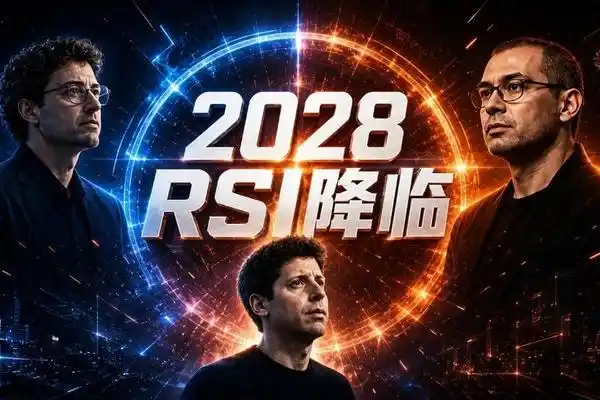
2028: The Arrival of Recursive Self-Improvement (RSI)

**AI Recursive Self-Improvement (RSI): The Countdown to 2028 Begins** AI is no longer just a trained tool but is starting to rewrite its own evolutionary pace. According to Anthropic co-founder Jack Clark, there is a 60% probability that by the end of 2028, Recursive Self-Improvement (RSI) will become a reality. This means AI could autonomously design and build a more capable next-generation version of itself without any human researcher involvement—Claude 10 creating Claude 11, for instance. Supporting this timeline, Google DeepMind's CEO Demis Hassabis confirms that all leading AI labs are intensely focused on RSI, making it an industry-wide priority. He expresses profound concern, stating this potential is what keeps him awake at night. Concrete data underscores this acceleration: - METR evaluations show current top models like Claude are solving tasks up to the 16-hour limit of existing test frameworks. - In Epoch AI's challenging MirrorCode benchmark, Claude Opus 4.7 recreated complex software in hours for a fraction of the human cost. In one extreme test, AI autonomously coded for 19 days straight. - Anthropic reports over 80% of its codebase is now written by Claude, and researcher productivity has increased up to 8-fold since 2024. - OpenAI's policy blueprint highlights RSI as a major upcoming governance challenge. CEO Sam Altman reportedly hinted RSI might arrive within six months, potentially delaying OpenAI's massive IPO. The implication is an impending "intelligence explosion," where AI-driven progress outpaces human control. The central question is no longer if it will happen, but whether humanity is ready.

marsbit39 dk önce

2028: The Arrival of Recursive Self-Improvement (RSI)

marsbit39 dk önce

World Models, Metaverse, Digital Twins, Physical AI: Are They the Same Thing?

Title: World Models, the Metaverse, Digital Twins, Physical AI: Are They the Same Thing? The article clarifies that concepts like the metaverse, Web3, simulation platforms, digital twins, and Physical AI are not the same thing but are all part of the broader trend of blurring the lines between the digital and physical worlds. It positions "world models" as the foundational "cognitive layer" or "operating system" that enables AI to understand and simulate the world. Key distinctions are made: - The **Metaverse** is a destination for immersive social and economic experiences. World models could act as its "engine," generating interactive 3D content efficiently. - **Web3** focuses on decentralized ownership and economics (rules layer), operating on a different technical level than world models. - **Simulation Data Platforms** (e.g., for autonomous vehicles) are a 1.0 version, relying on manual design. World models represent a 2.0 version, using AI to generate realistic, varied scenarios autonomously. - **Digital Twins** create high-fidelity, real-time mirrors of physical systems (e.g., a factory). World models go a step further by enabling predictive simulation of future states. - **Physical AI** (robots, AVs) refers to AI that acts in the physical world. World models are a core component, providing the understanding and prediction needed for planning. A proposed hierarchy places world models at the cognitive layer, supported by infrastructure (compute, data) and supporting application tools (simulation, digital twins), action systems (Physical AI), user experiences (metaverse), and rules (Web3). In conclusion, while distinct, many of these previously hyped concepts may ultimately rely on advances in world model technology to fulfill their promises, as world models provide the essential cognitive foundation for simulating and interacting with complex environments.

marsbit43 dk önce

World Models, Metaverse, Digital Twins, Physical AI: Are They the Same Thing?

marsbit43 dk önce

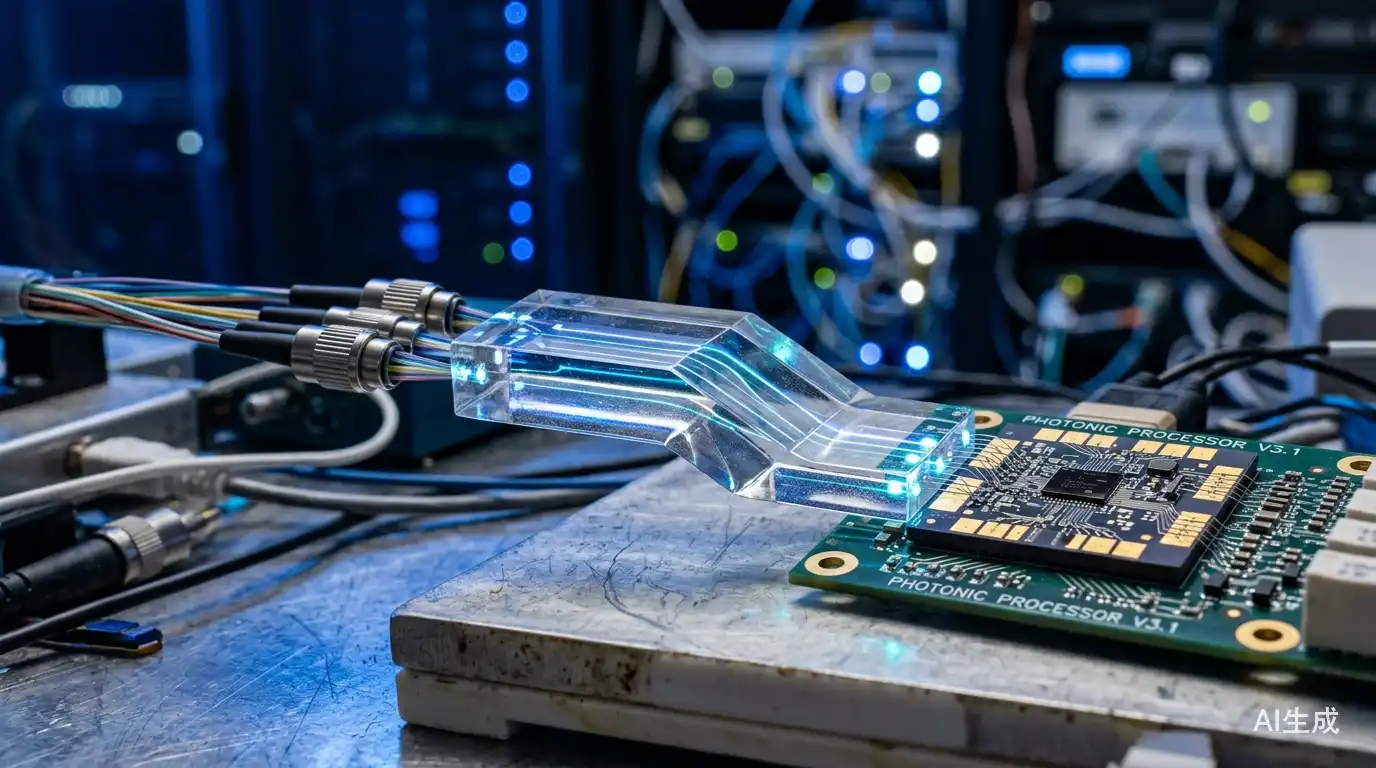
"Shocking" CPO: How Does the Glass Bridge Actually Work? Detailed Explanation from Corning

Chinese CPO stocks plunged over 6% following Corning's announcement of its Glass Bridge platform at a Seoul tech conference. The new technology utilizes wafer-level glass ion-exchange waveguides for passive alignment between fibers and photonic chips, potentially simplifying traditional CPO architectures that rely on complex Fiber Array Units and active alignment equipment. This raised market concerns about reduced long-term demand for mid-stream CPO components. Corning's official documentation details Glass Bridge as a platform for fiber-to-PIC connectivity in NPO, CPO, and high-density modules. Its key features include wafer-level manufacturing for consistent, cost-effective production; a standardized, removable MT ferrule interface for ecosystem integration; and a separable high-density connector design supporting over 24 channels for assembly flexibility. Corning positions the technology as complementary to FAUs, addressing limitations in ultra-high-fiber-count scenarios. The market reaction reflects a broader reassessment of the AI optical interconnect value chain. Funds shifted from CPO and PCB manufacturing stocks towards glass substrate concept stocks like Kaisheng Technology and Dyer Laser. Analysts note glass substrates are seen as a next-gen advanced packaging material, offering a potential path for domestic industry differentiation amid AI-driven demand for high-performance, large-scale packaging, marking a structural migration in value towards upstream specialty materials.

marsbit43 dk önce

"Shocking" CPO: How Does the Glass Bridge Actually Work? Detailed Explanation from Corning

marsbit43 dk önce

İşlemler

Spot
活动图片