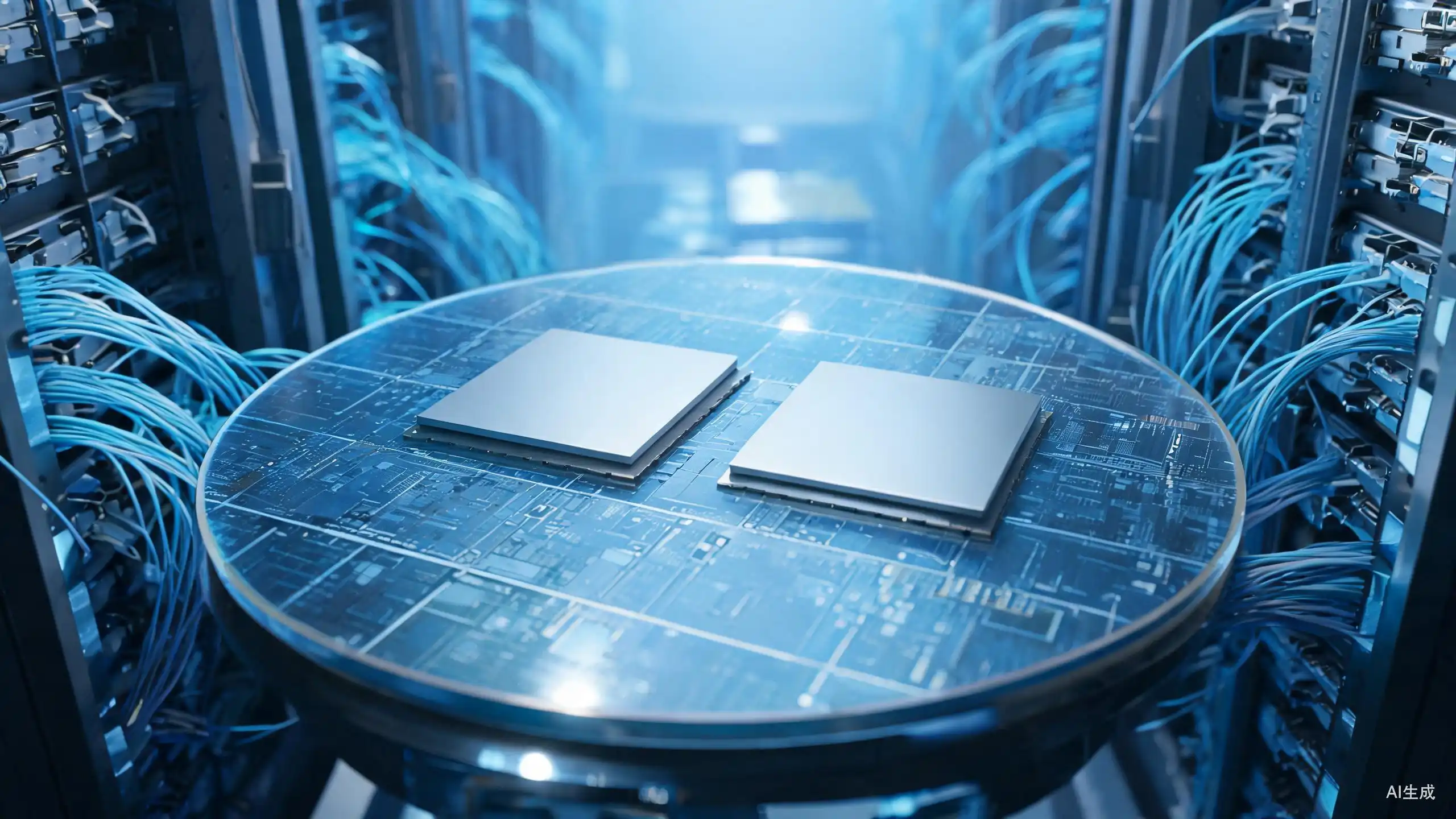
Биткоин и квантовые компьютеры: в чем опасность

cryptonews.ru2025-01-01 tarihinde yayınlandı2025-05-01 tarihinde güncellendi

Квантовые атаки могут подорвать всю систему публичной криптографии. Решения для защиты биткоина (BTC) пока далеки от идеала

Руководитель отдела исследований в Galaxy Digital Алекс Торн заявил, что квантовые атаки намного опаснее для биткоина, чем предполагают эксперты.

Как квантовые вычисления угрожают BTC

Квантовые компьютеры представляют экзистенциальную угрозу для биткоина. Они способны взломать криптографическую защиту BTC. В частности, риски распространяются на два ключевых элемента:

  • эллиптическую криптографию (ECC), которая используется для создания пар ключей (публичный и приватный).
  • хэш-функции вроде SHA-256, применяющиеся для майнинга и проверки транзакций.

В настоящее время эксперты разрабатывают квантово-устойчивые криптографические методы, которые могли бы защитить биткоин. Однако сроки окончательного создания подобных решений неизвестны. Более того, многие сомневаются, что они будут эффективными.

«Квантовая угроза — очень серьезная проблема, и варианты защиты биткоина сейчас хуже, чем кажется людям. Это становится вопросом уровня национальной безопасности», — написал Алекс Торн в X (бывш. «Твиттер»).

Глава отдела исследований Galaxy считает, что когда угроза станет реальной, реагировать будет уже поздно. Его слова вызвали широкий отклик в сообществе.

Что думают криптаны

Президент ETF Store Нейт Джерачи согласился с заявлениями Торна. Он также подчеркнул, что биткоин, как и любая технология, имеет уязвимости. С развитием технологий они могут проявиться.

«Вероятность взлома биткоина ненулевая. Если его создали, его можно уничтожить», — добавил эксперт.

Некоторые эксперты высказываются еще жестче. Они предсказывают, что квантовые вычисления приведут к краху BTC.

«Лучшее время для инвестиций в биткоин было до 2020 года. Сейчас я активно ищу следующий актив, похожий на биткоин», — отметил известный криптоаналитик Нишант Бхардадж.

Опасения по поводу уязвимости BTC перед квантовыми вычислениями усилились из-за недавних достижений в этой области. Основатель и операционный директор Diamante Чираг Джетани сообщил, что квантовые компьютеры Google теперь работают в 241 миллион раз быстрее обычных.

«Квантовый компьютер с 4 000 кубитами взломает шифрование биткоина за 10 минут. К 2030 году это займет пару секунд», — заявил он.

Выживет ли биткоин

Аналитики делятся тревожные прогнозы. Однако многие участники криптоиндустрии сохраняют оптимизм. Так, генеральный директор Tether Паоло Ардоино считает, что квантовые компьютеры не несут серьезной угрозы для криптографии биткоина. По его мнению, в сеть BTC внедрят квантово-устойчивые решения задолго до появления реальной опасности.

Исследовательская компания Project 11 также подчеркивает, что угроза для алгоритма Proof-of-Work (PoW), на котором работает биткоин, появится как минимум через 10 лет. Эксперты предполагают, что блокчейн BTC быстро адаптируется к новым реалиям.

«Биткоин абсолютно способен пережить квантовые вычисления. Это будет сложно, спорно и вызовет дебаты, но сеть успеют обновить. Последним крупным обновлением был Taproot — постквантовая криптография будет следующей», — пояснили они.

Представители Project 11 отметили, что специалисты уже разрабатывают квантово-устойчивые алгоритмы вроде стандарта NIST. Кроме того, существуют целые библиотеки для внедрения постквантовой криптографии (PQC). Однако пока применению таких решений мешают размеры подписей, количество транзакций в секунду (TPS) и размер блоков.

Будущее BTC зависит от способности сети быстро эволюционировать, сохраняя баланс между инновациями и децентрализованной философией. Время на подготовку еще есть — но действовать нужно уже сейчас.

İlgili Okumalar

77 Bloody Codes: When the '$5 Wrench' Shatters the Privacy Myth of France's Crypto Elite

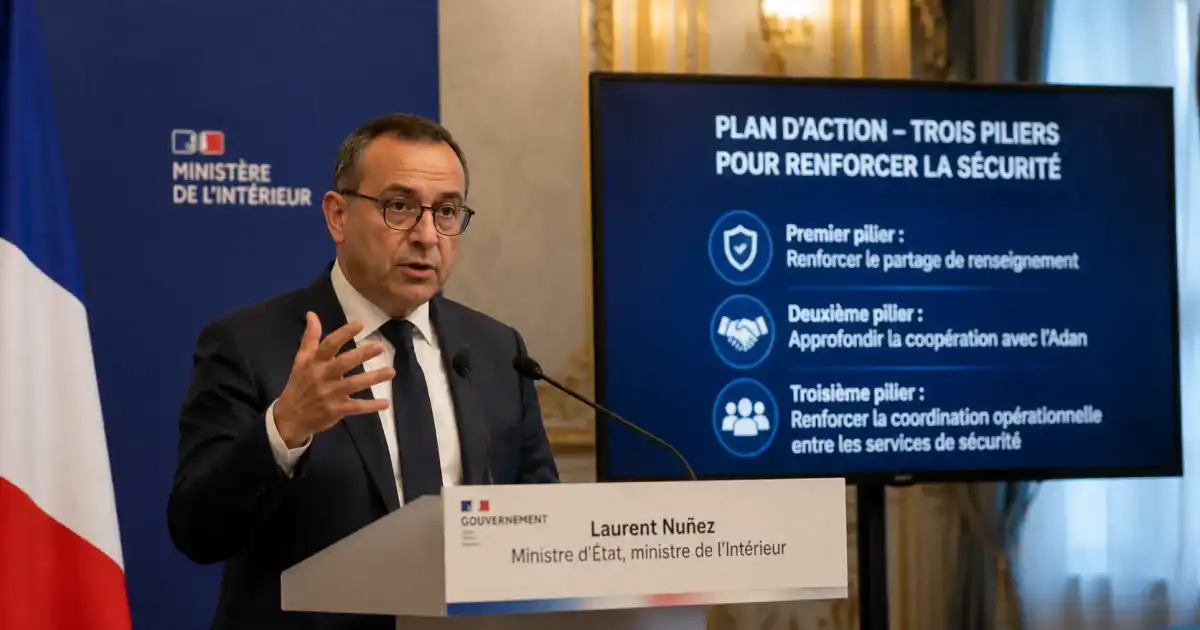
**Summary** In the first half of 2026, France recorded 77 violent crimes—including kidnappings, illegal confinement, and extortion—targeting cryptocurrency holders, a 71% increase over the 45 cases in all of 2025. This equates to an attack every 2.3 days, making France a global hotspot for so-called "wrench attacks," where criminals use physical violence to coerce victims into surrendering crypto assets. High-profile cases include the 2025 kidnapping of Ledger co-founder David Balland, who was shown with a severed finger in a ransom video, and an attempted kidnapping of the family of Paymium's CEO in Paris. Prosecutors note these are not isolated incidents but part of structured criminal networks, sometimes involving minors. Several factors contribute to France's vulnerability: a large holder base (approx. 7.3 million people), the presence of major crypto firms and executives, a culture of public disclosure among enthusiasts, and potential data leaks. The trend is spreading across Europe, which now accounts for over 40% of such global attacks. Research indicates a correlation between Bitcoin price surges and increased wrench attacks. In response, French Interior Minister Laurent Nuñez announced a three-pillar action plan focusing on enhanced intelligence sharing, deeper cooperation with the industry association Adan, and improved operational and cross-border coordination. Authorities have made over 200 arrests in the past year. Security experts warn that digital asset safety now extends to the physical world. They advise holders to use hardware wallets, avoid disclosing holdings on social media, enable multi-factor authentication, and report suspicious activity. The situation underscores the urgent need for the crypto community to shift from a "show-off" culture to one of discretion as physical security becomes paramount.

marsbit48 dk önce

77 Bloody Codes: When the '$5 Wrench' Shatters the Privacy Myth of France's Crypto Elite

marsbit48 dk önce

Both OpenAI and Anthropic are 'Developing Their Own Chips' — Beyond Cost, the Control Over Computing Power is Paramount

OpenAI and Anthropic are both advancing plans to develop custom AI chips, driven by the need to control computing power and reduce costs. According to reports, Anthropic is in early-stage development of its own chips and in talks with Samsung for manufacturing, while OpenAI is collaborating with Broadcom and TSMC, aiming to deploy its first inference chip by late 2026. The primary motivation extends beyond just lowering expenses. For these large model companies, chips are core production assets. By designing specialized hardware (ASICs) tailored to their specific model architectures—OpenAI's being more sparse and Anthropic's more dense—they aim to achieve deeper software-hardware co-design. This synergy can significantly improve inference speed, energy efficiency, and overall unit economics, offering advantages that off-the-shelf GPUs cannot. This move does not signify an immediate replacement for suppliers like Nvidia. The process from design to deployment takes 18-24 months, and Nvidia's GPU ecosystem remains deeply entrenched. Instead, custom chips provide a strategic alternative and negotiating leverage, allowing companies to use them for specific, high-volume workloads like inference while still relying on external GPUs and TPUs for other tasks. The trend reflects a broader industry shift where AI competition is evolving from pure algorithmic prowess to integrated control over the entire software-hardware stack. Companies like Google, Amazon, Meta, and Microsoft are already on this path. For foundries like Samsung, securing orders from AI leaders like Anthropic represents a significant opportunity to expand its footprint in the advanced semiconductor market for AI. Ultimately, the race for "computing sovereignty" is now a central battleground for major AI players.

marsbit54 dk önce

Both OpenAI and Anthropic are 'Developing Their Own Chips' — Beyond Cost, the Control Over Computing Power is Paramount

marsbit54 dk önce

İşlemler

Spot
活动图片