Fragmetric начал продажу токенов на Legion

cryptonews.ru2024-07-03 tarihinde yayınlandı2025-04-03 tarihinde güncellendi

Сегодня Fragmetric запустила продажу токенов FRAG на платформе Legion. Проект представляет собой протокол ликвидного рестейкинга на Solana, направленный на повышение безопасности экосистемы. Общий объем сбора средств в рамках продажи составит $4 млн, а рыночная оценка на момент запуска — $125 млн. Ранее команда привлекла $12 млн в рамках частного раунда финансирования. Это событие подтверждает растущий интерес инвесторов к решениям в области ликвидных ставок.

Условия продажи включают разморозку 10% токенов FRAG в рамках процедуры TGE, что говорит о продуманной стратегии распределения активов. Остальные криптовалюты будут высвобождаться постепенно, что поможет снизить давление на рынок. Такой подход характерен для проектов, стремящихся к долгосрочному росту.

Fragmetric выделяется на фоне конкурентов благодаря своей интеграции с Solana. Проект делает акцент на безопасности и эффективности, используя механизм распределения вознаграждений NCN. Это важно для пользователей, которые ищут стабильные и прозрачные способы увеличения доходов. Решения Fragmetric могут помочь дальнейшему развитию всей экосистемы Solana.

Рынок ликвидного рестейкинга активно развивается, и команда Fragmetric планирует занять прочные позиции в этой нише. Конкуренция среди проектов в сегменте DeFi остается высокой. Прозрачность, технологичность и адаптивность становятся ключевыми факторами успеха.

За последний год сектор ликвидного стейкинга значительно вырос. Популярность подобных решений объясняется желанием пользователей получать доход без необходимости блокировать активы на длительный срок. FRAG предлагает механизмы, которые учитывают потребности современных инвесторов.

Платформа Legion, на которой проходит токенсейл, уже зарекомендовала себя как надежная площадка. Многие перспективные проекты выбирают ее для запуска своих токенов. Это помогает привлекать стратегических инвесторов и формировать активное сообщество. Старт токенсейла Fragmetric на Legion — важный этап в развитии проекта. Успешный сбор средств позволит команде продолжить разработку инновационных решений.

Ошибка в тексте? Выделите её мышкой и нажмите Ctrl + Enter

İlgili Okumalar

Why 2026 could redefine Ethereum, Solana, Base and Avalanche

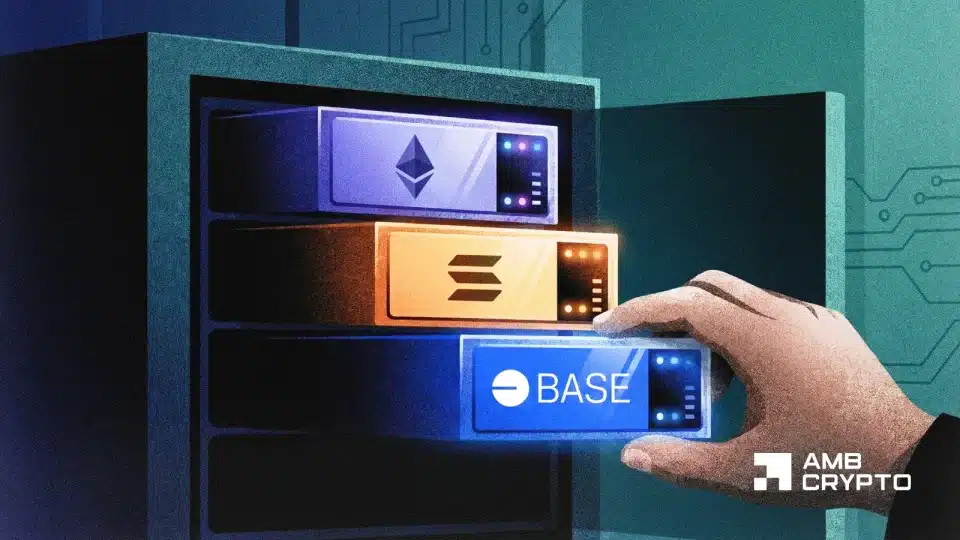
Blockchain infrastructure is undergoing a major coordinated transformation, driven by institutional demand for reliability, compliance, and predictable settlement. Over $30 billion in Real-World Assets (RWA) on-chain has exposed network weaknesses. Major blockchains are responding with foundational upgrades, moving beyond incremental speed improvements. Ethereum's "Glamsterdam" upgrade, planned for H1 2026, will significantly increase gas limits and introduce features like PBS (pre-blocked state) for enhanced settlement and parallel execution. Solana's "Alpenglow," targeting a mainnet launch in H2 2026, focuses on reducing finality time dramatically and freeing network resources to improve reliability. Beyond speed, compliance is critical. Base's "Beryl" upgrade in Q3 2026 will introduce a standardized, regulatory-compliant token framework (B20). Avalanche's "Octane" upgrade aims to boost transaction processing and reduce costs for enterprise applications. Even Bitcoin is evolving with the potential activation of OP_CAT by late 2026/early 2027. The competition is shifting. While technical upgrades are widespread, institutions will ultimately allocate capital based on proven execution, operational resilience, and regulatory compatibility during market stress. Ethereum currently leads in tokenized assets, while networks like Base and Solana are strengthening their institutional offerings. The blockchain that best delivers reliable, compliant, and uninterrupted service is poised to attract the greatest share of future institutional capital.

ambcrypto11 dk önce

Why 2026 could redefine Ethereum, Solana, Base and Avalanche

ambcrypto11 dk önce

Tiger Research: Take RWA Tokenization Overseas First

This article discusses the strategic choices facing financial institutions in jurisdictions lacking mature regulatory frameworks for Real-World Asset (RWA) tokenization. With the market growing rapidly, institutions must choose between waiting for local legislation, using regulatory sandboxes, or—the recommended priority—expanding into overseas markets to gain early experience. Successfully launching cross-border RWA tokenization requires meticulous preparation across six key areas: establishing an overseas base (e.g., Hong Kong, Singapore, the U.S.), securing necessary licenses, defining the tokenized asset (with bonds being simpler than non-standard assets), defining the target investor scope, deciding on settlement currencies/payment flows, and designing operational requirements like custody and on-chain governance. The article outlines two primary strategic paths: a direct "onshore" path and a "native on-chain" path. The direct path involves setting up a legal entity and obtaining licenses in a mature jurisdiction like Hong Kong, Singapore, or the U.S., leveraging existing platforms (e.g., DigiFT, Securitize) for efficiency. The alternative native on-chain path involves partnering with compliant, decentralized platforms (e.g., Ondo, Plume Nest) that use structures like offshore SPVs to facilitate tokenization and access DeFi liquidity, offering speed and broader reach but with greater structural complexity. The core argument is that institutions should not wait for perfect domestic regulation. A detailed hypothetical case study illustrates the multi-step, 6-12 month process of launching an overseas tokenized bond. The key takeaway is that the essence of a tokenization business lies not in the technology but in successfully executing the entire sales and operational process. The market is moving forward, and the time to act is now.

marsbit22 dk önce

Tiger Research: Take RWA Tokenization Overseas First

marsbit22 dk önce

İşlemler

Spot
活动图片