Pi Network вводит 2FA для миграции кошельков – повлияет ли это на курс Pi Coin?

cryptonews.ru2024-11-20 tarihinde yayınlandı2025-03-20 tarihinde güncellendi

Pi Network прокачал безопасность кошельков, разработов двухфакторку (2FA) для миграции. Теперь пионеры, решившие перекинуть свои Pi в основную сеть, должны пройти доппроверку через доверенный мейл. Тем временем Pi Coin пытается восстановиться после падения, отскакивая от важного уровня поддержки на $1.

С обновой часть пионеров перед переездом в основную сеть обязаны будут подтвердить свою учетку через 2FA. Эта заморочка нужна, чтобы гарантировать, что только реальный владелец использует свои активы.

Pi Network официально объявил в Твиттере:

«Мы ввели 2FA для подтверждения кошельков. Теперь некоторые пользователи обязаны подтвердить свою учетку через доверенный мейл, иначе их Pi не будет мигрирован на блокчейн основной сети.»

Те, кто уже забиндил доверенный мейл, могут легко пройти проверку. Остальным придется сначала настроить его, пройдя быструю верификацию. Вся эта процедура нацелена на то, чтобы прикрыть любые лазейки для мошенников и сделать процесс миграции более безопасным.

Пионеры, которые уже стартанули миграцию, но еще сидят в 14-дневном ожидании, теперь должны пройти 2FA. Если они этого не сделают, их Pi вернется назад в майнинг-приложение. Но как только 2FA будет пройдена, процесс продолжится без потерь.

Эта двухнедельная пауза придумана не просто так — она защищает юзеров от косяков и форс-мажоров. Ведь транзакции в блокчейне необратимы.

Новые меры безопасности могут повысить кредит доверия пользователей к проекту. Чем больше юзеров пройдут миграцию, тем выше шансы, что Pi Coin начнет расти.

Сейчас монета торгуется на уровне $1.15, словив -31% за неделю. Она упала с 11-го на 17-е место в рейтинге, а ее капитализация снизилась до $7.8 млрд.
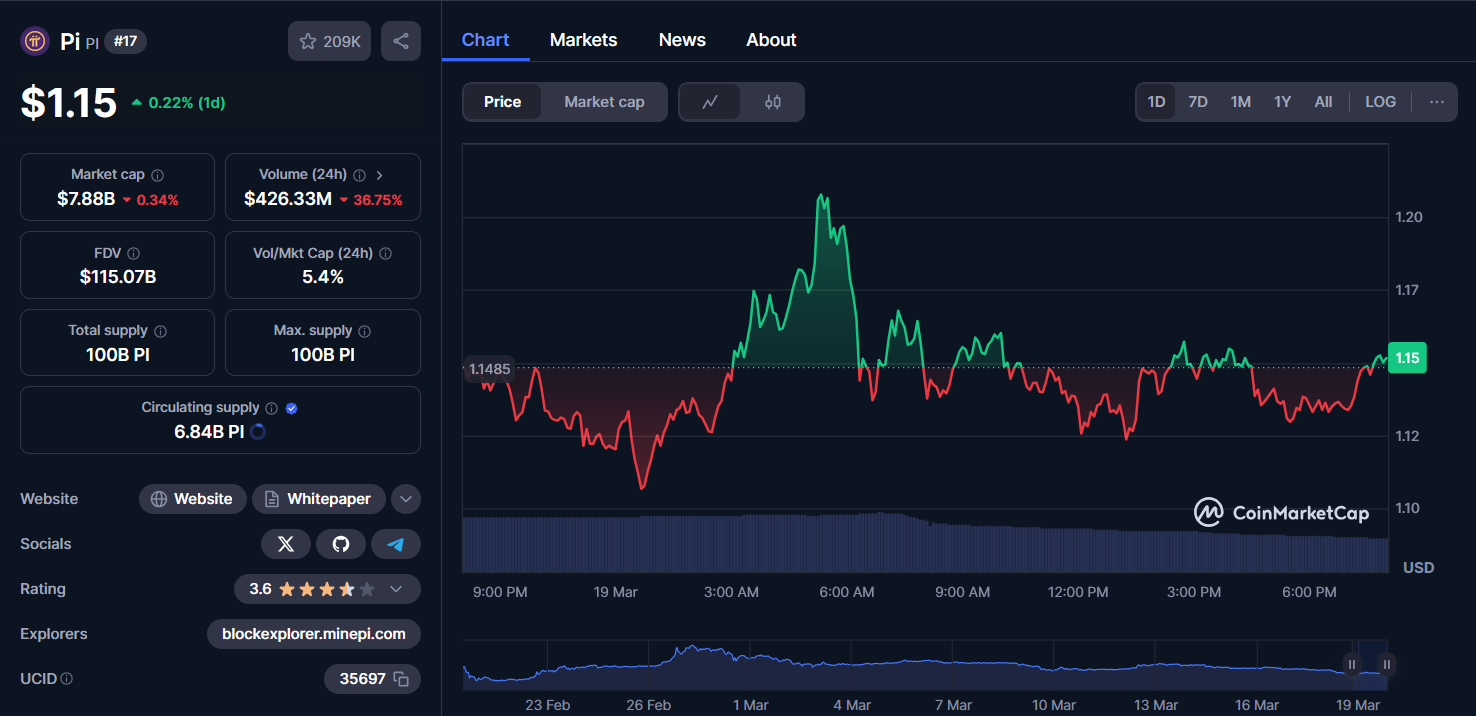
Однако на графике видно, что Pi пытается прорваться к $1.20. Если это случится, то следующая цель — $1.40, а затем можно замахнуться и на $2.

Но если актив не пробьет сопротивление, то цена может снова укататься к $1.05–$1.02.

İlgili Okumalar

Li Fei-Fei's Latest Long-Form Article: When Video Generation, Robotics, and NVIDIA All Call Themselves World Models, We Need a Taxonomy

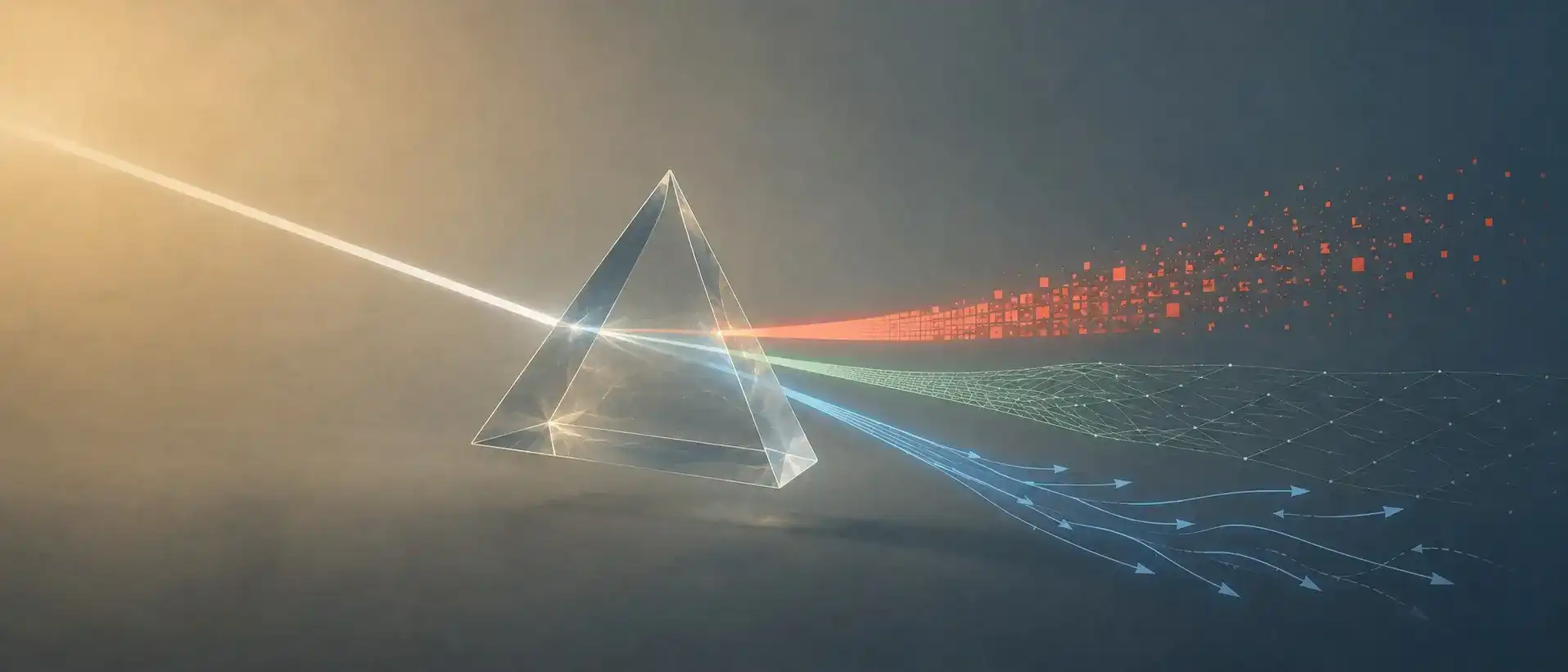
In a new article, Dr. Fei-Fei Li addresses the widespread and often inconsistent use of the term "world model" in AI. She proposes a clear, functional taxonomy rooted in the classic Partially Observable Markov Decision Process (POMDP) loop (agent → action → state → observation → agent). According to this framework, current systems called "world models" are different projections of this loop, categorized by their primary output: 1. **Renderers**: Output observations (pixels). Their goal is visual fidelity for human consumption (e.g., video generation models like Sora). They are the most commercially mature but are limited by a focus on appearance over physical accuracy. 2. **Simulators**: Output states (geometric, physical, dynamic representations). They provide a structurally accurate world for both human professionals (e.g., architects) and computational agents (e.g., robots for training). Li argues simulators are the crucial, underappreciated bridge, as they can underpin both rendering and planning. 3. **Planners**: Output actions. Given an observation and a goal, they decide what an agent should do next (e.g., robotic action models). This area is highly promising but remains the least mature for real-world deployment. Li highlights a key trend: the boundaries between these three categories are beginning to blur, as they all rely on a shared underlying understanding of geometry, physics, and dynamics. The logical endpoint is a unified world foundation model capable of switching between rendering, simulation, and planning based on downstream needs. This convergence, she concludes, is central to advancing spatial intelligence—enabling machines not just to talk about the world, but to truly understand, imagine, and interact with it.

marsbit46 dk önce

Li Fei-Fei's Latest Long-Form Article: When Video Generation, Robotics, and NVIDIA All Call Themselves World Models, We Need a Taxonomy

marsbit46 dk önce

Forbes Feature: Stablecoin Cross-Border Payments Are Faster, But Not Yet Cheaper

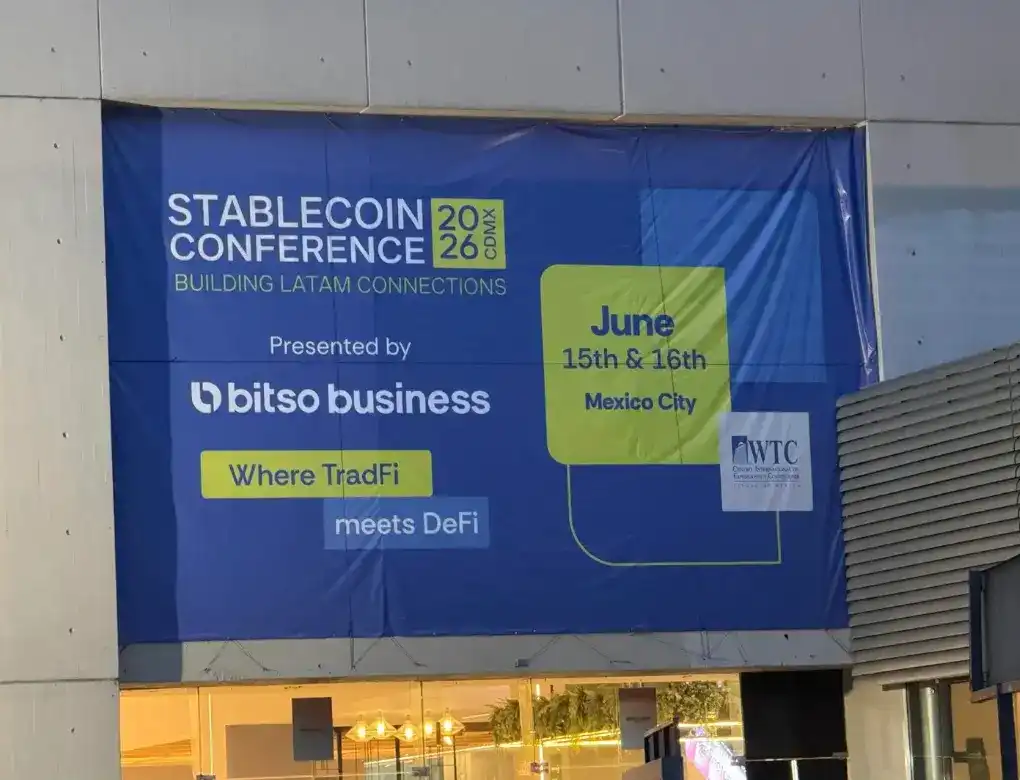
A Forbes feature delves into the state of stablecoin-based cross-border payments, noting rapid growth but a key shortfall: while faster and more accessible, they are not yet cheaper. At a recent industry conference in Mexico City, optimism about technology, regulation, and volume was tempered by discussions with practitioners. The core issue is liquidity. Traditional FX brokers charge 60-70 basis points, and stablecoins promise to slash this to 2-5 basis points. However, this theoretical cost advantage cannot be realized until deep liquidity pools are established at scale, requiring significant institutional capital inflow. A major adoption barrier is trust. Businesses often rely on long-standing relationships with traditional brokers, valuing reliability over marginal cost savings. This shift will be gradual. Furthermore, successful companies in the space are not positioning themselves as replacements for legacy systems like SWIFT, but as complements. They leverage stablecoins for speed while using traditional rails for their standardization and reliability in ensuring accurate payment details—a critical factor for supplier payments to avoid customs issues. Companies like Caliza, experiencing high monthly growth, exemplify this hybrid approach. The industry anticipates consolidation, as long-term viability will depend on securing the essential trifecta: proper licensing, robust fiat on/off-ramps, and deep liquidity. Without these, firms risk being mere intermediaries rather than building sustainable businesses.

marsbit47 dk önce

Forbes Feature: Stablecoin Cross-Border Payments Are Faster, But Not Yet Cheaper

marsbit47 dk önce

Li Feifei's Latest Article: When Video Generation, Robotics, and NVIDIA All Claim to Have 'World Models,' We Need a Taxonomy

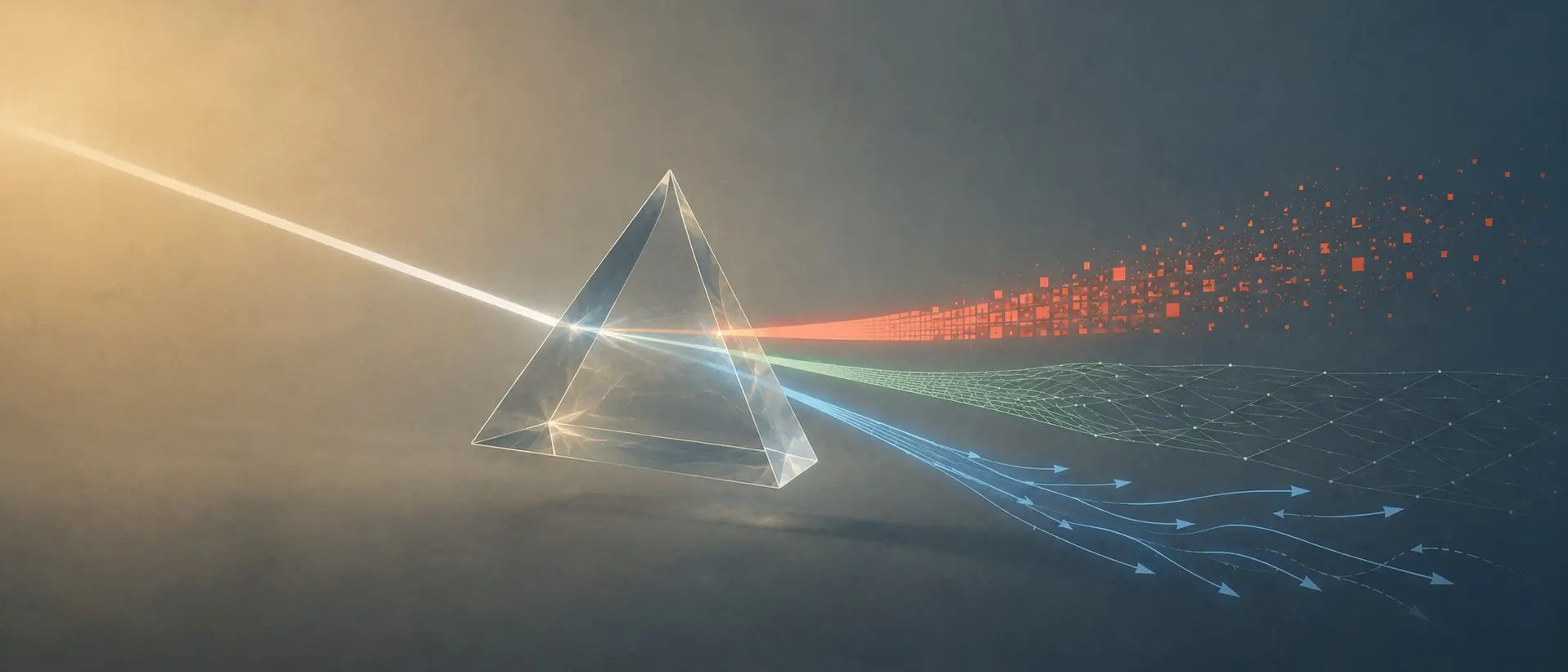
"World Model" has become a widely used yet ambiguous term in AI. Drawing from the classic POMDP framework (agent → action → state → observation), this article proposes a functional taxonomy to clarify the concept. It identifies three distinct types, categorized by their output in the perception-action loop: 1. **Renderers**: Output visual observations (pixels). These models, like advanced video generators, prioritize visual fidelity but often lack underlying physical accuracy. 2. **Simulators**: Output the state of the world (geometry, physics, dynamics). They provide a structurally accurate representation for professionals (e.g., architects) and serve as training environments for robots and AI agents. 3. **Planners**: Output actions. Given an observation and a goal, they determine what an agent should do next, closing the perception-action loop (e.g., vision-language-action models). While renderers are currently the most commercially mature and planners are the most aspirational, the article argues that **simulators are the crucial, underappreciated hub**. By working at the level of geometry and physics, a simulator can project upwards to create visuals for humans and downwards to predict action consequences for agents. The future lies in the convergence of these three functions. Emerging research and products, like World Labs' Marble model which outputs both visual splats and physical collision meshes, are beginning to blur these boundaries. The logical endpoint is a unified world foundation model capable of rendering, simulating, and planning based on a shared understanding of spatial and temporal structures—ultimately enabling machines to understand, imagine, and interact with the physical world.

链捕手58 dk önce

Li Feifei's Latest Article: When Video Generation, Robotics, and NVIDIA All Claim to Have 'World Models,' We Need a Taxonomy

链捕手58 dk önce

İşlemler

Spot
活动图片