Генеральный директор Robinhood рекламирует блокчейн как противоядие от неэффективности фондового рынка

cryptonews.ru2024-05-06 tarihinde yayınlandı2025-03-06 tarihinde güncellendi

Генеральный директор Robinhood Влад Тенев считает, что технология блокчейн в конечном счёте станет основой для торговли акциями. Он утверждает, что инфраструктура криптовалют может сделать финансовые рынки более доступными, экономичными и устойчивыми.

Тенев сделал это заявление во время беседы у камина, в которой он рассказал, как интеграция акций с блокчейн-сетями может устранить многие недостатки традиционных торговых систем, позволив беспрепятственно торговать активами круглосуточно.

Криптовалютные рельсы на фондовых рынках

Тенев указал на круглосуточный характер криптовалютной торговли, более быстрое проведение расчётов и снижение транзакционных издержек как на ключевые преимущества по сравнению с традиционной финансовой инфраструктурой. Он противопоставил это фондовому рынку, где торги ограничены определёнными часами, а расчёты могут занимать несколько дней.

Тенев сказал:

«Нет никаких причин, по которым инвесторы должны иметь возможность торговать мемными монетами в любое время, но сталкиваться с препятствиями при попытке инвестировать в такие компании, как SpaceX или OpenAI».

Он добавил, что та же технология блокчейн, которая используется для криптовалют, может применяться для акций, облигаций и других активов.

В то время как некоторые традиционные финансовые учреждения начали тестировать блокчейн для процессов клиринга и расчётов, неопределённость в сфере регулирования продолжает препятствовать его широкому распространению.

По словам Тенева, законы о ценных бумагах в США в значительной степени ограничивают интеграцию криптовалют с реальными финансовыми активами, не позволяя им полностью раскрыть свой потенциал.

Преодоление нормативных барьеров

Тенев утверждал, что медленное внедрение криптоинфраструктуры на традиционных рынках связано не с технологическими ограничениями, а скорее с отсутствием ясности в законодательстве.

Он заявил:

«Нам не разрешают связывать криптовалюту с производственными активами в США из-за законов о ценных бумагах, но это то, с чем нам нужно разобраться».

Однако он признал, что при нынешней администрации ситуация начинает меняться, и выразил оптимизм по поводу преодоления препятствий, которые до сих пор сдерживали развитие отрасли.

На этой неделе Тенев планирует принять участие в саммите White House Crypto Summit, где он будет выступать за более чёткое регулирование, которое позволит технологии блокчейн поддерживать основные финансовые рынки.

Robinhood, которая расширила свои предложения в сфере криптовалют, несмотря на пристальное внимание регулирующих органов, позиционирует себя как лидера в экосистеме цифровых активов в США. Компания постепенно расширяла свои криптосервисы наряду с платформой для торговли акциями, предоставляя розничным инвесторам доступ к обоим рынкам.

Комментарии Тенева прозвучали на фоне того, что крупные финансовые игроки, в том числе управляющие активами и банки, изучают способы интеграции блокчейна в свою деятельность. Некоторые из них уже экспериментируют с токенизированными ценными бумагами и расчётами цифровыми активами.

Тенев считает, что если регулирующие органы предоставят более чёткую структуру, то криптотехнологии могут стать основой финансовой системы нового поколения, обеспечив эффективность и доступность блокчейна для торговли акциями и не только.

İlgili Okumalar

Li Fei-Fei's Latest Long-Form Article: When Video Generation, Robotics, and NVIDIA All Call Themselves World Models, We Need a Taxonomy

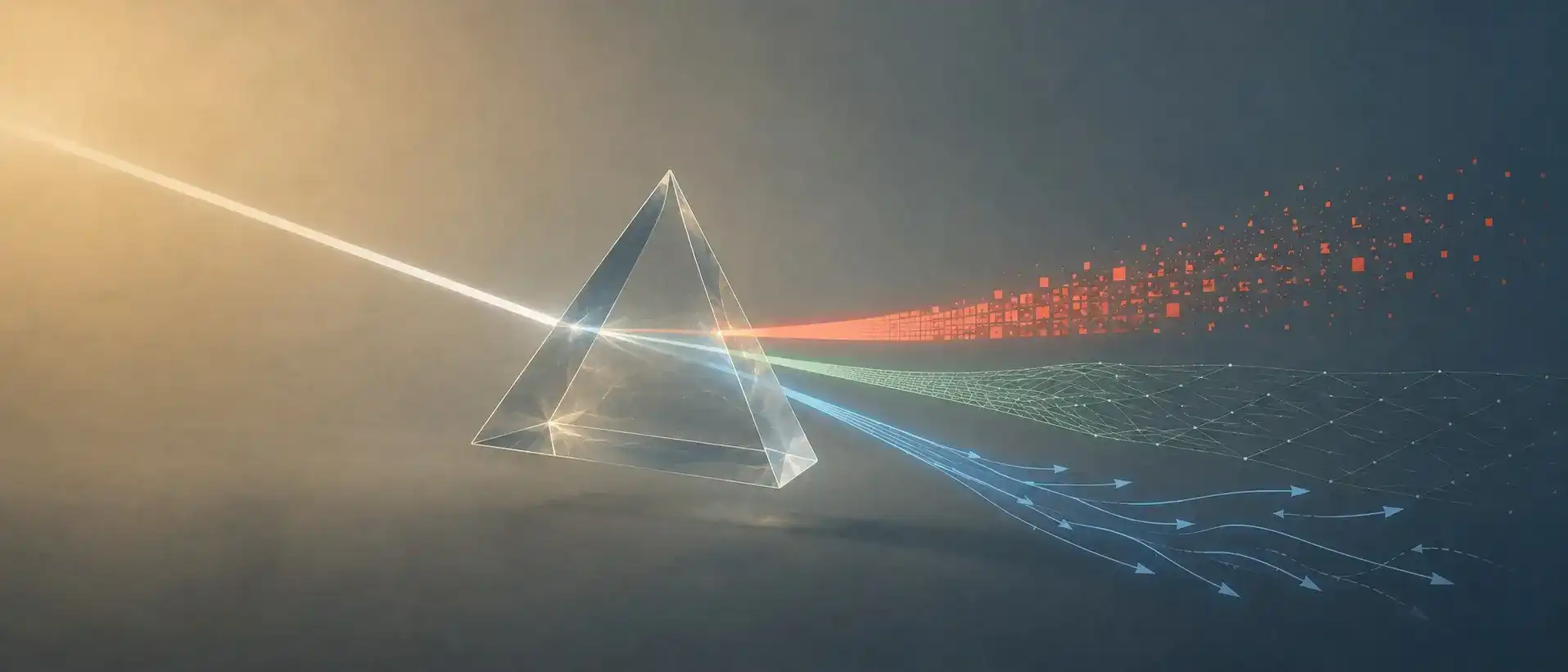
In a new article, Dr. Fei-Fei Li addresses the widespread and often inconsistent use of the term "world model" in AI. She proposes a clear, functional taxonomy rooted in the classic Partially Observable Markov Decision Process (POMDP) loop (agent → action → state → observation → agent). According to this framework, current systems called "world models" are different projections of this loop, categorized by their primary output: 1. **Renderers**: Output observations (pixels). Their goal is visual fidelity for human consumption (e.g., video generation models like Sora). They are the most commercially mature but are limited by a focus on appearance over physical accuracy. 2. **Simulators**: Output states (geometric, physical, dynamic representations). They provide a structurally accurate world for both human professionals (e.g., architects) and computational agents (e.g., robots for training). Li argues simulators are the crucial, underappreciated bridge, as they can underpin both rendering and planning. 3. **Planners**: Output actions. Given an observation and a goal, they decide what an agent should do next (e.g., robotic action models). This area is highly promising but remains the least mature for real-world deployment. Li highlights a key trend: the boundaries between these three categories are beginning to blur, as they all rely on a shared underlying understanding of geometry, physics, and dynamics. The logical endpoint is a unified world foundation model capable of switching between rendering, simulation, and planning based on downstream needs. This convergence, she concludes, is central to advancing spatial intelligence—enabling machines not just to talk about the world, but to truly understand, imagine, and interact with it.

marsbit1 saat önce

Li Fei-Fei's Latest Long-Form Article: When Video Generation, Robotics, and NVIDIA All Call Themselves World Models, We Need a Taxonomy

marsbit1 saat önce

Forbes Feature: Stablecoin Cross-Border Payments Are Faster, But Not Yet Cheaper

A Forbes feature delves into the state of stablecoin-based cross-border payments, noting rapid growth but a key shortfall: while faster and more accessible, they are not yet cheaper. At a recent industry conference in Mexico City, optimism about technology, regulation, and volume was tempered by discussions with practitioners. The core issue is liquidity. Traditional FX brokers charge 60-70 basis points, and stablecoins promise to slash this to 2-5 basis points. However, this theoretical cost advantage cannot be realized until deep liquidity pools are established at scale, requiring significant institutional capital inflow. A major adoption barrier is trust. Businesses often rely on long-standing relationships with traditional brokers, valuing reliability over marginal cost savings. This shift will be gradual. Furthermore, successful companies in the space are not positioning themselves as replacements for legacy systems like SWIFT, but as complements. They leverage stablecoins for speed while using traditional rails for their standardization and reliability in ensuring accurate payment details—a critical factor for supplier payments to avoid customs issues. Companies like Caliza, experiencing high monthly growth, exemplify this hybrid approach. The industry anticipates consolidation, as long-term viability will depend on securing the essential trifecta: proper licensing, robust fiat on/off-ramps, and deep liquidity. Without these, firms risk being mere intermediaries rather than building sustainable businesses.

marsbit1 saat önce

Forbes Feature: Stablecoin Cross-Border Payments Are Faster, But Not Yet Cheaper

marsbit1 saat önce

Li Feifei's Latest Article: When Video Generation, Robotics, and NVIDIA All Claim to Have 'World Models,' We Need a Taxonomy

"World Model" has become a widely used yet ambiguous term in AI. Drawing from the classic POMDP framework (agent → action → state → observation), this article proposes a functional taxonomy to clarify the concept. It identifies three distinct types, categorized by their output in the perception-action loop: 1. **Renderers**: Output visual observations (pixels). These models, like advanced video generators, prioritize visual fidelity but often lack underlying physical accuracy. 2. **Simulators**: Output the state of the world (geometry, physics, dynamics). They provide a structurally accurate representation for professionals (e.g., architects) and serve as training environments for robots and AI agents. 3. **Planners**: Output actions. Given an observation and a goal, they determine what an agent should do next, closing the perception-action loop (e.g., vision-language-action models). While renderers are currently the most commercially mature and planners are the most aspirational, the article argues that **simulators are the crucial, underappreciated hub**. By working at the level of geometry and physics, a simulator can project upwards to create visuals for humans and downwards to predict action consequences for agents. The future lies in the convergence of these three functions. Emerging research and products, like World Labs' Marble model which outputs both visual splats and physical collision meshes, are beginning to blur these boundaries. The logical endpoint is a unified world foundation model capable of rendering, simulating, and planning based on a shared understanding of spatial and temporal structures—ultimately enabling machines to understand, imagine, and interact with the physical world.

链捕手1 saat önce

Li Feifei's Latest Article: When Video Generation, Robotics, and NVIDIA All Claim to Have 'World Models,' We Need a Taxonomy

链捕手1 saat önce

İşlemler

Spot
活动图片