OM 一年暴涨百倍,冲击新高还是泡沫将破?现在还能上车吗?

marsbit2025-02-14 tarihinde yayınlandı2025-02-15 tarihinde güncellendi

过去一年,加密货币市场中涌现了不少令人惊叹的资产和项目,而在其中,OM的表现堪称极为亮眼,暴涨超过百倍,迅速引发了投资者和媒体的关注。那么,这个名为OM的代币究竟是什么?它为何能取得如此迅猛的增长?其暴涨背后的原因和未来前景又如何?是否还值得投资?本文将带您深入解析OM的市场表现及其未来走向,帮助您做出理性判断。
OM代币

1. OM 是什么?MANTRA 生态系统的核心代币

MANTRA (OM) 作为一个去中心化金融平台和第1层区块链,旨在促进现实资产的代币化和交易。该平台提供了一个无许可的区块链环境,专为许可应用程序量身定制,适合机构使用。作为原生代币,OM在平台内承担多个功能,包括治理、质押、借贷和流动性提供等。OM代币不仅用于平台的治理和奖励,还在RWA投资中发挥关键作用。它鼓励用户参与平台生态建设,并通过质押和激励机制实现价值增长。通过这一创新,MANTRA平台为DeFi用户提供了更多的资产配置和收益机会,OM的市场需求也因此大幅增加。

2. OM 暴涨的原因分析

OM代币的暴涨并非偶然,而是由多个因素共同作用的结果。下面我们将从几个关键点分析OM的暴涨原因。

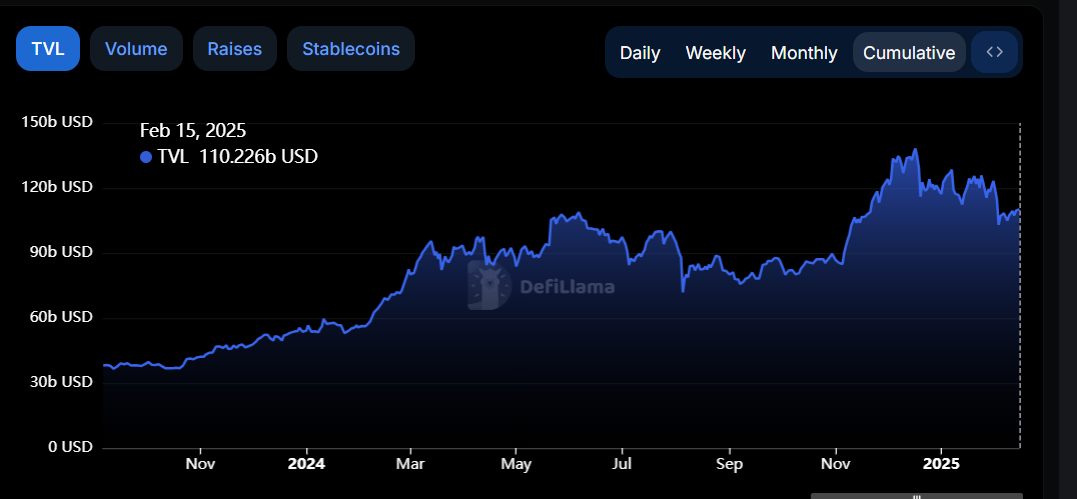
  • DeFi的爆发式增长为OM提供了强大的市场支持。2024年,DeFi总价值锁仓(TVL)突破了1500亿美元,而在过去12个月中,DeFi市场的TVL增长了约80%。随着DeFi市场的持续扩展,MANTRA作为其中的活跃平台,迅速吸引了大量的投资者和用户,OM代币的需求也随之增加。OM作为平台的核心代币,成为投资者进入MANTRA生态的主要途径,推动了其价格的上涨。
OM代币

  • 强大的社区支持是OM暴涨的另一重要原因。MANTRA平台的活跃社区是其成功的重要保障。根据MANTRA官方数据显示,平台用户增长速度在过去一年增加了200%,社区参与度和治理投票的活跃度持续攀升。这种强大的社区支持使得OM代币的流通性和市场需求不断增强,投资者和用户积极参与OM的质押与奖励机制,进一步促进了OM价格的上涨。
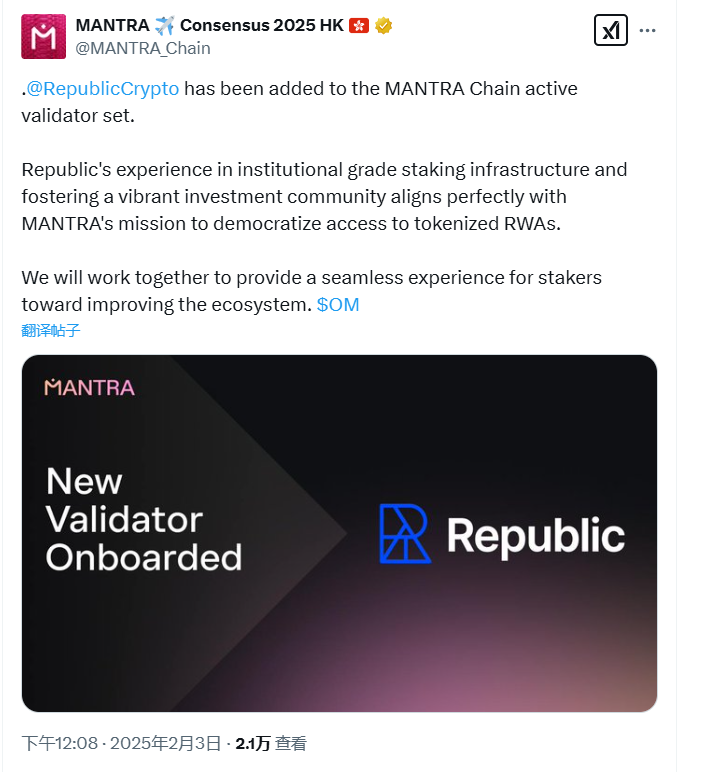
  • RWA资产的引入则是OM暴涨的一个关键因素之一。MANTRA平台通过将现实世界资产(RWA)代币化,拓宽了投资者的资产配置选择。例如,MANTRA通过与某些房地产项目合作,将房地产资产代币化,给DeFi用户带来了接触实体资产的机会。这种创新模式已经吸引了超过1亿美元的投资流入,平台的RWA资产池在2024年增长了35%,而这些RWA代币的发行和交易量直接推动了OM的需求增加。根据平台的数据,RWA代币化后,参与这些资产的用户对OM代币的需求量增长了50%。
OM代币

  • 市场情绪和资金涌入也对OM的价格暴涨起到了推动作用。根据CryptoQuant的数据显示,2024年加密货币市场的资金流入显著增长,其中DeFi项目的资金流入同比增长了120%。尤其是比特币价格上涨引发了投资者对风险资产的更大兴趣,使得OM等小型DeFi代币得到了更高的关注和资金支持。

3. OM 的市场表现:从默默无闻到百倍神话

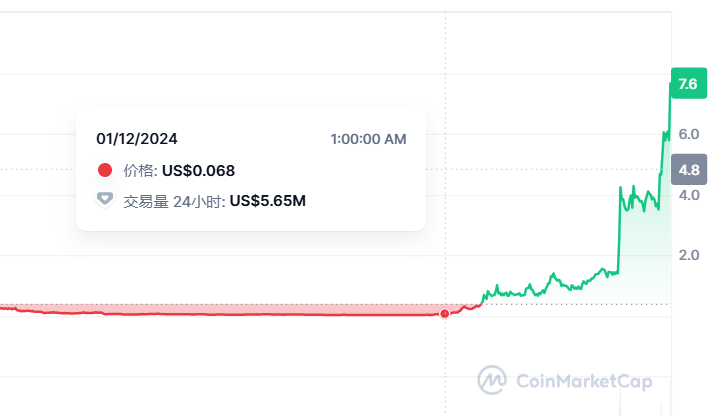
回顾OM代币的市场表现,可以说它从一个较为默默无闻的小众项目,一跃成为市场中的“百倍神话”。过去一年,OM的价格从几美分飙升至超过8美元,涨幅之惊人堪比任何加密货币市场的“黑马”。

OM的暴涨并非突如其来,而是在市场的细致积累和不断扩展的生态圈的推动下逐步形成的。从早期的低估值到市场对MANTRA平台的认知逐步加深,OM代币的价格也在持续上涨。随着平台不断发展,OM代币的应用场景不断扩大,其需求量也不断增加,这使得OM的价格在短短一年内实现了百倍上涨。

OM的涨幅吸引了大量投资者和媒体的关注,尤其是在DeFi热潮的背景下,OM的增长更是令人瞩目。MANTRA平台的成功案例和用户体验不断得到市场验证,为OM代币的价值提供了坚实的基础。

4. OM 的未来前景:冲击新高还是泡沫将破?

对于OM的未来前景,市场中有不同的看法。虽然当前OM的表现极为亮眼,但也有一些警惕的声音认为,OM的暴涨可能隐藏着泡沫的风险。我们可以从以下几个方面来分析OM的未来走势。

  • MANTRA生态系统的持续发展

MANTRA平台的长期发展将直接影响OM代币的未来价值。平台的治理机制、金融产品创新以及用户增长将决定OM代币的需求量。如果MANTRA能够持续扩大其生态系统,吸引更多的用户和资金,OM的价格仍有可能继续上涨。

  • DeFi市场的竞争与挑战

DeFi市场是一个竞争激烈的领域,许多项目都在争夺市场份额。MANTRA作为一个相对较新的DeFi平台,面临着来自其他大型DeFi项目的竞争。如果MANTRA未能保持其创新能力和市场吸引力,OM的价格可能会受到影响。

  • 市场情绪的波动

加密货币市场本身波动性较大,OM的价格也可能会受到市场情绪的影响。虽然市场的需求推动了OM的上涨,但一旦市场情绪转变,OM的价格也可能面临大幅回调。

5. 现在还能上车吗?

对于当前是否值得投资OM代币的问题,我们需要考虑几个因素。

  • 首先,OM代币的价格已经上涨了百倍,当前的市值较高,投资风险相对较大。
  • 其次,MANTRA平台的未来发展和市场竞争将直接影响OM的价格走势。如果平台能够持续创新并扩大生态效应,OM仍有较大的上涨潜力。但如果市场情绪发生剧变,OM的价格可能会遭遇回调。

因此,对于投资者来说,是否上车OM取决于个人的风险承受能力和对MANTRA平台长期发展的信心。如果您相信MANTRA的生态系统将在未来继续扩展,且有足够的风险容忍度,那么目前仍可考虑适量投资;但如果您对加密货币市场的波动性存在担忧,建议谨慎决策。

6. 结语

OM代币在过去一年的暴涨无疑是加密货币市场中的一大亮点。通过分析其暴涨的原因和市场表现,我们可以看到,OM的增长并非偶然,而是由去中心化金融的兴起、强大的社区支持、奖励机制的吸引力以及市场情绪的推动共同作用的结果。

然而,未来OM能否继续上涨,仍然取决于MANTRA平台的发展、DeFi市场的竞争态势以及市场情绪的变化。在考虑是否投资时,投资者需要理性判断,权衡风险和潜在收益,谨慎作出决策。

加密货币市场充满不确定性,机会和风险并存。对于那些准备上车OM的投资者来说,了解市场动态并保持敏锐的洞察力,将是成败的关键。
İlgili Okumalar

Examining the Open USD Partner Lineup: Follow Who's Joining to See Where the Money Flows

**Title: Deciphering the Open USD Partner Roster: Following the Money** The launch of Open USD is notable less for the stablecoin itself and more for its expansive list of over 140 founding partners, which reads like a "who's who" of global finance and tech. This coalition, including asset managers like BlackRock, card networks Visa and Mastercard, banks (BNY Mellon, Standard Chartered, etc.), tech giants (Google, IBM), merchants (Shopify), and crypto firms (Coinbase, Ripple, Aave, MetaMask), signals a strategic shift. The diverse membership reveals that stablecoins are increasingly viewed not as products to compete over, but as shared infrastructure too critical to be left to any single entity. Each partner category has distinct motives. Asset managers like BlackRock seek to manage the large, sticky cash reserves, a lucrative fee-generating opportunity. Merchants like Shopify aim for lower-cost settlement and potential yield on balances. Banks join defensively to retain custody and settlement roles, fearing deposit outflows to stablecoins. Tech companies bet on programmable money for future machine-to-machine commerce. Crypto firms gain mainstream legitimacy and distribution channels. Remarkably, the consortium includes direct competitors (Visa vs. Mastercard, Coinbase vs. Ripple), indicating that the fear of exclusion from this emerging financial layer outweighs competitive rivalries. However, this shared governance could also lead to slow decision-making. The roster's composition is the real message: it represents a collective bet that a widely accepted, consortium-owned stablecoin is preferable to proprietary versions or having none at all. For incumbents like Circle and Tether, this alliance poses a significant threat, as potential clients have collectively chosen to build their own alternative. The absence of major U.S. retail banks (busy with their own tokenized deposit networks) is equally telling. In essence, the partner list maps where the industry believes value and risk will flow in a tokenized dollar future, marking stablecoin's evolution from a product to a utility.

Foresight News8 dk önce

Examining the Open USD Partner Lineup: Follow Who's Joining to See Where the Money Flows

Foresight News8 dk önce

IOSG: Q-Day Countdown, Will Quantum Computing End Cryptocurrency?

IOSG: The Q-Day Countdown – Will Quantum Computing End Cryptocurrency? This analysis explores the looming threat quantum computing poses to blockchain technology. Quantum computers, leveraging Shor's algorithm, could theoretically break the elliptic curve cryptography (ECC) underpinning cryptocurrencies like Bitcoin and Ethereum. The article outlines a hypothetical "Q-Day" scenario where exposed public keys from dormant assets are compromised, leading to fund theft and a deep governance crisis. The core risk is not the complete erasure of blockchains but a systemic reset of public-key cryptography. Bitcoin faces significant challenges due to its "code-is-law" ethos and the immense social consensus required for migration. Its primary vulnerability lies in legacy UTXOs with publicly exposed keys. Ethereum's path involves a more complex, full-stack cryptographic agility upgrade across execution, consensus, and data layers. The industry has a limited "engineering comfort window" of 5-8 years to coordinate a migration to post-quantum cryptography (PQC), such as lattice-based or hash-based signatures. While the existential threat is often overstated, the real bottleneck is the immense coordination required across protocol developers, node operators, wallet providers, exchanges, and custodians. Market repricing of crypto assets may occur well before an actual Q-Day if quantum hardware roadmaps accelerate or regulatory pressure mounts. The article concludes that quantum computing is not a doomsday weapon but a severe stress test for blockchain's foundational security model and governance structures.

marsbit37 dk önce

IOSG: Q-Day Countdown, Will Quantum Computing End Cryptocurrency?

marsbit37 dk önce

Why 2026 could redefine Ethereum, Solana, Base and Avalanche

Blockchain infrastructure is undergoing a major coordinated transformation, driven by institutional demand for reliability, compliance, and predictable settlement. Over $30 billion in Real-World Assets (RWA) on-chain has exposed network weaknesses. Major blockchains are responding with foundational upgrades, moving beyond incremental speed improvements. Ethereum's "Glamsterdam" upgrade, planned for H1 2026, will significantly increase gas limits and introduce features like PBS (pre-blocked state) for enhanced settlement and parallel execution. Solana's "Alpenglow," targeting a mainnet launch in H2 2026, focuses on reducing finality time dramatically and freeing network resources to improve reliability. Beyond speed, compliance is critical. Base's "Beryl" upgrade in Q3 2026 will introduce a standardized, regulatory-compliant token framework (B20). Avalanche's "Octane" upgrade aims to boost transaction processing and reduce costs for enterprise applications. Even Bitcoin is evolving with the potential activation of OP_CAT by late 2026/early 2027. The competition is shifting. While technical upgrades are widespread, institutions will ultimately allocate capital based on proven execution, operational resilience, and regulatory compatibility during market stress. Ethereum currently leads in tokenized assets, while networks like Base and Solana are strengthening their institutional offerings. The blockchain that best delivers reliable, compliant, and uninterrupted service is poised to attract the greatest share of future institutional capital.

ambcrypto1 saat önce

Why 2026 could redefine Ethereum, Solana, Base and Avalanche

ambcrypto1 saat önce

İşlemler

Spot
活动图片