Какие токены покупают киты после падения рынка?

cryptonews.ru2024-05-05 tarihinde yayınlandı2025-02-05 tarihinde güncellendi

Крупные инвесторы во время последнего падения рынка активно покупали ONDO, WLD и VIRTUAL. Рассмотрим, какие из этих токенов привлекли наибольшее внимание со стороны крупных холдеров.

Worldcoin

Токен завершил 2024 год 8% снижением цены. Особенно заметным это падение было на фоне роста интереса к AI-проектам в криптовалютной сфере в конце года.

Тем не менее во время последнего падения киты активно откупали WLD, показывая уверенность в долгосрочной перспективе токена.
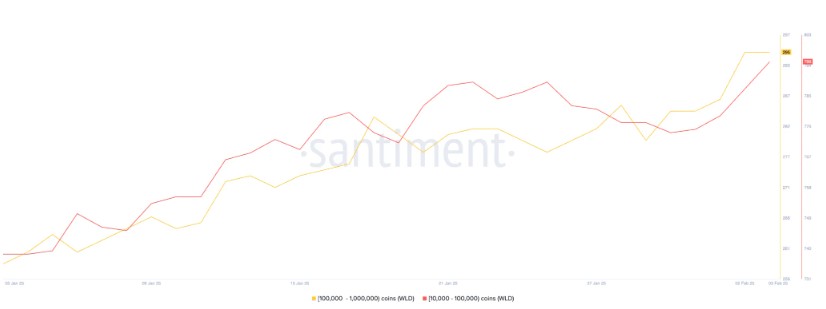
Количество адресов, содержащих не менее 10 000 WLD. Источник: Santiment

С 31 января количество крупных холдеров, которые владеют от 10 тыс. WLD, а также тех, у кого от 100 тыс. WLD достигло рекордных значений. Инвесторы видят потенциал на текущих уровнях, несмотря на печальную ситуацию на графике.

За последнюю неделю цена токена снизилась на 23%, а за последний месяц — на 45%. На момент написания токен торгуется по $1,32. Если тренд на накопление продолжится, WLD может начать возвращаться на прежние уровни.

Virtuals Protocol

Токен оказался одним из самых пострадавших AI-токенов. За последний месяц он утратил 65% цены. Но свежие данные указывают на возможное изменение настроений среди крупных держателей.
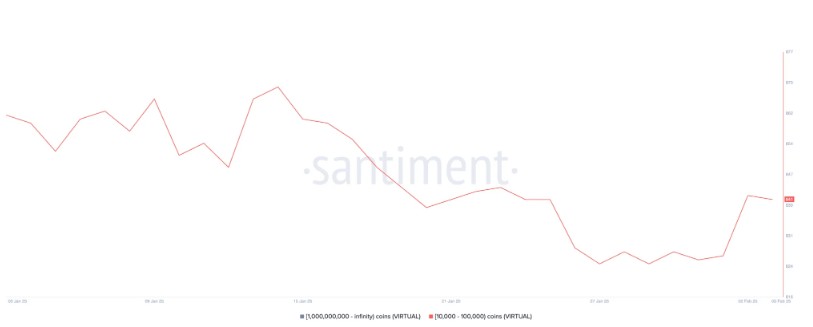
Количество адресов, содержащих от 10 000 до 100 000 VIRTUAL. Источник: Santiment

Количество адресов с балансом от 10 000 VIRTUAL сначала сократилось с 841 до 825, а затем стабилизировалось. После недавнего обвала рынка значение вернулось назад.

За последние семь дней цена снизилась на 28% и сейчас составляет $1,43. Общая капитализация составляет $929 млн.

Ondo

Токен закрепился как один из ведущих проектов в сфере токенизации реальных активов (RWA). Токен показал рост на 453% в 2024 году. Несмотря на коррекцию на крипторынке, ONDO смог устоять. Токен вернулся к значениям, которые были до падения. На момент написания его капитализация составляет $4,4 млрд, а торгуется токен по $1,4.
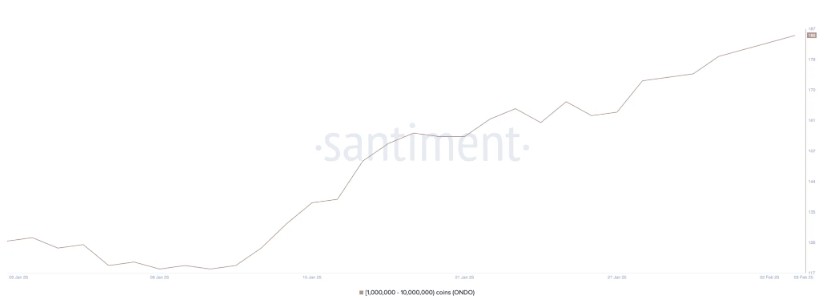
Количество адресов, на которых хранится не менее 1 млн. ONDO. Источник: Santiment

Количество кошельков, содержащих не менее 1 000 000 ONDO, продолжает расти. На данный момент таких китов 186. Крупные холдеры уверены в долгосрочных перспективах ONDO.


Trend Kriptolar

İlgili Okumalar

Li Fei-Fei's Latest Long-Form Article: When Video Generation, Robotics, and NVIDIA All Call Themselves World Models, We Need a Taxonomy

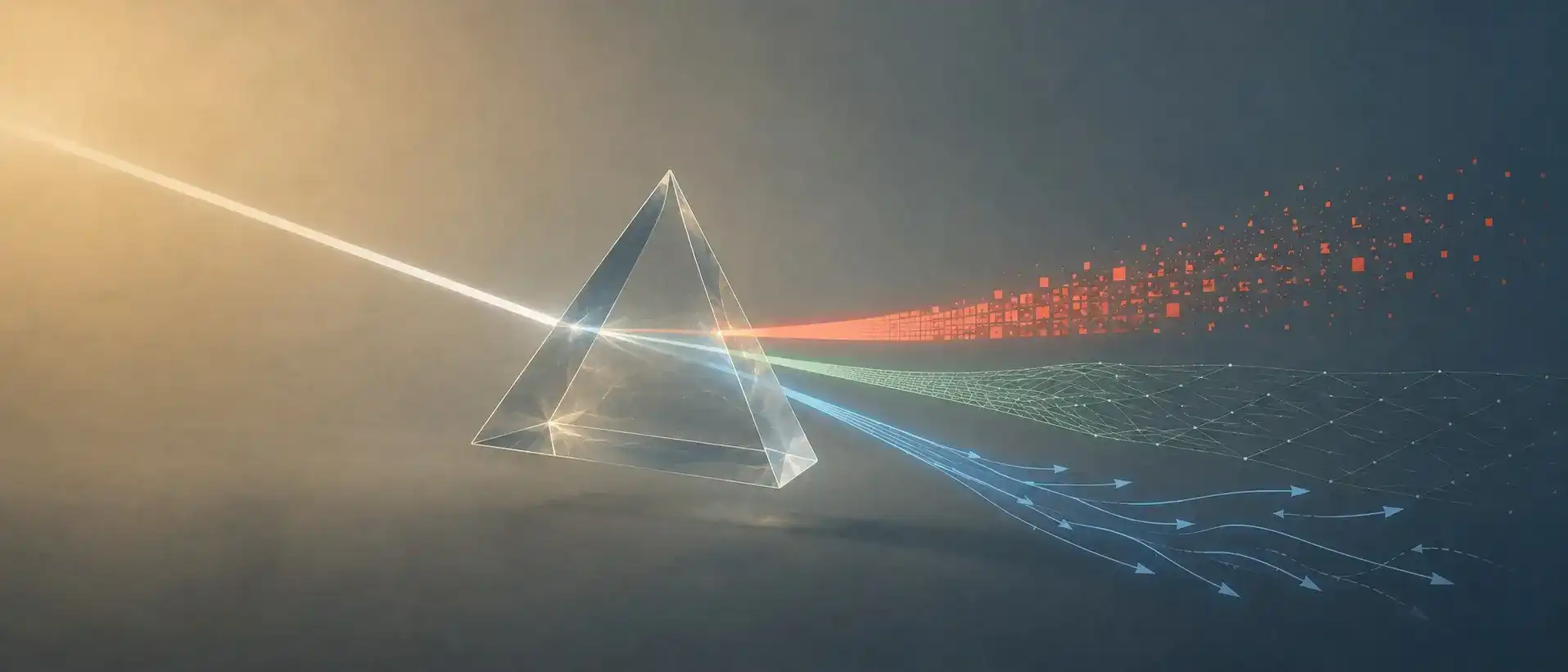
In a new article, Dr. Fei-Fei Li addresses the widespread and often inconsistent use of the term "world model" in AI. She proposes a clear, functional taxonomy rooted in the classic Partially Observable Markov Decision Process (POMDP) loop (agent → action → state → observation → agent). According to this framework, current systems called "world models" are different projections of this loop, categorized by their primary output: 1. **Renderers**: Output observations (pixels). Their goal is visual fidelity for human consumption (e.g., video generation models like Sora). They are the most commercially mature but are limited by a focus on appearance over physical accuracy. 2. **Simulators**: Output states (geometric, physical, dynamic representations). They provide a structurally accurate world for both human professionals (e.g., architects) and computational agents (e.g., robots for training). Li argues simulators are the crucial, underappreciated bridge, as they can underpin both rendering and planning. 3. **Planners**: Output actions. Given an observation and a goal, they decide what an agent should do next (e.g., robotic action models). This area is highly promising but remains the least mature for real-world deployment. Li highlights a key trend: the boundaries between these three categories are beginning to blur, as they all rely on a shared underlying understanding of geometry, physics, and dynamics. The logical endpoint is a unified world foundation model capable of switching between rendering, simulation, and planning based on downstream needs. This convergence, she concludes, is central to advancing spatial intelligence—enabling machines not just to talk about the world, but to truly understand, imagine, and interact with it.

marsbit1 saat önce

Li Fei-Fei's Latest Long-Form Article: When Video Generation, Robotics, and NVIDIA All Call Themselves World Models, We Need a Taxonomy

marsbit1 saat önce

Forbes Feature: Stablecoin Cross-Border Payments Are Faster, But Not Yet Cheaper

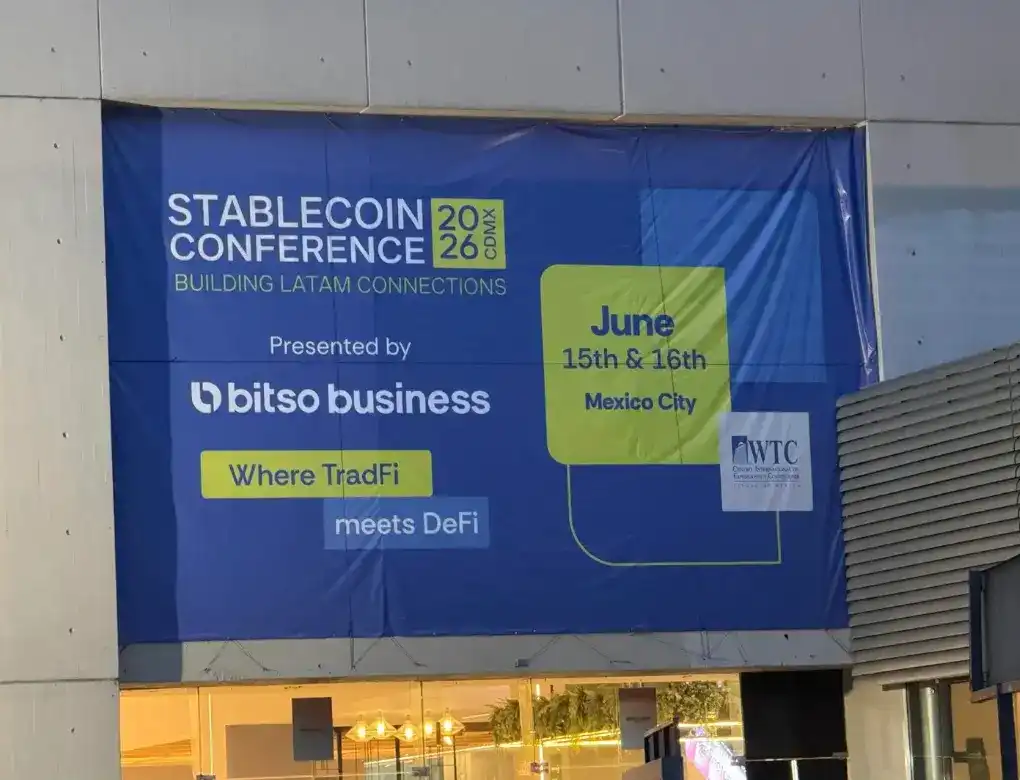
A Forbes feature delves into the state of stablecoin-based cross-border payments, noting rapid growth but a key shortfall: while faster and more accessible, they are not yet cheaper. At a recent industry conference in Mexico City, optimism about technology, regulation, and volume was tempered by discussions with practitioners. The core issue is liquidity. Traditional FX brokers charge 60-70 basis points, and stablecoins promise to slash this to 2-5 basis points. However, this theoretical cost advantage cannot be realized until deep liquidity pools are established at scale, requiring significant institutional capital inflow. A major adoption barrier is trust. Businesses often rely on long-standing relationships with traditional brokers, valuing reliability over marginal cost savings. This shift will be gradual. Furthermore, successful companies in the space are not positioning themselves as replacements for legacy systems like SWIFT, but as complements. They leverage stablecoins for speed while using traditional rails for their standardization and reliability in ensuring accurate payment details—a critical factor for supplier payments to avoid customs issues. Companies like Caliza, experiencing high monthly growth, exemplify this hybrid approach. The industry anticipates consolidation, as long-term viability will depend on securing the essential trifecta: proper licensing, robust fiat on/off-ramps, and deep liquidity. Without these, firms risk being mere intermediaries rather than building sustainable businesses.

marsbit1 saat önce

Forbes Feature: Stablecoin Cross-Border Payments Are Faster, But Not Yet Cheaper

marsbit1 saat önce

Li Feifei's Latest Article: When Video Generation, Robotics, and NVIDIA All Claim to Have 'World Models,' We Need a Taxonomy

"World Model" has become a widely used yet ambiguous term in AI. Drawing from the classic POMDP framework (agent → action → state → observation), this article proposes a functional taxonomy to clarify the concept. It identifies three distinct types, categorized by their output in the perception-action loop: 1. **Renderers**: Output visual observations (pixels). These models, like advanced video generators, prioritize visual fidelity but often lack underlying physical accuracy. 2. **Simulators**: Output the state of the world (geometry, physics, dynamics). They provide a structurally accurate representation for professionals (e.g., architects) and serve as training environments for robots and AI agents. 3. **Planners**: Output actions. Given an observation and a goal, they determine what an agent should do next, closing the perception-action loop (e.g., vision-language-action models). While renderers are currently the most commercially mature and planners are the most aspirational, the article argues that **simulators are the crucial, underappreciated hub**. By working at the level of geometry and physics, a simulator can project upwards to create visuals for humans and downwards to predict action consequences for agents. The future lies in the convergence of these three functions. Emerging research and products, like World Labs' Marble model which outputs both visual splats and physical collision meshes, are beginning to blur these boundaries. The logical endpoint is a unified world foundation model capable of rendering, simulating, and planning based on a shared understanding of spatial and temporal structures—ultimately enabling machines to understand, imagine, and interact with the physical world.

链捕手1 saat önce

Li Feifei's Latest Article: When Video Generation, Robotics, and NVIDIA All Claim to Have 'World Models,' We Need a Taxonomy

链捕手1 saat önce

İşlemler

Spot

Popüler Makaleler

ONDO Nasıl Satın Alınır

HTX.com’a hoş geldiniz! OndoFinance (ONDO) satın alma işlemlerini basit ve kullanışlı bir hâle getirdik. Adım adım açıkladığımız rehberimizi takip ederek kripto yolculuğunuza başlayın. 1. Adım: HTX Hesabınızı OluşturunHTX'te ücretsiz bir hesap açmak için e-posta adresinizi veya telefon numaranızı kullanın. Sorunsuzca kaydolun ve tüm özelliklerin kilidini açın. Hesabımı Aç2. Adım: Kripto Satın Al Bölümüne Gidin ve Ödeme Yönteminizi SeçinKredi/Banka Kartı: Visa veya Mastercard'ınızı kullanarak anında OndoFinance (ONDO) satın alın.Bakiye: Sorunsuz bir şekilde işlem yapmak için HTX hesap bakiyenizdeki fonları kullanın.Üçüncü Taraflar: Kullanımı kolaylaştırmak için Google Pay ve Apple Pay gibi popüler ödeme yöntemlerini ekledik.P2P: HTX'teki diğer kullanıcılarla doğrudan işlem yapın.Borsa Dışı (OTC): Yatırımcılar için kişiye özel hizmetler ve rekabetçi döviz kurları sunuyoruz.3. Adım: OndoFinance (ONDO) Varlıklarınızı SaklayınOndoFinance (ONDO) satın aldıktan sonra HTX hesabınızda saklayın. Alternatif olarak, blok zinciri transferi yoluyla başka bir yere gönderebilir veya diğer kripto para birimlerini takas etmek için kullanabilirsiniz.4. Adım: OndoFinance (ONDO) Varlıklarınızla İşlem YapınHTX'in spot piyasasında OndoFinance (ONDO) ile kolayca işlemler yapın.Hesabınıza erişin, işlem çiftinizi seçin, işlemlerinizi gerçekleştirin ve gerçek zamanlı olarak izleyin. Hem yeni başlayanlar hem de deneyimli yatırımcılar için kullanıcı dostu bir deneyim sunuyoruz.

299 Toplam GörüntülenmeYayınlanma 2024.12.12Güncellenme 2026.06.02

ONDO Nasıl Satın Alınır

Tartışmalar

HTX Topluluğuna hoş geldiniz. Burada, en son platform gelişmeleri hakkında bilgi sahibi olabilir ve profesyonel piyasa görüşlerine erişebilirsiniz. Kullanıcıların ONDO (ONDO) fiyatı hakkındaki görüşleri aşağıda sunulmaktadır.

活动图片