НБУ обвинил криптокредитора BitCapital в оказании нелегальных услуг

cryptonews.ru2024-07-05 tarihinde yayınlandı2025-02-05 tarihinde güncellendi

Украинский онлайн-сервис BitCapital, выдающий займы в стейблкоинах USDT, создал незаконную схему по предоставлению услуги кредитования. Об этом сообщает НБУ.

Регулятор получил свыше 700 обращений граждан, которые жаловались на высокие процентные ставки, неправомерные начисления, агрессивную политику взыскания долгов и непрозрачность условий кредитования.

Проверка Нацбанка показала, что BitCapital формально предоставлял ссуды в USDT, но фактически выдавал кредиты в гривне в обход законодательства.

«Выявлены системные нарушения: превышение предельно допустимых процентных ставок, манипуляции с раскрытием информации о реальной стоимости кредита, введение потребителей в заблуждение об условиях договора», — отметили в НБУ.

До момента выполнения всех требований законодательства о деятельности на финансовом рынке компании запрещено осуществлять ​​деятельность на территории Украины.

«Сфера виртуальных активов находится в состоянии формирования, что создает потенциальные риски для манипуляций со стороны недобросовестных участников рынка. Отсутствие комплексного правового регулирования приводит к появлению опасных схем», — добавили представители регулятора.

НБУ передал материалы проверки в Нацполицию и БЭБ с просьбой принять меры для прекращения противоправной деятельности BitCapital.

Также регулятор выявил ряд финансовых учреждений, сотрудничавших с сервисом, и намерен подготовить механизмы по защите легальных участников финансового рынка от подобных «партнерств».

Ранее БЭБ через суд потребовало заблокировать криптовалютную биржу Kuna по обвинению в неуплате налогов. Основатель компании Михаил Чобанян принял решение закрыть платформу и прекратить коммерческую деятельность в Украине.

Напомним, в сентябре 2024 года НБУ призвал коммерческие банки объединить усилия для мониторинга P2P-переводов клиентов во избежание махинаций по установленным с 1 октября лимитам в 150 000 гривен.

İlgili Okumalar

Why 2026 could redefine Ethereum, Solana, Base and Avalanche

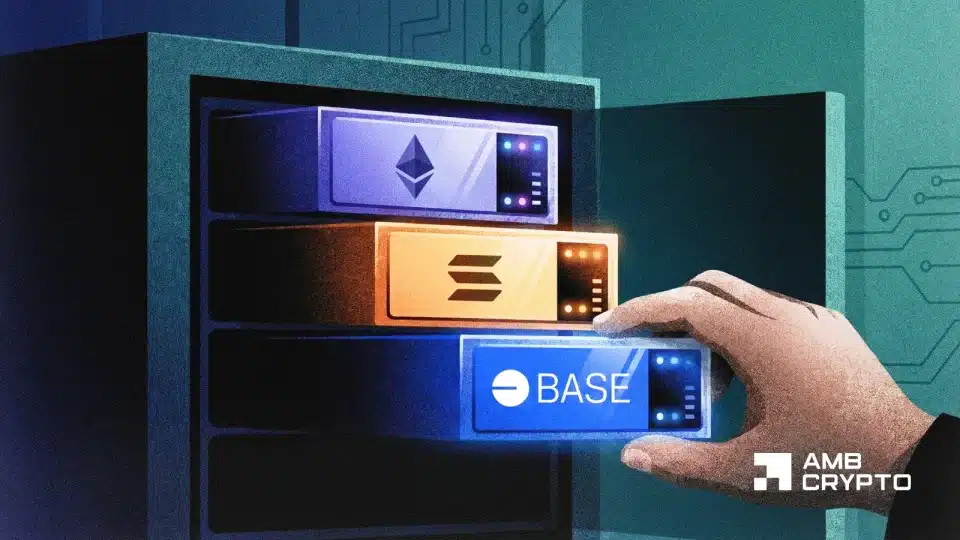
Blockchain infrastructure is undergoing a major coordinated transformation, driven by institutional demand for reliability, compliance, and predictable settlement. Over $30 billion in Real-World Assets (RWA) on-chain has exposed network weaknesses. Major blockchains are responding with foundational upgrades, moving beyond incremental speed improvements. Ethereum's "Glamsterdam" upgrade, planned for H1 2026, will significantly increase gas limits and introduce features like PBS (pre-blocked state) for enhanced settlement and parallel execution. Solana's "Alpenglow," targeting a mainnet launch in H2 2026, focuses on reducing finality time dramatically and freeing network resources to improve reliability. Beyond speed, compliance is critical. Base's "Beryl" upgrade in Q3 2026 will introduce a standardized, regulatory-compliant token framework (B20). Avalanche's "Octane" upgrade aims to boost transaction processing and reduce costs for enterprise applications. Even Bitcoin is evolving with the potential activation of OP_CAT by late 2026/early 2027. The competition is shifting. While technical upgrades are widespread, institutions will ultimately allocate capital based on proven execution, operational resilience, and regulatory compatibility during market stress. Ethereum currently leads in tokenized assets, while networks like Base and Solana are strengthening their institutional offerings. The blockchain that best delivers reliable, compliant, and uninterrupted service is poised to attract the greatest share of future institutional capital.

ambcrypto11 dk önce

Why 2026 could redefine Ethereum, Solana, Base and Avalanche

ambcrypto11 dk önce

Tiger Research: Take RWA Tokenization Overseas First

This article discusses the strategic choices facing financial institutions in jurisdictions lacking mature regulatory frameworks for Real-World Asset (RWA) tokenization. With the market growing rapidly, institutions must choose between waiting for local legislation, using regulatory sandboxes, or—the recommended priority—expanding into overseas markets to gain early experience. Successfully launching cross-border RWA tokenization requires meticulous preparation across six key areas: establishing an overseas base (e.g., Hong Kong, Singapore, the U.S.), securing necessary licenses, defining the tokenized asset (with bonds being simpler than non-standard assets), defining the target investor scope, deciding on settlement currencies/payment flows, and designing operational requirements like custody and on-chain governance. The article outlines two primary strategic paths: a direct "onshore" path and a "native on-chain" path. The direct path involves setting up a legal entity and obtaining licenses in a mature jurisdiction like Hong Kong, Singapore, or the U.S., leveraging existing platforms (e.g., DigiFT, Securitize) for efficiency. The alternative native on-chain path involves partnering with compliant, decentralized platforms (e.g., Ondo, Plume Nest) that use structures like offshore SPVs to facilitate tokenization and access DeFi liquidity, offering speed and broader reach but with greater structural complexity. The core argument is that institutions should not wait for perfect domestic regulation. A detailed hypothetical case study illustrates the multi-step, 6-12 month process of launching an overseas tokenized bond. The key takeaway is that the essence of a tokenization business lies not in the technology but in successfully executing the entire sales and operational process. The market is moving forward, and the time to act is now.

marsbit22 dk önce

Tiger Research: Take RWA Tokenization Overseas First

marsbit22 dk önce

İşlemler

Spot
活动图片