Экс-министр финансов Германии предложил три стратегии внедрения биткоина в экономику страны

cryptonews.ru2021-05-13 tarihinde yayınlandı2025-01-13 tarihinde güncellendi

Бывший министр финансов Германии Кристиан Линднер во время обсуждения возможностей блокчейна за круглым столом в немецком парламенте предложил три ключевые стратегии по внедрению биткоина в финансовую систему страны.

Первое предложение Кристиана Линднера (Christian Lindner) заключается в предоставлении государственных облигаций на основе блокчейна. Это должно повысить прозрачность и эффективность рынка облигаций, а Германия могла бы занять лидирующие позиции в области финансовых технологий и блокчейна, пояснил экс-министр.

Второй вариант ускоренного внедрения биткоина в экономику страны — использование первой криптовалюты в качестве резервной валюты. Если Германия или даже Евросоюз создаст стратегический резерв в биткоинах, государство не будет отставать от других правительств, которые уже используют BTC как инструмент для сохранения ценности и хеджирования рисков инфляции, надеется политик.

Третья стратегия заключается в запуске биржевых фондов (ETF) на биткоин в Евросоюзе. Сейчас на европейских рынках отсутствуют ETF, привязанные к биткоину — инвесторам доступны биржевые индексные облигации (ETN) и биржевые товары (ETC). Благодаря появлению криптовалютных ETF, европейские крупные компании-юрлица смогут получать косвенный доступ к биткоину, инвестируя в регулируемые продукты.

В декабре Линднер выступил в Бундестаге, выразив сожаление, что немецкое правительство упускает возможность использовать потенциал биткоина. Политик похвалил смелые действия США, чья новая администрация готова к более лояльному регулированию криптовалют. В декабре власти штата Огайо выразили готовность рассмотреть включение биткоинов в суверенный фонд благосостояния и отразить это на законодательном уровне.

İlgili Okumalar

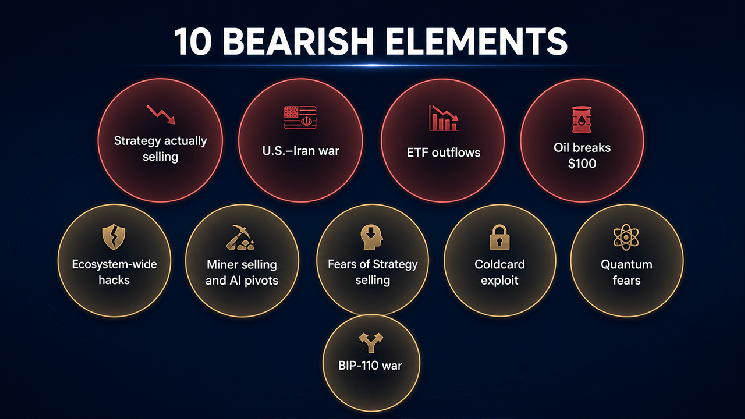
Bitcoin Withstood 10 Bearish Blows in 2026, Yet Experienced Its Mildest Bear Market

Bitcoin, the leading cryptocurrency by market cap, peaked above $126,000 in early October before entering a prolonged decline. By August, it was mainly trading between $63,000 and $65,400, inflicting losses on late buyers but resulting in what is, historically for Bitcoin, an unusually shallow bear market—down about 49% from its peak, compared to typical 75-80% plunges. Throughout 2026, Bitcoin faced multiple headwinds yet demonstrated notable resilience. Geopolitical tensions in the Middle East and volatile oil prices revived inflation concerns but failed to trigger the panic-driven sell-offs seen in prior cycles. A significant psychological blow came from corporate seller MicroStrategy, a longtime accumulator, which began strategic sales to bolster its cash position, reducing its holdings. U.S. spot Bitcoin ETFs also faced sustained outflows, though a late-week inflow hinted at potential relief. Pressure also came from within the ecosystem. A contentious blockchain proposal, BIP-110, failed after a minority chain stalled. Miners, facing tighter economics, sold reserves and pivoted infrastructure toward AI. A major security breach involving Coldcard hardware wallets saw an estimated 2,000 BTC stolen, shaking confidence in self-custody. Long-term threats like quantum computing resurfaced in discussions. Despite this confluence of corporate selling, ETF outflows, miner capitulation, geopolitical shocks, internal conflict, and security issues—any one of which could historically cause sharp declines—Bitcoin stubbornly held above a key $60,000 support level. Deeper market liquidity, regulated products, and long-term holders appear to be absorbing selling pressure that once would have caused deeper crashes. This resilience suggests a maturing market structure, though risks remain. Another shock could still push Bitcoin toward $50,000. For now, its 49% decline, severe for most assets, is relatively moderate by Bitcoin's own volatile standards. The remaining months of 2026 will test whether $60,000 is a durable floor or merely the next major line of defense.

cryptonews.ru54 dk önce

Bitcoin Withstood 10 Bearish Blows in 2026, Yet Experienced Its Mildest Bear Market

cryptonews.ru54 dk önce

Korean Financial Supervisory Service to Revise Compensation System for Phishing Losses Involving Crypto Transfer

The South Korean Financial Supervisory Service (FSS) is overhauling its system for reimbursing victims of voice phishing scams. Starting in October, the new system will be able to calculate and compensate losses held in cryptocurrency, not just in Korean won. Previously, the reimbursement system assumed stolen funds were in won, failing to fully compensate victims whose money was converted into digital assets. The upgraded software will apply a recovery ratio to determine the specific type and quantity of tokens owed to each victim, based on the token's value at the time the payment was frozen. It will also better track cases where fraud proceeds are split across multiple accounts and later consolidated. These changes follow March 31st amendments to the Act on Reimbursement of Losses from Telecommunications Fraud, which now classify virtual assets as both damaged and recoverable property. Major Korean crypto exchanges like Upbit and Bithumb must now comply with the same anti-phishing obligations as banks, including verifying transaction purposes and tracking suspicious funds. The revised law takes effect October 1st, with the FSS allocating a three-month period and a budget of 118.53 million won for system implementation and troubleshooting. The update addresses schemes where stolen money is intentionally laundered through cryptocurrency for overseas transfer. Notably, telecom fraud losses in South Korea rose 14.1% to 433.8 billion won in 2025, a five-year high.

cryptonews.ru1 saat önce

Korean Financial Supervisory Service to Revise Compensation System for Phishing Losses Involving Crypto Transfer

cryptonews.ru1 saat önce

İşlemler

Spot
活动图片