“What color is your Bugatti?” These words from Andrew Tate resound in the minds of many. However, unlike this grift-ridden statement, luxury cars serve other purposes, including rental income.
After owning them, you can rent them to everyone from newlyweds looking to add a “Just Married” tag for a stylish wedding night to people attending their first prom. The rental car economy is booming continuously. However, high costs prevent many from accessing it.
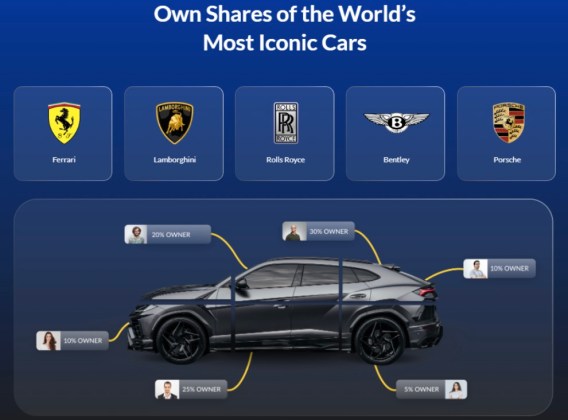
Dreamcars is a project that addresses this problem by implementing blockchain technology. The idea is simple – if an entire car is too expensive, why not digitize its ownership into small fractions? This way, even those who can only spend about $10 can become part owners of a Rolls Royce. Available on presale, Dreamcars has successfully marketed this feature to gain significant traction. It continues to engage the crypto investment community looking for utility-based tokens, and analysts believe it will reach higher values once the presale concludes. But should you care about it?
Rental Income Through Luxury Cars – Why Does it Matter?
The world is slowly realizing there is more to life than living inside the 9-to-5 grind. That realization has resulted in people looking for alternative venues to generate income. Some focus on real estate, others focus on trading. However, a few focus on luxury cars.
Luxury car ownership has always been thought of as a vanity project – and it often is – as a car’s value drops by 50% the moment it leaves the showroom. However, renting the same car does something different.
It turns a luxury car into an income generator. Often sought after by entrepreneurs and people who want to travel in style, luxury cars match their vibe, which turns these individuals into perfect clients. Therefore, the luxury car rental market is rapidly expanding. Fortune Business Insights reports that it is worth $49 billion in 2024 and could potentially grow to $89 billion by 2032.
However, therein lies the issue: this wealth is concentrated among a few dealers and car owners, as even low-tier luxury cars are very expensive. Take the cheapest Lamborghini, for instance. The 2024 Lamborghini Huracán starts at $249,000. This means the majority of people are locked out of this economy.
Dreamcars is a project bringing this form of income to the masses.
What Lies Inside the Dreamcars Ecosystem?
The Dreamcars ecosystem has been designed to give everyone an equal opportunity to earn from the luxury car rental market. The native token of the ecosystem, DCARS, is used to buy fractional ownership of specific cars.
Each car gets a digitized document of its ownership, which is then divided into fractional NFTs. These NFTs can be owned, making people partial owners of those cars. This form of NFT is more tangible, as they are car-backed.

When the car is rented out to individuals, it generates rental income. This rental income is then divided among the owners of the NFTs. An added advantage is that NFT owners won’t have to worry about additional charges. Dreamcars developers take responsibility for managing ownership, insurance, maintenance, and advertising of the cars.
In addition to rental income, these NFTs can also be traded on the Dreamcars marketplace. It is a place where these fractional NFTs can be bought, sold, or even rented, giving users an additional source of income.
But what advantages does it have beyond affordability? There are two to speak of. First, there is blockchain-driven security, which ensures that each ownership is well-defined. Second, with car ownerships being digitized, this rental market can be accessed from anywhere in the world.
Dreamcars Raises Over $700k To Date
Although the project’s initial entry was lukewarm, Dreamcars has now picked up the pace. Over $700K has been raised so far, with more investors coming in to examine the project. Is the current pace indicative of how DCARS may perform after the presale concludes? Yes, it likely will, and most predictions about this token are bullish.
With Bitcoin now past the $100k mark, investors are not shying away from utility-centric projects. And Dreamcars, being an RWA-driven ecosystem, can potentially attract significant user interest. Furthermore, its presale comes with additional benefits in the form of NFTs, which further enhance investors’ gains.
Dreamcars is also offering additional tokens to investors for a limited time, provided they use the code DCAR50 when making their purchase. This will give you 50% additional tokens. Those interested in this project should visit the official website today.
Final Words
With the world’s economy moving toward a democratized front, investors are now interested in meaningful crypto projects to support. While standard meme coins have their appeal, those looking for long-term benefits should consider projects like Dreamcars. With straightforward utility and the opportunity to join a rising economy, Dreamcars could experience massive adoption.
Furthermore, the Dreamcars presale has already received multiple awards for bringing more tangible use cases to the crypto ecosystem, making it a promising investment.

Related Posts