В Metavisio рассказали о первом Web3-ноутбуке

cryptonews.ru2024-01-05 tarihinde yayınlandı2024-12-05 tarihinde güncellendi

Компания Metavisio представила концепт первого в мире Web3-ноутбука со встроенным холодным криптовалютным кошельком

Новый продукт от Metavisio представляет собой обычный ноутбук. Однако, помимо прочего, в него входят функции, предназначенные специально для пользователей цифровых активов.

Первый Web3-ноутбук

Web3-ноутбук от Metavisio будет иметь встроенный холодный кошелек для хранения криптовалют. Такие кошельки считаются более безопасными по сравнению с горячими, поскольку хранят приватные ключи в оффлайн-режиме. Это исключает риски хакерских атак.

Кошелек будет поддерживать сети Ethereum Virtual Machine (EVM), Биткоин, Ripple и Bittensor. В будущем разработчики расширят список доступных блокчейнов.

Ноутбук также будет оснащен чипом безопасности secure enclave. Такой же используется для защиты данных в устройствах фирмы Apple.
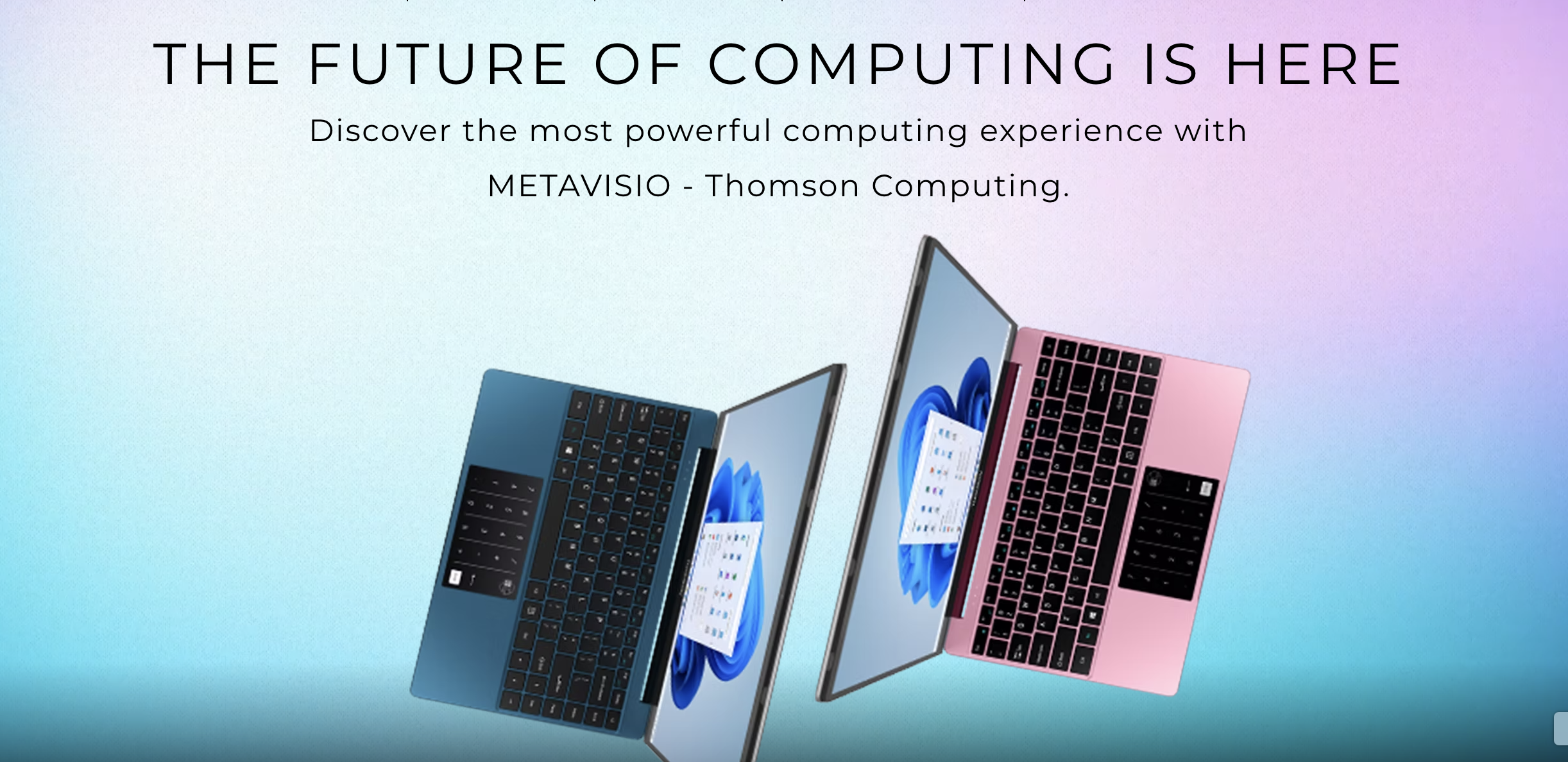
Web3-ноутбук. Источник: Metavisio

Metavisio выпустит три версии ноутбука, ориентированные на разные сегменты пользователей. Первая модель будет предназначена для образовательных целей, вторая — для геймеров, а третья — для повседневного использования.

«Ноутбук Web3 создан для будущего, в котором вы будете по-настоящему владеть своим цифровым опытом. Объединяя инструменты Web3, мы закладываем основу для расширения возможностей следующего миллиарда пользователей», — отметил основатель и генеральный директор Metavisio Стефан Франсе в комментарии для Decrypt.

Ожидаемая цена варьируется от €499 (около $523) за базовую модель до €2,000 (около $2,100) для более продвинутых вариантов.

Точные технические характеристики Web3-ноутбука пока не разглашаются. Дата релиза тоже еще не определена. Однако Metavisio планирует завершить разработку операционной системы и начать выпуск прототипов в первом квартале 2025 года.

Ранее команда проекта Solana Mobile рассказала о новом Web3-смартфоне с поддержкой искусственного интеллекта (ИИ).

İlgili Okumalar

How Collector Crypt Uses 'Recirculating Buybacks' to Create an Illusion of Growth

Title: How Collector Crypt Creates a Growth Illusion with "Buyback Loops" Key Findings: Collector Crypt's (CC) net take rate has halved from 11.2% in Q3 2025 to 5.6% in Q2 2026, while GMV grew 4.7x. This growth is driven by higher-tier card packs ($250, $1,000, $2,500) which have lower platform dollar retention rates. The newly launched $2,500 Mythic tier captured 36.7% of June GMV within 13 days. Growth is fueled by a small cohort of high-spending, high-frequency wallets rather than broad user base expansion. The economic model faces pressure from three key areas: 1) **Shifting GMV Mix**: Pushing users towards larger, lower-retention card packs increases GMV but reduces overall profitability. 2) **Physical Redemptions**: Card redemptions for physical items remove reusable inventory from the system, creating costly replenishment needs. In May, redemptions consumed 41.6% of pre-redemption net income. Only 75 wallets drove redemptions in June. 3) **B2B/API Strategy**: Partner revenue remains negligible (cumulatively $1.83M) and dependent on CC for inventory, vaulting, and buyback services, failing to create a scalable, asset-light recurring revenue stream. The core product is a repetitive pack-buyback loop with limited secondary market activity and token value accrual. Sensitive modeling shows CC's economics turn negative when any two of the following pressures coincide: replenishment costs near market price, redemption rates exceeding 9%, or high-tier buyback rates around 93%. While CC operates in a large and growing collectibles market, its current growth levers—bigger packs, high buyback rates, and capital recycling by a few wallets—create a volume illusion without demonstrating sustainable collector engagement, deep secondary markets, or a viable path to improved margins. Future proof points include broadening collector participation, deepening secondary trading, and developing true asset-light B2B revenue channels.

Foresight News23 dk önce

How Collector Crypt Uses 'Recirculating Buybacks' to Create an Illusion of Growth

Foresight News23 dk önce

Grayscale's Latest Research: What is Solana's Next Growth Engine?

Grayscale's latest report, "Solana: Crypto's Financial Bazaar," signals a shift in how the market views Solana, moving beyond its high-performance and meme-centric reputation. The report frames Solana as an evolving application platform for large-scale economic activity, akin to a bustling digital marketplace. The analysis highlights that public chain competition has moved past raw throughput (TPS) to focus on genuine economic activity—daily users, transaction volume, and real revenue. Solana's metrics, such as over 1,000 dApps, 100M+ daily transactions, and ~4.3M daily active users, showcase this shift toward application-layer prosperity. The report identifies three key growth drivers: 1. **Jupiter**: Evolving from a DEX aggregator to a core liquidity hub and comprehensive financial platform for Solana's DeFi. 2. **Pump.fun**: Demonstrates Solana's capacity for consumer-scale applications, attracting millions of users and generating significant, sustainable revenue, validating network stability under high load. 3. **Helium & DePIN**: Represents expansion into real-world infrastructure, connecting blockchain to physical resources like wireless networks and positioning services, opening new long-term use cases. Solana Foundation's recent focus aligns with this broader vision, emphasizing AI Agents (for machine-to-machine transactions), payments, stablecoins, and Real-World Assets (RWA) to build a sustainable growth model beyond cyclical trends. While challenges remain—such as value capture for SOL and maintaining ecosystem sustainability beyond hot trends—institutional interest is growing due to Solana's maturing application business models, expanding payment/stablecoin ecosystem, and persistent developer activity. The competition is no longer about speed alone, but about which network can foster the most vibrant and valuable digital economy.

marsbit45 dk önce

Grayscale's Latest Research: What is Solana's Next Growth Engine?

marsbit45 dk önce

They Waited 7 Years for This Money

The article discusses the significant drop in share price of Circle, known as the "first stablecoin stock," triggered by the announcement of a new alliance including Visa, Stripe, Mastercard, Coinbase, BlackRock, Google, IBM, and Ripple. This alliance plans to launch Open USD, a USD stablecoin, later this year. Key to the market reaction is Open USD's plan to distribute reserve-generated profits to its adopters, directly challenging Circle's core revenue model from USDC's reserve interest. The piece draws a parallel to Facebook's 2019 Libra (later Diem) project, which involved many of the same companies. Libra failed due to regulatory pressure, its association with Facebook's controversial reputation, and overly ambitious global currency narratives. However, the underlying desire of these major financial and tech firms to create a new digital payment infrastructure persisted. Over seven years, the landscape changed: clearer US stablecoin regulations (GENIUS Act), mature blockchain infrastructure, and companies gaining practical experience with crypto payments. Open USD presents a more modest, compliance-focused narrative—a settlement tool and enterprise payment rail rather than a revolutionary global currency. While the new alliance poses a serious threat to Circle's profitability and exclusivity, it faces challenges typical of large consortia: slow decision-making and complex profit-sharing. USDC's established liquidity, trust, and integrations provide Circle with significant defenses. The market's reaction is seen partly as an emotional overreaction but also a necessary reevaluation of Circle's business model from a unique "stablecoin era ticket" to a "strong issuer" in a competitive commodity market. Ultimately, the core ambition from the Libra era remains: to digitize the movement of dollar value on the internet and capture the adjacent commercial opportunities. The lesson learned is to pursue this goal not as a high-profile, platform-led revolution, but as a quiet, utility-focused infrastructure play.

marsbit45 dk önce

They Waited 7 Years for This Money

marsbit45 dk önce

İşlemler

Spot
活动图片