Аналитики a16z назвали главные тренды крипторынка в 2025 году

cryptonews.ru2024-05-05 tarihinde yayınlandı2024-12-05 tarihinde güncellendi

Среди ключевых направлений развития криптоиндустрии в 2025 году венчурная фирма Andreessen Horowitz (a16z) видит интеграцию ИИ с блокчейном.

Компания ожидает развития трех основных секторов в рамках соединения технологии распределенного реестра с искусственным интеллектом:

  • криптокошельки на базе ИИ-агентов;
  • децентрализованные автономные чат-боты;
  • решения для проверки личности.

В a16z считают, что виртуальные помощники могут применяться для управления контентом в социальных сетях и активами через доверенные среды исполнения.

«Работающая на не требующих разрешения нодах и координируемая консенсус-протоколом нейросеть может стать первой по-настоящему автономной структурой стоимостью в миллиард долларов», — подчеркнули в организации.

Среди других направлений выделены токенизация и стейблкоины. За последние несколько месяцев сектор «стабильных монет» создал рынок для международных денежных переводов — несколько компаний и проектов запустили новые токены с привязкой к доллару. Начиная со следующего года стейблкоины постепенно заменят ежедневные операции с кредитными картами, отметили эксперты a16z.

«Малые и средние бизнесы с сильными брендами, “живой” аудиторией и высокими транзакционными издержками вроде ресторанов, кофеен, магазинов на углу первыми перейдут с кредитных карт», — говорится в отчете.

Фирма ожидает роста сектора «нетрадиционных активов» по мере развития инфраструктуры в рамках токенизации. Прогнозируется появление новых источников дохода благодаря ранее упущенным из виду инструментам вроде биометрических данных.

«Отдельные лица могли бы токенизировать свои биометрические данные, а затем сдавать компаниям информацию в аренду через смарт-контракты», — отметили эксперты a16z.

По их информации, уже существует децентрализованные решения для сбора медицинских данных. Это дает возможность пользователям получать прибыль от ранее неиспользуемых ресурсов.

Ончейн-торговля государственными облигациями — еще одно перспективное направление на 2025 год. Этот рынок вырос в 2024 году, теперь же сами правительства заинтересуются направлением, считают в a16z. В качестве примера приводится Великобритания, которая уже изучает цифровые ценные бумаги.

a16z управляет активами на более чем $44 млрд и является одним из самых активных венчурных фондов в Web3-секторе. Ее ориентированное на криптовалюты подразделение поддерживает более 100 блокчейн-стартапов, включая Coinbase, Solana, OpenSea, Near, Worldcoin и Uniswap.

Напомним, в октябре аналитики Bernstein повторили свой прогноз о курсе биткоина в $200 000 к концу следующего года и назвали его «консервативным».

В ночь с 4 по 5 декабря первая криптовалюта уверенно прошла сквозь «круглый» уровень $100 000.

İlgili Okumalar

Li Fei-Fei's Latest Long-Form Article: When Video Generation, Robotics, and NVIDIA All Call Themselves World Models, We Need a Taxonomy

In a new article, Dr. Fei-Fei Li addresses the widespread and often inconsistent use of the term "world model" in AI. She proposes a clear, functional taxonomy rooted in the classic Partially Observable Markov Decision Process (POMDP) loop (agent → action → state → observation → agent). According to this framework, current systems called "world models" are different projections of this loop, categorized by their primary output: 1. **Renderers**: Output observations (pixels). Their goal is visual fidelity for human consumption (e.g., video generation models like Sora). They are the most commercially mature but are limited by a focus on appearance over physical accuracy. 2. **Simulators**: Output states (geometric, physical, dynamic representations). They provide a structurally accurate world for both human professionals (e.g., architects) and computational agents (e.g., robots for training). Li argues simulators are the crucial, underappreciated bridge, as they can underpin both rendering and planning. 3. **Planners**: Output actions. Given an observation and a goal, they decide what an agent should do next (e.g., robotic action models). This area is highly promising but remains the least mature for real-world deployment. Li highlights a key trend: the boundaries between these three categories are beginning to blur, as they all rely on a shared underlying understanding of geometry, physics, and dynamics. The logical endpoint is a unified world foundation model capable of switching between rendering, simulation, and planning based on downstream needs. This convergence, she concludes, is central to advancing spatial intelligence—enabling machines not just to talk about the world, but to truly understand, imagine, and interact with it.

marsbit1 saat önce

Li Fei-Fei's Latest Long-Form Article: When Video Generation, Robotics, and NVIDIA All Call Themselves World Models, We Need a Taxonomy

marsbit1 saat önce

Forbes Feature: Stablecoin Cross-Border Payments Are Faster, But Not Yet Cheaper

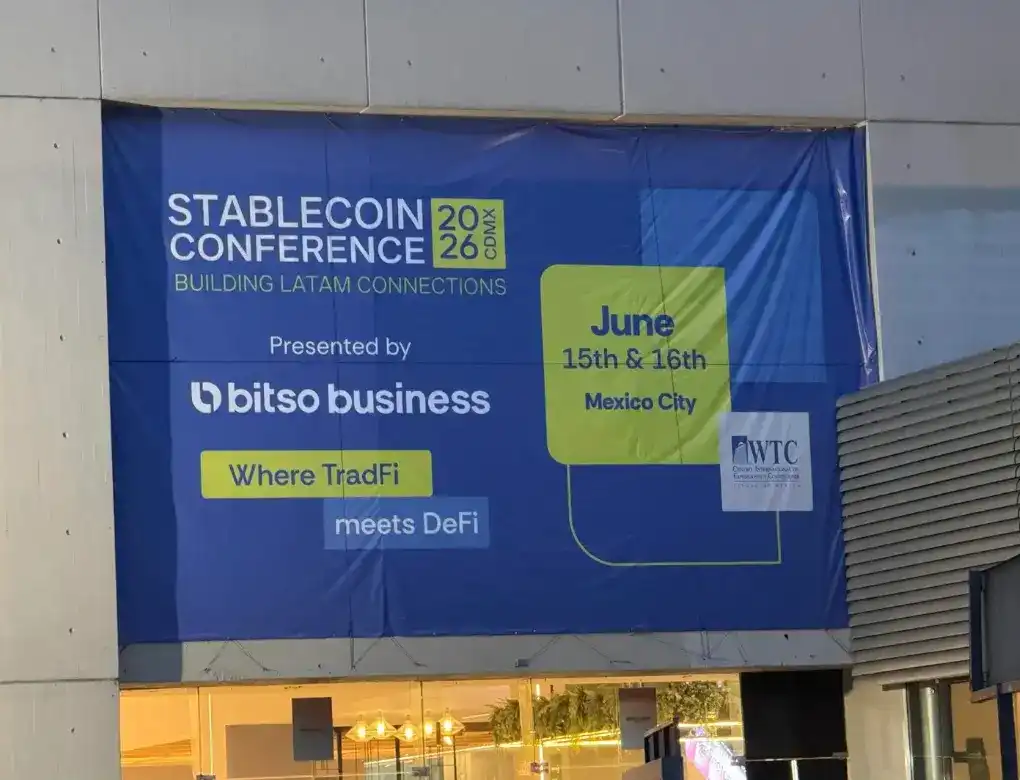
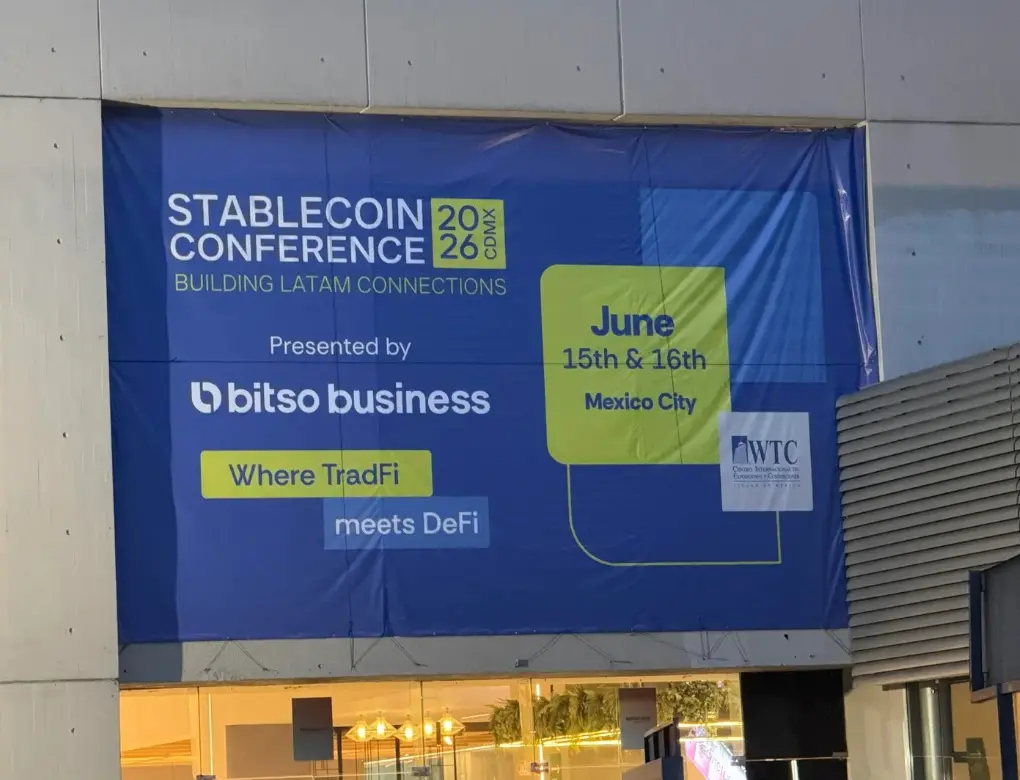
A Forbes feature delves into the state of stablecoin-based cross-border payments, noting rapid growth but a key shortfall: while faster and more accessible, they are not yet cheaper. At a recent industry conference in Mexico City, optimism about technology, regulation, and volume was tempered by discussions with practitioners. The core issue is liquidity. Traditional FX brokers charge 60-70 basis points, and stablecoins promise to slash this to 2-5 basis points. However, this theoretical cost advantage cannot be realized until deep liquidity pools are established at scale, requiring significant institutional capital inflow. A major adoption barrier is trust. Businesses often rely on long-standing relationships with traditional brokers, valuing reliability over marginal cost savings. This shift will be gradual. Furthermore, successful companies in the space are not positioning themselves as replacements for legacy systems like SWIFT, but as complements. They leverage stablecoins for speed while using traditional rails for their standardization and reliability in ensuring accurate payment details—a critical factor for supplier payments to avoid customs issues. Companies like Caliza, experiencing high monthly growth, exemplify this hybrid approach. The industry anticipates consolidation, as long-term viability will depend on securing the essential trifecta: proper licensing, robust fiat on/off-ramps, and deep liquidity. Without these, firms risk being mere intermediaries rather than building sustainable businesses.

marsbit1 saat önce

Forbes Feature: Stablecoin Cross-Border Payments Are Faster, But Not Yet Cheaper

marsbit1 saat önce

Li Feifei's Latest Article: When Video Generation, Robotics, and NVIDIA All Claim to Have 'World Models,' We Need a Taxonomy

"World Model" has become a widely used yet ambiguous term in AI. Drawing from the classic POMDP framework (agent → action → state → observation), this article proposes a functional taxonomy to clarify the concept. It identifies three distinct types, categorized by their output in the perception-action loop: 1. **Renderers**: Output visual observations (pixels). These models, like advanced video generators, prioritize visual fidelity but often lack underlying physical accuracy. 2. **Simulators**: Output the state of the world (geometry, physics, dynamics). They provide a structurally accurate representation for professionals (e.g., architects) and serve as training environments for robots and AI agents. 3. **Planners**: Output actions. Given an observation and a goal, they determine what an agent should do next, closing the perception-action loop (e.g., vision-language-action models). While renderers are currently the most commercially mature and planners are the most aspirational, the article argues that **simulators are the crucial, underappreciated hub**. By working at the level of geometry and physics, a simulator can project upwards to create visuals for humans and downwards to predict action consequences for agents. The future lies in the convergence of these three functions. Emerging research and products, like World Labs' Marble model which outputs both visual splats and physical collision meshes, are beginning to blur these boundaries. The logical endpoint is a unified world foundation model capable of rendering, simulating, and planning based on a shared understanding of spatial and temporal structures—ultimately enabling machines to understand, imagine, and interact with the physical world.

链捕手1 saat önce

Li Feifei's Latest Article: When Video Generation, Robotics, and NVIDIA All Claim to Have 'World Models,' We Need a Taxonomy

链捕手1 saat önce

İşlemler

Spot
活动图片