Компания Trump Media хочет основать криптосервис TruthFi

cryptonews.ru2022-05-22 tarihinde yayınlandı2024-11-22 tarihinde güncellendi

Компания Trump Media and Technology Group (TMTG) подала заявку на регистрацию товарного знака для криптовалютного платёжного сервиса под названием TruthFi.

В тексте заявки указано, что платформа сосредоточится на криптовалютных платежах, управлении финансовыми транзакциями, торговле цифровыми активами и предоставлении услуг по хранению капиталов.

Как считают эксперты, эта инициатива является попыткой компании Trump Media диверсифицировать свой бизнес, выйдя за рамки Truth Social, социальной медиаплатформы, бизнес которой зависит от регулярности публикаций Трампом сообщений для своих самых преданных сторонников.

Аналитик по товарным знакам из Вашингтона Джош Гербен подчеркнул, что подача заявки является способом для Trump Media зарезервировать имя TruthFi на случай, если криптовалютный бизнес будет и дальше расширяться.

По его мнению, чаще всего компании резервируют названия на несколько лет, но в большинстве случаев используют их сразу же после получения соответствующего одобрения.

Ранее стало известно о том, что TMTG начала переговоры о покупке всех акций криптовалютной платформы Bakkt. По всей видимости, руководство компании намерено получить максимальную выгоду от криптоиндустрии, что, впрочем, неудивительно, если учесть характер самого президента США Дональда Трампа.
İlgili Okumalar

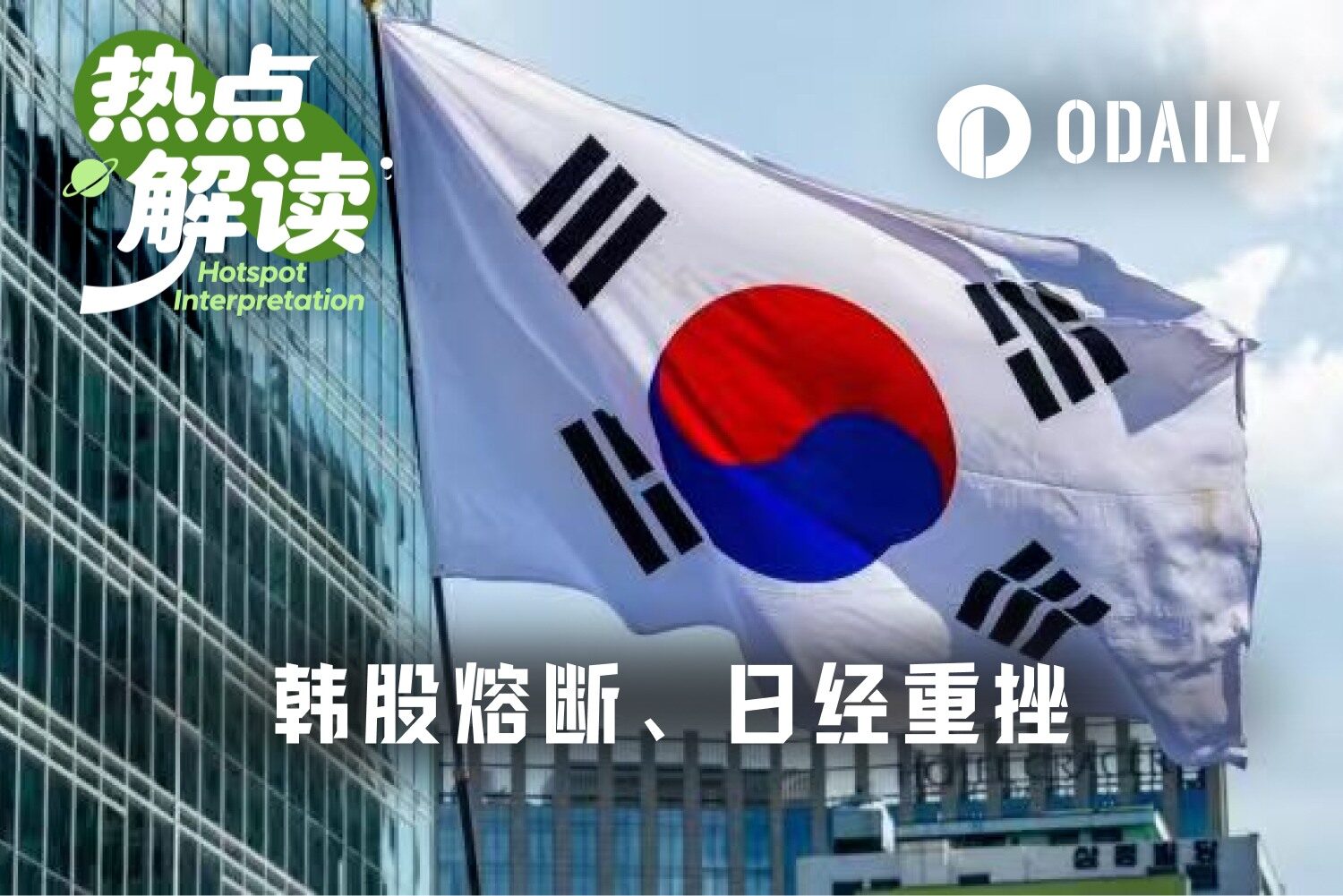
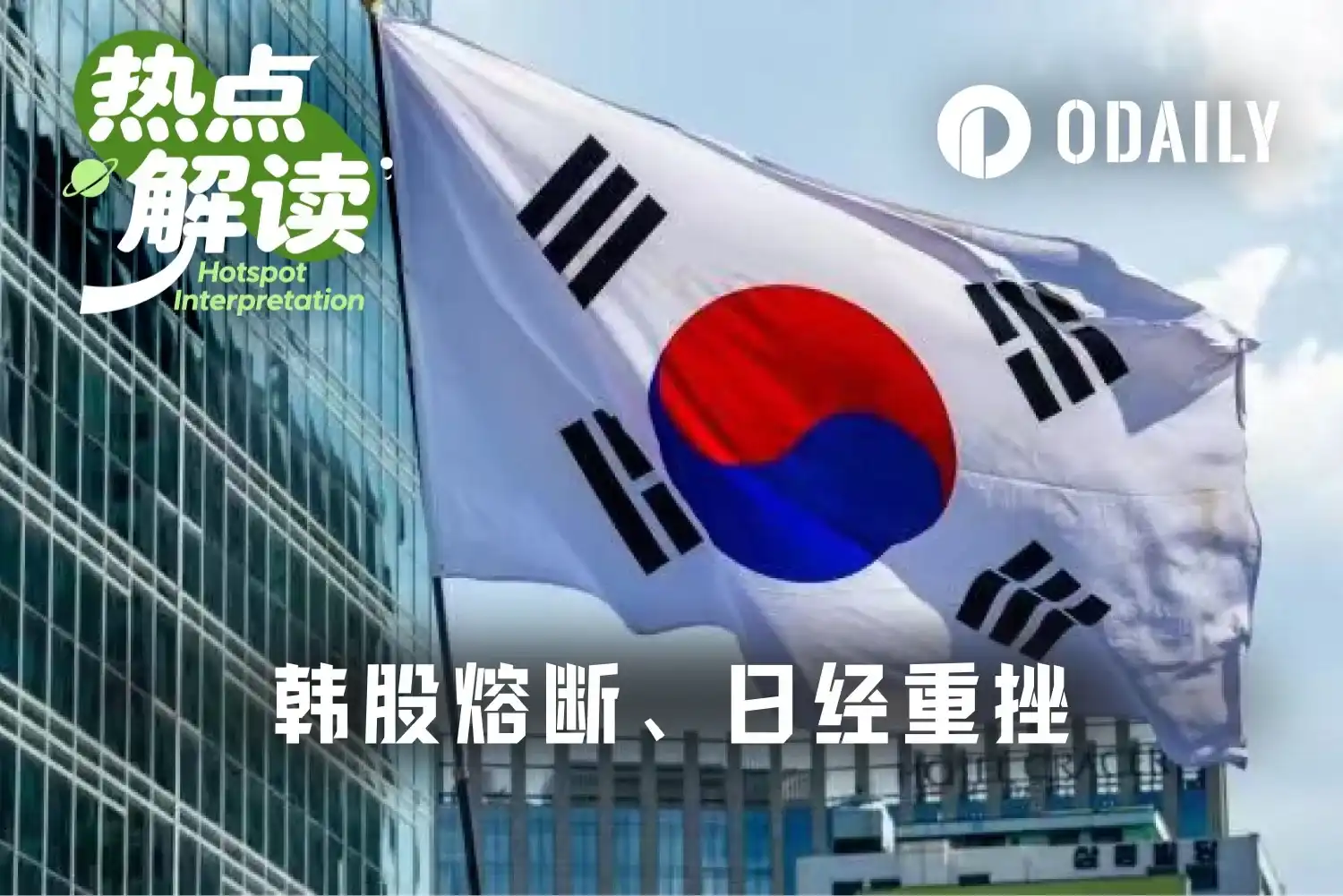
Black Tuesday in Japanese and Korean Stock Markets: South Korea Triggers Circuit Breaker, Nikkei Plummets, AI Boom Undergoes Phased Adjustment

"Black Tuesday" for Asian Markets: Korean Stocks Halted by Circuit Breaker, Nikkei Plunges as AI Rally Undergoes Correction Asian stock markets experienced severe turbulence on Tuesday, with South Korea's benchmark KOSPI index plummeting nearly 10% after triggering a market-wide trading halt when its losses exceeded 8%. Japan's Nikkei 225 index also fell sharply by approximately 3.5%, ending an eight-day winning streak. The sell-off was heavily concentrated in the technology and semiconductor sectors, with giants like Samsung Electronics and SK Hynix leading the declines. The plunge reflected a rapid reversal from recent highs, with the KOSPI having retreated over 12% from its mid-June peak. Analysts attribute the sharp correction to multiple converging factors. The direct trigger was weakness in U.S. tech stocks, which fueled profit-taking in overbought Asian markets. Furthermore, stronger-than-expected U.S. jobs data has reinforced expectations that the Federal Reserve will maintain or even raise interest rates, putting pressure on rate-sensitive growth stocks. Structural vulnerabilities also played a role, particularly in South Korea, where the market is highly concentrated in a few semiconductor heavyweights, making it susceptible to shifts in global AI demand and foreign capital outflows. Despite the short-term volatility, the long-term narrative for AI and semiconductors remains intact. Industry forecasts still point to massive growth in global AI capital expenditure over the coming years. South Korean firms like SK Hynix maintain a dominant position in critical segments like High Bandwidth Memory (HBM), with long-term orders secured well into 2027. While near-term fluctuations are expected to continue, driven by U.S. monetary policy signals and upcoming corporate earnings, the current correction may present a buying opportunity for quality assets tied to the enduring AI infrastructure build-out.

marsbit9 dk önce

Black Tuesday in Japanese and Korean Stock Markets: South Korea Triggers Circuit Breaker, Nikkei Plummets, AI Boom Undergoes Phased Adjustment

marsbit9 dk önce

'Black Tuesday' for Japanese and Korean Stock Markets: Korean Market Triggers Circuit Breaker, Nikkei Plunges, AI Frenzy Undergoes a Phased Adjustment

"Black Tuesday" for Japanese and South Korean Stock Markets: KOSPI Triggers Circuit Breaker, Nikkei Plunges as AI Rally Undergoes Correction Asian stock markets experienced severe volatility. South Korea's KOSPI index plunged over 8% intraday, triggering a 20-minute market-wide trading halt, and closed nearly 10% lower, marking its third-largest single-day drop this year. Japan's Nikkei 225 fell approximately 3.5%, ending an eight-session winning streak. The tech and semiconductor sectors led the decline, with heavyweights like Samsung Electronics and SK Hynix suffering double-digit losses, fueled by foreign investor selling and panic. The sell-off stemmed from multiple factors. A weak prior session for U.S. tech stocks, especially the "Magnificent Seven," raised concerns about AI's profitability timeline. Intense profit-taking followed massive year-to-date gains (KOSPI up over 80%, Nikkei hitting record highs). Hawkish signals from the Fed, suggesting potential rate hikes due to strong U.S. data, pressured rate-sensitive growth stocks. Structural vulnerabilities, like the high concentration of semiconductor giants in the KOSPI, amplified the drop, with foreign capital outflows exacerbating the move. Short-term volatility is expected to persist, contingent on U.S. market stability and Fed policy. However, the long-term AI narrative remains robust. Forecasts predict trillions in global AI capital expenditure through 2031. South Korea's leading position in critical areas like HBM memory, with major players' order books filled into 2027, provides fundamental support. This correction may represent a shift from speculative frenzy to a focus on tangible AI infrastructure, offering a potential entry point for long-term investors.

Odaily星球日报9 dk önce

'Black Tuesday' for Japanese and Korean Stock Markets: Korean Market Triggers Circuit Breaker, Nikkei Plunges, AI Frenzy Undergoes a Phased Adjustment

Odaily星球日报9 dk önce

Report Review: Kyber Delay Tear NVIDIA Supply Chain, Only a Few Winners in the PCB Chain

Research Report Analysis: Kyber's Delay Reshapes NVIDIA Supply Chain, Winners Limited in PCB Sector Jefferies maintained a Buy rating on NVIDIA with a $300 price target (42% upside), but delivered a surprising take on the AI server PCB supply chain. The key finding is that the high-density orthogonal backplane PCB, codenamed "Kyber," is likely delayed to 2028 or even canceled. This prompts a downward revision in the global AI PCB market forecast for 2027/2028 by 5% and 11%, respectively, with CCL (copper-clad laminate) forecasts cut by 8% and 16%. While Kyber's postponement extends the lifecycle of the current Oberon architecture and defers some PCB volume, it does not halt the trend towards higher specifications. Migration to advanced materials like M9/M10-grade CCL and PTFE processes continues. The delay reshuffles the winners' list: upstream material suppliers (glass fabric, CCL) benefit from persistent tight supply and strong pricing power. Copper cable vendors gain a reprieve as the threat from PCB-based interconnects recedes. PCB manufacturers, however, face intensified competition, with mid-tier players most vulnerable to being squeezed out. The report stresses that the market adjustment reflects a timing shift, not a demand destruction. Kyber-related orders are deferred, not canceled. NVIDIA's core GPU competitiveness and the AI server growth trajectory remain intact. The analyst's investment thesis prioritizes "high-value-add" and "supply-constrained" segments: upstream materials > NVIDIA > copper cables > downstream PCB manufacturing. The delay accelerates a consolidation within the PCB industry, favoring companies positioned in high-end specifications and critical upstream materials.

marsbit14 dk önce

Report Review: Kyber Delay Tear NVIDIA Supply Chain, Only a Few Winners in the PCB Chain

marsbit14 dk önce

İşlemler

Spot
Futures
活动图片