MicroStrategy привлечет еще 1,75 млрд долларов для покупки биткоинов

investing.ru2024-11-19 tarihinde yayınlandı2024-11-19 tarihinde güncellendi

GetBlock Magazine - Что произошло? Американская компания-разработчик аналитического ПО MicroStrategy (MSTR), которая является крупнейшим держателем биткоинов среди публичных фирм, раскрыла планы по увеличению вложений в первую криптовалюту. Так, MicroStrategy намерена провести размещение конвертируемых старших облигаций на сумму 1,75 млрд долларов и использовать выручку для покупки биткоинов.

Пресс-релиз

Что еще известно? Ценные бумаги будут в частном порядке предложены институциональным инвесторам за пределами США. Они представляют собой необеспеченные приоритетные обязательства без начисления процентов со сроком погашения 1 декабря 2029 года. Облигации могут быть конвертированы в наличные, обыкновенные акции MSTR класса A или комбинацию обоих активов.

В этом году компания уже неоднократно выпускала облигации на сотни миллионов долларов для увеличения вложений в первую криптовалюту.

Накануне основатель и глава совета директоров MicroStrategy Майкл Сэйлор сообщил, что компания провела очередную покупку биткоинов: 51 780 монет на 4,6 млрд долларов или $88 627 за монету. В результате объем биткоинов на балансе компании достиг 331 200 монет, купленных за 16,5 млрд или $49 874 за 1 BTC.

Учитывая актуальный курс биткоина, стоимость накоплений MicroStrategy составляет более 30,38 млрд долларов, а нереализованная прибыль — 13,88 млрд.

Эта сделка стала крупнейшей в истории компании как с точки зрения стоимости, так и количества монет. Ранее крупнейшей по объему была первая BTC-инвестиция компании в декабре 2020 года (29 646 монет), за ней следовала покупка 27 200 монет 11 ноября текущего года.

Источник: X.com

После этой новости акции MSTR выросли на 13% за сутки и обновили исторический максимум на отметке $384,79. С начала года ценные бумаги компании неоднократно устанавливали новые максимумы, резкий взлет начался в августе и усилился в ноябре после победы Дональда Трампа на выборах президента США, которая вызвала рост всего крипторынка и акций связанных с криптовалютой компаний.

В целом с начала года стоимость MSTR выросла на 455,66%. MicroStrategy по решению Сэйлора начала инвестировать в биткоин в 2020 году для хеджирования инфляции, за это время MSTR по темпам роста обогнали акции всех крупных технологических компаний, а также индекс S&P 500, в корзину которого включены крупнейшие по капитализации фирмы США.

Рост стоимости акций наблюдают и другие компании, последовавшие примеру MicroStrategy и начавшие закупать биткоин для удержания на собственном балансе. Среди них японская инвестиционная фирма Metaplanet и американская медицинская технологическая компания Semler Scientific.

В прошлом месяце Сэйлор заявил, что MicroStrategy стремится стать ведущим биткоин-банком с мощными инструментами хеджирования инфляции и долгосрочного хранения стоимости.

Тогда же стало известно, что акционеры Microsoft (NASDAQ:MSFT) на собрании 10 декабря рассмотрят возможность инвестирования в BTC. Сэйлор прокомментировал новость, предложив корпорации свою помощь в увеличении капитализации на 1 трлн долларов.

Также Сэйлор поддержал законопроект сенатора Синтии Ламмис о создании национального биткоин-резерва, в случае принятия которого власти США в течение пяти лет закупят 1 млн монет. Предприниматель уверен, что эта инициатива укрепит экономику страны.


Читайте оригинальную статью на сайте GetBlock Magazine

İlgili Okumalar

Li Fei-Fei's Latest Long-Form Article: When Video Generation, Robotics, and NVIDIA All Call Themselves World Models, We Need a Taxonomy

In a new article, Dr. Fei-Fei Li addresses the widespread and often inconsistent use of the term "world model" in AI. She proposes a clear, functional taxonomy rooted in the classic Partially Observable Markov Decision Process (POMDP) loop (agent → action → state → observation → agent). According to this framework, current systems called "world models" are different projections of this loop, categorized by their primary output: 1. **Renderers**: Output observations (pixels). Their goal is visual fidelity for human consumption (e.g., video generation models like Sora). They are the most commercially mature but are limited by a focus on appearance over physical accuracy. 2. **Simulators**: Output states (geometric, physical, dynamic representations). They provide a structurally accurate world for both human professionals (e.g., architects) and computational agents (e.g., robots for training). Li argues simulators are the crucial, underappreciated bridge, as they can underpin both rendering and planning. 3. **Planners**: Output actions. Given an observation and a goal, they decide what an agent should do next (e.g., robotic action models). This area is highly promising but remains the least mature for real-world deployment. Li highlights a key trend: the boundaries between these three categories are beginning to blur, as they all rely on a shared underlying understanding of geometry, physics, and dynamics. The logical endpoint is a unified world foundation model capable of switching between rendering, simulation, and planning based on downstream needs. This convergence, she concludes, is central to advancing spatial intelligence—enabling machines not just to talk about the world, but to truly understand, imagine, and interact with it.

marsbit1 saat önce

Li Fei-Fei's Latest Long-Form Article: When Video Generation, Robotics, and NVIDIA All Call Themselves World Models, We Need a Taxonomy

marsbit1 saat önce

Forbes Feature: Stablecoin Cross-Border Payments Are Faster, But Not Yet Cheaper

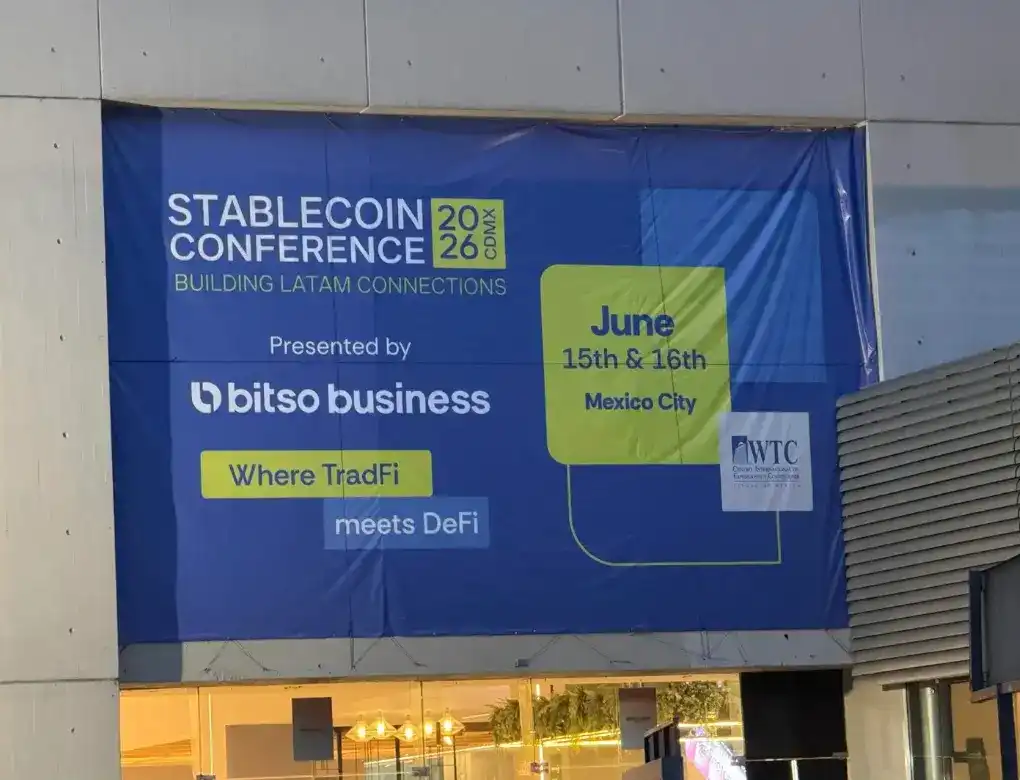
A Forbes feature delves into the state of stablecoin-based cross-border payments, noting rapid growth but a key shortfall: while faster and more accessible, they are not yet cheaper. At a recent industry conference in Mexico City, optimism about technology, regulation, and volume was tempered by discussions with practitioners. The core issue is liquidity. Traditional FX brokers charge 60-70 basis points, and stablecoins promise to slash this to 2-5 basis points. However, this theoretical cost advantage cannot be realized until deep liquidity pools are established at scale, requiring significant institutional capital inflow. A major adoption barrier is trust. Businesses often rely on long-standing relationships with traditional brokers, valuing reliability over marginal cost savings. This shift will be gradual. Furthermore, successful companies in the space are not positioning themselves as replacements for legacy systems like SWIFT, but as complements. They leverage stablecoins for speed while using traditional rails for their standardization and reliability in ensuring accurate payment details—a critical factor for supplier payments to avoid customs issues. Companies like Caliza, experiencing high monthly growth, exemplify this hybrid approach. The industry anticipates consolidation, as long-term viability will depend on securing the essential trifecta: proper licensing, robust fiat on/off-ramps, and deep liquidity. Without these, firms risk being mere intermediaries rather than building sustainable businesses.

marsbit1 saat önce

Forbes Feature: Stablecoin Cross-Border Payments Are Faster, But Not Yet Cheaper

marsbit1 saat önce

Li Feifei's Latest Article: When Video Generation, Robotics, and NVIDIA All Claim to Have 'World Models,' We Need a Taxonomy

"World Model" has become a widely used yet ambiguous term in AI. Drawing from the classic POMDP framework (agent → action → state → observation), this article proposes a functional taxonomy to clarify the concept. It identifies three distinct types, categorized by their output in the perception-action loop: 1. **Renderers**: Output visual observations (pixels). These models, like advanced video generators, prioritize visual fidelity but often lack underlying physical accuracy. 2. **Simulators**: Output the state of the world (geometry, physics, dynamics). They provide a structurally accurate representation for professionals (e.g., architects) and serve as training environments for robots and AI agents. 3. **Planners**: Output actions. Given an observation and a goal, they determine what an agent should do next, closing the perception-action loop (e.g., vision-language-action models). While renderers are currently the most commercially mature and planners are the most aspirational, the article argues that **simulators are the crucial, underappreciated hub**. By working at the level of geometry and physics, a simulator can project upwards to create visuals for humans and downwards to predict action consequences for agents. The future lies in the convergence of these three functions. Emerging research and products, like World Labs' Marble model which outputs both visual splats and physical collision meshes, are beginning to blur these boundaries. The logical endpoint is a unified world foundation model capable of rendering, simulating, and planning based on a shared understanding of spatial and temporal structures—ultimately enabling machines to understand, imagine, and interact with the physical world.

链捕手2 saat önce

Li Feifei's Latest Article: When Video Generation, Robotics, and NVIDIA All Claim to Have 'World Models,' We Need a Taxonomy

链捕手2 saat önce

İşlemler

Spot
活动图片