«Время работает против старых монет»: ван де Поппе о будущем альткоинов

cryptonews.ru2022-03-17 tarihinde yayınlandı2024-11-17 tarihinde güncellendi

Глава и основатель MN Consultancy Михаэль ван де Поппе (Michaël van de Poppe) выпустил новый видеообзор, посвященный ситуации с альткоинами и стратегиями поведения инвесторов в текущих условиях.

Михаэль ван де Поппе

Рекордные притоки в ETF

По оценке аналитика, с момента победы Дональда Трампа (Donald Trump) на выборах в биткоин влилось $4,5 млрд.
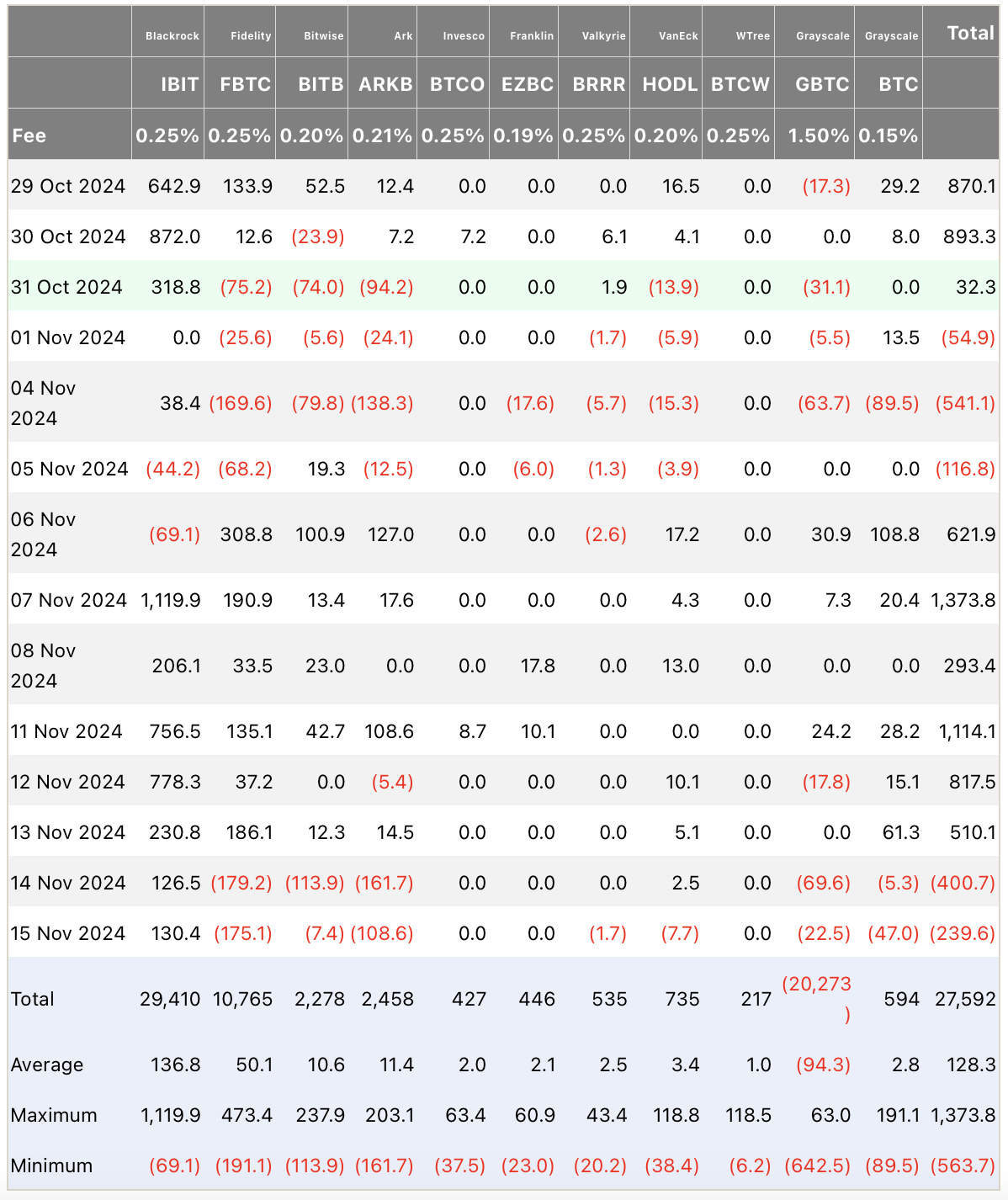
Движение средств в биткоин-ETF США. Источник: Farside Investors

Ethereum-ETF также показал впечатляющую динамику: если раньше дневной приток или отток средств не превышал $20 млн, то после победы Трампа дневной приток превысил $100 млн, а общая сумма достигла $750 млн. Впервые за долгое время общий баланс притока и оттока средств стал положительным.
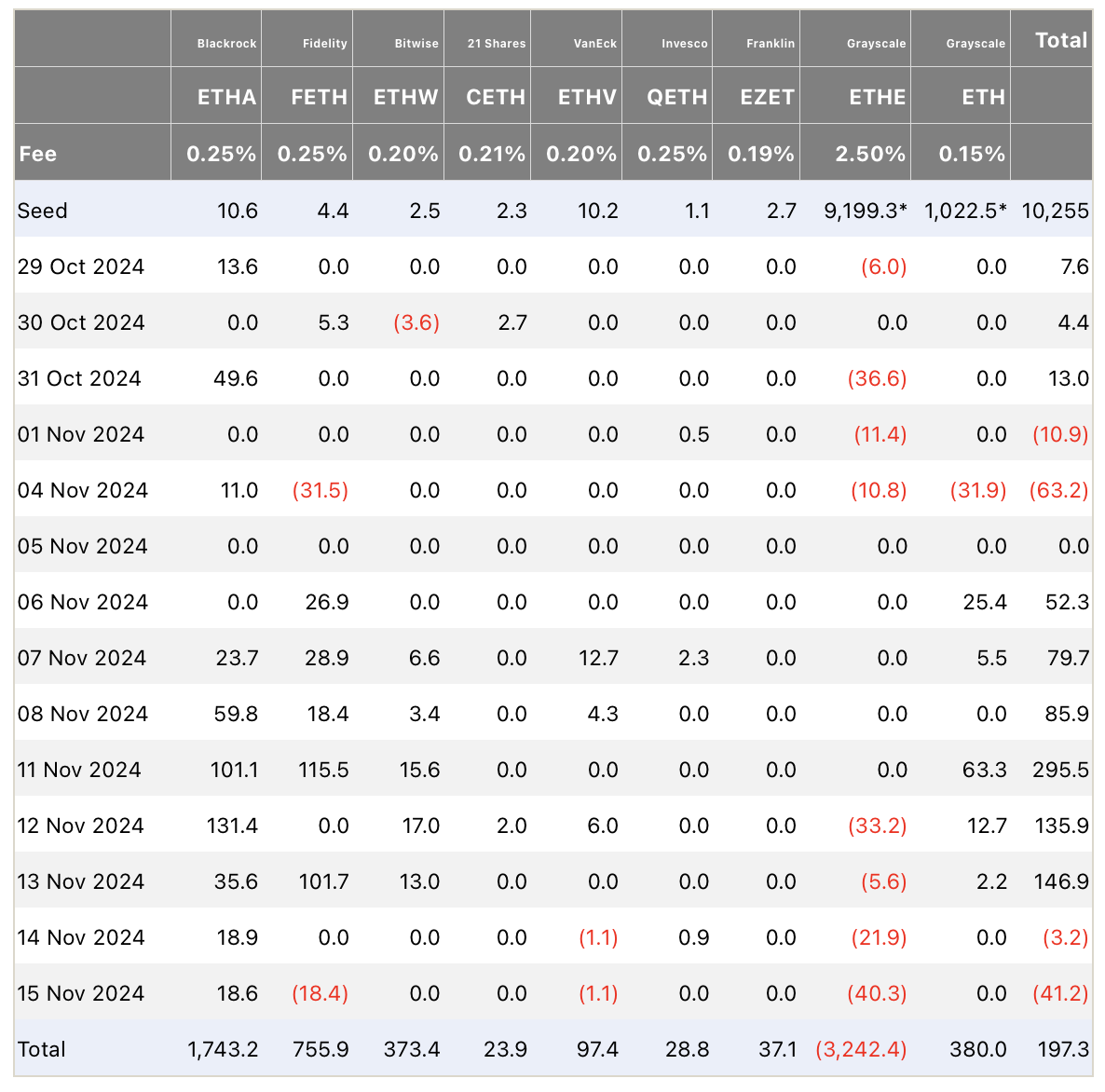
Движение средств в Ethereum-ETF США. Источник: Farside Investors

Почему Ethereum теряет позиции

Ван де Поппе указывает на несколько причин. Во-первых, данные по инфляции в США превысили прогнозы — индекс цен производителей взлетел с 1,8% до 2,6%. В результате растет доходность гособлигаций, что снижает привлекательность инвестиций в Ethereum.
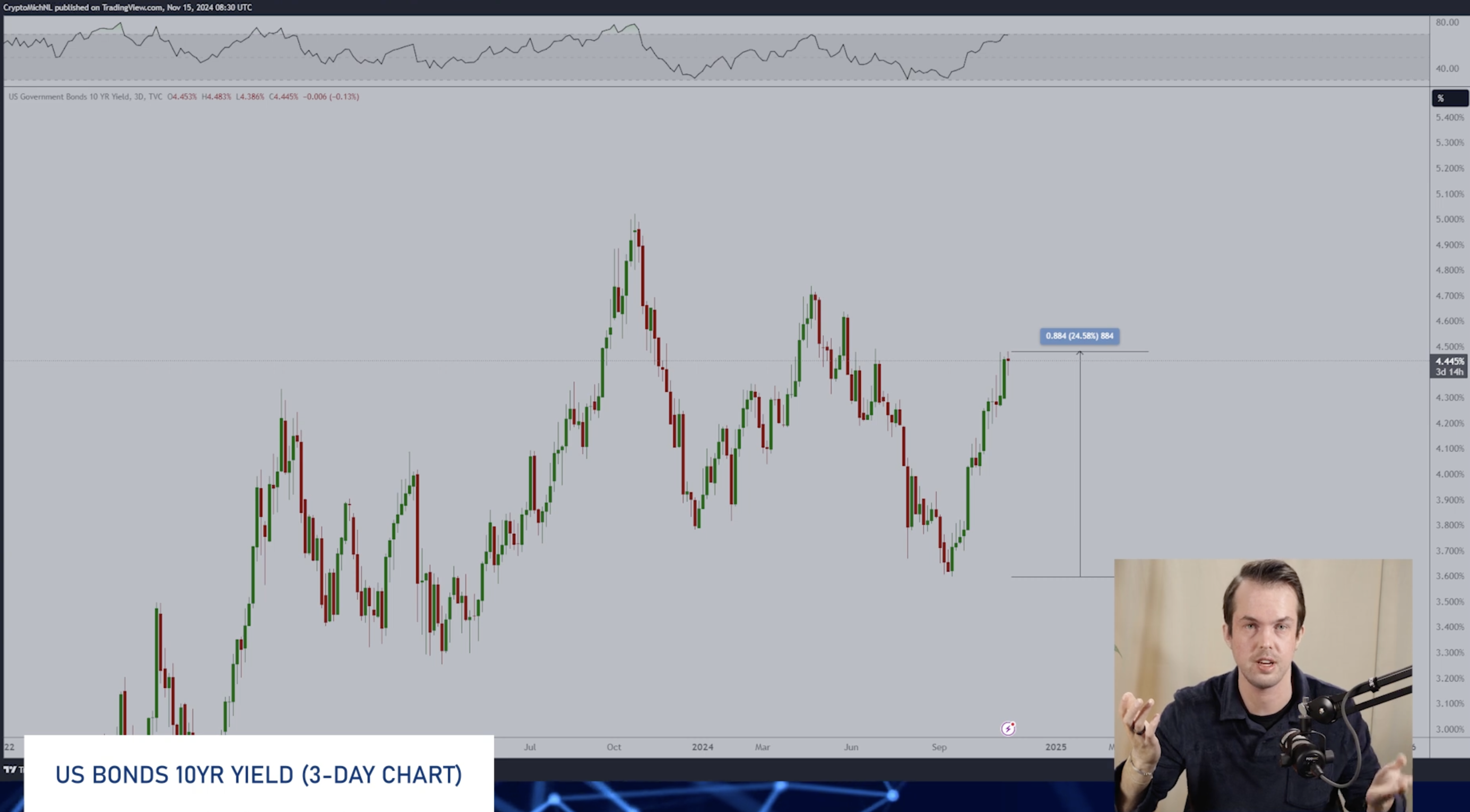
Федеральная резервная система, по мнению аналитика, вряд ли пойдет на агрессивное снижение ставок — до марта 2024 года ожидается максимум одно снижение на 25 базисных пунктов. Без смягчения монетарной политики доходности останутся высокими.
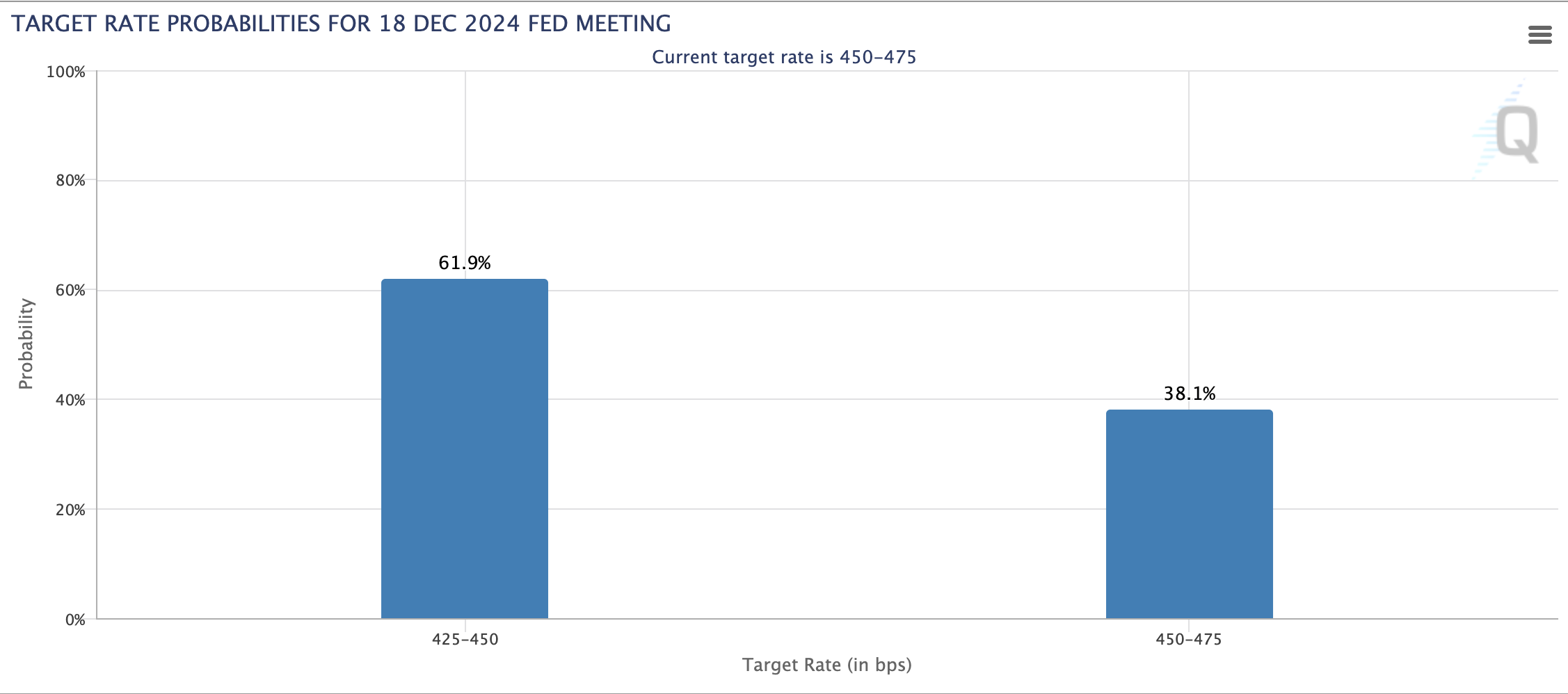
Вероятность изменения ставки ФРС. Источник: Fedwatch

Главное — терпение

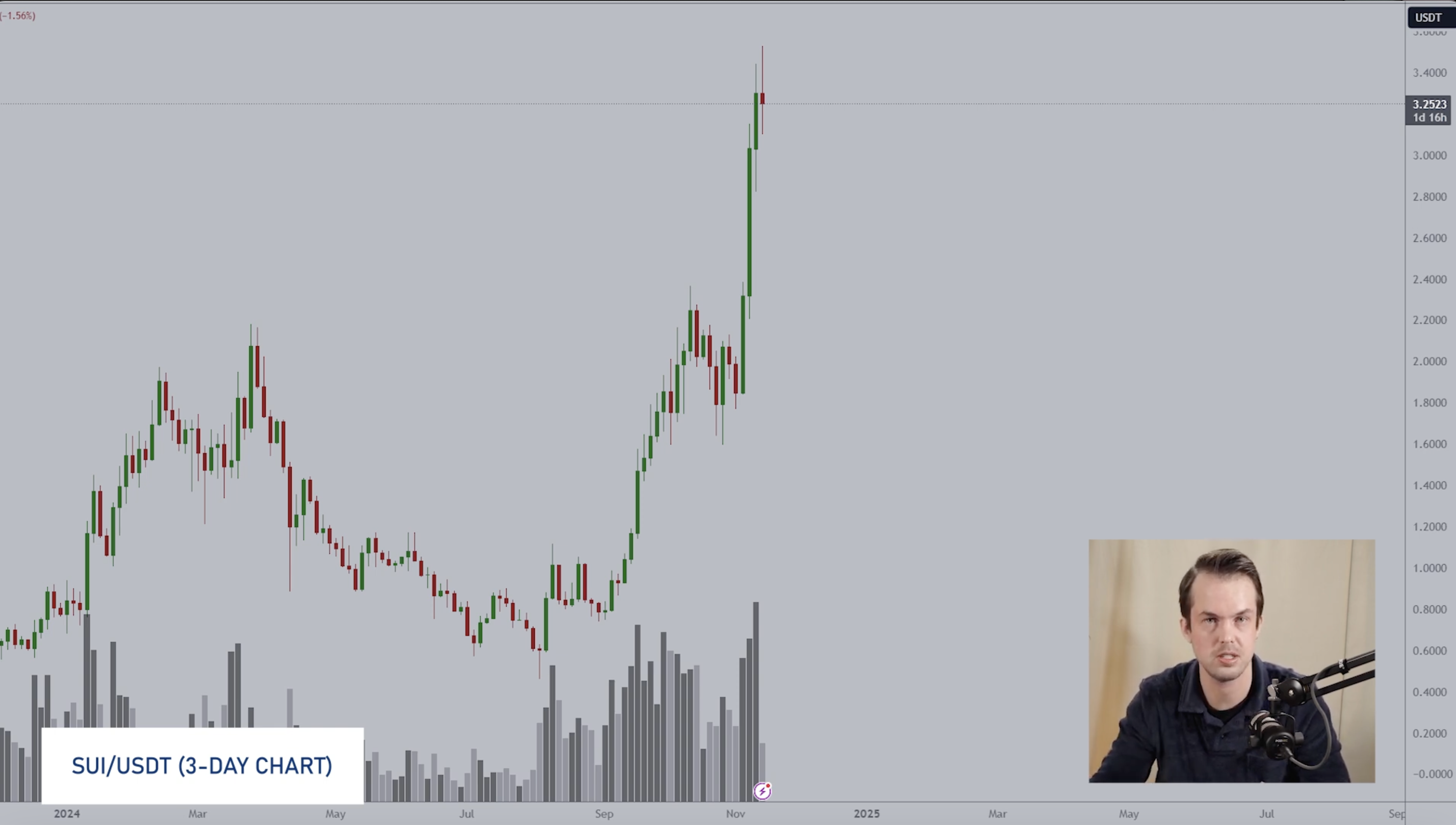
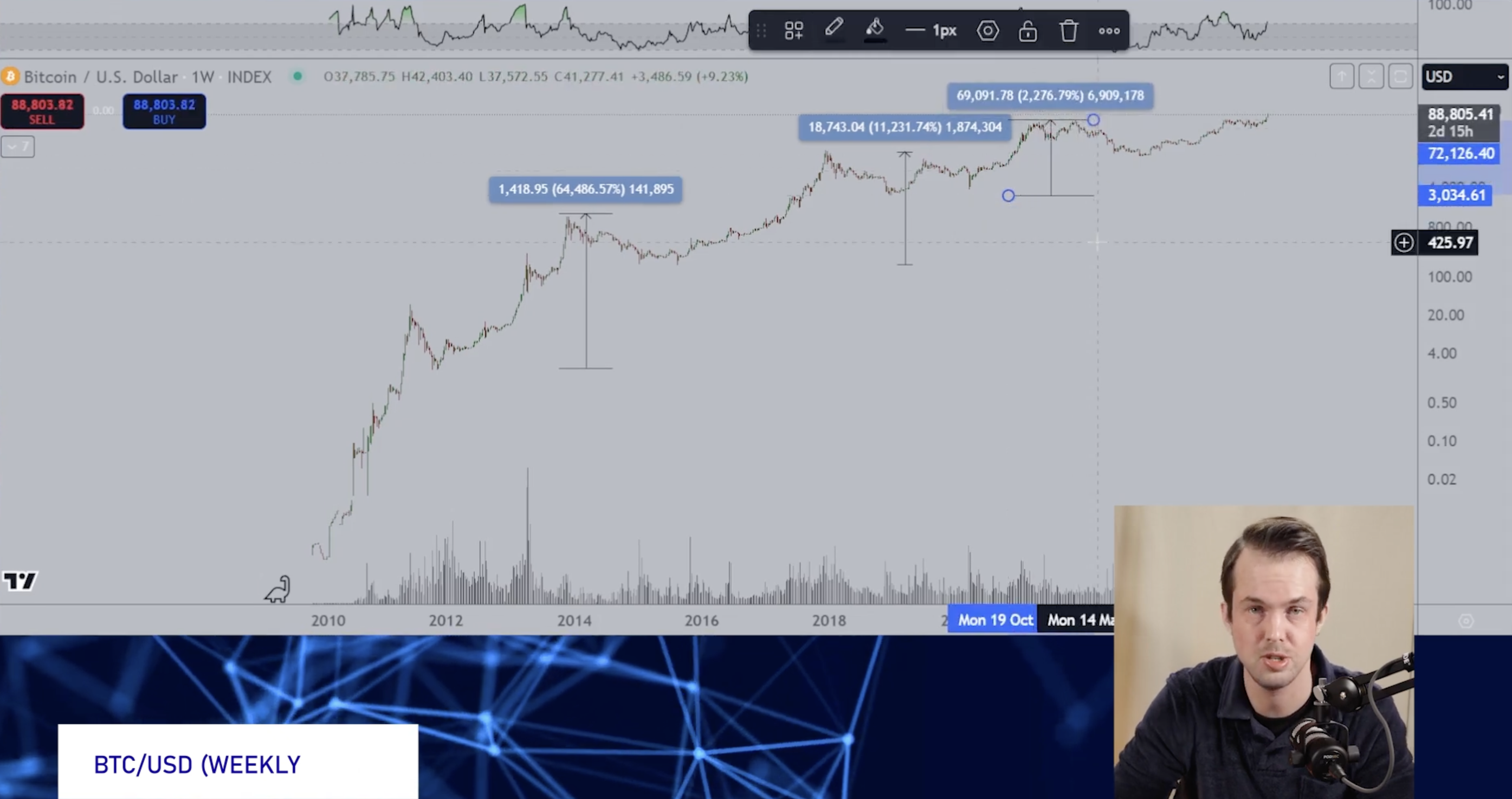
Что делать инвесторам, чьи альткоины не растут, пока Sui и Pepe бьют рекорды? Ван де Поппе советует не поддаваться FOMO и не метаться между активами. По его наблюдениям, чем старше монета, тем скромнее ее потенциал. Он приводит показательную статистику: первый цикл принес биткоину рост на 5 млн процентов, а к 2021 году — всего 2 200%. Ethereum прошел похожий путь: от 272 000% в 2017 году до 5 000% в 2021-м.
Стратегия аналитика

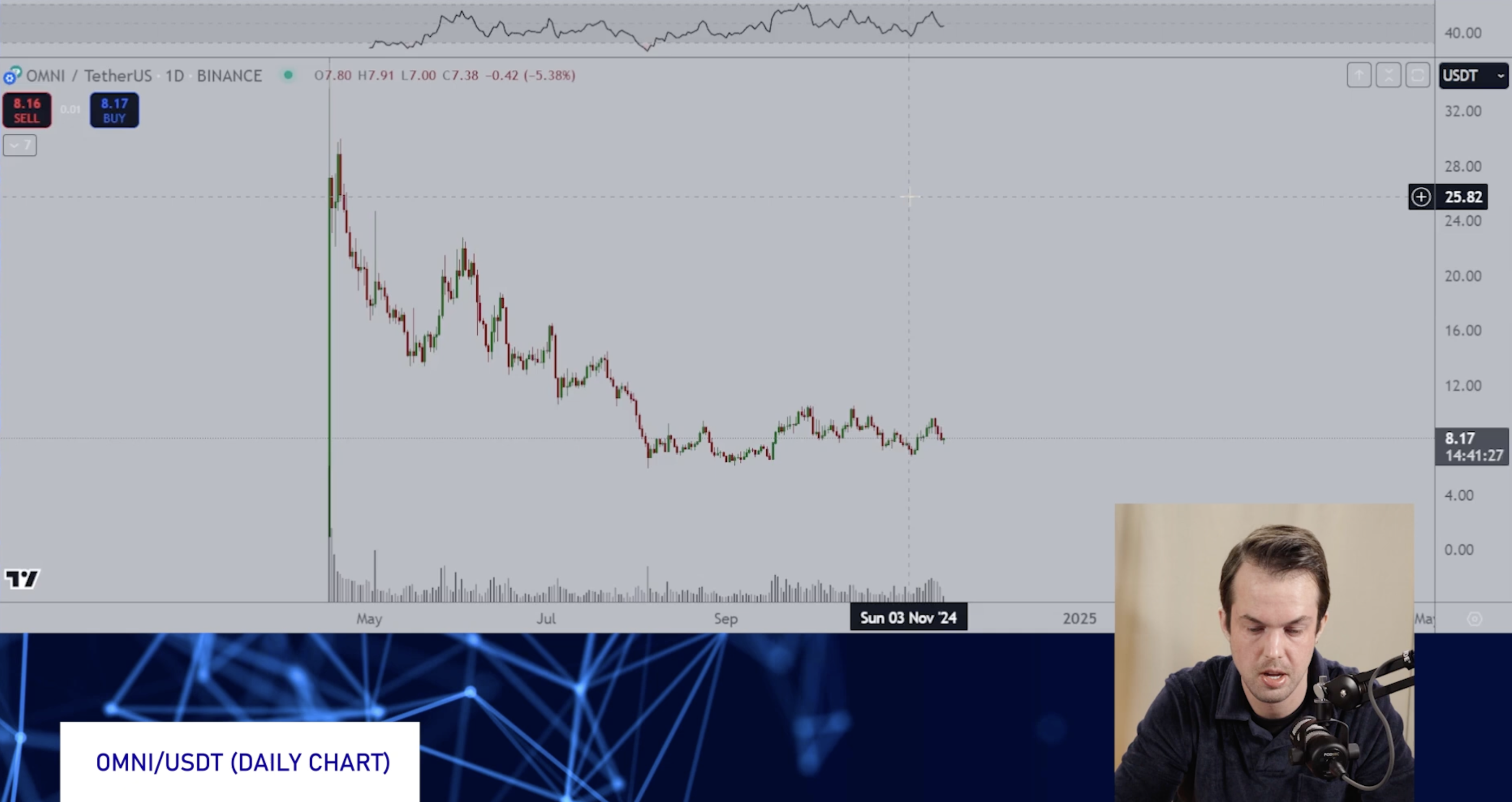
Сам ван де Поппе делает ставку на новые высокорисковые активы в сферах DeFi и искусственного интеллекта. В качестве примера он приводит Omni Network с капитализацией менее $1 млрд. По его мнению, такие проекты имеют больший потенциал роста, чем уже «выстрелившие» монеты вроде Sui. Его инвестиционный горизонт составляет 6-12 месяцев, а целевая доходность — десятикратный рост.

İlgili Okumalar

Report Interpretation: J.P. Morgan Details Micron's Pre-Earnings Sentiment, Current Hardware Sector Dynamics

Morgan Stanley analyst Joshua Meyers' report (June 21, 2026) highlights key trends in the hardware and semiconductor sector ahead of Micron's earnings. The core takeaways are: 1. **Micron & Memory:** Memory remains a high-conviction long theme, driven by strong AI demand and rising ASPs. However, investor focus is shifting to the sustainability of Micron's >80% gross margins and the specifics of potential new long-term supply agreements (SCAs). 2. **Hardware Supply Chain:** AI-related demand for servers, networking, and storage remains robust, but company performance is diverging. Celestica (CLS) shows improved margin confidence, Western Digital and Seagate benefit from pricing, Fabrinet (FN) sees predictable AI optics growth, and Teradyne (TER) anticipates a new Google customer. 3. **AI Capex & WFE Forecasts:** JPMorgan increased its Wafer Fab Equipment (WFE) market growth forecasts to 28% in 2026 and 29% in 2027. AI infrastructure financing is evolving, with higher project-level debt reducing constraints on capex expansion. The report signals that while the AI-driven hardware cycle is strong, the market is entering a phase focused on execution verification (e.g., Micron's SCA details, Fabrinet's ramp with Amazon) and valuation sustainability. Key near-term signals include Micron's guidance, Arista Networks' outlook, and the pace of demand normalization post potential tariff-related pull-ins.

marsbit5 saat önce

Report Interpretation: J.P. Morgan Details Micron's Pre-Earnings Sentiment, Current Hardware Sector Dynamics

marsbit5 saat önce

Research Report Analysis: The Fed's New Chair's Debut – New Leader, But Same Script?

Report Analysis: Federal Reserve's New Chair Debut – A New Captain, But the Same Script? Morgan Stanley's chief global economist Seth B. Carpenter analyzes the first FOMC meeting under new Fed Chair Kevin Warsh in a June 21 report. Warsh deliberately avoided providing forward guidance on interest rates, aligning with his philosophy. However, market expectations for a rate hike this year were reinforced. Key signals lie elsewhere: inflation may fall more than expected, and quantitative tightening (QT) could be more aggressive than anticipated. The FOMC's "dot plot" suggests only one rate hike in 2026. Carpenter argues that if inflation undershoots forecasts, the logic for even a single hike weakens, especially as projections indicate potential rate cuts in 2027. On QT, Warsh's stance is clear. Carpenter notes that measures like halving the Treasury's account balance could shrink the Fed's balance sheet by around $500 billion with minimal market impact. Combined with adjustments to reserve interest and liquidity rules, the ultimate QT scale may exceed expectations, though its market effect might be less disruptive unless the Fed actively sells Mortgage-Backed Securities (MBS). While Warsh initiated a review of the Fed's policy framework, the 2% inflation target remains intact for now. The report concludes that the market may be overestimating the significance of reduced forward guidance and the near-term rate hike risk, while potentially underestimating the scope and manageable nature of the coming balance sheet reduction. The key debates will hinge on upcoming core PCE data, the specifics of the QT path, and the framework review's findings.

marsbit6 saat önce

Research Report Analysis: The Fed's New Chair's Debut – New Leader, But Same Script?

marsbit6 saat önce

Critical Game Week: BTC Retracement Confirmation vs. HYPE Support Battle | Guest Analysis

This weekly analysis outlines a critical juncture for BTC and HYPE markets, focusing on key price level confirmations. **BTC Analysis:** BTC is at a pivotal point after a five-wave rally from the June 5th low of $59,100. The price has broken below a short-term rising channel's lower boundary, with the current move seen as a pullback to test this breakdown. Failure to reclaim this level could lead to a retest of the $59,000-$60,000 support zone. The core scenario hinges on this channel retest outcome. * **Key Levels:** Resistance at $64,500-$65,000 (channel boundary) and $69,500-$70,500. Support at $59,000-$60,000 and $55,000. * **Strategy:** A core bearish stance is maintained (20% short from last week), with short-term plans for tactical trades. Three detailed contingency plans (A/B/C) are provided for short positions on resistance tests or breakdowns, emphasizing strict stop-loss discipline. **HYPE Analysis:** HYPE shows strong momentum but is currently in a corrective phase after hitting a new high of $76.94. The price is retesting the crucial $64-$66 support area. * **Key Levels:** Resistance near $77 and $80-$82. Support at $64-$66 and $52-$54. * **Strategy:** The short-term approach is "buy on dips, avoid chasing rallies." A long position is considered only if clear stabilization signals appear at the $64-$66 or deeper $52-$54 support zones, with tight risk controls. **General Risk Management:** A standardized trailing stop-loss protocol is emphasized: set initial stop, breakeven at +1% profit, then trail stops upward to lock in gains. *Disclaimer: All analysis is presented as a personal trading framework, not investment advice. Market conditions are complex and require dynamic adjustment.*

marsbit6 saat önce

Critical Game Week: BTC Retracement Confirmation vs. HYPE Support Battle | Guest Analysis

marsbit6 saat önce

İşlemler

Spot
Futures
活动图片