Платформа для торговли мемкоинами DEXX потеряла из-за утечки данных $16,79 млн

investing.ru2024-11-17 tarihinde yayınlandı2024-11-17 tarihinde güncellendi

Happycoin.club - Платформа для торговли токенами-мемами DEXX оказалась в центре крупного нарушения безопасности, из-за которого пользователи понесли значительные убытки. Согласно отчётам, из-за несанкционированных переводов токенов пользователи потеряли $16,79 млн. Больше всего пострадали держатели мемных активов BAN и LUCE, лишившиеся $3,45 млн и $1,75 млн соответственно.

Команда разработчиков DEXX признала проблему и заявила, что привлекла несколько специалистов по аудиту безопасности. Они должны выявить и устранить уязвимость платформы.

Ведущий аудитор безопасности блокчейна CertiK тоже подтвердил, что получил запросы о помощи от пострадавших пользователей. Расследование показало, что основной проблемой было неправильное управление приватными ключами, что привело к раскрытию официального приватного ключа DEXX. Эксперты CertiK сообщили, что взломанная система находится на блокчейне Solana, который ранее специалисты компании не проверяли.

Поставщик аппаратных кошельков OneKey предположил, что DEXX мог случайно загрузить содержимое буфера обмена пользователей, что потенциально привело к раскрытию конфиденциальной информации.

Этот инцидент потряс криптосообщество, и многие усомнились в протоколах безопасности платформы и в роли сторонних аудиторов. Заявление DEXX о том, что платформа прошла аудит, вызвало критику, особенно с учётом того, что взлом выявил явные уязвимости в управлении приватными ключами.


Читайте оригинальную статью на сайте Happycoin.club

İlgili Okumalar

Li Fei-Fei's Latest Long-Form Article: When Video Generation, Robotics, and NVIDIA All Call Themselves World Models, We Need a Taxonomy

In a new article, Dr. Fei-Fei Li addresses the widespread and often inconsistent use of the term "world model" in AI. She proposes a clear, functional taxonomy rooted in the classic Partially Observable Markov Decision Process (POMDP) loop (agent → action → state → observation → agent). According to this framework, current systems called "world models" are different projections of this loop, categorized by their primary output: 1. **Renderers**: Output observations (pixels). Their goal is visual fidelity for human consumption (e.g., video generation models like Sora). They are the most commercially mature but are limited by a focus on appearance over physical accuracy. 2. **Simulators**: Output states (geometric, physical, dynamic representations). They provide a structurally accurate world for both human professionals (e.g., architects) and computational agents (e.g., robots for training). Li argues simulators are the crucial, underappreciated bridge, as they can underpin both rendering and planning. 3. **Planners**: Output actions. Given an observation and a goal, they decide what an agent should do next (e.g., robotic action models). This area is highly promising but remains the least mature for real-world deployment. Li highlights a key trend: the boundaries between these three categories are beginning to blur, as they all rely on a shared underlying understanding of geometry, physics, and dynamics. The logical endpoint is a unified world foundation model capable of switching between rendering, simulation, and planning based on downstream needs. This convergence, she concludes, is central to advancing spatial intelligence—enabling machines not just to talk about the world, but to truly understand, imagine, and interact with it.

marsbit4 saat önce

Li Fei-Fei's Latest Long-Form Article: When Video Generation, Robotics, and NVIDIA All Call Themselves World Models, We Need a Taxonomy

marsbit4 saat önce

Forbes Feature: Stablecoin Cross-Border Payments Are Faster, But Not Yet Cheaper

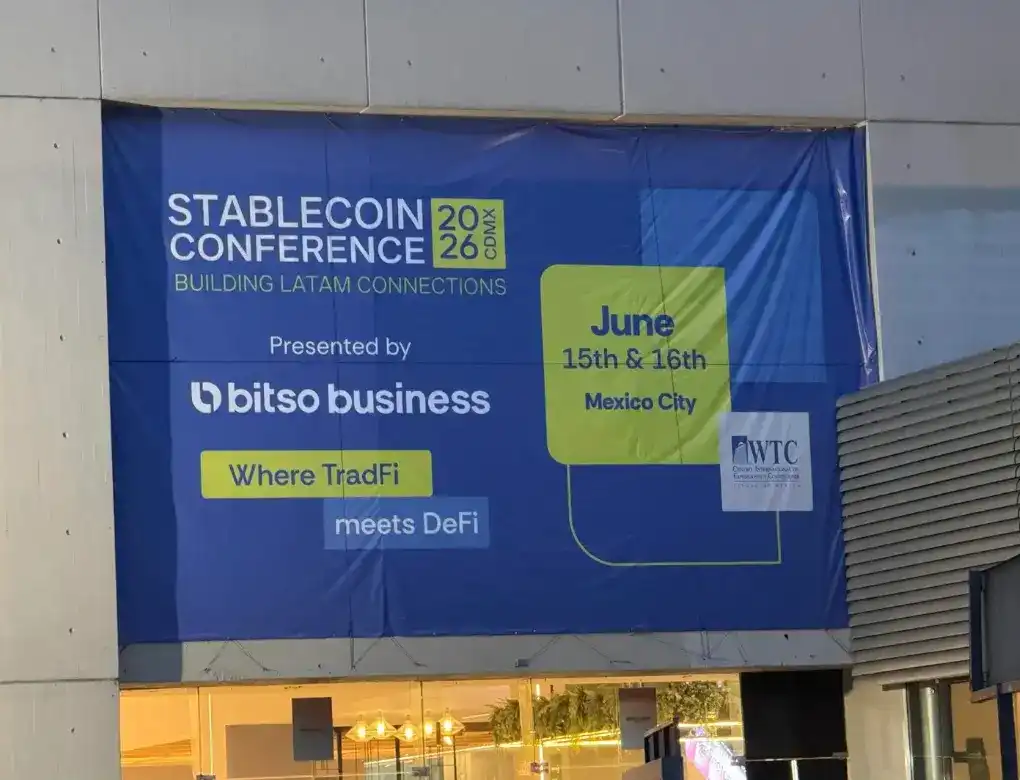
A Forbes feature delves into the state of stablecoin-based cross-border payments, noting rapid growth but a key shortfall: while faster and more accessible, they are not yet cheaper. At a recent industry conference in Mexico City, optimism about technology, regulation, and volume was tempered by discussions with practitioners. The core issue is liquidity. Traditional FX brokers charge 60-70 basis points, and stablecoins promise to slash this to 2-5 basis points. However, this theoretical cost advantage cannot be realized until deep liquidity pools are established at scale, requiring significant institutional capital inflow. A major adoption barrier is trust. Businesses often rely on long-standing relationships with traditional brokers, valuing reliability over marginal cost savings. This shift will be gradual. Furthermore, successful companies in the space are not positioning themselves as replacements for legacy systems like SWIFT, but as complements. They leverage stablecoins for speed while using traditional rails for their standardization and reliability in ensuring accurate payment details—a critical factor for supplier payments to avoid customs issues. Companies like Caliza, experiencing high monthly growth, exemplify this hybrid approach. The industry anticipates consolidation, as long-term viability will depend on securing the essential trifecta: proper licensing, robust fiat on/off-ramps, and deep liquidity. Without these, firms risk being mere intermediaries rather than building sustainable businesses.

marsbit4 saat önce

Forbes Feature: Stablecoin Cross-Border Payments Are Faster, But Not Yet Cheaper

marsbit4 saat önce

İşlemler

Spot
活动图片