观点:为何不看好单纯的Web3游戏代币?

Odaily星球日报2024-10-03 tarihinde yayınlandı2024-10-03 tarihinde güncellendi

Özet

纯Web3游戏项目需要降低FDV或构建技术护城河。

原文作者:1mpal

原文编译:Luffy,Foresight News

我热爱 Web3 游戏,很大一部分资金都投资在游戏 NFT 和代币上。不过,我对单纯的游戏代币非常不看好。 

市场需要正常化。目前,我对那些自 TGE 以来就完全失去增长势头的游戏项目没有任何好感。

如果我是一名交易员,我会认为那些交易 Memecoin 或押注蓬勃发展的人工智能领域的人是聪明人。目前没有理由在游戏代币上押注巨额筹码,市场的实际情况也恰恰如此。造成这种情况的原因有很多,但主要原因是游戏代币缺乏关键因素来支撑被高估的市场估值。

1. 游戏代币被高估

很少有 Web3 游戏能够匹配其市场估值。即使按流通市值而不是 FDV 计算,Web3 游戏也被高估了。例如,CATIZEN 是近期表现最突出的游戏之一,目前市值约为 2 亿美元,假设其年收入为 2000 万美元。
观点:为何不看好单纯的Web3游戏代币?

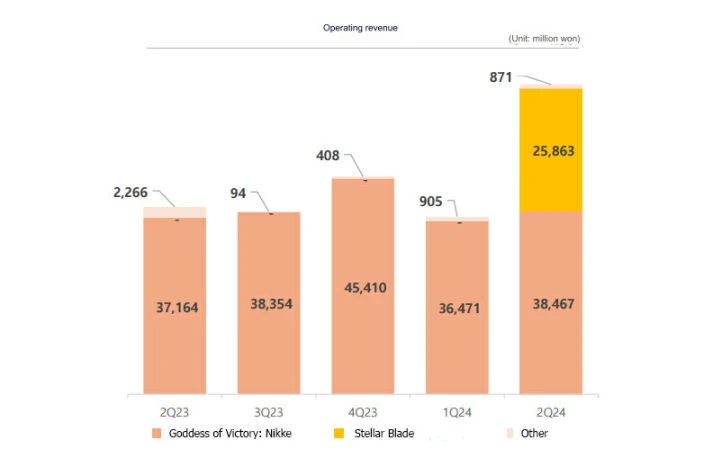
为了简单理解,你可以拿代币与股票对比,以评估它们的估值。韩国游戏公司 Shift Up 最近上市,市值约为 24 亿美元, 2023 年营收为 1.4 亿美元。市场认为它被高估,因为它具有巨大的未来潜力。

Nexon 的市值为 163 亿美元,年收入为 30 亿美元。Krafton 的市值为 123 亿美元,年收入为 15 亿美元。Take-Two Interactive 的市值为 263 亿美元,年收入为 53 亿美元。对于大多数大型游戏公司来说,年利润通常占其市值的 10-20% 。
观点:为何不看好单纯的Web3游戏代币?

代币经济学建立在游戏会无条件增长的前提下

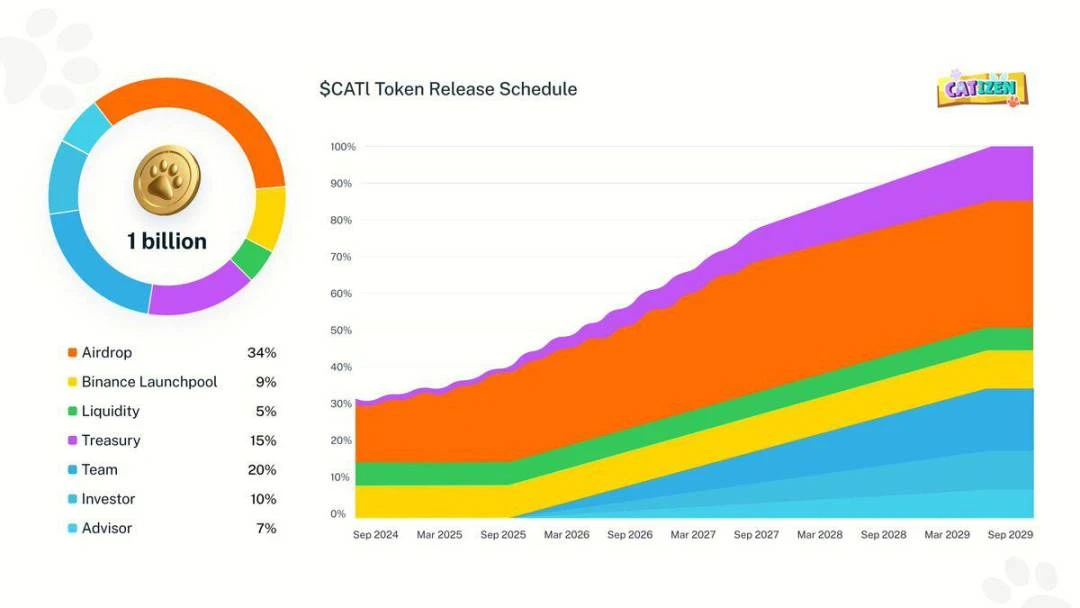
还是以 CATIZEN 为例,从市值来看,这似乎是一个非常健康的项目,但问题在于解锁机制,主流游戏公司需要融资才能扩大规模,但 Web3 游戏项目的代币是自动解锁的。

事实上,单纯的游戏项目如果没有基础设施,是不可能实现增长的。除非有特殊情况,大多数游戏在发布时的用户数量最高,然后呈缓慢下降趋势,这是很常见的情况。换句话说,Web3 游戏自我增值的想法是违背市场规律的。

2. Memecoin 比游戏代币更有吸引力

在交易中发现低市值宝石的能力是一种宝贵的才能,最简单可靠的信号就是交易量。交易量不大意味着市场不太感兴趣,自然会导致上涨势头疲软。谁愿意交易自上市以来一直在下跌的行业?
观点:为何不看好单纯的Web3游戏代币?

观点:为何不看好单纯的Web3游戏代币?

如果您是一位赌徒,流动性再次进入加密货币时,您会押注哪种代币?

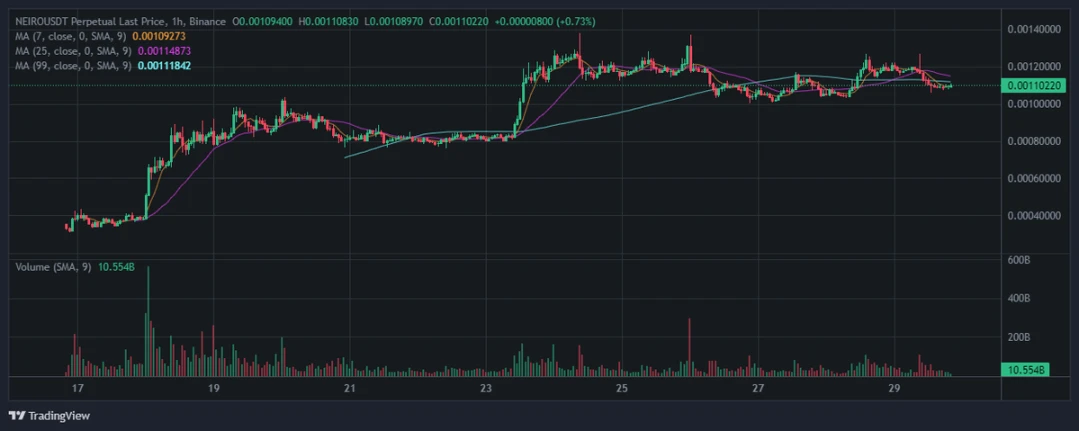
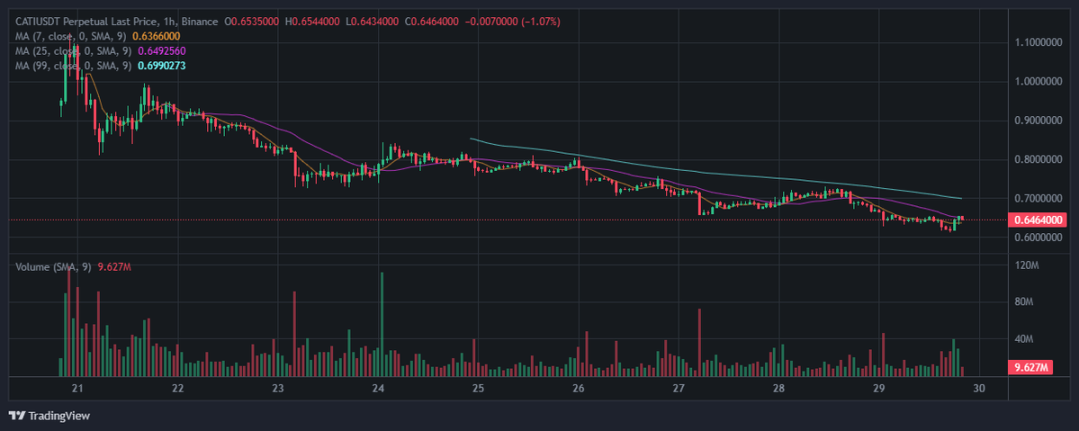
对比币安上 NEIRO、CATI、HMSTR 的走势图,我们可以看出明显的区别。尽管 CATI 在游戏收入方面明显优于传统 Web3 游戏,在外部社交媒体收入方面也明显优于 HMSTR,但市场表现却并不理想。在币安上,NEIRO 和 CATI 的交易量相差约 10 倍。

考虑到当前的市场情绪和交易所上市的意愿,这是典型的游戏代币进行 TGE 的最糟糕时机之一。游戏不可避免地由风险投资驱动,无法在当前市场中竞争的项目会迅速通过 NFT 销售、节点销售和 TGE,然后退出。因此,交易和持有 memecoin 比游戏代币更好。

我认为决定股票价格的三个原则是:对公司未来价值的预期、公司的业绩记录以及市场供需波动。目前,游戏代币没有业绩记录,供应超过需求,除非它们有特殊的营销手段,否则它们作为纯游戏的未来竞争力是不可靠的。

虽然将游戏代币与股票进行比较可能并不完全合适,但也有参考价值。关键在于哪些项目拥有推动市场叙事的关键。如果一家公司的未来价值仅仅取决于其游戏,那么它将无法生存。它需要基础设施,它需要技术推动力。

或者,从一开始就解锁全部代币并让市场决定价格。

最后的想法

观点:为何不看好单纯的Web3游戏代币?

我相信 2025 年第一季度加密货币将迎来显著的上涨。我和很多人一样喜欢 Web3 游戏,但是,我觉得纯 Web3 游戏代币的 FDV 需要降低。当然,如果你有基础设施或技术护城河(比如游戏链),你就可以获得更高的估值。但现在,有很多游戏虽然估值很高,但只服务于游戏本身。

这可能是游戏项目最糟糕的时候,或者可以将其视为一个常态化过程。今年我参加了几轮游戏项目的 KOL 融资,大多数都是亏损。VC 的加入让 FDV 越来越高,代币锁定结构违背了平均法则。

然而,一些游戏项目将在这一过程中生存下来,我们希望押注那些能够根据收入扩展到平台和基础设施的项目。请记住,推动市场的是一两个巨头,而我们处于交易者之前的阵地,可以优先挑选主角。然而,我们的弱点可能是过于痴迷于游戏的未来。即使我们热爱游戏,也需要尝试将其商业化。


原文链接

İlgili Okumalar

Consumer Confidence Hits Bottom, Macro Correlations Simultaneously Break Down: How Much Longer Can the U.S. Stock Market's Solo Rally Last?

The U.S. stock market is exhibiting a rare divergence: while consumer confidence hits historic lows and traditional macro asset correlations break down, major indices like the Nasdaq 100 and S&P 500 continue reaching record highs, fueled primarily by AI and semiconductor momentum. The rally is now highly concentrated, with strength rotating from giants like Nvidia to higher-beta plays within semiconductors, particularly memory chips. This surge occurs despite a significant split between pessimistic consumer sentiment and still-resilient actual spending behavior, partially supported by fiscal stimulus. Goldman Sachs traders highlight a critical structural fissure: correlations between the S&P 500 and key macro assets (rates, gold, VIX, oil) have deviated extremely from long-term historical norms. Concurrently, the market is in a negative Gamma regime, making it more sensitive to price moves, and hedge fund positioning in momentum and semiconductors is at crowded levels. The sustainability of this "solo rally" faces three main constraints: 1) Oil price volatility linked to Middle East geopolitical risks, 2) Extreme crowding in semiconductor and momentum trades, increasing vulnerability to disappointments, and 3) The breakdown of traditional macro correlations, suggesting the rally reflects a specific mix of factors rather than broad-based risk appetite. The key question is not if indices can rise further, but which variable—oil, rates, or semiconductor momentum—might trigger a repricing of the current fragile logic.

marsbit26 dk önce

Consumer Confidence Hits Bottom, Macro Correlations Simultaneously Break Down: How Much Longer Can the U.S. Stock Market's Solo Rally Last?

marsbit26 dk önce

Will OpenAI Swallow the Application Layer? a16z Says Real Opportunities Lie Outside General Models

As large language models (LLMs) from companies like OpenAI and Anthropic become more powerful, many fear they will dominate the AI application layer, leaving no room for startups. However, this article argues that the real opportunity lies not on the "Yellow Brick Road"—the high-profile, general-purpose tasks like code and text generation that model labs are directly pursuing—but in the "rest of Oz": complex, vertical-specific applications. On the Yellow Brick Road, model companies have inherent advantages: control over the model, better margins, pricing power, and strong distribution. Startups building generic, horizontal "co-pilot" tools for standard tasks are competing directly on this path and are vulnerable. True defensibility and value are found in specialized, vertical applications. These involve deep integration into messy, multi-step business workflows (e.g., sales, insurance, legal), handling legacy systems, data quality issues, compliance, and governance. The "scaffolding" around the model—the specialized tools, automations, workflows, and industry knowledge—becomes more critical than the raw model power itself. Vertical AI companies can build defensible moats through: * **Data & Learning Flywheels:** Capturing unwritten industry practices and specific customer feedback not found in public training data. * **Managing Model Complexity:** Routinely evaluating and routing queries across multiple models (including open-source) to optimize for performance and cost, and absorbing the migration burden of model upgrades for clients. * **Cost Optimization:** Using cheaper, fine-tuned models for specific sub-tasks instead of always calling the most expensive, general-purpose model. * **Governance & Compliance:** Providing the control plane for permissions, auditing, and ensuring compliance with industry-specific regulations (e.g., HIPAA, FINRA). Examples from sales (11x) and insurance (FurtherAI) illustrate that clients pay for systems that drive specific business outcomes (e.g., sales pipeline, policy underwriting), not for generic intelligence. These systems become the "operational memory" of a business, a layer that is hard to replace, even as the underlying LLMs commoditize and improve. To test if a startup is building in the "rest of Oz," it should pass checks like the **Tool & Steps Test** (requires complex, multi-step workflows), the **System Test** (owns the end-to-end workflow, not just a tool on top), and the **Hedge Fund / P&L Test** (measured by client business outcomes, not benchmark scores). Both model labs and vertical application companies will win. The next generation of enterprise software will be built in the specialized, complex, and high-value territory beyond the Yellow Brick Road.

marsbit54 dk önce

Will OpenAI Swallow the Application Layer? a16z Says Real Opportunities Lie Outside General Models

marsbit54 dk önce

'ASIC Giant' Marvell Sets Record Quarterly Revenue, Raises Guidance Again, CEO Says Data Center Business Is 'On Fire'

Marvell Technology, a leading player in custom AI chips and data center connectivity, reported record revenue for its fiscal Q1 2027, driven by explosive demand in its data center business. Revenue reached $2.418 billion, slightly surpassing expectations, though GAAP net income fell year-over-year due to acquisition-related costs. Crucially, data center revenue hit $1.83 billion, making up 76% of the total and growing 27% YoY. The company significantly raised its full-year and next-year guidance, citing "exceptionally strong AI-related orders." Revenue is now projected at ~$11.5 billion for FY2027 and ~$16.5 billion for FY2028. CEO Matt Murphy emphasized that growth in the data center segment is accelerating. The AI Interconnect business, now expected to grow over 70% annually, saw its forecast lifted again due to rising network demands in complex AI models. Additionally, Marvell's custom chip (XPU) business is on a steep growth path, with FY2028 revenue anticipated to double and a target of over $10 billion by FY2029. The company also expanded its strategic collaboration with NVIDIA, focusing on silicon photonics, system integration, and AI-RAN solutions. To secure supply for surging demand, Marvell plans about $1 billion in supplier prepayments this fiscal year, highlighting its long-term capacity planning. Despite the strong results, the stock dipped slightly in after-hours trading.

marsbit1 saat önce

'ASIC Giant' Marvell Sets Record Quarterly Revenue, Raises Guidance Again, CEO Says Data Center Business Is 'On Fire'

marsbit1 saat önce

İşlemler

Spot
Futures
活动图片