Multicoin:为什么我们为 Fuse 投资 1200 万,以解决能源行业的问题?

深潮2024-09-13 tarihinde yayınlandı2024-09-13 tarihinde güncellendi

Fuse 正在从基本原则重新审视零售能源供应链,以最大限度地减少从发电到分配生命周期中各个环节的效率损失。

作者:Shayon Sengupta & Tushar Jain

编译:深潮TechFlow

今天,我们很高兴地宣布 Fuse 完成了一轮 1200 万美元的融资。Fuse 是 Project Zero 的核心贡献者,Project Zero 是一个旨在解决重大能源协调问题的可再生能源 DePIN。

Fuse 由 Alan ChangCharles Orr 创办,他们曾是 Revolut 的早期员工,并为其早期发展做出了重要贡献。2022 年,他们将目光投向了解决能源危机。近年来,Fuse 打造了一家现代科技驱动的能源公司,构建了强大的数据和工程系统,目标是以更高的成本效益为客户提供服务,超越现有的三大公用事业巨头

目前,Fuse 运营着大型太阳能和风能发电厂,并从事分布式能源资源 (DER) 的安装业务,作为英国的电力供应商,为数万家庭提供电力服务。

然而,这仍然不足以应对挑战。为了满足全球不断增长的能源需求,未来十年内我们每年需要新增 4000 太瓦时的发电能力——这相当于每年重新建设一个完整的美国电网。此外,到 2030 年,每年还需额外投入 4 万亿美元用于电网现代化、存储和传输基础设施,这一数字超过了德国或日本的年度 GDP。

地缘政治的复杂性使问题更加严峻:成千上万的司法管辖区、繁琐的法规和监管机构,以及众多市场参与者,各自拥有不同的激励和限制。我们正面临未来十年内巨大的能源挑战,需要一种全新的解决方案,而这正是 Project Zero 的使命所在。

Project Zero 是一个可再生能源 DePIN,旨在通过奖励网络参与者在可再生能源时段转移需求、支持电动出行的使用,并通过太阳能电池板或电池增加新容量,加速分布式能源资源 (DER) 的扩展和利用。

能源的生产和协调是我们这一生中最大的机遇之一,但仅靠传统方式无法解决。在运营 Fuse 的过程中,Alan 和 Charles 认识到,利用加密技术进行资本形成是未来发展的关键。Project Zero 正是这样的创新:它作为激励层,为协调能源价值链中最分散的部分提供了基础。

能源行业的分散化趋势

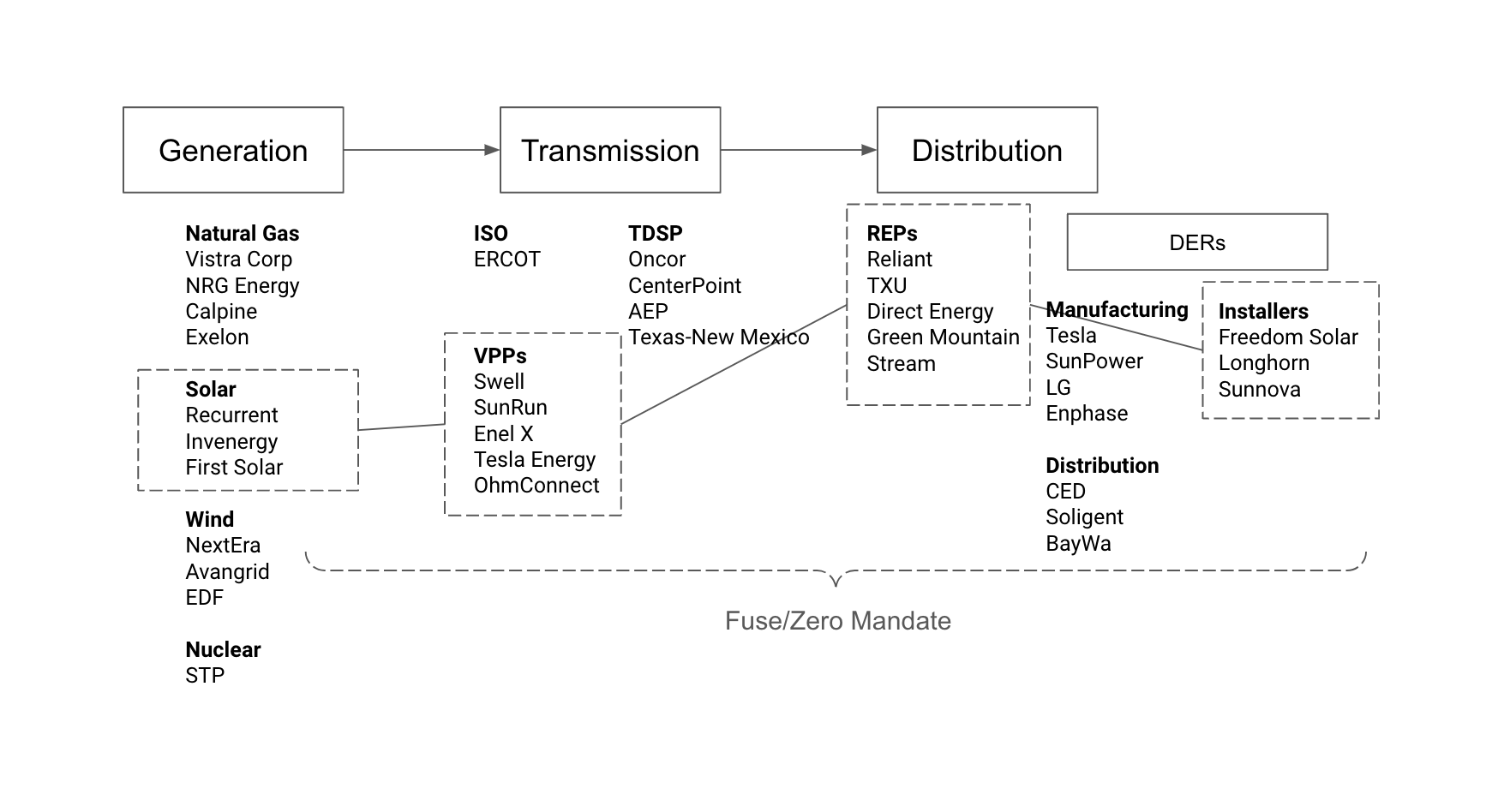
当前能源行业的趋势是在特定领域内进行横向整合,例如发电、传输或零售,而不是在整个价值链上进行纵向整合。

Trinity 这样的安装商专注于分布式能源资源 (DERs) 的部署,但并不直接从事能源零售业务。相反,NRG Energy 等零售能源供应商通常不提供 DER 安装服务,除非这些服务与传统电力生产相结合。Vistra Corp是一家主要的美国电力生产商,资产多元化,涵盖天然气、煤炭、核能和太阳能等领域,并运营多个零售品牌,如 TXU EnergyAmbit EnergyDynegy,但在其发电组合的供需协调上效率不高。这些公司大多独立运作,限制了其实现最大规模效益的能力。

这些效率低下的问题尤为严重。不一致的数据格式和不完整的消费数据使电网运营商难以进行实时监控和需求预测。不同司法管辖区分散的许可框架阻碍了可再生资源安装商和服务运营的规模化发展。信息孤岛则妨碍了零售商的合理定价和风险管理。

Fuse 正在从基本原则重新审视零售能源供应链,并有意在供应链的每个环节进行运作,以最大限度地减少从发电到分配生命周期中各个环节的效率损失。他们专注于以大规模提供廉价、清洁能源为使命,并为实现这一目标而努力反向规划。
在近期内,这意味着要解决两个具体问题:

  1. 消费者转型的惯性——我们如何鼓励全球消费者改变他们的消费习惯,从而更有效地在需求响应计划中实现电网负载平衡,并进一步采用家庭可再生产品和分布式能源资源 (DERs),如电动汽车 (EV) 充电器、电池、太阳能逆变器、热泵和智能恒温器?

  2. 零售能源分配标准问题——我们如何整合零售能源供应商、电网运营商、虚拟电厂和 DER 安装服务提供商之间的分散流程,这些流程一向使得通过地理扩张在零售能源业务中实现规模经济变得困难?

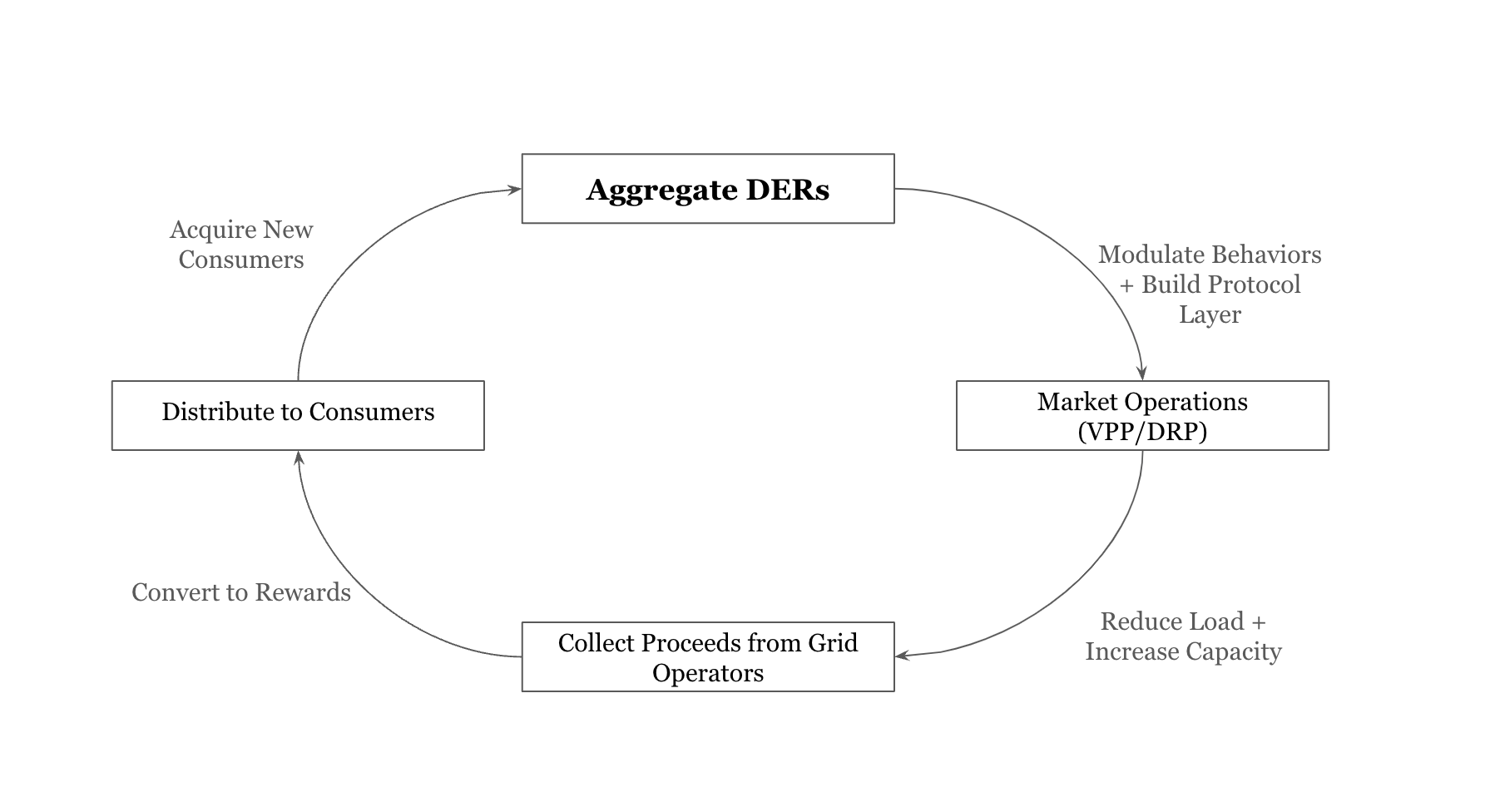
Project Zero 通过作为激励层,补充了 Fuse 的垂直整合战略,帮助消费者灵活调整能源消耗并发展新的可再生能源容量。

大规模整合能源资产

Fuse 希望将房主转变为对能源选择有意识且积极的参与者。地球需要的是能够积极响应资源使用的消费者,而不是仅仅把能源使用当作月度账单项目的人。Fuse 通过创造愉悦的消费者能源体验,并管理 Project Zero 的激励措施分配,加速这种转变,从而影响消费模式并鼓励新容量的安装。

作为直接面向客户的能源零售商,Fuse 在结构上具有优势,可以捕捉和分配通过解决该领域一些最复杂的协调问题所创造的价值:如促进需求响应计划 (Demand Response Programs, DRPs)、运行虚拟电厂 (Virtual Power Plants, VPPs)、建立低延迟计量系统,以及引领新的互操作性数据标准。

需求响应计划 (DRPs)

Fuse 通过在电网边缘动态调节能源消耗,充分挖掘需求响应计划的潜力。尽管 DRPs 可以将峰值电力需求减少 20%,但全球大多数符合条件的家庭并未参与这些计划。这意味着在高峰期有数百万千瓦时的电力可以被转移或减少,从而大幅降低运营成本。

当电力需求高涨或供应不足时,Project Zero 可以向网络中能源资源的拥有者(如智能家电、热水器、恒温器、热电联产系统、太阳能电池板和电池)提供 Token 激励,而不仅仅是折扣,以促使他们减少或转移用电。这种平衡能力使得 Fuse 能够在关键时刻稳定电网,使供需双方保持一致。
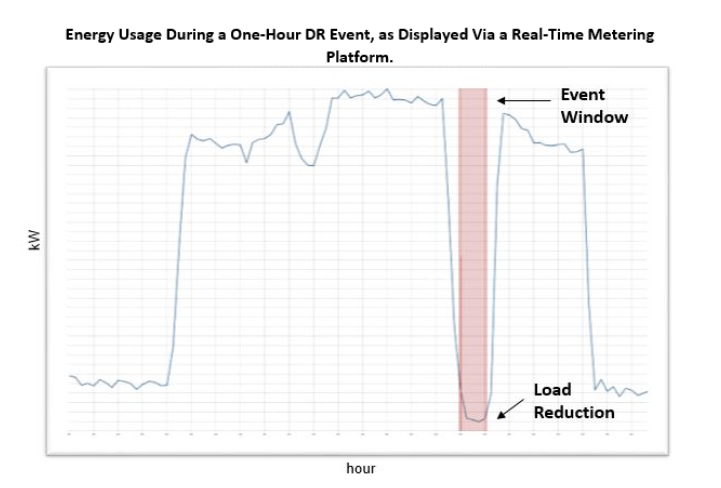
来源:NYC DCAS

这些消费模式的转变可以帮助每个家庭在每减少一兆瓦时的需求时,获得超过 3,000 美元的收益。在大规模应用中,这些计划的部分收益可以通过 Token 激励返还给消费者,这些 Token 可以用来减少能源账单,或直接兑换为即时奖励。

随着越来越多的家庭通过 Project Zero 协议的激励措施选择动态调整用电,Fuse 能够在需求响应计划 (DRP) 中提出更有竞争力的报价。这使得 Fuse 可以提供更大且更可预测的负载减少或转移能力,我们相信公用事业公司和电网运营商愿意为此支付额外的费用。

虚拟电厂 (VPP)

分布式能源 (DER) 的安装商(如太阳能电池板、电池储能、电动汽车和智能家电)常常未能与能源零售商合作,导致无法为家庭提供最佳的系统规模和配置。这不仅使得在急需的市场中 DER 的渗透率较低,而且这些系统往往与整体电网脱节

在 Fuse 的愿景中,Zero 通过激励措施推动家庭增加新的可再生能源容量,并确保这些新增资源被高效利用。这使得 Fuse 能够作为一个虚拟电厂运作,将所有分布式能源整合成一个灵活的实体,从而为电网提供有价值的服务。

当电网面临高需求或供应不足时,Fuse 会指示分布式能源资源(DERs)增加能源生产或释放存储的电力。例如,虚拟电厂中的太阳能和电池存储系统能够迅速释放或吸收电力,以帮助维持电网频率在一个狭窄的范围内;而智能恒温器和热水器则可以暂时关闭或调整,以响应需求变化。

作为一个虚拟电厂,Fuse 参与批发能源市场,将其在地方市场的 DER 足迹进行聚合,以便以更大且更可预测的规模进行投标,而不是单纯作为能源零售商。Fuse 还可以提供电压支持等服务,这对于电网的稳定性至关重要。这些服务能够带来可观的收入,通常每兆瓦容量每年可达 100,000 美元

通过增强这些服务的可靠性,借助先进的计量技术和基于丰富分析的方法,我们预计 Fuse 能够从电网运营商那里获得更有利的合同和更高的报酬。最终,这些开放市场操作的收益将回馈给那些为网络贡献资产的用户。

先进计量和实时数据

能源生产商和零售商面临的一个持续问题是缺乏关于发电厂故障、需求波动及其他直接影响能源生产的因素的实时数据。这使得准确盈利地定价能源成为一项重大挑战。

Fuse 通过与消费者建立直接关系,收集随机的逐分钟数据,从而填补了这一空白。这些实时信息被传输到 Fuse 的先进计费引擎中,支持所有定价决策。我们相信,这将使公司实现更高的盈利,进而参与批发市场。这意味着网络覆盖的每个市场都能获得更便宜、更清洁的能源。

随着客户基础的不断扩大,以及对服务他们的电网的清晰了解,我们相信 Fuse 在盈利参与能源市场方面比大多数公司更具优势,因此能够在此过程中帮助其他参与者。

构建开放协议

在大规模运营中,Project Zero 是一个开放平台,提供对所有生成和消费的能源资源的透明度,任何能源价值链中的参与方均无需权限访问。

随着 Fuse 在边缘网络积累越来越多的能源资产,Project Zero 开始作为一个强大且可信的中立层发挥作用。这是为 21 世纪构建全球能源系统的最正确的方法:通过一致、可互操作的数据标准连接可获取的能源资源,任何人都可以在其基础上构建产品和服务。

通往能源丰富的道路

Fuse 在与行业巨头竞争时的不公平优势在于,通过加密协调原语战术性地消除机器中的障碍。这种方法应该更有效地获取和吸引用户参与闭环生成与分配过程,使 Fuse 准备成为一个新型的全球能源零售商:不仅能通过不对称的数据和系统改进更有利润地交易电力,还能激励可再生能源的采用,并最终在每个环节奖励其客户。

Alan 和 Charles 在受监管的消费者环境中拥有深厚的运营经验。Fuse 团队由一群以客户为导向的建设者和市场运营者组成,专注于解决我们时代最紧迫的能源问题。

Fuse 逐步将 Project Zero 培育为其首个核心贡献者,以建立一个开放共享的平台,并使我们更接近于“便宜得无法计量”的能源。欲了解更多信息,请访问 www.zero2050.com。


İlgili Okumalar

After Three Consecutive Quarters of Decline, Can the Crypto Market Find a Window for Stabilization in Q3?

The cryptocurrency market has just concluded its worst-performing quarter since 2022, with total capitalization dropping 12.6% to $2.1 trillion. All core metrics indicate capital is leaving the sector, not just rotating within it. Bitcoin fell 14.2% and Ethereum dropped 25.4% in Q2, breaking their previous correlation with US tech stocks. A key driver is the reversal in US spot Bitcoin ETF flows, which saw a net outflow of approximately $4.67 billion in Q2, including a record monthly outflow near $4.5 billion in June. While recent data suggests long-term holders are accumulating again, sustained ETF outflows mean continued selling pressure. Market focus is now singularly on the Federal Reserve. The upcoming July FOMC meeting is seen as the most critical event for Q3. A dovish signal could support Bitcoin reclaiming a $68,000-$84,000 range, while a hawkish stance might establish a new trading band around $50,000-$56,000. Additionally, regulatory uncertainty persists, with the progress of the crucial *CLARITY Act* stalling in the Senate, reducing its perceived 2026 passage probability to 40-45%. Despite the broad downturn, a few sectors showed growth. Prediction markets saw nominal volume surge 48.7% year-over-year to $113.8 billion, and tokenized collectibles transaction volume rose 143% quarterly to $1.4 billion. The Real-World Asset (RWA) tokenization sector also continued steady growth, now representing ~$28.1 billion in on-chain value. The market's foundation for an extreme crash appears limited, with Bitcoin price hovering near its 200-week moving average. However, the trading paradigm has shifted from narrative-driven speculation to decisions based on price action, policy developments, and interest rate expectations, making a broad sentiment-driven rally unlikely in the near term.

marsbitDün 08:36

After Three Consecutive Quarters of Decline, Can the Crypto Market Find a Window for Stabilization in Q3?

marsbitDün 08:36

BIT Trading Moment: BTC Still Suppressed by Weekly 200 EMA, Rejection May Restart Decline; Storage and Semiconductors that Surged Last Night Begin Falling in Evening Trading

**Crypto & Stock Market Wrap: Bitcoin Tests Resistance, Stocks Retreat After AI Surge** Bitcoin consolidates around $66,000, facing key resistance near $68,000—an area seen as a major psychological and technical hurdle where previous rallies have failed. Analysts note the cryptocurrency is caught between its 200-week moving average (~$63,333) and 200-week EMA (~$68,328). A clear break above $68k is needed to signal a stronger bullish trend, while a rejection could lead to a retest of $63k support. Market sentiment remains cautious, with low futures open interest pointing to a low-liquidity rebound rather than a full bull market. Bitcoin spot ETFs saw another $203 million inflow. US stock futures pointed lower after a strong Tuesday session led by a massive rebound in semiconductors and memory stocks. The rally was fueled by renewed optimism about AI-driven hardware demand, with Micron, SanDisk, and SK Hynix surging. However, those gains reversed in pre-market trading. Super Micro Computer (SMCI) soared over 20% after hours on strong guidance and a record backlog. Other standouts included Rocket Lab and nuclear energy plays Oklo and X-Energy. Rising oil prices (Brent above $91) and climbing Treasury yields (10-year near 4.64%), however, are reigniting inflation concerns and acting as a headwind for equities. In Asia, markets were mixed. South Korea's KOSPI pared early gains to close slightly higher as semiconductor stocks like SK Hynix gave back initial surges. Japan's Nikkei edged lower as the yen hit a fresh 38-year low against the dollar, raising fears of potential market intervention. Key events to watch include the Samsung Galaxy launch, AMD's AI event, and a slew of major tech earnings from Alphabet, Tesla, and IBM after the close on Wednesday, followed by the ECB meeting and Intel's earnings on Thursday.

marsbitDün 08:28

BIT Trading Moment: BTC Still Suppressed by Weekly 200 EMA, Rejection May Restart Decline; Storage and Semiconductors that Surged Last Night Begin Falling in Evening Trading

marsbitDün 08:28

Former CFTC Chairman, Circle President Tarbert: Preaching Long-Termism While Cashing Out $30 Million Himself

Former CFTC Chairman and Circle President Heath Tarbert has consistently advocated for a long-term vision in public, urging patience from investors as Circle’s stock price has fallen significantly from its peak. However, it has been revealed that since Circle’s IPO, Tarbert has continuously sold his CRCL shares through pre-arranged trading plans, cashing out approximately $30 million, without making any public market purchases. This contrast between his public messaging and personal actions has drawn criticism. Tarbert joined Circle in July 2023 as Chief Legal Officer, leveraging his regulatory experience to help guide the company through its IPO and expansion. Despite promoting stablecoins as long-term infrastructure, he established a 10b5-1 trading plan just before Circle went public, leading to substantial stock sales over the following year. In March 2026, he initiated another plan to sell more shares. His career trajectory highlights a pattern of moving between high-level regulatory roles and influential positions in the financial sector. After resigning as CFTC Chairman in early 2021, he joined Citadel Securities as Chief Legal Officer just 27 days later, during a period of intense regulatory scrutiny for the firm. He later joined Circle, aiding its efforts to navigate regulatory challenges for its public listing. While Tarbert's expertise in policy and compliance is valuable to companies like Circle, his actions—advocating long-term confidence while personally divesting—raise questions about the alignment between his public statements and his private financial decisions, leaving investors who followed his advice to bear the market risks.

marsbitDün 08:06

Former CFTC Chairman, Circle President Tarbert: Preaching Long-Termism While Cashing Out $30 Million Himself

marsbitDün 08:06

Gate Research Institute: The 'Wall Street-ization' Wave of Crypto Financial Products – Competition or Integration?

The article titled "Gate Research Institute: Are Crypto Financial Products Sparking a 'Wall Street' Wave—Competition or Convergence?" explores the evolving relationship between the crypto ecosystem and traditional finance (TradFi). The piece begins by reflecting on Bitcoin's original 2009 vision of decentralization, disintermediation, and moving away from banks. It then contrasts this with the 2024 landscape, where key crypto assets like Bitcoin are increasingly held through Wall Street products like ETFs issued by giants like BlackRock. The article questions whether this signifies that TradFi is systematically taking over the rights to issue, price, custody, and distribute crypto financial assets. The core argument is that this is not a zero-sum takeover but rather a bidirectional convergence where each side addresses the other's weaknesses. Crypto offers 24/7 global markets, programmable settlement, and open access but lacks compliant channels, institutional-grade custody, deep fiat liquidity, and mainstream distribution. TradFi possesses these but is constrained by legacy systems, limited operating hours, and slow settlement. Two primary convergence paths are highlighted: * **Path A (CEX to TradFi):** Exemplified by Gate, which has progressed from offering tokenized stocks and CFDs to providing direct, real stock trading (US, Hong Kong, South Korea) within its platform, using USDT. * **Path B (TradFi to Crypto):** Exemplified by Robinhood, which has integrated crypto trading, acquired exchanges like Bitstamp, and is moving traditional assets like stocks onto the blockchain via tokenization and its own Layer 2. Both paths are ultimately competing to become the next-generation, unified financial account—a "super account" where users can seamlessly trade cryptocurrencies, stocks, ETFs, RWA (Real World Assets), and tokenized treasury products in one interface. The growth of RWA and tokenized treasuries (e.g., BlackRock's BUIDL) is presented as the asset-layer fusion, providing stable, yield-bearing assets on-chain and acting as a bridge between the two worlds. In conclusion, the "Wall Street-ization" of crypto is framed as a mutual transformation. Decentralized ideals persist in the protocol layer, while at the application layer, a more efficient, global, and accessible unified capital market is emerging from this convergence. The future competition lies not between crypto exchanges and stockbrokers, but between platforms vying to offer the most comprehensive asset coverage, liquidity, and user experience within a single account.

marsbitDün 08:01

Gate Research Institute: The 'Wall Street-ization' Wave of Crypto Financial Products – Competition or Integration?

marsbitDün 08:01

İşlemler

Spot
活动图片