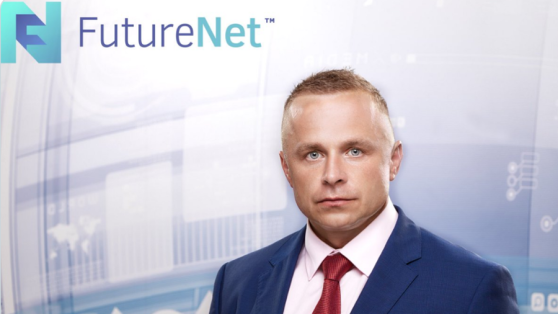
В Черногории задержан сооснователь криптосхемы FutureNet Роман Зиемян

investing.ru2024-08-21 tarihinde yayınlandı2024-08-21 tarihinde güncellendi

Роман Зиемян (Roman Ziemian) проживал под чужим именем в Подгорице, столице Черногории, рассказывает полиция. Ордер на арест Зиемяна выдали Южная Корея и родная страна беглеца, Польша. Власти этих стран обвиняют сооснователя FutureNet в мошенничестве, а также краже и отмывании денег. В Республике Корея Зиемяну грозит пожизненное заключение. Высокий суд Подгорицы собирается рассматривать решение об экстрадиции.

Зиемян основал криптосхему FutureNet совместно со Стефаном Моргенштерном (Stephan Morgenstern) в 2018 году. Проект позиционировался как многоуровневый маркетинговый бизнес с токеном FuturoCoin (FTO). Сейчас токен не имеет никакой ценности.

В марте 2019 года Управление по конкуренции и защите прав потребителей Польши (UOKIK) объявило, что FutureNet может быть финансовой пирамидой. Фирма продавала «пакеты для участия» стоимостью от $10 до $10 000, обещая инвесторам прибыль. В середине 2020 года власти Южной Кореи начали расследовать деятельность FutureNet после получения жалоб от 950 человек, потерявших миллионы на вложениях в схему.

В октябре 2022 года Роман Зиемян был арестован в Италии, однако позднее отправлен под домашний арест и вскоре бежал из страны. В том же месяце в Греции был взят под стражу Стефан Моргенштерн. Он тоже оказался под домашним арестом и бежал в Албанию. В августе 2023 года албанские власти вышли на Моргенштерна и арестовали его. Обвиняемый должен быть экстрадирован в Южную Корею, где ему грозит пожизненное заключение.

В начале августа Апелляционный суд Черногории принял решение об экстрадиции сооснователя Terraform Labs До Квона (Do Kwon) в Южную Корею, где его собираются судить по обвинению в мошенничестве, связанном с крахом экосистемы Terra.

Читайте оригинальную статью на сайте Bits.media
İlgili Okumalar

Are the Frantic Acquisitions of Crypto Companies by Giants Good or Bad?

In a bear market, giants are actively acquiring crypto companies. Recent months have seen at least five major deals: Samsung Securities bought a 2% stake in Upbit operator Dunamu; Robinhood acquired WonderFi for $180 million to enter the Canadian market; Figure purchased Kiavi for $717 million to expand into on-chain real estate credit; Franklin Templeton bought 250Digital to launch Franklin Crypto; and Blockworks acquired data platform Messari at a steep discount—over 90% less than its 2022 $300 million valuation. These moves highlight a strategic shift. Cash-rich giants are consolidating resources at low cost, targeting companies with established compliance frameworks to navigate tightening global regulations. Acquisitions like WonderFi and the Upbit stake provide immediate market access and licensed user bases. Figure's deal signals real-world asset (RWA) tokenization moving from concept to large-scale implementation, with Kiavi's $7+ billion annual transaction volume being integrated into on-chain capital markets. Franklin Crypto's launch targets institutional investors like pension funds, offering them tailored, compliant crypto strategies. For these strategic players, bear markets present an ideal entry point: valuations are depressed, speculative noise is minimized, and they can acquire robust technology and compliance infrastructure at a fraction of the cost. This acquisition wave marks a transitional phase for crypto—from a wild frontier toward an institutional, regulated financial system. Giants are positioning themselves to capture future growth when macroeconomic conditions and liquidity improve, leaving latecomers behind.

marsbit34 dk önce

Are the Frantic Acquisitions of Crypto Companies by Giants Good or Bad?

marsbit34 dk önce

In the MiCA Era, Europe's New Cryptography Landscape: Why is Germany Taking Center Stage?

With MiCA's transitional arrangements concluding, Europe's crypto industry has undergone a regulatory consolidation. Post-MiCA, platforms must secure CASP authorization to operate compliantly within the EU. As of July 1st, only about 12% of crypto firms have received authorization, with Germany emerging as a key player, holding 57 authorizations (roughly 23% of the EU total). This positions Germany as a primary compliance gateway to the EU's unified market. Germany's advantage stems from its established, function-based regulatory framework, which integrated crypto activities into existing banking, securities, and payment systems pre-MiCA. This allowed a smoother transition and attracted both domestic platforms (like Bitcoin.de, BISON) and international ones (like Coinbase Germany). A distinctive trend is German banks becoming direct retail entry points for crypto services. Examples include DZ Bank integrating "meinKrypto" into its VR Banking App and the Sparkassen savings bank network planning to offer crypto trading via DekaBank. This mainstreams crypto access for ordinary users. Beyond trading, Germany is evolving into a digital asset infrastructure hub. Deutsche Börse Group's Clearstream is developing a next-generation platform for issuing, settling, and servicing both traditional and tokenized securities. Furthermore, German banks like DekaBank and DZ Bank are key participants in the Qivalis project, a European initiative for a regulated euro stablecoin, positioning Germany at the intersection of critical future capabilities like custody, settlement, and cross-border services.

marsbit1 saat önce

In the MiCA Era, Europe's New Cryptography Landscape: Why is Germany Taking Center Stage?

marsbit1 saat önce

İşlemler

Spot
活动图片