对话 Bitwise 投资经理 :亏损不卖是一种认知偏见,等待流动性回升才是入场关键

深潮2024-08-15 tarihinde yayınlandı2024-08-15 tarihinde güncellendi

控制自己的情绪和偏见是在高度波动和反射性的加密市场中脱颖而出的关键。

整理 & 编译:深潮TechFlow

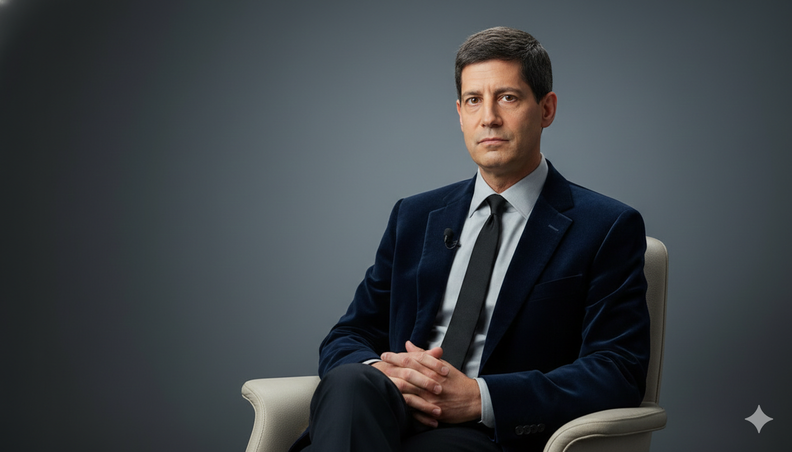
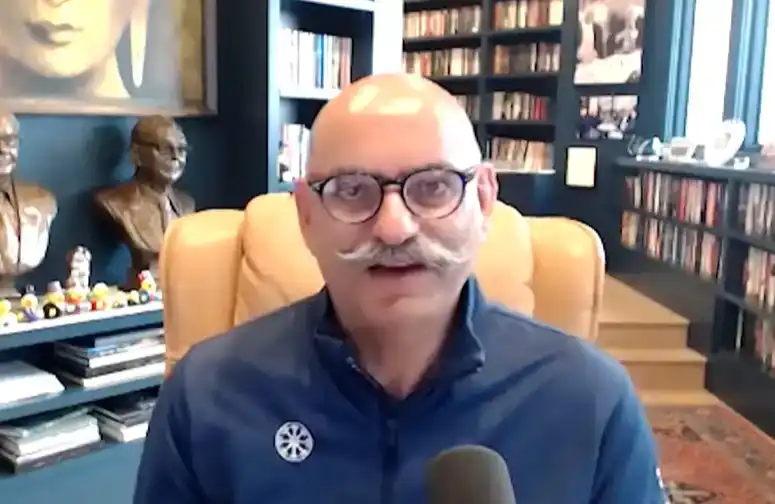
嘉宾Jeff Park,Bitwise Alpha 策略投资经理;David Kalk,Reflexive Capital CIO

主持人Jason Yanowitz, Blockworks 创始人;Santiago R Santos,Investor;

播客源Empire

原标题:Mastering the Psychology of Crypto Cycles | David Kalk & Jeff Park

播出日期:2024年8月8日

要点总结

在本集中,Reflexive Capital 的 David Kalk 和 Bitwise 的 Jeff Park 探讨了心理学在加密交易中的关键作用。他们认为,控制自己的情绪和偏见是在高度波动和反射性的加密市场中脱颖而出的关键。他们揭示了传统风险投资方法的局限性、流动性策略的潜力,以及为什么心理弹性可能是当今加密货币领域中最有价值的优势。他们分享了他们对管理交易心理、适应市场制度以及机构加密投资未来的看法。

David 和 Jeff 的介绍

  • David Kalk 是 Reflexive Capital 的创始人兼首席投资官,而 Jeff Park 是 Bitwise 的 Alpha 策略负责人和投资组合经理。两位嘉宾的背景各具特色,尤其是 David 在宏观经济领域的丰富经验。

  • David 在 2008 年于高盛的利率衍生品部门开始了职业生涯,专注于市场结构。他与彼得·蒂尔的合作经历使他在宏观市场中学会了独立思考和风险管理的重要性。2020 年,他离开高盛,帮助创办了 Commonwealth Asset Management,并在此过程中识别出加密货币作为一种宏观资产。David 还提到,他在 2021 年设立了一些定制产品以进入加密市场,并在观察到美联储的政策变化后,决定专注于加密业务,最终成立了 Reflexive Capital。

加密货币的流动性不高的低效市场

加密市场的流动性与效率

  • David 指出,加密货币市场是一个流动性较高但低效的市场。通常情况下,流动性市场会更加高效,而加密市场则是一个显著的例外。尽管加密市场有一定的流动性,但其效率却很低,这主要是由于市场参与者的构成,缺乏专业的交易经验,更多的是散户和新手投资者。

  • David 认为,市场上存在着明显的投资组合调整不足的现象,尤其是在加密周期中的大幅波动时,许多投资者未能及时调整策略。他将当前的加密市场比作 90 年代的宏观市场,指出如果能够正确把握大幅度的市场轮动,将会获得巨大的收益。

投资者心理与交易策略

  • David 进一步分析了加密市场中投资者的心理因素,认为交易和风险管理的技能在这个市场中至关重要。他指出,成功的交易者通常能够灵活应对市场变化,而这与风险投资者的长远思维形成对比。风险投资者往往对市场价格变化反应迟缓,可能会错失最佳的交易时机。

  • Jeff 补充道,作为 Bitwise 的 Alpha 策略负责人,他的团队致力于通过多策略、多管理人的框架,寻找独特的加密投资回报。他强调,加密市场的固有波动性是其特点之一,而这种波动性为专业投资者提供了机会。

市场结构与未来展望

  • David 讨论了加密市场的结构变化,认为历史经验可能会导致误导。随着风险投资资金的涌入,市场的初始代币价格受到影响,导致流动性投资者面临更高的进入成本。他认为,当前许多投资者在面对市场波动时缺乏足够的资金来进行有效的投资。

  • Yano 提到,许多基金在市场牛市中全额配置资金,导致在市场下行时无法有效应对。

  • David 认为,投资者需要重新评估其投资组合,以应对不同的市场周期,并建议采取灵活的策略,抓住新的投资机会。

  • Jeff 也指出,投资者在选择管理人时,往往受到传统风险投资思维的影响,而忽视了加密市场独特的价值捕捉机制。他认为,加密市场不仅仅依赖于金融资本的投入,还包括社会资本和人力资本的贡献,这为投资者提供了新的视角和机会。

流动性提供者的关注点

投资者的高回报期望

  • Santi 提到,当向流动性提供者(LP)推销时,投资者通常会期待极高的回报,例如30倍的收益。他们并不关心具体的投资策略或治理参与,而是希望获得与历史回报相符的收益。这种心态使得许多管理者在向 LP 推销时面临挑战,因为他们需要证明自己的策略能够实现这些预期的回报。

回报与波动性的关系

  • David 进一步指出,流动性提供者更关注在波动性范围内的回报,而不是追求最大化的回报。当前的资金配置过程往往局限于那些与投资者思维一致的管理者,导致市场上缺乏有效的回报模型。许多投资者希望将大部分资金放在现金中,然后用少量资金进行加密投资,但这样的策略需要以合适的方式包装,否则就会被视为不可行。

投资策略的清晰性

  • Santi 强调,管理者需要明确区分其投资策略是来自对冲基金还是风险投资,尤其是在向 LP 推销时。如果策略被视为“流动风险投资”,投资者可能会感到困惑并选择放弃。因此,管理者需要清晰地传达其投资策略的性质和目标。

心理因素与风险管理

  • David 指出,心理因素在交易中扮演着重要角色。成功的交易不仅依赖于市场知识,还需要对风险管理有深刻的理解。他提到,许多来自传统金融行业的管理者可能并不具备必要的交易技能,这使得他们在加密市场中面临挑战。有效的风险管理可以成为一种优势,而交易本身则是一项需要灵活应对的心理游戏。

投资工具的结构问题

  • Jeff 提到,投资工具的结构对投资者的吸引力至关重要。开放式结构与封闭式基金的激励机制不同,后者在风险管理上可能更具优势。然而,当前市场中存在的结构性问题,例如年度费用负担,会导致投资者在经历大幅波动后感到失望。因此,管理者需要考虑如何设计投资工具,以更好地满足投资者的需求。

流动市场与私募市场的比较

新的交易心态与金融化

  • Jeff 提到,随着加密市场的发展,新的交易心态和金融化趋势正在形成。例如,比特币ETF的推出可能会带来更多的衍生品交易,如期权。这种传统金融交易工具与加密市场的融合将逐渐增加,从而为风险管理交易解决方案提供更多路径。他认为,选择合适的投资工具结构以与流动性提供者(LP)保持一致是一个关键问题,这在过去可能没有得到足够重视,但未来有望得到改善。

交易技能与数据点的缺乏

  • David 强调,成功的交易需要特殊的技能。他提到,虽然有些人可能在传统金融领域(如石油交易)有丰富的经验,但这并不意味着他们能够成功地进行加密交易。他指出,缺乏合适的数据点使得评估交易者的能力变得困难。此外,交易不仅仅是技术和策略的结合,还涉及到情感管理和认知偏见的理解。他对能够有效管理自己情绪并制定交易计划的人表示怀疑。

情感管理与交易计划

  • David 进一步探讨了情感管理在交易中的重要性。他认为,只有少数交易者具备足够的纪律性和情感自我认知,能够有效地利用自己的认知偏见来制定交易计划。

心理优势的重要性

交易中的心理因素

  • Santi 提到,在与其他交易者的交流中,最常讨论的问题是“我现在看不到什么?我的偏见是什么?”这种自我反省的思维方式在交易中非常重要,尤其是在面对复杂市场时。管理情绪和认知偏见被认为是成功交易的关键,这种心理优势在加密市场中尤为突出。

认知偏见与市场行为

  • David 强调,心理优势是加密市场中最显著的优势。他提到,许多交易者在经历市场波动时,容易受到认知偏见的影响。例如,投资者可能因为曾经的亏损而选择不再卖出资产,导致在市场下跌时继续持有亏损的资产。这样的行为反映了人们在面对损失时的情感反应,往往导致不理性的决策。

反思与市场反应

  • David 进一步探讨了市场的反应机制,强调市场的反射性。价格变化和基本面之间的反馈循环会影响投资者的决策。例如,当比特币价格上涨时,市场情绪会变得乐观,导致更多的投资者涌入市场,进一步推高价格。这种现象在牛市中表现得尤为明显,而在熊市中则可能导致反向的情绪和决策。

资本保护与风险管理

  • Santi 指出,许多管理者在面对不确定性时,往往不敢告诉流动性提供者(LP)他们正在持有现金或主要资产。他们担心这样会影响与LP的关系,但实际上,管理者有时需要在市场不确定时采取保守策略,以保护资本。有效的风险管理和心理优势能够帮助管理者在市场波动中保持冷静,做出更理性的决策。

应对市场环境

投资环境的变化

  • Santi 提出,过去三到六个月的投资环境并不轻松,询问在这种情况下,如何调整心理模型以实现超越市场的表现。Jeff 回应说,过去六个月的多策略投资方法展示了其重要性,尤其是在当前市场条件下。

多策略投资的优势

  • Jeff 强调,采用多经理的投资策略可以更好地应对市场波动。他提到,随着市场的变化,不同的交易策略(如宏观交易、趋势策略和高频交易)在不同时间段表现出色。例如,随着比特币 ETF 的推出,宏观交易和计算机驱动的趋势策略都能捕捉到市场机会。同时,DeFi 领域的创新(如 Pendle 和 Athena)也成为了投资者关注的焦点。

理解市场流动性

  • David 提到,理解市场流动性变化是成功投资的关键。他指出,第一季度和第二季度的资金流动存在显著差异,这在比特币 ETF 和稳定币的流动性指标上表现得尤为明显。此外,他强调,市场在某些情况下会出现技术性卖压,投资者需要谨慎评估风险。

旧币与新币的动态

  • Santi 讨论了旧币的表现,指出有些旧币在流通供应上健康,而有些则在解锁过程中表现不佳。他认为,市场已经意识到解锁的影响,许多投资者在选择资产时更倾向于那些已经解锁且具有基本面支撑的项目。

反思与未来展望

  • David 提到,尽管许多旧币在过去的周期中表现出色,但未来的市场可能不会再像以前那样吸引投资者。他认为,新的投资机会将来自于新的项目和创新,而不是仅仅依赖于过去的热门资产。

如何管理市场中的情绪

情绪与市场反应

  • Santi 提出,如何在市场中量化增长是一个重要问题。Jeff 解释了他们的研究方法,主要关注两个指标:总锁仓价值(TBL)与市场市值的比率,以及每周用户增长和参与度。这些指标能够帮助投资者识别哪些资产可能会面临贬值的风险。

反射性与情绪管理

  • David 强调,市场的反射性意味着,某些因素(如新钱包创建和用户增长)可以显著影响市场情绪和资产价格。当这些因素同时向上或向下变化时,投资者需要及时调整策略。他提到,情绪在交易决策中扮演着重要角色,尤其是在市场波动时。

识别市场变化

  • Santi 认为,理解市场变化的关键在于承认自己并不比市场更聪明。他提到,许多投资者在面对市场变化时,容易产生过度自信的情绪,这可能导致决策失误。相反,承认市场的复杂性和不确定性,能够帮助投资者更好地应对挑战。

情绪对决策的影响

  • 在市场情绪变化时,投资者常常面临是否继续持有头寸的困惑。David 认为,情绪管理是交易成功的关键。他提到,投资者需要制定计划,以应对市场情绪的变化,而不是简单地依赖直觉。情绪的波动可能导致投资者做出错误的决策,因此识别和管理这些情绪至关重要。

实践中的情绪管理

  • Santi 分享了他在本周期的经验,强调逐步加仓的重要性。他提到,尽管有时错过了最佳入场时机,但通过逐步增加头寸,他能够在市场反弹时获得更好的回报。这种策略帮助他克服了因未能在最低点入场而带来的情绪压力。

加密货币值得投资吗?

流动性的重要性

  • Santi 强调,流动性在加密货币市场中至关重要,因为流动性可以迅速消失,也可以迅速恢复。他提到,在当前市场环境中,过度交易可能导致损失,因此他更倾向于等待流动性回升的时机。

投资策略与心理因素

  • David 认为,很多投资者实际上并不渴望流动性,因为这意味着他们需要频繁交易。他提到,许多投资者在面对市场波动时,会感到无所适从,因此更倾向于避免做出决策。相对而言,传统金融市场的风险承受能力可能更高,因为投资者通常可以等待较长时间以获得结果。

适应市场变化

  • Santi 表示,投资者应该学会迎接波动,而不是逃避波动。他建议,面对市场下跌时,投资者应当视其为买入机会,并保持现金流以便于抓住这些机会。同时,他强调,投资者需要有一个清晰的计划,并根据市场信息进行调整。

长期投资视角

  • Jeff 提到,尽管加密市场竞争激烈,但它仍然提供了独特的机会。他认为,流动性与波动性是投资加密货币时必须考虑的因素。通过适当的策略,投资者可以在市场中找到盈利机会。他还提到,良好的投资回报往往与流动性风险相关,因此在加密领域,寻找合适的投资机会是非常重要的。

情绪管理与决策

  • Santi 提到,投资者在加密市场中面临的挑战之一是情绪管理。他认为,了解自己的情绪并学会控制它们是成功投资的关键。许多投资者在经历重大损失后,可能会变得过于谨慎,因此建立良好的心理素质和投资习惯是必不可少的。

İlgili Okumalar

Meta Follows the Trend into Prediction Markets: Can It Avoid Repeating the Failure of the Metaverse?

Meta, the tech giant behind Facebook, has reportedly formed a team to develop "Arena," a new application focused on prediction markets. Users would use platform points to place bets on outcomes in politics, sports, and global events. This move follows Meta's massive, nearly $900 billion, losses from its heavily-invested metaverse division, Reality Labs. The prediction market industry is already showing strong demand, with leading platforms like Kalshi and Polymarket facilitating hundreds of billions in annual volume. Meta, with its 3.56 billion daily active users across its apps, possesses the unprecedented scale to bring this niche activity to a mainstream audience, similar to its past success in cloning features like Stories and Reels. However, Arena faces significant hurdles. Meta plans to start with a points-based system to avoid strict financial regulations, but this may dilute the core incentive of accurate prediction that real-money markets provide. More critically, Meta enters the space with a major trust deficit stemming from its past regulatory battles, notably the failed Libra/Diem stablecoin project, and its controversial history with political content and misinformation. The prediction market sector itself is under increasing regulatory scrutiny, with recent CFTC actions including fines and the first-ever insider trading case. While Meta's vast user base offers a unique opportunity to expand the market, its success hinges on navigating complex regulations and rebuilding the credibility necessary for a platform dealing with sensitive topics like elections. The outcome could range from Meta dramatically growing the industry to Arena becoming a high-profile regulatory target before it can scale.

Foresight News18 dk önce

Meta Follows the Trend into Prediction Markets: Can It Avoid Repeating the Failure of the Metaverse?

Foresight News18 dk önce

Stock Soars 1200% on First Day, 80s Sales Engineer's Reversal: From Selling FRP to a Fortune of 29 Billion

On its first day of listing, Zhenbao Technology (stock code "N Zhenbao") surged by 1207%, marking itself as the second "ten-bagger" new stock of the year on the STAR Market. The closing price of 585 yuan propelled it into the top 20 of the A-share market by stock price. Dubbed the "first share of semiconductor consumables," the company is backed by a comprehensive shareholder list including National Integrated Circuit Industry Investment Fund Phase II, SMIC, BOE, and YMTC. Zhenbao's business model focuses on supplying critical consumable components like silicon rings and quartz parts to semiconductor fabs. Unlike expensive core equipment with low repurchase rates, these consumables require frequent replacement as long as production lines are running, generating stable recurring revenue—a key reason for its high market valuation. Founder Wang Bing, an 80s-born former sales engineer, built the company by identifying a supply chain vulnerability: foreign monopolies on high-purity materials led to high costs and unstable deliveries for domestic fabs. Zhenbao's strategy emphasized reliability and speed over absolute top-tier performance, offering products at about 50% of the price with 80% of the performance but 100% on delivery and responsiveness. To achieve this, the company vertically integrated its operations across "raw materials + components + surface treatment," ensuring supply chain control and cost reduction. Its clientele now spans major domestic fabs like BOE and Huahong, as well as international players like SK Hynix and Texas Instruments. However, risks accompany its rapid expansion. The IPO raised approximately 1.605 billion yuan primarily for capacity expansion, which will bring significant annual depreciation costs, potentially impacting future profitability. The company's growth is heavily reliant on sustained high levels of fab expansion, making it vulnerable to the semiconductor industry's cyclical downturns. Other concerns include high accounts receivable (70.83% of revenue at one point in 2025), heavy reliance on its top five customers (over 70% of sales), and questions about the stability and authenticity of its R&D investments, evidenced by volatile R&D headcount and unusual spikes in R&D energy consumption. While the "consumables story" commands a premium, long-term valuation will depend on maintaining high capacity utilization and healthy cash flow conversion.

marsbit24 dk önce

Stock Soars 1200% on First Day, 80s Sales Engineer's Reversal: From Selling FRP to a Fortune of 29 Billion

marsbit24 dk önce

Warsh Deals a Heavy Blow to the 'Dollar Devaluation Trade'! Gold Crashes, Bitcoin Slumps, How Long Can the Chip Frenzy Hold?

The "dollar devaluation trade" that dominated Wall Street this year is rapidly unraveling, driven by a hawkish pivot from Fed Chairman Kevin Warsh and a surging U.S. dollar. This double pressure has triggered a sharp sell-off in non-yielding assets. Gold broke below $4,000 an ounce, silver tumbled below $60, and Bitcoin fell under $60,000, with all retreating significantly from their earlier 2025 peaks. The dollar index hit a 14-month high. Warsh's emphasis on price stability has solidified market expectations for aggressive rate hikes, increasing the opportunity cost of holding assets like precious metals. Concurrently, massive fund flows are rotating out of metals and cryptocurrencies into the semiconductor sector, providing a temporary boost to stocks like Micron and SK Hynix. However, analysts warn this chip rally shows signs of a speculative top. Extreme volatility, with semiconductor stocks seeing trillion-dollar swings, is historically characteristic of major market turning points. Factors like month-end rebalancing, a flood of new equity issuance, and insider selling further signal potential exhaustion. While Micron's strong earnings briefly stemmed selling, it may offer a favorable exit point for remaining chip bulls. The sustainability of the semiconductor frenzy is now in serious doubt as the broader market reprices assets around a stronger dollar and tighter monetary policy.

华尔街日报32 dk önce

Warsh Deals a Heavy Blow to the 'Dollar Devaluation Trade'! Gold Crashes, Bitcoin Slumps, How Long Can the Chip Frenzy Hold?

华尔街日报32 dk önce

Micron Shuts Up the Bears, Makes India's 'Buffett' Regret: Sold Too Early, Missed Out on $2 Billion

Indian value investor Mohnish Pabrai, a disciple of Warren Buffett, revealed his costly mistake of selling shares in Micron Technology too early. He initially invested in 2017, holding it for six years and building a position as large as 77% of his portfolio, based on a thesis that the memory chip industry would consolidate into a stable oligopoly of Samsung, SK Hynix, and Micron. However, he sold his entire stake in September 2023, fearing oversupply after Samsung announced production expansion. Shortly after his exit, demand for high-bandwidth memory (HBM) surged with the rise of AI, and Micron's stock price skyrocketed over 15 times in two years. Pabrai estimates this premature sale cost him roughly $20 billion in potential gains. He expressed similar regret over selling his investment in SK Hynix too soon, stating he violated his own principle of holding companies forever. Reflecting on these errors, Pabrai emphasized his core investment checklist principles: avoiding leverage, focusing on the durability of a company's competitive moat, and assessing management's character. Despite these personal trading missteps, his long-term view on the remaining memory chip leaders remains bullish, advising current holders not to sell as "the party is just getting started." He concluded by sharing his philosophical outlook, prioritizing character over wealth, and his goal to donate his entire fortune before his passing.

marsbit1 saat önce

Micron Shuts Up the Bears, Makes India's 'Buffett' Regret: Sold Too Early, Missed Out on $2 Billion

marsbit1 saat önce

Mihoyo's Next Protagonist Is Her, Who Plays the Piano

Mihoyo, widely recognized for its hit game Genshin Impact, has long harbored a grander ambition: creating a virtual world where one billion people would want to live. While its character design is unparalleled, the company recognizes a fundamental limitation—these beloved virtual characters are not truly "alive." Their dialogue and actions are pre-scripted. This drive for authentic "living" characters has guided Mihoyo's strategic investments in cutting-edge fields like brain-computer interfaces, AI (including an early investment in MiniMax), and nuclear fusion. Following the release of ChatGPT in late 2022, co-founder Cai Haoyu stepped down from management to lead a new overseas AI venture, Anuttacon, focused on creating AI-driven virtual beings. Mihoyo's path has involved experimentation and iteration. Anuttacon's early project, *Whisper of the Stars*, showcased real-time AI conversation but revealed limitations in underlying language models. The team subsequently focused its resources on developing a sophisticated "emotional" large language model, distinct from purely utilitarian AI. Co-founder Liu Wei (Dawei) announced plans to invest up to 100 billion RMB in this AI pursuit. The first tangible product of this vision is *BSide: Olivia Lin*, a free Steam application featuring a piano-playing virtual companion. Unlike typical AI chatbots demanding constant interaction, Olivia Lin operates on a slower, more deliberate rhythm—responding to letters, playing user-submitted melodies, and serving as a desktop presence. This design emphasizes "lifelikeness" over exhaustive conversation, strategically working around current technological constraints while building a sense of authentic connection. The company's journey traces back to its name, "miHoYo," where "mi" pays homage to the virtual singer Hatsune Miku. For nearly two decades, fans have loved Miku, a character unaware of their devotion. Mihoyo's ultimate goal, now backed by massive investment and AI research, is to bridge that gap—to create virtual beings that can truly know they are loved.

marsbit2 saat önce

Mihoyo's Next Protagonist Is Her, Who Plays the Piano

marsbit2 saat önce

İşlemler

Spot
Futures
活动图片