Meta推出Llama 3.1,马克·扎克伯格推动开源人工智能

币界网2024-07-24 tarihinde yayınlandı2024-07-24 tarihinde güncellendi

币界网报道:

脸书母公司Meta周二表示,该公司推出了最新的人工智能模型Llama 3.1,这是迄今为止最强大的生成式人工智能产品。此前,Llama 3于4月发布,该公司称之为“我们最先进的开源大型语言模型的下一代”

Meta也被称为Llama 3.1 405B,声称新的人工智能模型现在是世界上最大、最有能力向公众开放的基础模型,称其与其他最先进的模型(如OpenAI和谷歌构建的模型)具有竞争力。

Meta在一篇博客文章中表示:“Llama 3.1 405B是第一个在常识、可操纵性、数学、工具使用和多语言翻译方面与顶级人工智能模型相媲美的公开可用模型。”。“随着405B型号的发布,我们准备加强创新,为增长和探索提供前所未有的机会。”

随着Llama 3的推出以及该公司向生成式人工智能的更广泛转变,该产品已被推向Meta的大多数产品线,包括Instagram、Messenger和WhatsApp。

然而,除了将生成性人工智能带给大众之外,Meta首席执行官马克·扎克伯格表示,将人工智能作为开源工具提供给每个人也很重要。

“开源将确保世界各地更多的人能够获得人工智能的好处和机会,”扎克伯格在一篇帖子中写道。“这种权力并不集中在少数公司手中,而且这项技术可以在整个社会中更均匀、更安全地部署。”

Meta开发开源人工智能模型的努力也促使其他人工智能开发商,包括去中心化人工智能公司Venice AI、Brave Browser开发商Brave和Perplexity AI,将《Llama 3》添加到他们的平台上。

威尼斯人工智能创始人Erik Voorhees在5月份的推特空间上表示:“Meta花费了数亿美元来训练一个尖端模型,并将其免费发布给世界,这值得高度赞扬。”。

Meta表示,在提供更多功能方面,它在开发Llama 3.1 405B时面临的最大挑战是模型大小的整体增加,支持更大的128000个令牌上下文窗口,并提供多语言支持。据该公司称,其Meta AI现在可以用法语、德语、印地语、意大利语、葡萄牙语和西班牙语做出回应。

关于正在进行的关于人工智能安全的争论,扎克伯格断言,人工智能的构建应该避免各种类型的伤害。

扎克伯格说:“无意伤害是指人工智能系统可能造成伤害,即使运行它的人没有这样做的意图。”。“故意伤害是指一个坏人使用人工智能模型来造成伤害。”

在故意滥用的情况下,包括Meta、Anthropic、OpenAI、谷歌和微软在内的主要人工智能开发人员对与选举相关的提示进行了限制,以遏制使用他们的模型传播错误信息。

扎克伯格指出,无意伤害涵盖了人们对人工智能的大部分担忧,并表示开源软件的透明度也有助于缓解这些担忧。Llama 3的推出包括Llama Guard 3,这是一个旨在监控和执行该模型道德使用的工具。

扎克伯格说:“从历史上看,开源软件因此更安全。”。“同样,使用Llama及其像Llama Guard这样的安全系统可能比封闭式模型更安全。”

扎克伯格接着说,他认为《Llama 3.1》的发布将是人工智能行业的一个转折点。

扎克伯格说:“最重要的是,开源人工智能代表了世界上利用这项技术为每个人创造最大经济机会和安全的最佳机会。”。

Meta没有立即回应Decrypt的置评请求。

由Ryan Ozawa编辑。
İlgili Okumalar

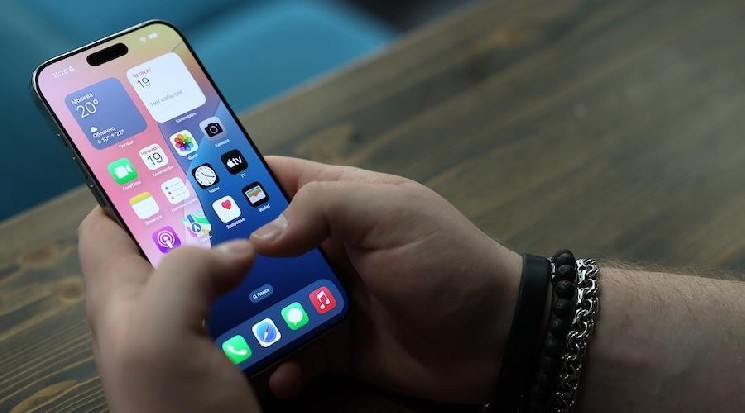
iPhone Owners Will Not Be Able to Use the Digital Ruble - Vedomosti

iPhone users in Russia will face obstacles in using the digital ruble, the country's central bank's new digital currency, according to a report by Vedomosti. The Bank of Russia's website states iOS device owners can only use the digital ruble with an updated banking app containing the necessary features. However, banks cannot upload these updated apps to the App Store by the September 1st deadline. The main hurdles are sanctions and technical requirements. Apple blocks apps from sanctioned Russian banks. Furthermore, the Bank of Russia mandates that apps use Russian cryptographic standards, connect to specific central bank domains and APIs. Apple identifies these technical elements as markers of affiliation with the Russian state financial infrastructure, leading to app rejection. Certified solutions already exist for Android. Apple's review process scrutinizes not just code but also the build's origin—including developer accounts, cryptographic keys, and network requests—which can lead to blocks for apps or entire developer accounts. While "guerrilla apps" or clones sometimes appear, they are typically removed from the App Store within days or hours. For iPhone users, some banks offer web-based access to digital ruble functions as an alternative. However, major banks like VTB, RSHB, and "Russia" told Vedomosti the digital ruble is only available in their Android apps. Starting September 1st, 12 systemically important Russian banks, including Sberbank, VTB, and Alfa-Bank, are required to provide access to the digital ruble, which must be integrated as a wallet within their own banking applications, not a separate app. Also from September, all major Russian companies are mandated to begin accepting digital ruble payments, with telecom operators and marketplaces announcing the service's launch.

cryptonews.ru17 dk önce

iPhone Owners Will Not Be Able to Use the Digital Ruble - Vedomosti

cryptonews.ru17 dk önce

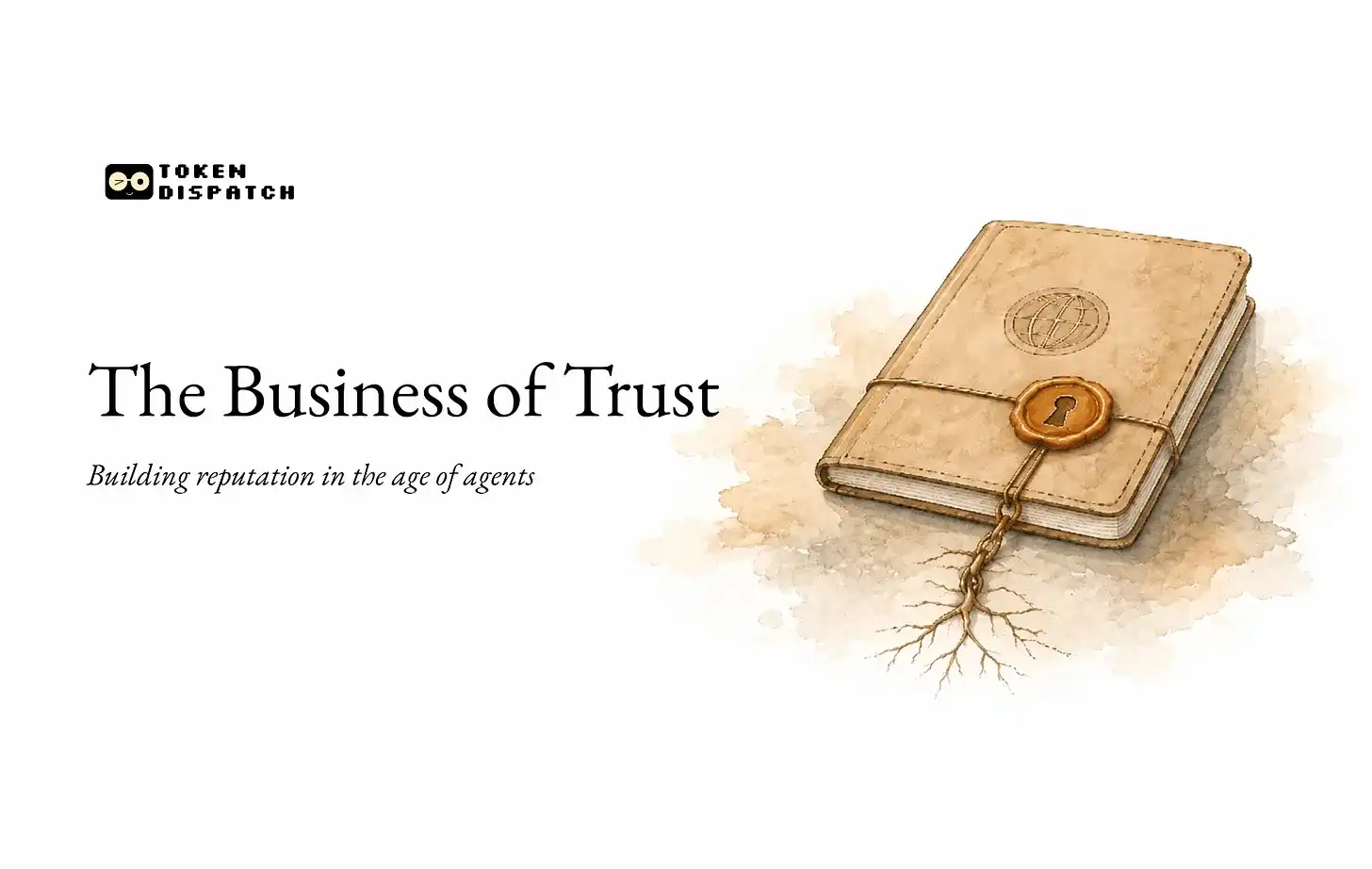
In the Era of AI Transactions, How Do We Build a Trust System?

Title: In the AI Trading Era, How Do We Build a Trust System? Over a decade ago, the first online credit card purchase sparked a simple question: who do you trust? The answer was intermediary platforms that built trust between strangers. Each new era of commerce expands transactional boundaries between strangers and requires new intermediaries to foster trust, from ancient credit systems to modern e-commerce ratings. Now, the machine age is here. With AI agents autonomously executing transactions—from booking trips to managing payments—at speeds and scales beyond human oversight, a critical question arises: who is liable when a non-human entity acts outside the rules? These agents are anonymous, mutable code, making traditional trust models based on human or corporate accountability obsolete. The core challenge is establishing verifiable, non-transferable identity and reputation for AI agents. Current solutions like the ERC-8004 standard provide a public, permanent identity record but suffer from a flaw: the identity is a tradable NFT, allowing reputation to be bought, sold, and potentially weaponized by bad actors. A new "trust stack" is emerging to fill this gap, moving beyond simple scoring to bind reputation inseparably to the agent. Key approaches include: * **Skyfire:** Issues signed identity tokens cryptographically linking the agent, its development platform, and its human sponsor, ensuring traceable accountability and integrating payment. * **RNWY:** Uses non-transferable "Soulbound Tokens" (ERC-5192) to permanently bind reputation to an agent's wallet. Abandoning a tarnished reputation requires discarding the entire wallet and its history, creating a high cost for misconduct. * **ChainAware:** Foregoes issuing credentials, instead generating credit scores based on a wallet's on-chain behavior history to preemptively assess risk, similar to bank fraud detection. The lesson is that no single solution suffices. A robust trust infrastructure requires a layered stack: a base layer for sponsor accountability, a middle layer ensuring non-transferable identity/reputation, and a top layer for behavior-based scoring. As in past cycles, the intermediaries that solve the trust problem for this new era of AI-driven commerce will capture significant value. The ultimate trajectory of the agent economy depends on the trust systems we build now.

marsbit22 dk önce

In the Era of AI Transactions, How Do We Build a Trust System?

marsbit22 dk önce

İşlemler

Spot
活动图片