比特币重回7万美元关口之际,卖家似乎越来越少

jin102024-03-26 tarihinde yayınlandı2024-03-26 tarihinde güncellendi

尽管比特币的价格于周一升至7万美元以上,但比特币区块链上的实际交易活动仍在“蹒跚前行”,而不是全速前进。

一家研究公司表示,这种差异在一定程度上反映了市场上强烈的持有情绪

Blockware Solutions的分析师表示,“平均链上交易量(以美元计价)远低于2021年牛市的峰值,这可能暗示着——没人想卖。”

数据跟踪公司Glassnode将交易量定义为链上转移的比特币总额的美元价值,该指标只考虑成功的传输。
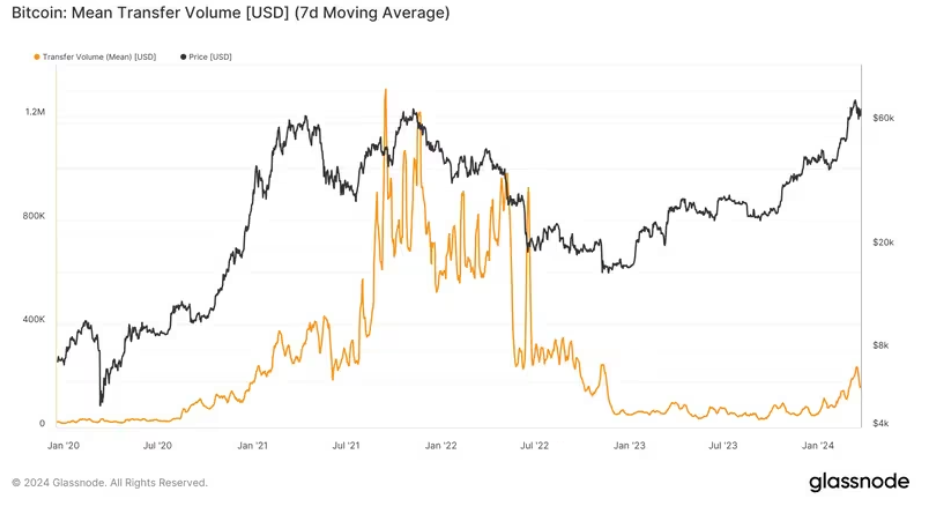
平均链上交易量远低于2021年牛市的峰值

Glassnode追踪的数据显示,截至周一,比特币7天和14天的平均交易量低于20万美元,与2021年牛市期间的100万美元及以上相去甚远

华尔街对在纳斯达克上市的现货比特币ETF的追捧,是比特币最近一轮上涨的主要原因。换句话说,现货交易量很可能集中在ETF,这也解释了链上交易量低的原因。

尽管如此,其他指标也表明,在2022年熊市中幸存下来的投资者正在继续持有他们的代币,并预计价格将继续上涨。

几位分析师预计,比特币的价格将在未来几个月涨至至六位数,最终达到远高于15万美元的峰值。

Blockware分析师表示,“一旦我们看到价格真正开始波动,那就是链上交易量激增的时候,旧的比特币将被转移到交易所出售,在那之前,较低链上交易量是供给侧流动性不足的一个迹象。

上周三,比特币价格一度跌至6.08万美元左右的低点。Galaxy Digital全公司研究主管Alex Thorn表示,这样的下跌“完全符合历史牛市短期调整的常态”。

周一大幅上涨的原因尚不清楚,但3月份加密货币的价格走势的特点是创新高,然后是健康的回调。Thorn暗示,投资者正在暂停出售现货比特币ETF。他说,“过去两周创纪录的GBTC资金流出,可能是由Genesis和Gemini破产清算造成的,导致现货ETF走软,但一些技术指标显示卖方已筋疲力尽。”

比特币服务公司Swan bitcoin的首席分析师Sam Callahan认为,比特币昨天的大涨可能与美联储上周发出的信息有关。他说:

“美联储官员上周明确表示,他们正在考虑今年降息和放慢量化紧缩计划的步伐。这些举措将改善流动性状况,对资产价格起到积极的催化剂作用。比特币作为流动性状况的晴雨表,对美联储有关货币政策可能在不久的将来放松的信息做出了积极回应。”


İlgili Okumalar

Report Interpretation: J.P. Morgan Details Micron's Pre-Earnings Sentiment, Current Hardware Sector Dynamics

Morgan Stanley analyst Joshua Meyers' report (June 21, 2026) highlights key trends in the hardware and semiconductor sector ahead of Micron's earnings. The core takeaways are: 1. **Micron & Memory:** Memory remains a high-conviction long theme, driven by strong AI demand and rising ASPs. However, investor focus is shifting to the sustainability of Micron's >80% gross margins and the specifics of potential new long-term supply agreements (SCAs). 2. **Hardware Supply Chain:** AI-related demand for servers, networking, and storage remains robust, but company performance is diverging. Celestica (CLS) shows improved margin confidence, Western Digital and Seagate benefit from pricing, Fabrinet (FN) sees predictable AI optics growth, and Teradyne (TER) anticipates a new Google customer. 3. **AI Capex & WFE Forecasts:** JPMorgan increased its Wafer Fab Equipment (WFE) market growth forecasts to 28% in 2026 and 29% in 2027. AI infrastructure financing is evolving, with higher project-level debt reducing constraints on capex expansion. The report signals that while the AI-driven hardware cycle is strong, the market is entering a phase focused on execution verification (e.g., Micron's SCA details, Fabrinet's ramp with Amazon) and valuation sustainability. Key near-term signals include Micron's guidance, Arista Networks' outlook, and the pace of demand normalization post potential tariff-related pull-ins.

marsbit9 saat önce

Report Interpretation: J.P. Morgan Details Micron's Pre-Earnings Sentiment, Current Hardware Sector Dynamics

marsbit9 saat önce

Research Report Analysis: The Fed's New Chair's Debut – New Leader, But Same Script?

Report Analysis: Federal Reserve's New Chair Debut – A New Captain, But the Same Script? Morgan Stanley's chief global economist Seth B. Carpenter analyzes the first FOMC meeting under new Fed Chair Kevin Warsh in a June 21 report. Warsh deliberately avoided providing forward guidance on interest rates, aligning with his philosophy. However, market expectations for a rate hike this year were reinforced. Key signals lie elsewhere: inflation may fall more than expected, and quantitative tightening (QT) could be more aggressive than anticipated. The FOMC's "dot plot" suggests only one rate hike in 2026. Carpenter argues that if inflation undershoots forecasts, the logic for even a single hike weakens, especially as projections indicate potential rate cuts in 2027. On QT, Warsh's stance is clear. Carpenter notes that measures like halving the Treasury's account balance could shrink the Fed's balance sheet by around $500 billion with minimal market impact. Combined with adjustments to reserve interest and liquidity rules, the ultimate QT scale may exceed expectations, though its market effect might be less disruptive unless the Fed actively sells Mortgage-Backed Securities (MBS). While Warsh initiated a review of the Fed's policy framework, the 2% inflation target remains intact for now. The report concludes that the market may be overestimating the significance of reduced forward guidance and the near-term rate hike risk, while potentially underestimating the scope and manageable nature of the coming balance sheet reduction. The key debates will hinge on upcoming core PCE data, the specifics of the QT path, and the framework review's findings.

marsbit9 saat önce

Research Report Analysis: The Fed's New Chair's Debut – New Leader, But Same Script?

marsbit9 saat önce

İşlemler

Spot
Futures
活动图片