FDV「超标」的 WLD一直涨,FDV还有参考价值吗?

Odaily星球日报2024-02-23 tarihinde yayınlandı2024-02-23 tarihinde güncellendi

Özet

不关注FDV,关注什么?

原文作者:Kaori,BlockBeats

原文编辑:Jack,BlockBeats

WLD 在一周的时间从 2 美元最高涨至 9 美元,AI 板块内外都沸腾了起来,但加密市场却因 WLD 的 FDV 出现分歧。

FDV(Fully Diluted Valuation)是指一个代币的完全稀释价值,与当前币价乘以当前代币流通量得到的市值(Market Cap)相对应,FDV 是当前币价乘以代币供应总量得到的一个指标。

这对 Degen 来说是一个很熟悉的名词,但如果你刚刚听说也别着急,本篇文章就将以 WLD 为例向你解释 FDV 的意义,新周期我们是否还应该以 FDV 作为炒币的参考指标,以及 FDV 反映了哪些理解市场的新角度。

WLD 的 FDV 有参考价值吗?

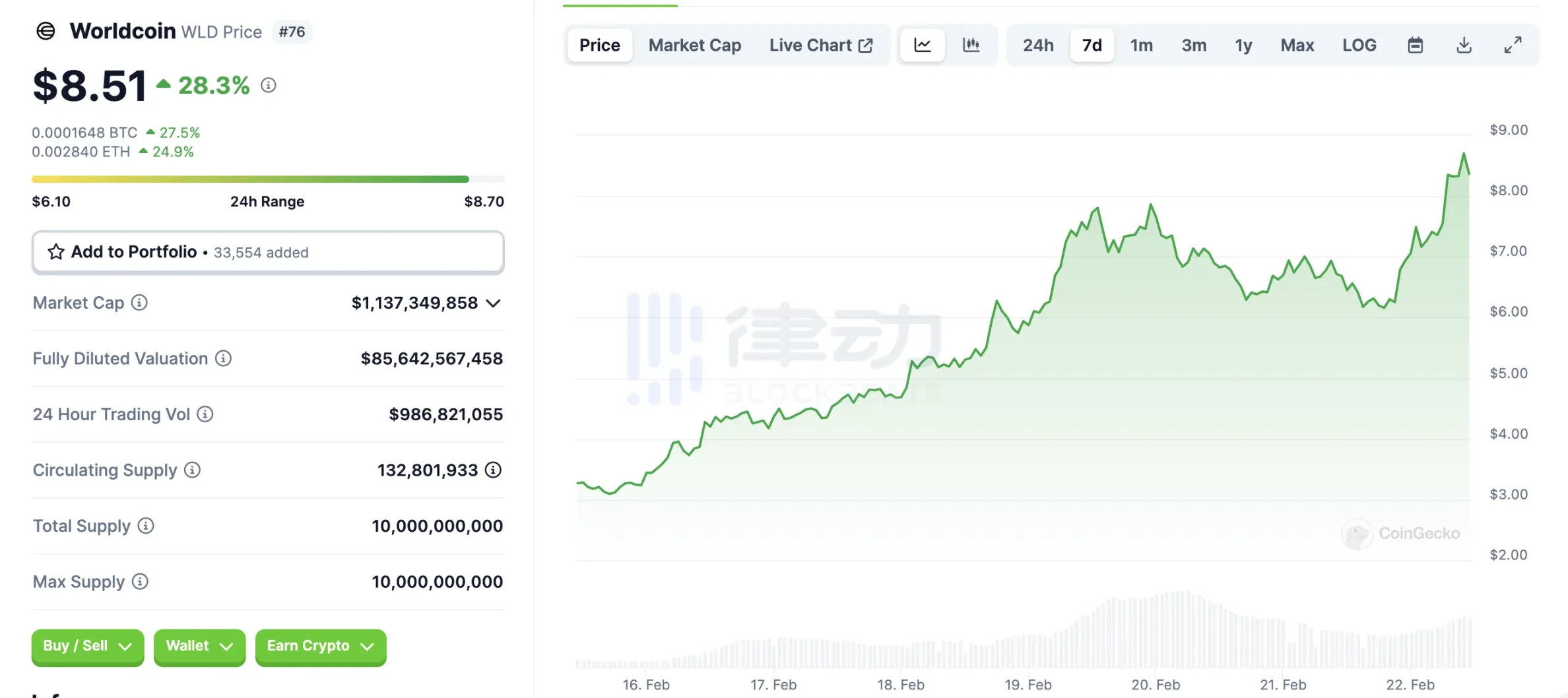
WLD 当前流通供应量约为 1.3 亿,撰稿时市值为 11 亿美元,排名第 76 位;而其供应总量为 100 亿枚,FDV 达到 856 亿美元,已经超越 SOL、BNB 等一梯队公链,甚至是 AI 概念的世界龙头 OpenAI 的市值。
FDV「超标」的 WLD一直涨,FDV还有参考价值吗?

市场分歧也就出现在这里,有人认为 WLD 的 FDV 已经高到离谱,这个价格完全无法维持,仅仅只是蹭 AI 热度的泡沫;而另一部分人则认为 WLD 的流通量低到离谱,还得看做市商愿意拉到哪,FDV 只是一个唬人的幌子。

Worldcoin 白皮书显示 WLD 启动时的最大流通供应量为 1.43 亿枚,其中 1 亿枚 WLD 贷款给在美国境外的做市商, 4300 万枚 WLD 将分配给在测试启动阶段通过 Orb 验证的使用者。而自 World App 正式上线以来,单一用户总共可领取 77 枚 WLD 津贴。但在法国、香港等地,WorldCoin 面临很大的监管压力,线下扫描虹膜的设备和站点都遭到了一定的限制,用户手中的代币很大一部分无法提现。

另一方面, 5 家 WLD 做市商已于去年 10 月底归还 2500 万枚 WLD,剩余 7500 万枚 WLD 在 12 月 15 日返还给了 Worldcoin 项目方。随后,Worldcoin 称与这 5 家做市商敲定了新的贷款协议,于 2023 年 12 月 16 日生效,这一次贷款总额为 1000 万枚 WLD,期限为 6 个月。

因此,当前市场上的 WLD 流通代币只包括两部分,一是通过 APP 领取每日津贴并且已经提现的用户手里那部分代币,二是做市商手里的那 1000 万,这部分流通量相对于 WLD 的总供应量来说只占比仅有 1.33% 。此外,WLD 的解锁期在 150 天后,因此,短期来说 WLD 的 FDV 不具有参考性,而超过 OpenAI 市值的讲法更像是一个 AI meme。

不关注 FDV,关注什么?

什么人炒币要看 FDV?

对于需要长期持仓某个币种的人来说,比如机构或者稳健型投资者,他们需要通过 FDV 进行投后管理或者仓位管理。这个时候 FDV 结合市值就是一个监测代币前景的有效指标,可以让投资者更好地判断一个项目的价值是否极度偏离标准。但对于普通散户投资者,在短期交易时主要考虑的应该是代币的供需关系以及叙事和情绪。而如果关注 FDV 还需要结合代币的发行时间表。

FDV 变得不那么重要,其实背后也反映了加密行业的一些变化,而正是这些变化需要我们关注 FDV 以外的东西。

供需关系

首先是整个加密行业的人在变多,以前只有 ICO 和散户,但现在买家越来越多,利益相关方也在增多。一个大项目要几轮融资卖币、空投一大笔、做市商、CEX 等许多方面都在影响代币的供需关系。在这样的行业发展背景下,代币总供应量所反映的 FDV 在一定时期内就不具备参考价值。

需求增多,因此代币总量越来越大,线性解锁时间周期越来越长,往好处想项目希望新人进来还能买自己的币,是某种长期主义的体现。而如果要想降低 FDV 对代币价格的影响,项目方还需要在解锁时机、以及创造需求方面继续深耕。
FDV「超标」的 WLD一直涨,FDV还有参考价值吗?

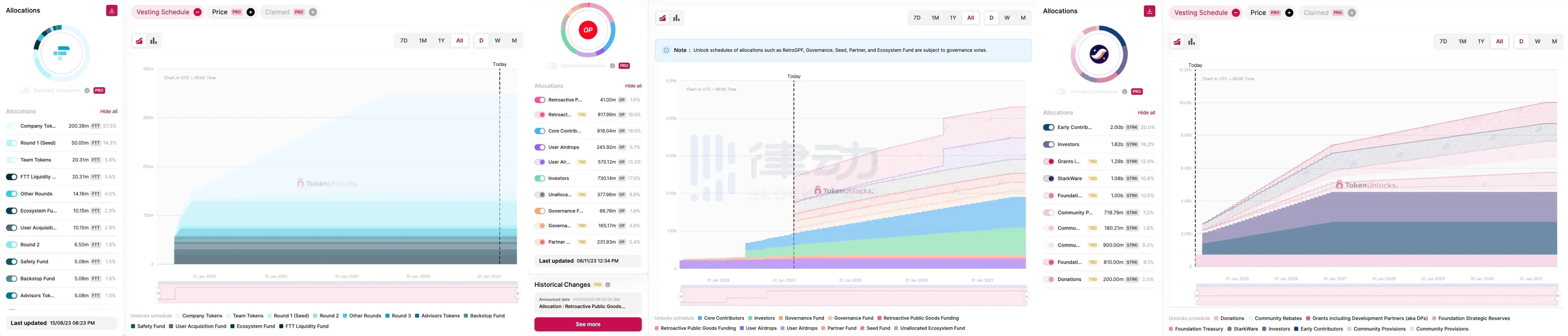
左:FTT 解锁时间线;中:OP 解锁时间线;右:STRK 解锁时间线(未更新最新版本)

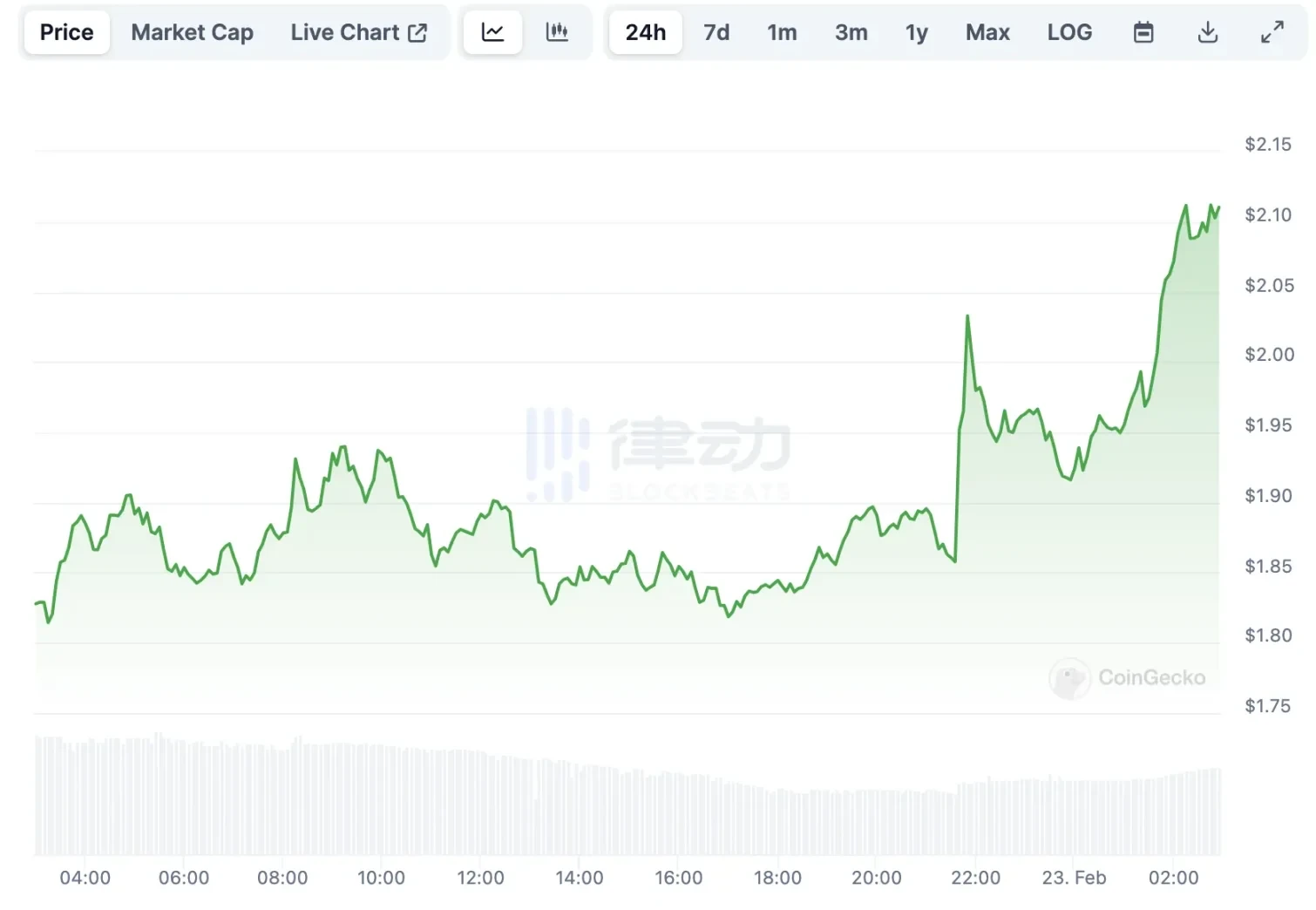
解锁时间线对币价的影响可以拿最近刚完成空投的天王项目 Starknet 来说,StarkWare 宣布调整其早期贡献者和投资者的 STRK 代币解锁计划,从一次性在 4 月 15 日释放 13 亿代币到只解锁 6400 万代币然后线性释放这种更渐进的方式进行。这个消息公布后,STRK 价格突破 2 美元,较之前上涨了 14% 。此时的 STRK FDV 仍然很大,但市场反应明显消化了这个利好。
FDV「超标」的 WLD一直涨,FDV还有参考价值吗?

STRK 24 小时价格走势图

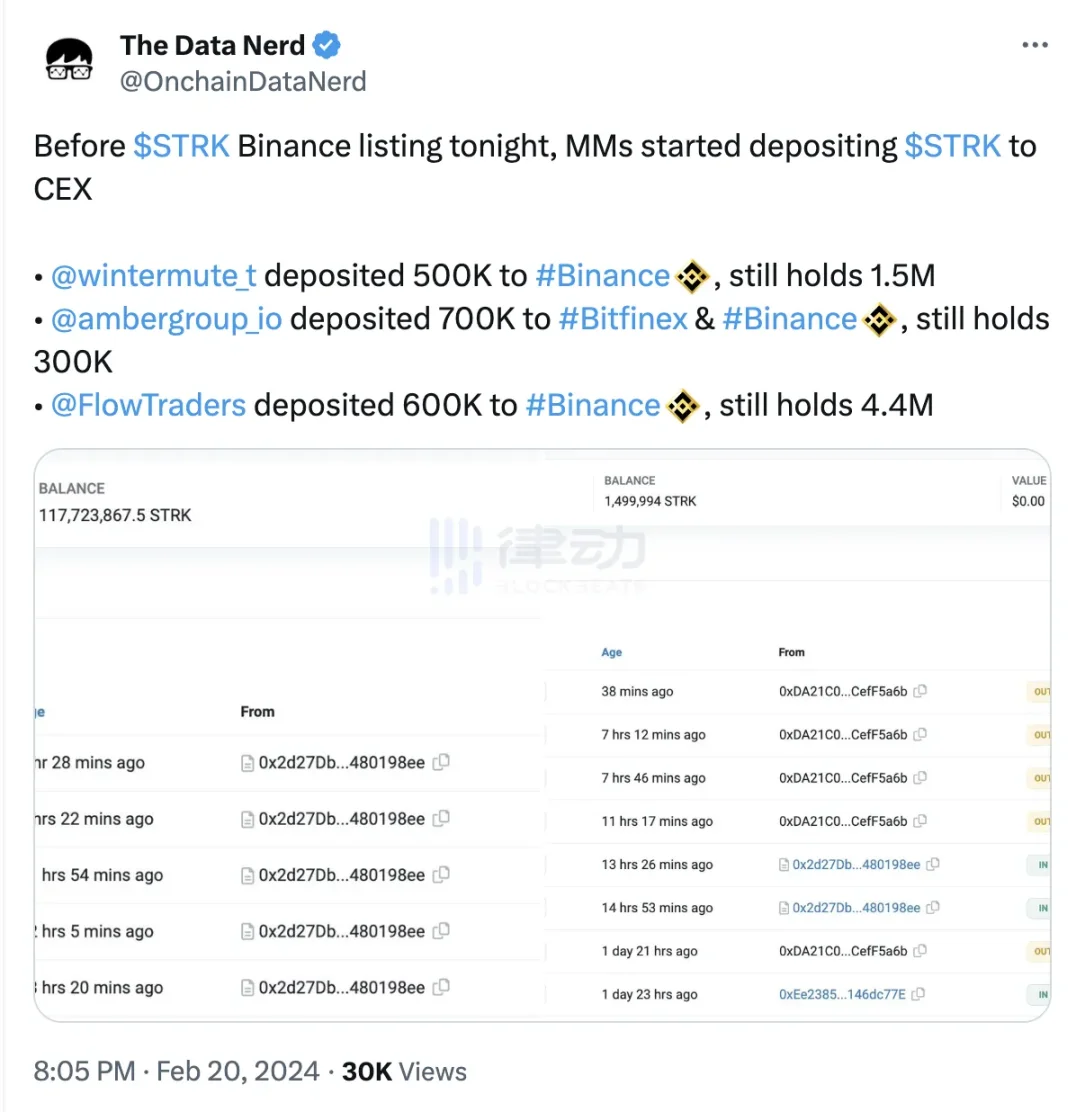
STRK 上线则可以一窥供需对一个大项目代币短时的价格影响。Starknet 上线 Binance 为什么会冲到 7 刀变成单机币?因为彼时链上空投领取被卡,大户无法砸盘,而几大做市商往 CEX 里充币,导致短期需求相对较高,供小于求。至于长期的供需关系,则需要项目方平衡好各方利益关系,但 FDV 已经不是这种解锁时间较长的大项目所考虑的必须因素了。
FDV「超标」的 WLD一直涨,FDV还有参考价值吗?

再拿 WLD 举例,前文我们粗略计算得知目前市场上的流通供应量仅占总量的 1.3% ,而其中做市商拿着 1% ,从拉盘角度来说,WLD 此时的 FDV 毫无参考价值。因为决定 WLD 释放的 Orb 很少,真正能从 APP 提币出来的人很少。

短期操作,情绪为王

除了供需关系,WLD 的上涨逻辑还需要考虑叙事的力量。一周前,OpenAI 推出文生视频大模型 Sora,WorldCoin 作为从一上线就被冠以 Sam Altman 的加密项目也受益于这波 AI 板块情绪热潮。而昨日在小幅下跌之后得益于英伟达财报营收上涨,WLD 的价格仍然维持在 8 美元区间。

Arthur Hayes 曾说「我宁愿投资感知成功概率为 0.01% 、叙事处于病毒式增长阶段的代币,也不愿投资感知成功概率为 50% 、但叙事已达到常识阶段的代币。如果成功的概率从 0.01% 上升到 1% ,因为这个叙事很快感染了很多人,我的钱就会增加 100 倍。」

强庄控盘遇上 AI 届热火朝天,WLD 的这波拉涨的逻辑其实很好理解。相反,如今拿 FDV 说事的人倒让人想起那句有些幽默的「FUD 的时候就说 FDV,喊单的时候就说 MC」。

真金白银

行情好是因为流动性充足,BTC 的 2 月行情可以通过 ETF 的资金流入流出进行验证。2 月 14 日,CoinShares 研究主管 James Butterfill 称自比特币现货 ETF 推出以来,净流入总额已超 40 亿美元。一周后,比特币现货 ETF 累计净流入超 50 亿美元,达 50.52 亿美元。

而昨日,据 BitMEX Research 数据, 2 月 21 日所有美国现货比特币 ETF 净流出 3570 万美元,系 1 月 25 日以来(累计 17 个交易日)首次净流出。

而由于再质押的火热,很大一部分 ETH 都被投入到这个赛道上的热门项目里。从 Blast 的锁仓质押开始再到 Pendle 拉盘带动 LRT 的上涨,EigenLayer 等头部项目的持续吸引,ETH 的流通量在这个时间段减少,也体现在了价格层面。

我们无法准确预测代币市场的价格表现,但可以关注钱,这比看市值除以 FDV 的比率要更及时反馈市场情况。

FDV 还有价值吗?

这个市场越来越专业,价格发现能力变得更强,那 FDV 到底有没有价值呢?至少在一些大型龙头项目上,我们仍然能看到 FDV 对定价的影响。

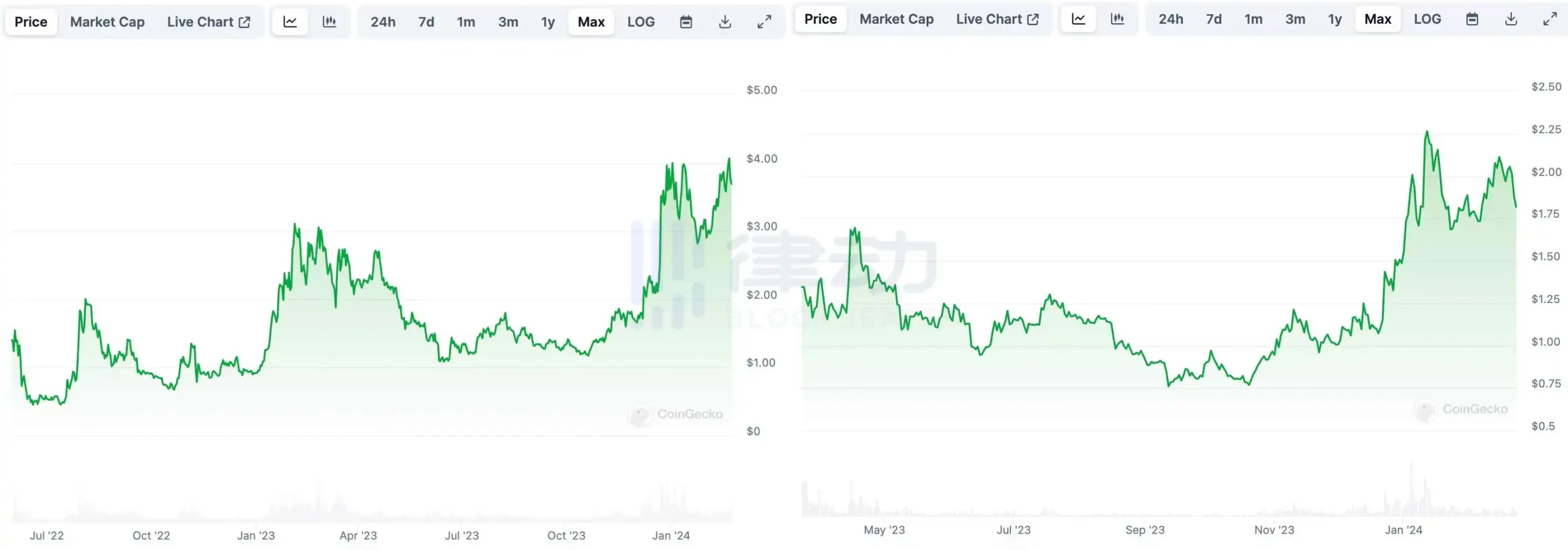
比如 Layer 2 两大龙头 OP Mainnet 和 Arbitrum,OP 的价格基本上保持在 ARB 的两倍,这两者之间的价格差异是因为曾经 OP 的 FDV 是是 ARB 的一半,尽管流通量上 OP 只比 ARB 少 3 亿枚左右。
FDV「超标」的 WLD一直涨,FDV还有参考价值吗?

左图为 OP 价格走势、右图为 ARB

OP Stack 的广泛采用为 OP 的需求量奠定了一定基础,但随着 Arbitrum Orbit 持续发力完善其技术堆栈和去中心化治理,这场关于 Layer 2 的马拉松竞赛远未结束。随着竞争加剧,如果未来对 ARB 的交易需求超过 OP,就算 ARB 的 FDV 仍然高过 OP,但反映在价格上 ARB 也会超过 OP。

由此可见,市场逻辑与标准也是在变化的,ARB 与 OP 的实质差距,可以看作 FDV 理论胜败的风向标。如果未来 ARB 市值逐渐超过 OP,则坚持 FDV 至上论的投资者可能就要重新思考市场逻辑了。但不管怎么说,在加密市场上关注某个单一指标是无法前进的。

İlgili Okumalar

Trends in US Stocks (June 22): Strait of Hormuz Agreement Changes Course, Thursday's PCE and Micron to Determine Chip Sector Direction

U.S. Stock Market Outlook (June 22): Strait of Hormuz Deal Falters, Thursday's PCE & Micron to Set Chip Sector Direction. Geopolitical tensions resurged over the weekend as Iran's IRGC announced the closure of the Strait of Hormuz, and its negotiation team walked out after threats from Trump, pausing U.S.-Iran talks. This renewed risk premium is weighing on U.S. equity futures ahead of the open. Last week's market was driven by chip stocks, with the Philly Semiconductor Index hitting a record high. While the Fed's hawkish tone was overshadowed by initial deal optimism, the S&P 500 gained 0.9% for the week. SpaceX debuted strongly but ended with two down days. Key events this week: The status of U.S.-Iran negotiations remains the immediate variable for oil and energy stocks. Monday sees Marvell and Flex added to the S&P 500. Tuesday's MSCI reclassification could benefit South Korean semiconductors and memory stocks. **Thursday, June 25th, is the critical day**, featuring the May Core PCE report and Micron's earnings. Hotter PCE data could solidify expectations for two 2024 rate hikes, while softer data would rapidly reprice rate cut bets. Micron's report is a key test for the AI narrative; the market will scrutinize its 2027 HBM supply visibility, HBM4 progress, and its position in Nvidia's Vera Rubin supply chain. Nvidia's AGM and a potential OpenAI GPT-5.6 release will make Thursday a pivotal 24 hours for AI. Friday concludes with the Russell reconstitution, elevating small-cap volatility. In summary, last week's gains face a true test. The path hinges on two concurrent threads: geopolitical developments with Iran and the AI narrative defined by Micron's guidance and Nvidia's updates. The chip sector's record highs are vulnerable if Thursday brings hot PCE data and conservative guidance from Micron. Conversely, positive outcomes could reaffirm the AI bull case, making this week's volatility a potential entry window.

marsbit10 dk önce

Trends in US Stocks (June 22): Strait of Hormuz Agreement Changes Course, Thursday's PCE and Micron to Determine Chip Sector Direction

marsbit10 dk önce

OpenAI's "Most Open" Move: Codex No Longer Exclusively Favors GPT

OpenAI has significantly opened up its Codex programming agent by introducing a "model provider" configuration layer that allows users to connect it with various open-source models, not just its proprietary GPT. Through a configuration file or a simple `--oss` command-line flag, Codex can now route requests to local services like Ollama or LM Studio, or to third-party APIs such as Mistral or DeepSeek. This move is seen as one of OpenAI's most "open" steps, potentially lowering costs and enhancing privacy for developers who can run code generation offline. However, integration isn't seamless for all models. Codex primarily uses OpenAI's newer Responses API, while many open-source models rely on the older Chat Completions interface. This creates compatibility issues, especially for advanced features like function calling. The developer community is already building "routing" or adapter layers (e.g., CC Switch, LiteLLM) to translate between these protocols, enabling hybrid setups where GPT handles planning and open-source models handle execution. Analysts interpret this as a strategic shift for OpenAI: from competing solely on model superiority to controlling the platform and interface standards. By making Codex a flexible, pluggable entry point for AI-assisted programming, OpenAI aims to become the central hub in the developer toolchain ecosystem, even as users gain the freedom to switch underlying models.

marsbit1 saat önce

OpenAI's "Most Open" Move: Codex No Longer Exclusively Favors GPT

marsbit1 saat önce

When 500 Million People Abandon ChatGPT

ChatGPT's Global AI Assistant Market Share Drops Below 50% Three and a half years after its groundbreaking launch, ChatGPT faces a pivotal moment. While it remains the largest AI assistant globally, its market share has fallen below 50% for the first time, reaching 46.4% as of May, according to Sensor Tower's 2026 AI landscape report. Google's Gemini (27.7%) and Anthropic's Claude (10.3%) are now its main competitors, with Grok, Perplexity, and others also gaining ground. The market has evolved from awe and initial adoption into a phase of product comparison, ecosystem integration, and commercialization. User behavior has matured significantly. Loyalty is low; users readily switch between assistants for specific tasks. Gemini benefits from deep integration within Google's ecosystem (Search, Gmail, Android), while Claude has carved a niche among productivity-focused users with strong retention, nearly matching ChatGPT's. User choice is now influenced by a complex mix of capability, ecosystem, price, use case, and even brand trust. Commercialization is accelerating. AI app downloads continue but growth is slowing, while user spending is rising. Over $4.2 billion was spent in-app during H1 2026. Claude leads in premium subscription conversion rates (13%). OpenAI is expanding its revenue streams, testing ads shown to 17% of ChatGPT users daily by May. This shift highlights the immense financial pressure of model training and inference costs. Despite revenue growth, OpenAI's cash burn is intense, reaching $3.7 billion in Q1 2026. The company projects this could rise to $25-57 billion in the coming years, underscoring the industry-wide challenge of scaling profitably. The symbolism is clear: ChatGPT no longer defines the AI assistant market alone. The era of a single dominant product is over. Gemini, Claude, and specialized tools are collectively shaping user habits and business models. As AI assistants move from novelty to utility—judged on accuracy, efficiency, and value—they are becoming embedded in everyday digital life. ChatGPT may have lost its majority, but AI as a whole is winning, entering a mature, competitive, and diverse new phase.

marsbit1 saat önce

When 500 Million People Abandon ChatGPT

marsbit1 saat önce

İşlemler

Spot
Futures
活动图片