概览Rollup市场现状:正统性、主权性、模块化和Restaking争雄

Odaily星球日报2024-01-29 tarihinde yayınlandı2024-01-29 tarihinde güncellendi

Özet

进入 2024 年,Rollup 开始分化出 4 种类型。

原文作者:NingNing(X:@0xNing0x

23 年的可扩展性竞争市场的主题之一,是 Rollup 吞噬 Alt L1 的 TVL、用户和生态 Dapp。Arbitrum、Optimism、Zksync、Starknet 等作为守护以太坊生态的圣殿骑士团,对以太坊生态功莫大焉。

但当 Arbitrum 尝试构建 L1-L2-L3 的 Rollup 可扩展路线的中心辐射结构,以稳固其 Rollup 龙头地位和既得利益时,事情开始变得不对味儿。

好在 Optimism 和 Zksync 都没有跟进 Arbitrum 的野蛮行动,而是选择 Stacks 并行结构,并自降为 Stack 结构的第一个实例。

而且,即使不是以太坊的侧链的以太坊侧链 Polygon,也没有选择 Arbitrum 的路线,而是选择跟进 Optimism 和 Zksync 的路线,推出类 Stacks 并行结构 Polygon CDK。只不过 Polygon CDK 的结算层,是 Polygon PoS 主网,而非以太坊主网。

但采用 Stacks SDK 部署的 Rollup,大部分需要与其共享数据可用性和结算层,并没有实现真正的并行和主权性。

这与以太坊 DankSharding 分片愿景中 1024 个分片 + 1 分片对 n 个 Rollup 的去中心化可扩展性架构相比,仍然相去甚远。

进入 24 年,在模块化、Restaking 等新原语的刺激下,Rollup 开始分化出 4 种类型:正统性 Rollup、主权性 Rollup、模块化 Rollup、Restaking Rollup:

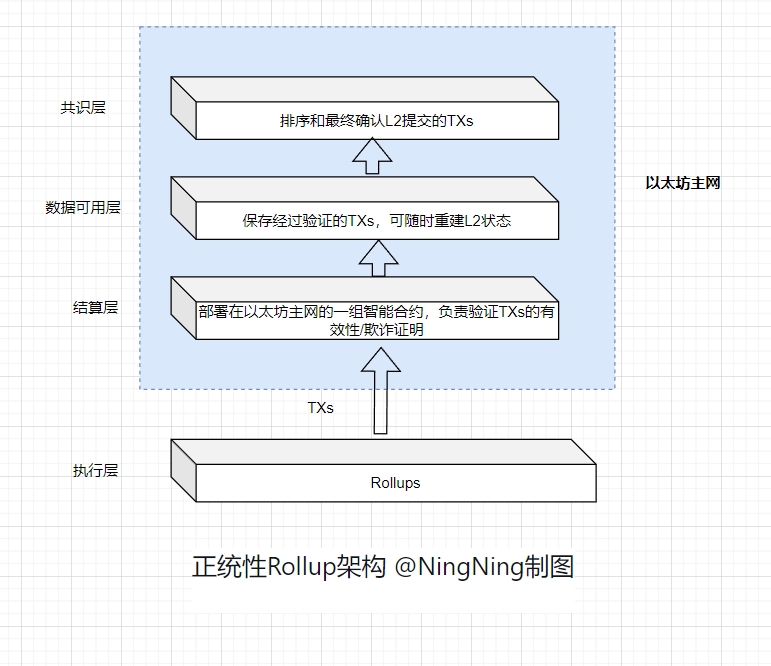
正统性 Rollup

正统性 Rollup 主动追求作为以太坊执行层的外包商之一,追求 EVM 等效性甚至以太坊等效性,Optimism、Linea、Scroll 属于此类。Arbitrum 架构与它们相同,但在追求以太坊等效性没有上面三家激进,而更以开发者为中心。
概览Rollup市场现状:正统性、主权性、模块化和Restaking争雄

主权性 Rollup

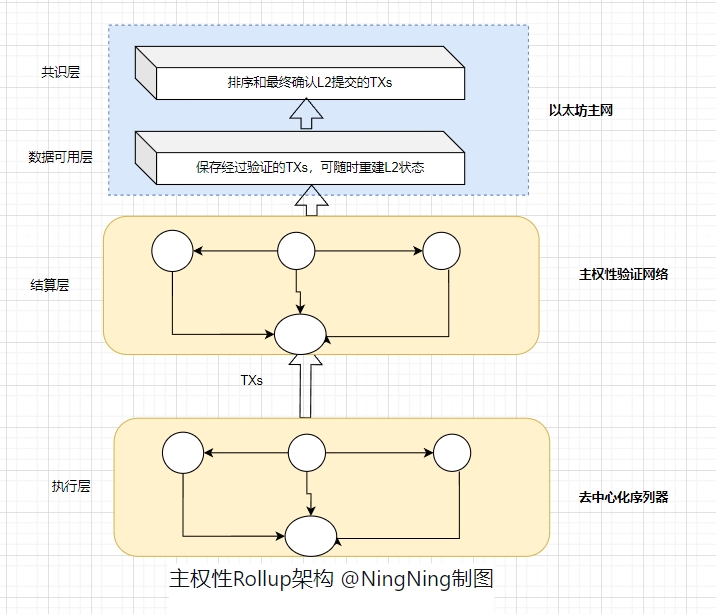
主权性 Rollup 以 Vitalik 他妈的 Metis、Vitalik 和 Eli 联合发起的 Starknet 为代表。

他们共同的架构特征,是具有去中心化序列器网络和主权性验证网络(结算层)

因为 Metis 采用 Op Rollup 机制而 Starknet 采用 Zk Rollup 机制,它们的主权性验证网络架构虽然都采用了 PBS(区块提交者和区块构建者分离)的设计思想,但有所不同:Starknet 的主权性验证网络架构增加了一些节点角色,如负责生成 ZKP(零知识证明)的 Prover(证明者)

而且由于 ZKP 有效性验证提交到以太坊主网的成本,低于欺诈证明,所以 Starknet 仍然将以太坊作为共识层和数据可用层。

而 Metis 则干脆做到底,只将以太坊主网作为 memo 储存器或者说公告板。它与以太坊主网的关系,类似目前多数比特币 L2 与比特币主网的关系,可谓主权性拉满。
概览Rollup市场现状:正统性、主权性、模块化和Restaking争雄

模块化 Rollup

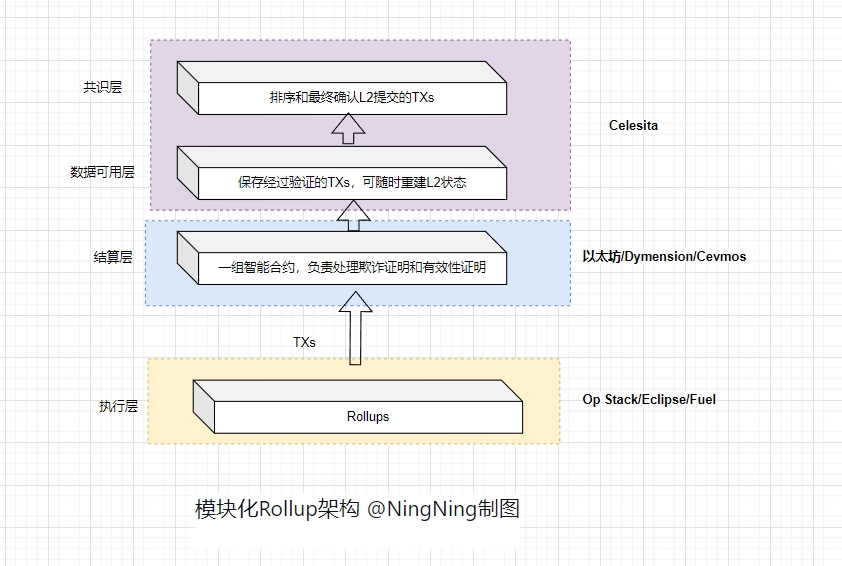
模块化 Rollup 目前分为两种子类型:Manta 等通用性 Rollup 和 Aevo、Lyra 等 Dapp Rollup。

模块化 Rollup 目前的状态,让人感觉只是将 DA 层从以太坊换成 Celesita、Avail 等模块化区块链 DA。

但这样的想法,忽略了模块化 Rollup 的深层意义,即模块化 Rollup 是对目前主流的 Rollup 中心辐射结构的革新和挑战。

模块化 Rollup 赋予 Dapp 开发者从以太坊和通用性 L2 的掌控中逃逸的能力,能够缓解目前面向以太坊基金会、面向 VC 构建 Rollup 的怪象,而重回以用户为中心的产品范式。
概览Rollup市场现状:正统性、主权性、模块化和Restaking争雄

Restaking Rollup

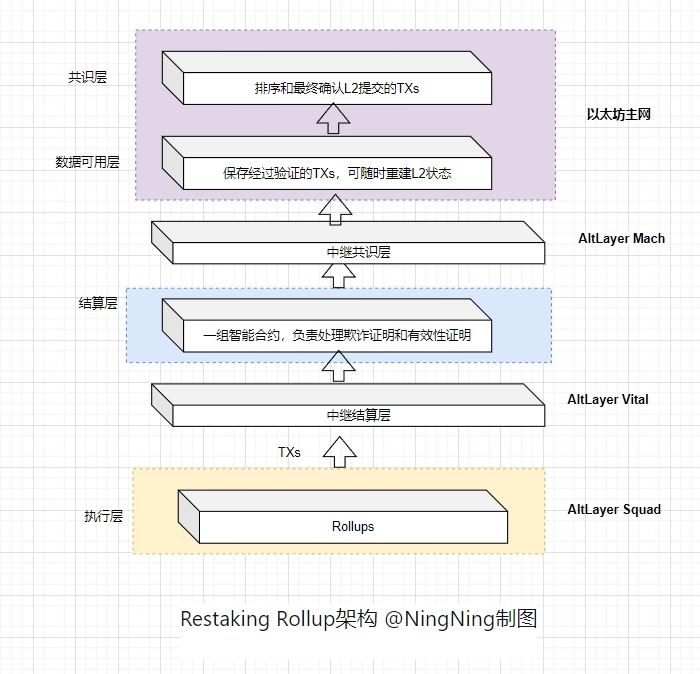
Restaking Rollup 是 Raas 服务商 AltLayer 与 EigenLayer 联合推出的新原语。

与主权 Rollup 中的 Metis 相比,它的验证网络和共识网络从 EigenLayer AVS 节点网络中引导,经济安全性来源于 Restaking 的 ETH 和 LST,安全性高于由 L2 原生协议代币保障。

Restaking Rollup,在结算层之前插入了一个名为 AltLayer Vital 的中继层,在共识层和数据可用层之前插入了一个名为 Altlayer Mach 的中继层,由它们分别承载结算层、共识层和数据可用层的部分功能。

这样的架构可以提升 Rollup 的安全性、最终确认性和降低数据可用性验证成本。
概览Rollup市场现状:正统性、主权性、模块化和Restaking争雄

Restaking Rollup 还大幅降低了部署 Rollup 的门槛和成本,目前 Altlayer 支持零代码 5 分钟部署 1 条 Rollup。

以上 4 种类型中正统性 Rollup 和主权性 Rollup 以通用性 Rollup 为主,占据市场大部分份额。但它们部署和运营成本非常重,不适合 Dapp 开发者使用。

而轻协议范式的模块化 Rollup 和 Restaking Rollup,在 24 年给了 Dapp 开发者新的选择。

原文链接

İlgili Okumalar

Stablecoins Finally Find Real Yield: An In-Depth Look at On-Chain Reinsurance Re | A Conversation with Re Founder Karan Saroya

Stablecoin Real Yield Found: A Deep Dive into On-Chain Reinsurance with Re's Karan Saroya As stablecoin supply exceeds $170 billion, the search for sustainable, non-speculative yield intensifies. Re, an on-chain reinsurance platform, provides an answer: connecting stablecoin capital to the trillion-dollar traditional reinsurance market. Re operates as a regulated reinsurer, accepting stablecoin deposits as collateral to back US insurance companies. These insurers pay premiums, generating yield that flows back to on-chain depositors. Currently supporting 35 insurers and underwriting $500 million, Re projects scaling to over $1 billion soon. Key insights from a Bankless podcast with founder Karan Saroya and investor Avichal of Electric Capital: 1. **Uncorrelated, Real-World Yield:** Re offers stablecoin holders access to reinsurance returns (targeting 12-14%+), an asset class entirely separate from crypto or equity markets. 2. **Operational Efficiency via Smart Contracts:** Re replaces traditional, labor-intensive capital fundraising with smart contracts, allowing a ~12-person team to compete with industry giants. 3. **Regulatory Leverage:** For every $1 of collateral, regulations allow backing $5-7 in written premiums. This leverage amplifies returns from the underlying risk-free rate. 4. **DeFi Integration:** Depositors receive receipt tokens, which can be used in protocols like Morpho for "looping," potentially pushing yields to 18-20%+. 5. **The "DeFi Mullet" Model:** A compliant front-end (regulated reinsurer) paired with a decentralized back-end (smart contracts, DeFi capital markets). 6. **RE Governance Token:** Modeled on Lloyd's of London, the token governs the central capital pool's allocation, counterparty acceptance, and parameters. 7. **Real Economic Impact:** Capital funds real-world productivity (factories, clinics, businesses) via insurance, moving beyond crypto's internal loops. The discussion highlights a pivotal moment: DeFi's supply-side infrastructure is now met by real demand for productive yield, potentially kickstarting a flywheel where vast on-chain stablecoin capital seeks these real-world returns.

链捕手37 dk önce

Stablecoins Finally Find Real Yield: An In-Depth Look at On-Chain Reinsurance Re | A Conversation with Re Founder Karan Saroya

链捕手37 dk önce

1996 or 1999? Walsh's First Test is 'How to View AI'

"1996 or 1999? Wall's First Big Test Is 'How to View AI'" Federal Reserve Chairman Wall's initial challenge is not whether to raise or cut rates, but a more fundamental judgment: what kind of boom is the current AI boom? This will determine the Fed's policy path and define his legacy. Economics is split between two opposing views, according to reporter Nick Timiraos. One sees imminent productivity gains that will increase supply and cool inflation, allowing the Fed to hold steady. The other argues that while productivity benefits are distant, demand shocks are here now, and waiting for data confirmation risks missing the intervention window, forcing sharper rate hikes later. Wall has signaled a leaning toward the first view, echoing 1996-era Alan Greenspan, who embraced strong, productivity-driven growth without fear of inflation. However, Wall faces a different macro environment than Greenspan did, with tariff pressures, expanding fiscal deficits, and diminishing globalization benefits, which could force more significant inflation pressures even if AI benefits materialize. Wall's logic, expressed before taking office, is that AI-driven productivity gains won't show in official data for years. If the Fed waits for confirmation, it might mistakenly tighten policy and choke off the very growth that could suppress inflation. This argues for using forward-looking narratives over lagging data. Chicago Fed President Austan Goolsbee presents a key counter-argument. He distinguishes between expected and unexpected productivity booms. A widely anticipated boom, like the current AI wave, can cause people to spend future wealth gains in advance, overheating the economy before productivity actually rises, thus requiring preemptive rate hikes. He cites rising costs for AI data centers as evidence of such overheating. Fed Governor Christopher Waller offers a rebuttal to Goolsbee, noting the "expected spending" mechanism only works if people can borrow against future income, which many households cannot do due to borrowing constraints. Wall also faces a paradox related to his desire to reduce the Fed's use of "forward guidance" (pre-announcing policy moves). This practice was established in 1999 when Greenspan began signaling hikes to avoid market shocks. If the economy follows a less optimistic path, Wall may be forced to choose between using the guidance he wants to abolish or risking market volatility by staying silent. The ultimate question defining Wall's first major test remains: Is this 1996 or 1999?

marsbit1 saat önce

1996 or 1999? Walsh's First Test is 'How to View AI'

marsbit1 saat önce

Ethereum Q1 2026 Report: Fees Decline, Users and Transaction Volume Hit New Highs

Ethereum Q1 2026 Report: Fees Down, Users & Transactions Hit New Highs Token Terminal's Q1 2026 report on Ethereum presents a pivotal development: the network achieved record highs in monthly active users (13.2M, +85.9% YoY), total transactions (200.4M, +81.5% YoY), and throughput (25.78 TPS), while transaction fees on the mainnet plummeted by 47.9% quarter-over-quarter. This shift is attributed to the network's strategic move into a "low fees for scale" phase, exemplified by the Fusaka upgrade which increased data capacity and lowered block space costs, releasing pent-up demand (a manifestation of Jevons's Paradox). The report highlights a core narrative shift for Ethereum: from a DeFi-centric blockchain to a global financial settlement layer. It maintains a dominant position in tokenized assets, holding majority market shares among top chains in stablecoins (61.8%), tokenized funds (73.0%), and tokenized commodities (84.0%). Growth in tokenized funds (+73.1% YoY) and commodities (+325.9% YoY) was particularly strong, driven by institutions like BlackRock and JPMorgan entering the space. Contrasting these usage gains, several USD-denominated value metrics declined in Q1: fully diluted market cap fell 30.3% QoQ, total value locked (TVL) dropped 11.0%, and ecosystem transaction volume decreased 24.0%. The report interprets this as Ethereum prioritizing long-term network expansion and cementing its role as the default settlement layer for finance over short-term fee capture. The commentary from Etherealize argues that, much like the early internet, Ethereum's open, permissionless model is poised to win over closed alternatives as institutional tokenization accelerates.

marsbit3 saat önce

Ethereum Q1 2026 Report: Fees Decline, Users and Transaction Volume Hit New Highs

marsbit3 saat önce

He Just Raised 2.7 Billion, and Li Fei-Fei Also Invested

Pete Florence, a former senior research scientist at Google DeepMind and a key contributor to the Vision-Language-Action (VLA) model architecture, is deliberately distancing his startup, Generalist AI, from the trendy "world model" label. He argues that the industry should prioritize concrete goals over buzzwords. His goal is to create robots that can perform a vast range of unseen tasks with high speed and success rates, without needing task-specific training data. Recently, his company raised $400 million (¥2.7 billion) at a $2 billion valuation. Notable investors include NVIDIA's NVentures, Bezos Expeditions, NFDG, as well as Xiaomi co-founder Lin Bin, Zoom founder Eric Yuan, and renowned AI scientist Fei-Fei Li. Florence's approach stems from his academic background at MIT under Professor Russ Tedrake, focusing on understanding the physical world. After joining DeepMind, he developed models like Transporter Network and co-created the VLA framework. He left in 2025 to found Generalist AI. The company has launched two models: GEN-0, which demonstrated that scaling laws apply to physical motion, and GEN-1. GEN-1 was trained on over 500,000 hours of physical interaction data collected via a specialized wearable device. It achieves a 99% success rate on precise mechanical tasks like folding boxes and maintains performance three times faster than its predecessor. Florence believes GEN-1 is reaching a commercial utility threshold similar to the GPT-3 inflection point. The substantial funding round, following GEN-1's release, signifies strong investor confidence in Generalist AI's practical, goal-driven path to creating versatile, useful robots, regardless of the "world model" terminology.

marsbit3 saat önce

He Just Raised 2.7 Billion, and Li Fei-Fei Also Invested

marsbit3 saat önce

İşlemler

Spot
Futures
活动图片