Merlin Protocol,一个专业的比特币生态资产适配协议

Odaily星球日报2023-12-21 tarihinde yayınlandı2023-12-21 tarihinde güncellendi

Özet

一文了解比特币生态基础设施 Merlin Protocol,如何有效解决比特币网络资产流动性问题和扩展性问题。

Merlin Protocol,一个专业的比特币生态资产适配协议

作者:Merlin 开发者团队

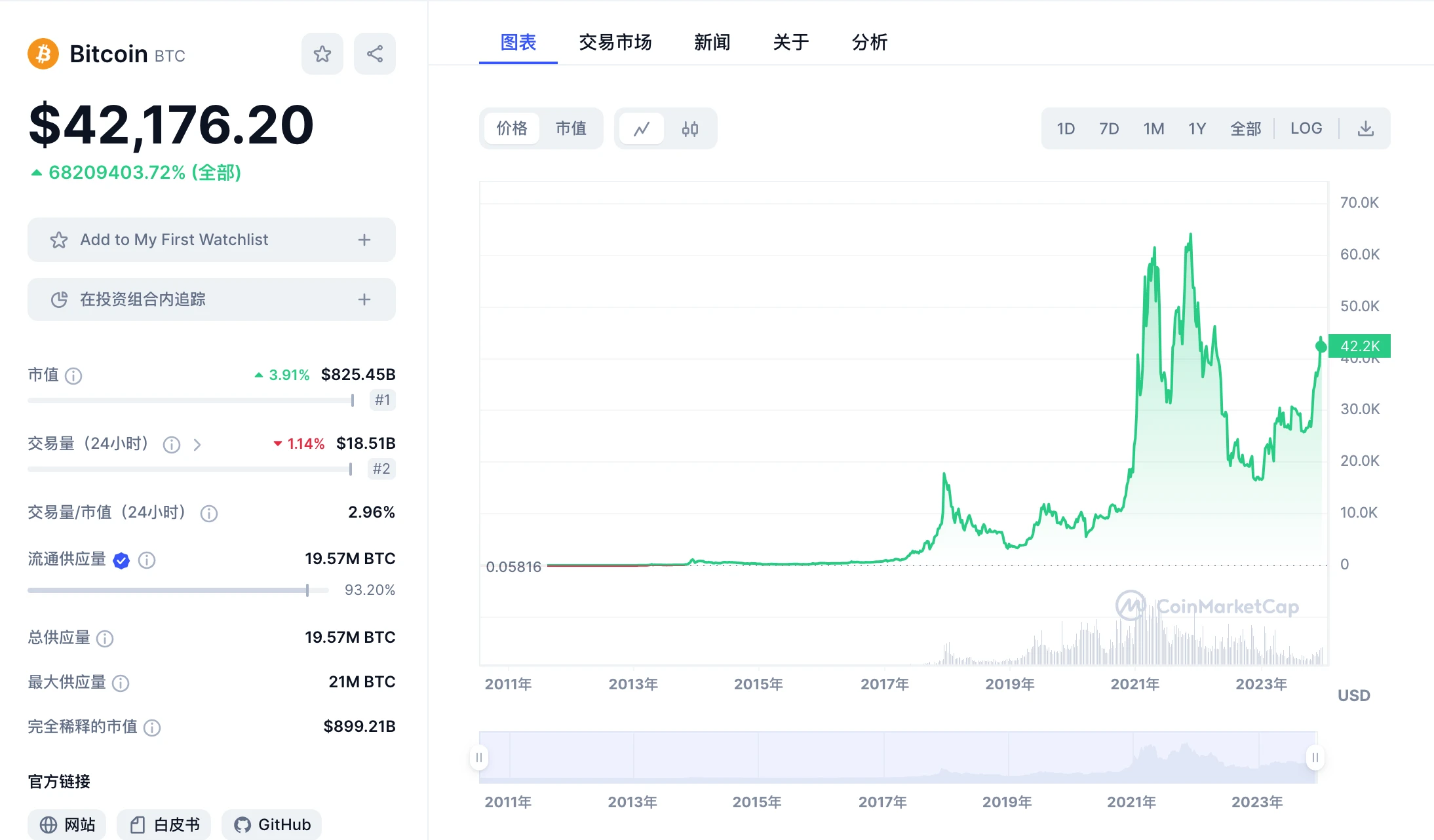
随着最近 2 年比特币生态的蓬勃发展,比特币网络上产生一大批基于 BTC 资产而衍生的加密资产类别,其中包括:铭文 NFT、BRC 20、SRC 20、比特币算力衍生品等比特币生态资产。根据的当前的市场预估,比特币生态加密资产市值总计约为 9000 亿美金,其中包括比特币网络原生资产 BTC、BRC 20、SRC 20、以及比特币算力。
Merlin Protocol,一个专业的比特币生态资产适配协议

众所周知,比特币是世界上最早的区块链项目和加密资产,但比特币网络并不直接支持智能合约的运行,只能通过脚本和其他扩展协议来实现简单基础的逻辑运算。以太坊是在比特币的基础上,增加了 EVM 虚拟机,可以完成任意复杂度的逻辑运算和执行;以太坊的诞生,标志着区块链 2.0 时代的到来。因此,在以太坊网络出现后,比特币生态的可扩展性问题就变得更加突出了,以至于在 2017 年的以太坊 ERC 20 爆发和 2020 年的 DeFi Summer 牛市中,比特币生态都一直处于旁观者的状态存在着,无法直接参与新的加密浪潮中。

比特币网络的扩展性问题一直存在,并困扰着一部分生态开发者,但大家并没有因此放弃,以至于在最近一波的 NFT 浪潮中,比特币生态出现了像 Ordinals 协议和 Unisat Wallet 这样的现象级项目,并引发了比特币生态新一波的开发者热潮,陆续出现了 BRC 20、SRC 20、Bitcoin L2 网络等新的资产协议类别和基础设施项目。但我们不能忽视一个客观事实,那就是比特币网络的扩展性问题仍旧存在,并继续以某种方式影响着比特币生态的未来发展。

当下,最直观的一点是:因为比特币网络的特性,导致比特币网络数万亿美金市值的加密资产无法充分释放其在 DeFi 领域的流动性价值,也无法满足生态开发者群体日益高涨的对于比特币网络加密资产可编程性(扩展性)的正当诉求。这是目前乃至未来严重影响比特币生态可持续繁荣发展的核心问题。为了解决该问题,Merlin 开发者团队推出了 Merlin Protocol,一个专业的比特币生态资产适配协议。
Merlin Protocol,一个专业的比特币生态资产适配协议

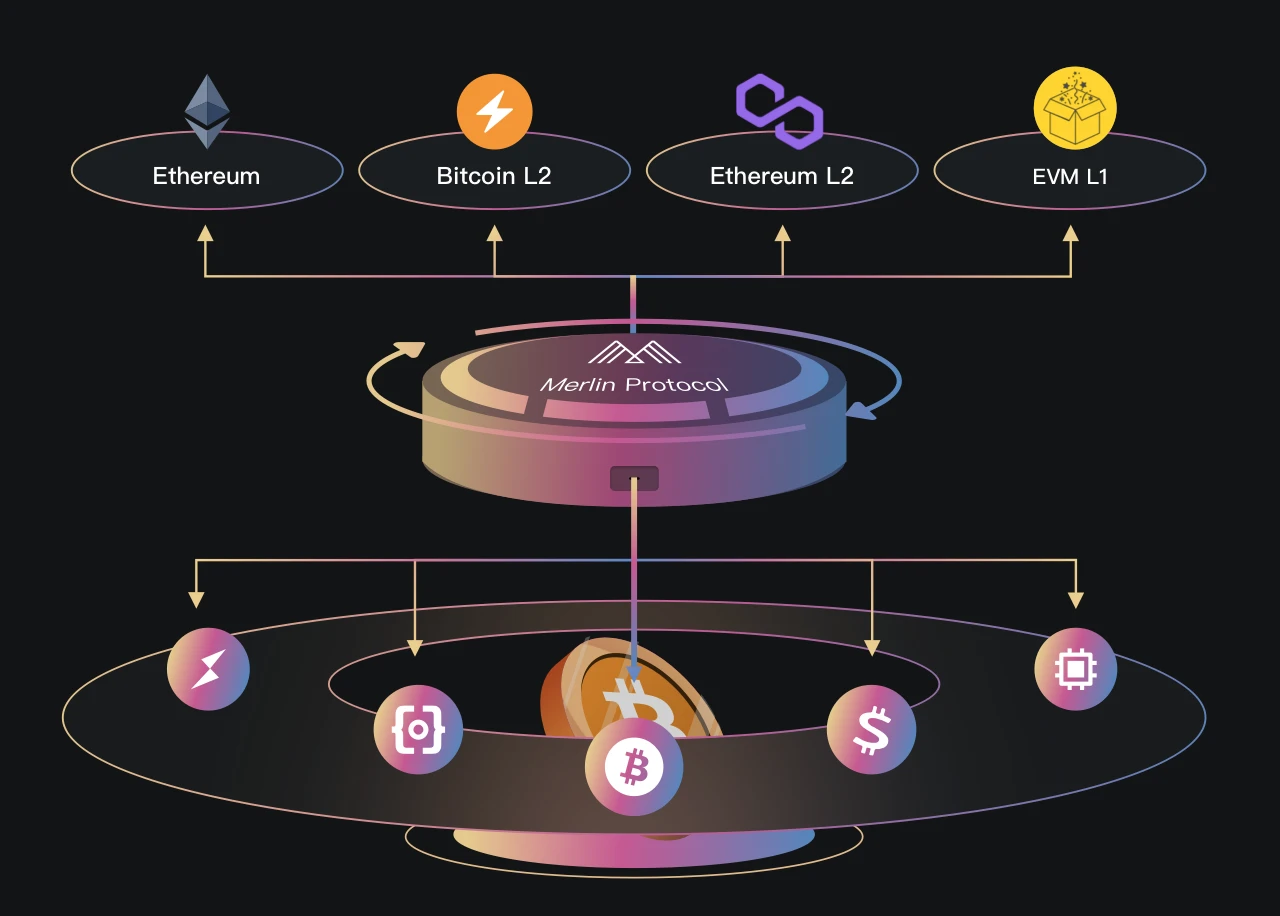
Merlin Protocol 构建了一个专用于比特币网络加密资产的通用适配协议。Merlin 团队通过采用智能合约、数据预言机、加密经济激励机制和加密算法等综合技术方案,将比特币生态的加密资产通过 Merlin Protocol 无缝适配到 EVM 生态和比特币 L2 生态,直接解决比特币网络加密资产的流动性问题和可扩展性问题,为比特币生态开发者开辟一条新的路径。

目前,Merlin Protocol 已经实现了将 BTC、BRC 20 以及比特币算力等加密资产适配发行到 EVM 网络生态,未来也会兼容比特币网络上发行其他类别的新型加密资产,以及比特币 L2 创新协议。
Merlin Protocol,一个专业的比特币生态资产适配协议

通过 Merlin Protocol,比特币生态的加密资产发行方或开发者团队可以运行一个自己项目资产专属的 Merlin Adapter,让社区用户通过该 Adapter 自由的操作相关加密资产,比如将某个 BRC 20 资产从 Bitcoin 网络适配到 Ethereum 网络,然后进行 DeFi 操作(UniswapAaveMakerDAO),或者从 Ethereum 网络将该 BRC 20 资产回归到 Bitcoin 网络,进行长期价值存储和转移操作。

Merlin Protocol 在整个过程中,扮演的是一个资产适配协议标准的创建者和维护者的角色,在保证用户资产所有权独立的前提下,向开发者提供一套具备资产适配功能的底层技术解决方案,确保用户交互过程中的资产安全和隐私保护。Merlin Protocol 为比特币生态的加密资产打开了一扇通往“自由”的双向旋转门,这极大的提高了比特币生态加密资产的流动性和可扩展性,充分释放了比特币底层网络的安全共识价值和比特币网络上发行的加密资产的市场共识价值。

Merlin Protocol 作为比特币网络加密资产适配协议的底层基础设施,为未来比特币资产发展成为世界主流核心资产打下了坚实的基础。最后,欢迎比特币生态的开发者了解并使用 Merlin Protocol,来为更多比特币网络上的加密资产提高自由度!


İlgili Okumalar

Microsoft Announces Commercial-Grade Quantum Computer to be Completed in Three Years: Will the Boots Land?

Microsoft announces plans to build a commercially viable quantum computer by 2029, a significant acceleration from the previous industry consensus of a decade. The breakthrough is fueled by their new Majorana 2 quantum chip, which boasts a record-breaking average qubit lifetime of 20 seconds—a 1,000-fold reliability improvement over its predecessor. This leap was achieved by leveraging topological qubits, a theoretically more stable technology using Majorana zero modes, and switching the core superconducting material from aluminum to lead. Crucially, Microsoft's "Discovery" agentic AI platform accelerated the R&D process. AI agents autonomously analyzed vast experimental data, optimized manufacturing parameters (like the lead alloy composition), and solved issues like "ghost noise," dramatically speeding up experimentation. While the 20-second coherence time is a landmark, challenges remain: scaling from 12 qubits to the millions needed for practical applications, managing compilation costs, and verifying quantum results. Skeptics call for peer-reviewed data, and questions persist about whether even 20 seconds is sufficient for complex algorithms like breaking RSA encryption. The race is on with other approaches (superconducting, trapped ions), but Microsoft's confidence in its topological roadmap signals a potential shortcut to a scalable quantum future.

marsbit15 dk önce

Microsoft Announces Commercial-Grade Quantum Computer to be Completed in Three Years: Will the Boots Land?

marsbit15 dk önce

Is There Really a "World Cup Curse" in the Market?

Is there really a "World Cup Curse" affecting markets? Historical data shows global equity markets often underperform during the tournament. The S&P 500 has averaged negative returns of -1.5% to -2.11% across 19 World Cups since 1950, with declines in 58% of events. China's Shanghai Composite fell in 71% of tournaments since 1994. Studies confirm reduced trading activity during matches, with volumes dropping significantly, especially when a home nation plays. A team's loss can also lead to negative sentiment and selling pressure in its domestic market the next day. However, the "curse" may be partly attributed to seasonal weakness. Many tournaments are held in June-July, a historically weaker period for stocks ("Sell in May and go away"). The 2022 Qatar World Cup, held in November-December, saw a smaller drop in trading volume compared to summer events, suggesting timing plays a role. The cryptocurrency market's performance during World Cups has been mixed and largely driven by its own major catalysts (e.g., Mt. Gox hack, FTX collapse, halving cycles) rather than the tournament. Investment opportunities have shifted over time. Traditional beneficiaries like TV manufacturers have seen fading returns as streaming platforms become the core viewing channel. Classic consumer plays like beer and sportswear face challenges from changing consumption trends. Newer digital assets, like fractionalized collectible player cards on blockchain, have seen explosive growth. While gambling is a traditional sector, prediction markets are emerging. In conclusion, while a statistical correlation exists, the World Cup's direct impact on markets is likely limited and intertwined with seasonal patterns. With lower liquidity during the event, the simplest strategy for many might be to step back from trading and enjoy the games.

marsbit22 dk önce

Is There Really a "World Cup Curse" in the Market?

marsbit22 dk önce

Why 'AI Service Subscription' Is Destined to Die Out?

"Why 'AI Service Subscription Models' Are Doomed to Disappear" The article argues that the flat-rate subscription model for AI services is fundamentally unsustainable. It points to recent industry shifts, such as Anthropic limiting access to its flagship Claude Fable 5 model for subscribers after just 14 days, and GitHub and OpenAI moving towards credit-based or usage-based billing. The core problem is that subscription models rely on a capped human consumption limit—like watching videos or listening to music—which keeps costs predictable. However, the rise of autonomous AI agents shatters this premise. Agents can consume 5 to 30 times more computing resources (tokens) than a human chatting, and they operate continuously without user presence. This removes the natural usage cap, making fixed-price plans financially unviable as heavy users incur massive costs. Attempts to patch the model with higher tiers or usage caps have failed, often leading to "adverse selection" where only the heaviest users subscribe. The industry's solution is to hollow out subscriptions, replacing "unlimited" access with prepaid credits charged per token, akin to a utility meter. While chat-based subscriptions may linger, the real value and revenue are shifting to pay-as-you-go models. The current period represents a final, heavily subsidized phase for users. The conclusion is that the soul of subscription—a fixed price for worry-free use—is dying, soon to be replaced by pure usage-based pricing where everyone pays for their own "electricity meter."

marsbit22 dk önce

Why 'AI Service Subscription' Is Destined to Die Out?

marsbit22 dk önce

İşlemler

Spot
Futures
活动图片