穿越 Terra 的废墟,悄摸暴涨的 Kujira 是 Cosmos 的新晋黑马么?

foresightnews2023-11-13 tarihinde yayınlandı2023-11-14 tarihinde güncellendi

Özet

老本难啃,新饭难做,Kujira 也算穿越 Terra 的废墟,在 Cosmos 打出了自己的一片天。

老本难啃,新饭难做,Kujira 也算穿越 Terra 的废墟,在 Cosmos 打出了自己的一片天。


撰文:Frank,Foresight News


Cosmos 宇宙近来似乎在逐步走出水逆期,像 RUNE、INJ、TIA 等明星项目均在二级市场上表现亮眼,吸引了不少人的目光,与此同时,另一个少有人耳闻的 Cosmos 生态项目也「以涨服人」,悄摸摸地浮出水面。


DeFillama 数据显示,Kujira 生态的 TVL 自 9 月以来增长逾五倍,两个多月即从 1600 万美元附近狂飙至 8800 万美元左右,速度堪称惊人,而其代币 KUJI 也在三个月内涨幅近 400%,俨然有黑马之姿。


其实,如果细究 Kujira 的「前世今生」,会发现它在短短一年半的时间,穿越了 Terra 崩塌的废墟,并成长为 Cosmos 生态的黑马新秀,堪称加密世界的「重生文典范」。


从 Anchor 清算协议,到 Layer1 金融公链


我们有必要先来简单回顾一下 Kujira 的发展历程,其中 2022 年 5 月 11 日则是它绕不过的一个关键转折点。


在 2022 年 5 月份 Terra 崩溃之前,Kujira 的定位是 Terra 上的抵押品清算协议,本质上就是面向 Anchor 借贷提供低于清算价的限价订单:


任何想要买入 LUNA 的用户可以通过 Kujira 在清算期间对任何形式的抵押品进行竞标,从而买入打折的 LUNA,这样既可以让用户获得折价的 LUNA,同时也能够提高清算效率,并避免出现连环下跌的极端情况。


但 Terra 的猝然崩溃,改变 Kujira 原有的发展规划,迫使其于 2022 年 5 月 11 日 Kujira 开始转向,计划借助 Cosmos 生态和 Cosmos SDK 构建一条 Layer1 链,以快速重启并运行。


该链也于 2022 年 7 月 4 日上线,当时团队对在 Terra 上仍持有 KUJI 的地址进行了快照分发,而转向 Cosmos 宇宙之后,按官方描述,Kujira 的定位是一个「实现真正收益的区块链」:


为寻求可持续金融科技的协议、开发者和 Web3 用户提供去中心化生态系统。


Kujira 的生态矩阵


按照官方统计,截至 11 月 14 日,Kujira 的生态矩阵目前包含 22 个协议 / 产品,囊括抵押品清算、DEX(保证金交易、限价单等)、流动性收益耕作、借贷市场、Launchpad、钱包、策略交易、OTC 交易、P2P 交易、NFT 交易市场、LST、链上 ETF 等多条赛道(下文只介绍其中的主要协议产品)。


但 Kujira 的核心还是围绕「交易&收益」展开的 L1 金融公链,除了项目团队推出的 Blue、FIN 和 Orca 等关键协议外,生态内的其他协议 / 产品可以利用 Kujira 的多链去中心化交易流动性作为基础设施,来启动自己的服务,从而实现可组合性。


其实如果对比会发现,这种产品架构与生态发展思路,和同样基于 Cosmos 开发的 Injective 乃至曾经的 Terra 生态,有颇多相似之处,也从侧面印证 Cosmos 在应用链生态开发方面的一贯优势。


来源:Crypto, Distilled


Blue


Blue 是 Kujira 生态的核心基础设施之一,可用于管理代币、质押、投票、兑换,同时 Blue 的 IBC 功能也是将资产跨 Cosmos 生态系统流动的关键桥梁


其中 KUJI 持有者可以在 Blue 质押代币、领取奖励、委托给验证者、对治理进行投票,以及将代币在 IBC 链间进行跨链转移。


此外 Blue 也可用于抵押铸造 Kujira 生态的超额抵押稳定币的 USK(详见下文)。


Orca


Orca 则和 2022 年 5 月前 Kujiira 的理念一脉相承,是一个清算抵押品的公共拍卖市场,允许任何人竞标待清算的抵押品。


FIN


FIN 是 Kujira 生态中的去中心化交易所,同时提供订单簿、Swap 和保证金交易。


BOW


BOW 是一个自动做市商,允许用户通过提供流动性获利,而 FIN 则可以获得更深的流动性。


其中流动性提供者从交易中赚取部分费用,并且可以在质押其 LP 代币时获得第三方提供的额外奖励。


GHOST


GHOST 则是一个功能齐全的货币市场,用户可以使用各种金融工具进行借贷,且用户可以具有竞争力的利率赚取利息,并支持获得短期借贷资金。


SONAR


SONAR 是 Kujira 生态的手机端钱包应用,允许用户直接通过手机进行支付、交易、质押和投票。


PILOT


PILOT 是由 Kujira 和 Fuzion 合作构建的 Launchpad 平台,它使用基于 Orca 投标流程的销售方法,以使所有人都能平等地参与,为所有用户提供一个公平的机会。


从这个角度看,Blue、Orca、FIN 确实是 Kujira 生态的基础设施,实现整个生态底层围绕(清算)资产交易&流动性的跨链流动


Blue 为用户提供跨链和代币管理服务,使用户可以通过 FIN 限价订单簿等交易功能,将在 Orca 上竞标获得的资产兑换为稳定币或其他 Cosmos 资产,实现 Kujira 与 Cosmos 宇宙的流动性闭环。


而 BOW、GHOST 等则是进一步为该流程提供更好的流动性或交易组合功能,从而搭配形成一条完善且闭环的流动性处理链条,并通过 IBC 串联起整个 Cosmos 宇宙和 IBC 资产,并将所有产品 / 协议的收入流都收束到 Kujira 中。


有什么值得关注的积极因素?


这部分我们按图索骥,既然 KUJI 的表现如此亮眼,那最近 Kujira 是否有哪些值得关注的积极因素发生?


USK 的采用加速


USK 是 Kujira 生态超额抵押的美元稳定币(类似于 DAI),目前支持的抵押品包括 ATOM、stATOM、wBTC、wETH、wstETH、wAVAX、wBNB、INJ、DOT、LUNA 等加密资产。


从今年 9 月中旬以来,USK 的流通供应量一路上涨,从 172 万美元山接近翻了一番,截至 11 月 14 日达到约 325 万美元。
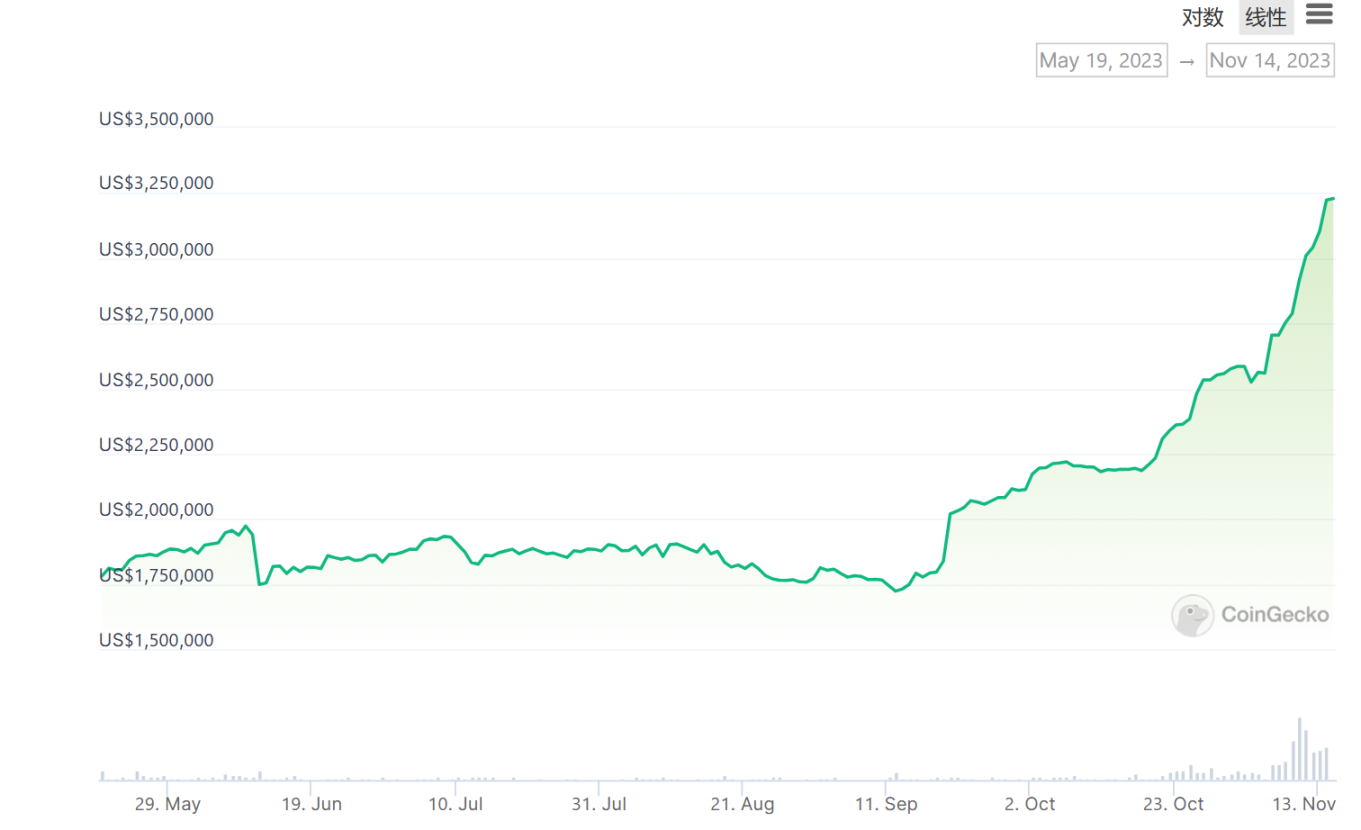


不过实话实说,目前 USK 仅仅 325 万枚左右的总流通供应量,体量仍然极小,在整个稳定币赛道中几乎可以忽略不记。


可能也正因如此,按 CoinGecko 统计数据来看,USK 的锚定情况并不十分稳定,近三个月来在 0.98-1.04 美元的区间宽幅震荡


此外,抵押品中,除了 BTC、ETH 的封装资产外(100 万枚左右),ATOM 及其它 IBC 资产的铸造比例无疑占据大头(80 万枚左右),从赋能角度来讲的话,这也有助于 ATOM 作为去捕获 Cosmos 生态 DeFi 协议的拓展价值。


当然,这需要 USK 不仅成为 Kujira 生态的核心,也要延申成为 Cosmos 宇宙的通用货币之一:


譬如用户可先铸造 USK,并在 ORCA 上对清算抵押品进行竞标,再将竞标所得资产在 FIN 上兑换为流动性,进而支持跨链至其它 IBC 网络,或从其它 IBC 网络跨过来进行清算套利。


这样与其他的交易&流动性产品 / 协议进行多重组合,也可以借助稳定币等交易使用场景,产生虹吸效应,将 Kujira 打造成 Cosmos 的交易&流动性节点之一


代币全流通与高质押率


此外,代币经济学方面,2023 年 11 月 9 日 Kujira 解锁了最后一批已归属的 KUJI 代币,这也意味着大约 1.22 亿枚总量的 KUJI 代币现在全部实现流通


这在高通胀遍地的 Cosmos 生态中也是罕见情况,因此从二级市场供需角度确实打消了 KUJI 代币后续的潜在抛压可能。


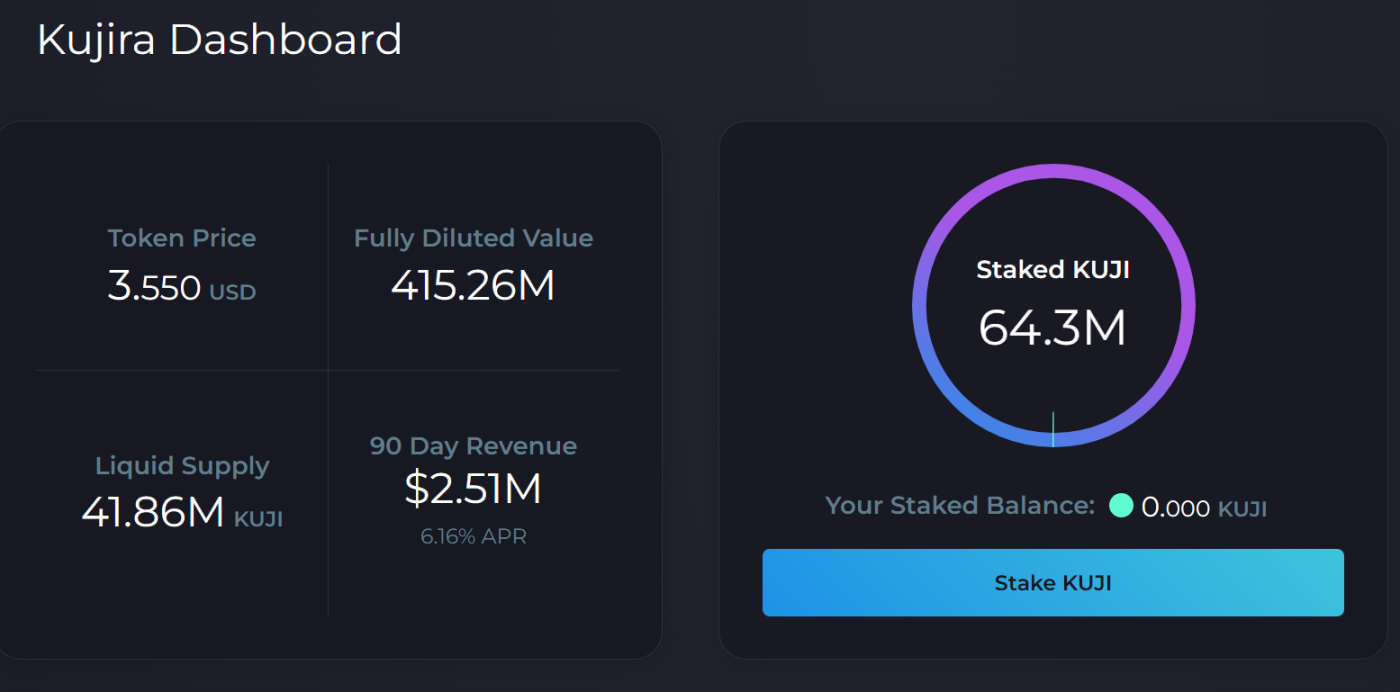
与此同时,由于 KUJI 的代币经济学允许 KUJI 质押者获得 100% 的协议费用,因此 KUJI 质押率一直在走高,目前超过 50% 的 KUJI 被质押(约 6430 万枚)


不过需要注意的是,目前 KUJI 的交易所交易对近乎于无——暂未任何上线头部、二线交易所,流动性主要集中在链上与生态内部,注意风险


小结


如今回过头看,2022 年 5 月 Terra 崩溃所带来的次生灾害,对原本想在 Terra 中基于 UST 构建金融协议的开发者来说,至今仍未消散,不少项目都先后陷入困顿甚至中止开发。


而除了随后选择继续留守 Terra 2.0 的项目,其中也不乏像 Stader、Mars、Kujira 等开始积极自救,对不少项目来说,近水楼台先得月的 Cosmos 自然成了最佳的迁移选择。


但老本难啃,新饭难做,如今一年半过去,也只有 Kujira 这样在 Cosmos 暂时趟出了自己的一条路。


总的来看,如今 Kujira 有自己的超额质押稳定币(USK),有一套较为成熟的交易&流动性基础设施,并正在努力成为 Cosmos 宇宙的主要流动性节点,也算从 Terra 的泥潭中走了出来,属实不易。


只要倒不下,就能站得起来,Kujira 打了一个很好的样,也希望有更多的原 Terra 生态项目能够走出泥潭,迎来新的发展阶段。
İlgili Okumalar

Research Report Analysis: MRVL's Optical AI Booming, Why High Valuation Keeps Morgan Stanley's Star Analyst Sidelined?

Report Recap: MRVL Optical AI Boom - Why High Valuation Led Morgan Stanley's Star Analyst to Stay Neutral? Morgan Stanley analyst Joseph Moore maintained an "Equal-weight" (Neutral) rating on Marvell Technology (MRVL) on May 28, raising the price target from $172 to $195, below the trading price. This stance comes despite Marvell reporting a record quarter and significantly raising its full-year outlook (FY27 revenue ~$11.5B, up ~40%). Moore's neutral view is based on valuation. The $195 target implies ~40x CY2027 P/E. He contrasts MRVL with NVDA: both trade near ~$200, but Nvidia's forward EPS is more than double Marvell's. For MRVL's valuation to hold, it needs consistent earnings upgrades, proof of networking market share gains, or certainty on large-scale custom AI chip shipments—none of which are confirmed yet. Growth is driven by two pillars: **1) Optical Interconnect** (the faster runner): Moore raised FY27 growth expectations to >70%, with the optical module product line nearing a $1B annualized run rate. **2) Custom AI Chips** (the climber): Confidence in FY28 is growing, but a major new customer project only ramps in FY28, with no current revenue visibility. Key risks are the underperforming Storage, Enterprise, and legacy Networking segments. Moore acknowledges the real AI opportunity but believes the current price already reflects it. For the stock to work from here, investors need to see the optical business hit its targets, custom chips ramp as planned, and a recovery in the weaker business units.

marsbit21 dk önce

Research Report Analysis: MRVL's Optical AI Booming, Why High Valuation Keeps Morgan Stanley's Star Analyst Sidelined?

marsbit21 dk önce

qinbaFrank: Review and Outlook of the AI Computing Power Wave — From the Three Debates on NVIDIA to Optical Interconnect and SpaceX IPO, How is Capital Rotating?

**Summary: Retrospective and Outlook on the AI Computing Wave - A Framework for Capital Rotation** Based on a presentation by investor qinbaFrank, this analysis reviews the AI computing market trajectory since 2023 and outlines a forward-looking framework. **Key Phases and Market Debates:** The AI bull market progressed through three major debates: 1) The necessity of massive capital expenditure (late 2023). 2) The sustainability of tech giants' spending (early 2024-early 2025). 3) Potential overestimation of compute needs (early 2025). Consensus solidified in late 2025 as model capabilities and utility demonstrably improved. **Core Thesis: Penetration Rate Drives Commercialization.** Unlike the 2000 dot-com bubble, the current AI wave benefits from mature digital infrastructure, enabling faster adoption. The critical threshold is 10% penetration; surpassing it (with recent enterprise intent surveys showing ~18%) indicates entry into a rapid growth "golden period" where user scale and willingness to pay increase simultaneously. **AI vs. Internet: A Fundamental Difference.** While the internet enhanced connection efficiency, AI directly substitutes human cognition and labor. Once AI performance exceeds the "societal average" human level, its commercial value scales exponentially as payment shifts from human labor costs to AI service fees. **Investment Logic Evolution in the Compute Chain.** The focus has expanded from GPUs to a systemic re-rating of the entire hardware stack: storage/HBM, CPUs, interconnects, power, and advanced packaging. The framework is: **short-term "scarcity pricing," mid-term "upgrade pricing" (e.g., optical interconnects, power networks), and long-term "Physical AI" pricing** (edge computing, robotics). **Market Focus Shift and Adjustment Framework.** The market is transitioning from "hardware scarcity" to "commercialization validation." The ultimate anchor for the narrative is sustained high growth in model providers' Annual Recurring Revenue (ARR) and cloud business revenue, which justifies continued capital expenditure. Adjustments are categorized into three levels: * **L1 (Minor):** Driven by valuation compression or macro noise (e.g., single CPI print). Fundamentals intact. * **L2 (Moderate):** Triggered by significant macro events requiring risk repricing. Requires new data for confidence restoration. * **L3 (Major):** Involves a reset of the core industrial narrative or macro regime (e.g., AI commercialization growth stalling). The **crucial dividing line** is whether AI commercialization growth slows. Without a slowdown, pullbacks are likely L1/L2 "repricing" events. A genuine growth deceleration would signal an L2/L3 narrative reset. **Conclusion: A Foundational Civilizational Leap.** AI represents a foundational upgrade to "intelligence" itself—akin to humanity mastering fire—rather than a single-point industrial revolution. This底层能力跃迁 (underlying capability leap) will spawn successive waves of innovation (Agent, robotics, industry workflow重构). The journey will be波浪式的 (wavelike), driven by cycles of scarcity, technological upgrades, and远期兑现 (long-term realization).

marsbit32 dk önce

qinbaFrank: Review and Outlook of the AI Computing Power Wave — From the Three Debates on NVIDIA to Optical Interconnect and SpaceX IPO, How is Capital Rotating?

marsbit32 dk önce

A Country That Mined Bitcoin for 8 Years Has Built Its Own Dedicated Crypto Bank

A country that has been mining Bitcoin for eight years has established its own dedicated crypto bank. DK Bank, located in Bhutan's newly developed GMC special administrative zone, aims to fill the significant banking service gap for the cryptocurrency industry. Its CEO, Zheng YD, explained that most banks avoid crypto businesses due to a lack of risk management frameworks for decentralized and anonymous protocols. Operating under a unique "one country, two systems" governance model separate from mainland Bhutan, GMC aspires to become a financial hub for South Asia. DK Bank differentiates itself by offering integrated multi-currency accounts where users can manage both fiat currencies and stablecoins like USDT and USDC in one place, alongside services like Bitcoin-backed loans. The bank faces technical challenges in merging traditional banking systems with 24/7 crypto markets and implements rigorous on-chain and off-chain transaction monitoring for risk control. GMC's regulatory framework draws from Singaporean common law and Abu Dhabi's ADGM rules, offering a fast-track licensing process for already licensed firms while maintaining high standards. The initiative is part of Bhutan's longer-term crypto strategy, which includes Bitcoin mining since 2018. The focus, however, is on building a diversified institutional-grade crypto ecosystem—including custody and asset management—rather than retail speculative tokens. Proponents argue such sovereign crypto infrastructure is necessary, and Bhutan's early, measured approach exemplifies the thoughtful integration needed in global finance.

Foresight News1 saat önce

A Country That Mined Bitcoin for 8 Years Has Built Its Own Dedicated Crypto Bank

Foresight News1 saat önce

Unveiling the Whales of the World Cup Prediction Market: Smart Money Stumbles on the Pitch, 'Buy No' Outperforms 'Buy Yes'

**Title: Unveiling the Whales of the World Cup Prediction Market: "Smart Money" Stumbles on the Pitch as "Buying No" Outperforms "Buying Yes"** An analysis of pre-match trades over $5,000 on Polymarket for 20 completed group stage matches reveals a counterintuitive finding: large "smart money" bets were not consistently accurate. Aggregated pre-match buying volume was $89.55 million, with a weighted hit rate of only 48.5%. Holding these positions would have resulted in an estimated net loss of about $1.76 million (ROI -2.0%), challenging the notion that big money reliably predicts outcomes. The data highlights several key dynamics. Draws proved to be a major risk, significantly impacting bets on favored teams, as seen in Belgium-Egypt and Spain-Cape Verde. Markets were more efficient for clear mismatches (e.g., Germany's big win) but became prone to bias when favorites were overvalued. Notably, buying "No" shares (betting against a specific outcome) significantly outperformed buying "Yes," with hit rates of 62.4% vs. 37.5%. This suggests the market often overprices popular narratives, creating value in contrarian positions. Individual trades showed extreme volatility. One wallet (mintblade) earned an estimated $6.77 million by betting against Iran, while another (LEEEROYJENKINS) lost roughly $8.39 million on a Belgium win. The market favors high-risk, high-reward information trading rather than steady arbitrage. For sustained insight, wallets with consistent performance across multiple matches (e.g., swisstony) are more telling than one-off big bets. Ultimately, the Polymarket acts less as a crystal ball and more as a mirror, reflecting crowd bias and the inherent unpredictability of football. True "smart money" may lie not in predicting the future, but in identifying and exploiting market mispricings while respecting risk.

marsbit1 saat önce

Unveiling the Whales of the World Cup Prediction Market: Smart Money Stumbles on the Pitch, 'Buy No' Outperforms 'Buy Yes'

marsbit1 saat önce

İşlemler

Spot
Futures
活动图片