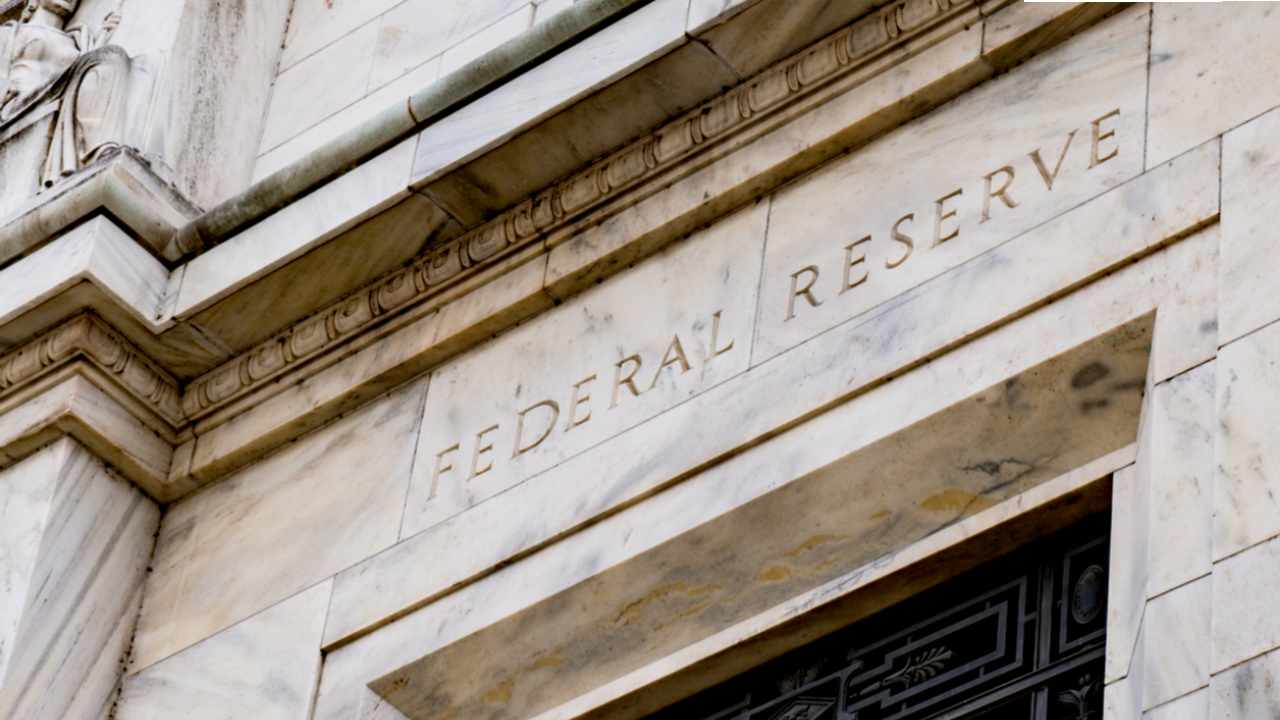
Allianz Chief Economic Advisor Mohamed El-Erian says that the Federal Reserve’s response to inflation will cause the prices of cryptocurrencies, like bitcoin, to “go higher.” He noted: “That’s what you get when you’ve waited too long to recognize what inflation is and to take action.”
Predictions by Allianz’s Chief Economist
Economist Mohamed El-Erian discussed the U.S. economy, the markets, and the Federal Reserve’s response to inflation in an interview with CNBC Monday.
El-Erian is the president of Queens’ College, Cambridge University. He is also Chief Economic Advisor at Allianz, the corporate parent of PIMCO, one of the largest investment managers, where he was CEO and co-chief investment officer.
He explained:
I think the markets have understood that we have three issues. One is high, persistent inflation is with us. Two is the Fed is way behind, and three, the pathway for orderly disinflation is pretty narrow.
Due to these factors, the economist said that companies are now having questions about growth. He noted that investment bank Goldman Sachs came out Monday saying that there is a 35% probability of a recession in the next two years. “That’s a meaningful number, 35%,” El-Erian stressed.
“So, the big question is: can we navigate this inflation growth landscape that has become much more difficult?” he noted, adding that “Bank CEOs, they are worried about the macro environment.”
The Restoration of Value
The Allianz chief economic advisor was asked about the long-term outlook for the crypto market following the weekend selloff in some major cryptocurrencies, including bitcoin.
“I think the concern for the crypto people is that this decline is happening at a time when gold is up and hitting almost $2,000,” he opined. “Because the big argument for crypto is it’s a diversifier. At the time of inflation, it’s attractive. And recently, crypto hasn’t played that role.”
The economist explained: “There’s a reason why, and that’s because crypto, unlike gold, benefited enormously from all the liquidity injections. So what you’re getting in crypto is a tug of war between a recognition that liquidity is going out from the system as a whole and attractiveness as a diversifier. So far, it’s the liquidity element that is winning out.”
He further detailed:
What you are seeing across the board is the restoration of value, and that’s a good thing. You’re seeing it in stocks, you’re seeing it in bonds, you’re seeing it in crypto.
“We are just adjusting to a paradigm in which liquidity is no longer abundant, and is no longer predictable,” he added.
El-Erian reiterated: “So I view this as part of the restoration of value that we are seeing in quite a few assets, not all of them yet, but quite a few already.”
The Fed’s Inflation Target and Crypto Market
El-Erian was also asked about what would force the Federal Reserve to change its inflation target and what that target would be.
“What will force them to change their target is the recognition that by being so late, they can’t get to their target and their credibility is threatened,” he replied. “They would also worry that by hitting the brakes too hard, they may push this economy not just into a short-term recession but into a longer-term recession.” He continued: “They will be very tempted and lots of people will push them to raise the target from 2% to 3% as a way out. Now, that’s not going to be an easy way out, and it’s going to be incredibly controversial.”
El-Erian opined: “That’s what you get when you’ve waited too long to recognize what inflation is and to take action. We should have started QT last year; we didn’t. And we are now seeing the consequences of the Fed being so late.”
The economist was asked what will happen to crypto and gold if the Fed does what he described. He replied:
They both go higher.