Near稳定币USN即将推出,Terra链TVL占比首次下降

Foresight Research2022-04-11 tarihinde yayınlandı2022-04-11 tarihinde güncellendi

Özet

技术上,BTC周线级别向上,在最近的价格反弹后进行盘整,日线级别出现首次回调,预计支撑位在42000美元左右。

市场观点

现货观点

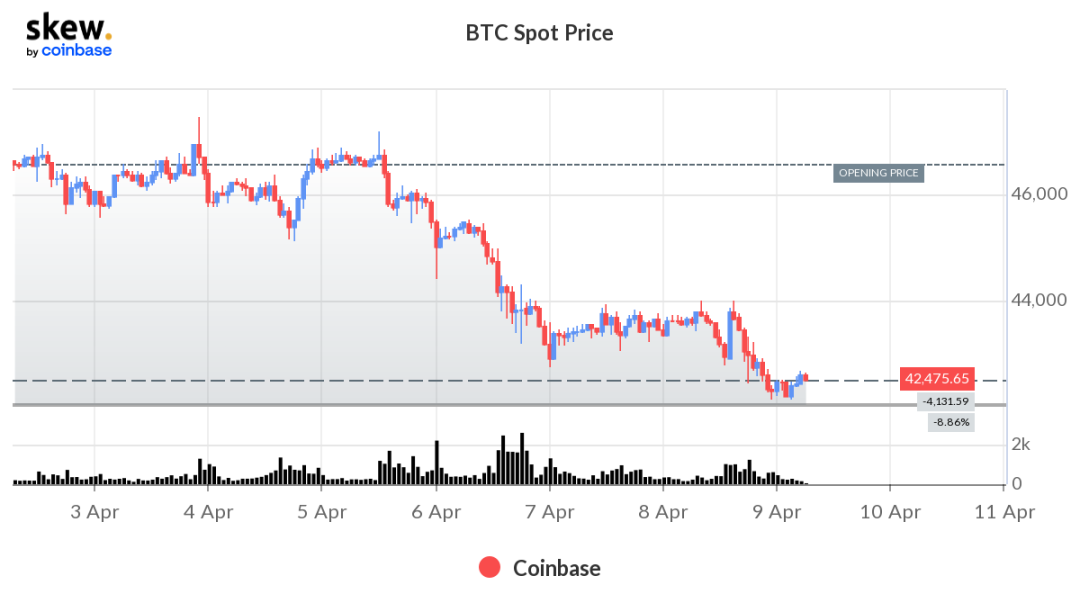
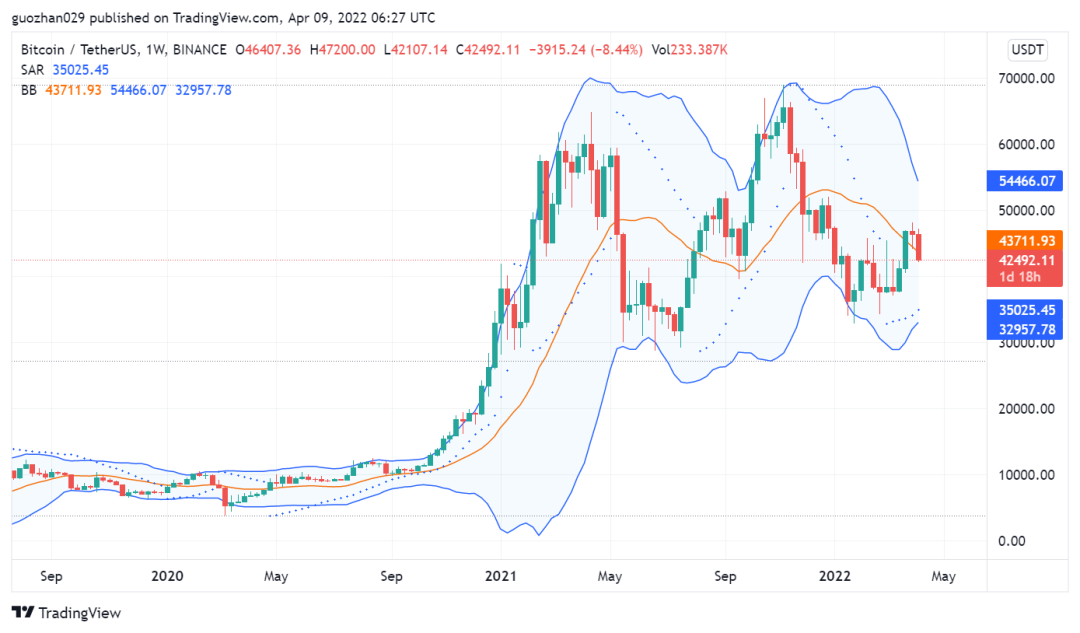
本周BTC小幅回调。技术上,BTC周线级别向上,在最近的价格反弹后进行盘整,日线级别出现首次回调,预计支撑位在42000美元左右。宏观上,美联储会议纪要释放更多鹰派信号,表明5月会议上或加息50个基点(上次会议25个基点),并迅速开始缩减资产负债表的规模。

链上观点

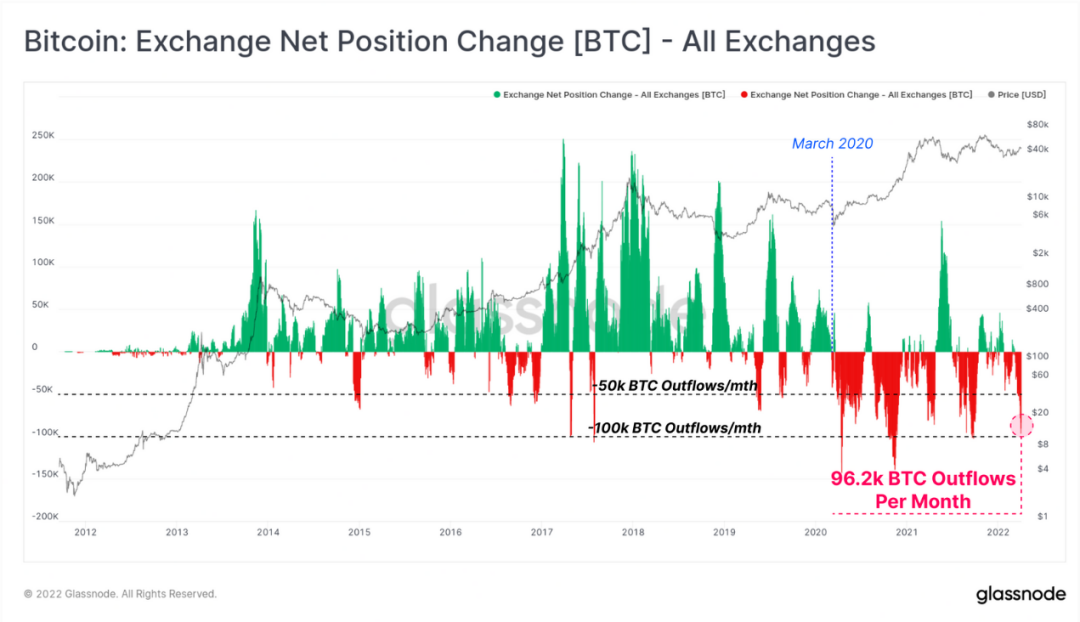
链上数据显示,BTC市场已经出现了持续几周的历史级别的强势积累。尽管短期有鲸鱼出货的传言,但事实上大量BTC继续从交易所净流出(约10万个/月的速度),交易所总余额达到2018年以来的新低,保持健康的趋势。这轮积累主要是由最顶部的69个巨鲸(>1000个BTC)推动的,而散户(<1个BTC)是在卖出。
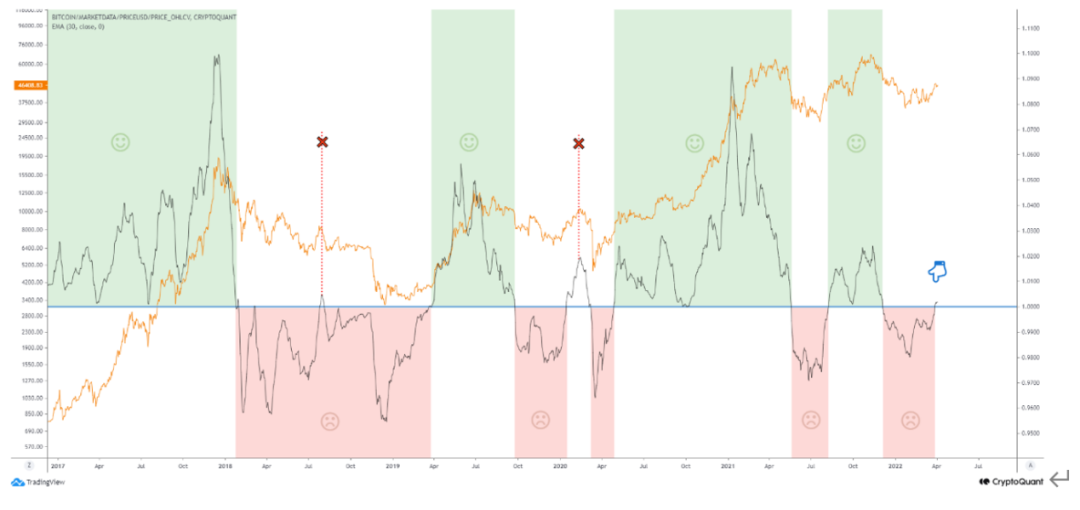
在2021年12月至今的4个月后,BTC的30日指数滑动平均线重新大于1,表明短期投资者开始盈利。历史上从2017年至今,大部分时间当指数大于1,BTC价格都会进入一轮上涨周期;反之则意味着进入熊市。
期货观点

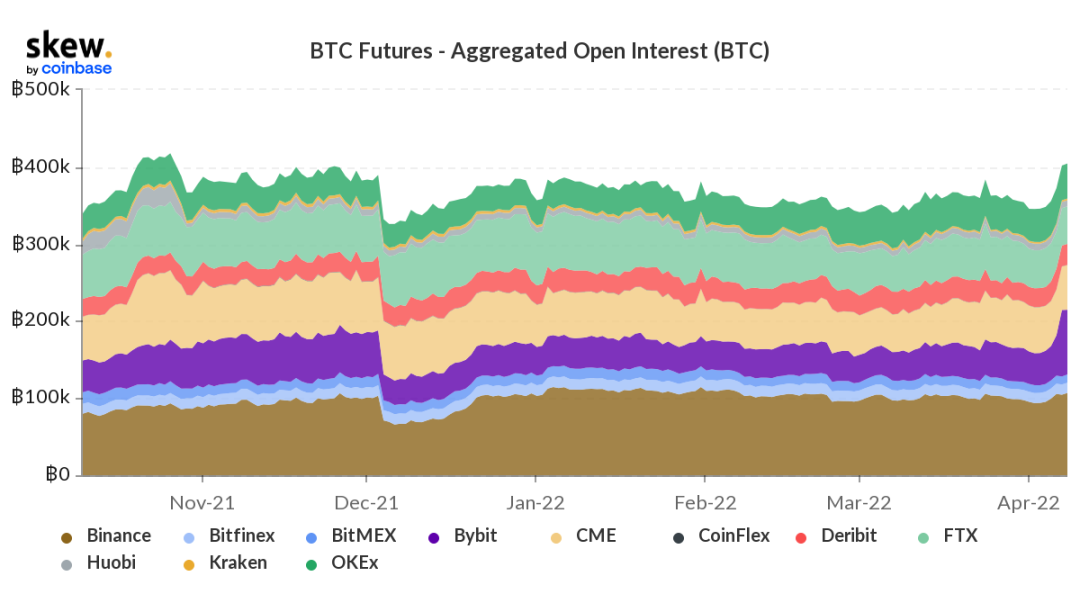
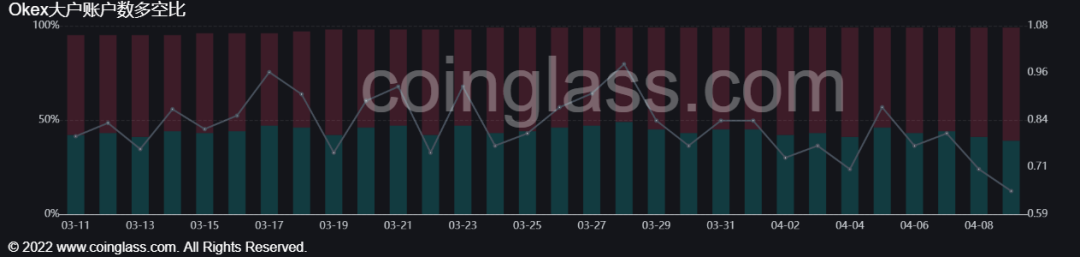
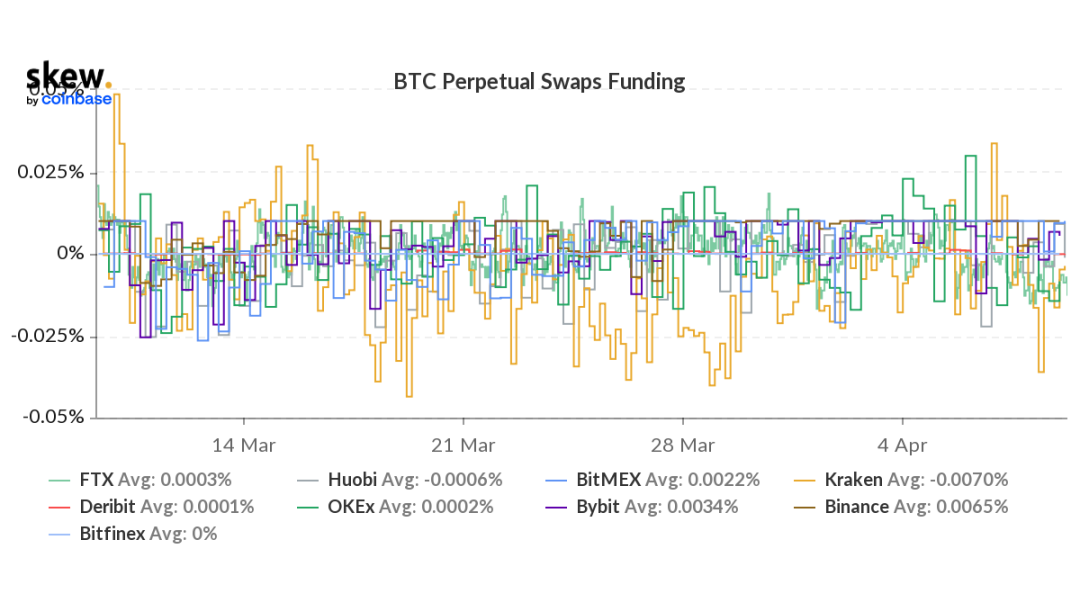
本周期货市场多空博弈很激烈。主流交易所的BTC多空比偏空,永续资金费率持平。全网BTC合约持仓量创出新高,过去一年,每当全网BTC合约持仓量新高时,如:418、519、712、97、124,市场都会迎来剧烈的波动,并为下一阶段的行情选择方向。
市场热点

NEAR

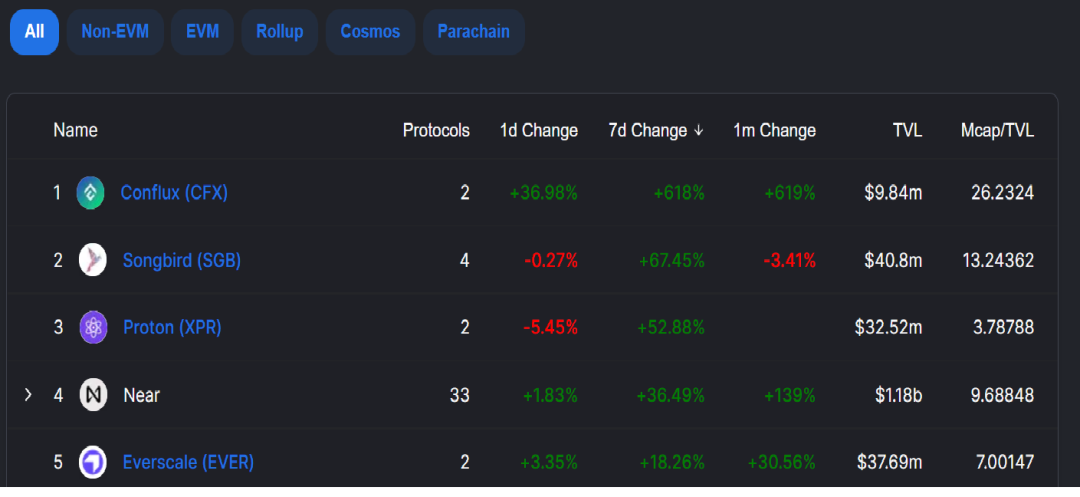
Near上周完成3.5亿美元融资,TigerGlobal领投。Near最大的亮点就是他的分片协议,每个分片可支持1000TPS,而分片是横向扩容的,10个分片就可达到10000TPS,理论上分片的数量是没有上限的。不过Near太专注于技术方面的突破,营销/品牌不足,生态发展明显落后其他公链。近期Near推出多个借贷协议,TVL大幅增长;并计划4月底推出新的稳定币USN,仿照UST提供约20%的年利率。
FXS

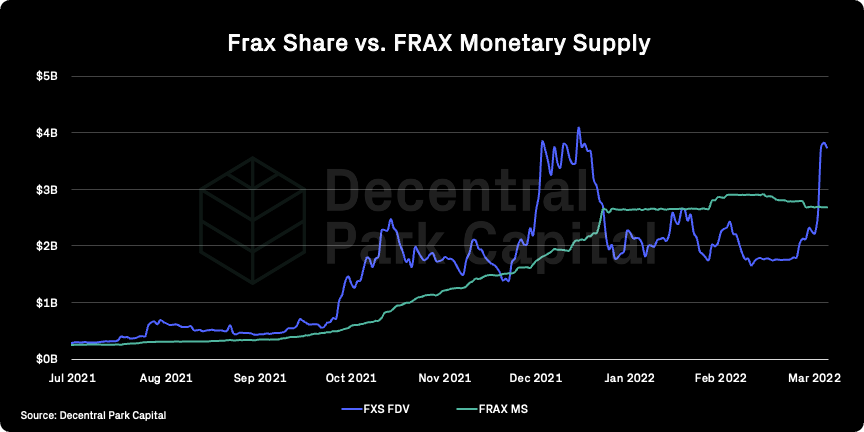
算法稳定币是Crypto世界发展的必经之路。Frax是采用混合算法的稳定币协议,通过抵押USDC和治理代币FXS铸造生成,锚定价格为1美元,利用市场套利机制达到价格稳定的目的。该种模式介于完全算法稳定币与抵押稳定币之间,集二者之长,试图寻求新的稳定币范式。Frax是唯一一个能始终保持稳定的算法稳定币,其市值自21年10月以来增长了600%。近期Terra计算与Frax合作在Curve推出UST-FRAX-USDC-USDT四池,用以替代DAI的三池,是看中Frax在CVX有20%的投票权。Frax这周推出了Frax价格指数(FPI),这是新的本地稳定币,将与去中心化的消费者价格指数(CPI)挂钩。
市场数据

公链总锁仓量情况
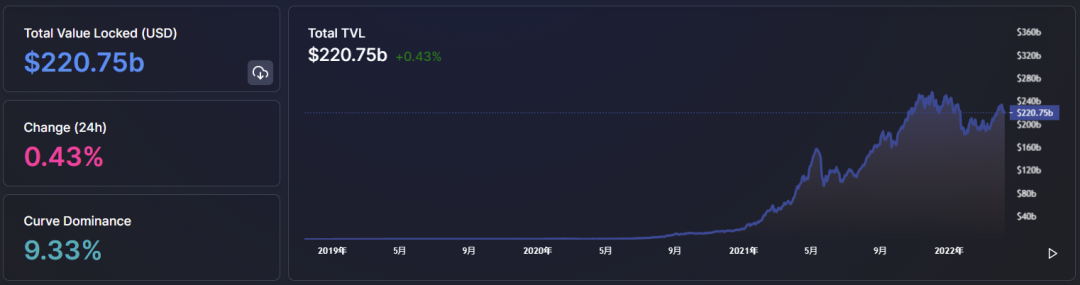
本周TVL出现14.95B的下降,下跌幅度为6.34%,整体变动情况与行情端趋同,行情回调后同样出现较大幅度下跌。

各公链TVL占比情况
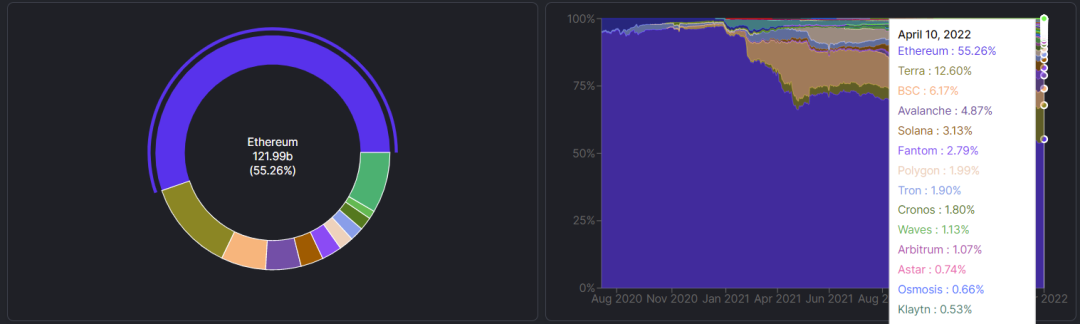
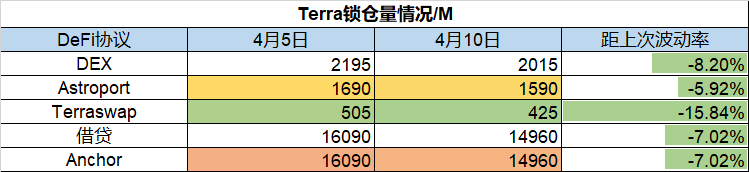
本周ETH链占比出现较大幅度增长,占比由54.21%提升至55.26%,占比增长1.05%,Terra链在本周出现大幅的下跌,结束了长达两个多月的占比增长,占比下降0.61%,其余各链变化较小。

各链协议锁仓量情况

ETH锁仓量情况
BSC锁仓量情况
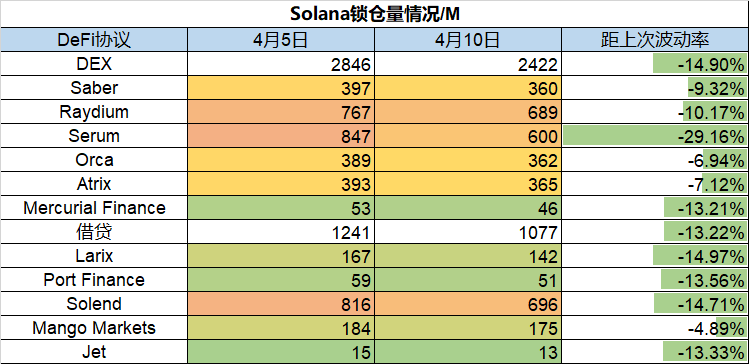
Solana锁仓量情况
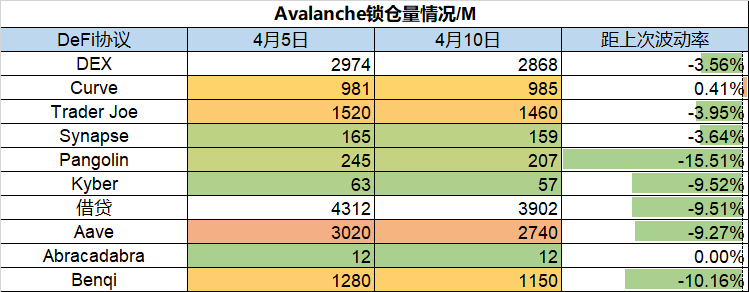
Avalanche锁仓量情况
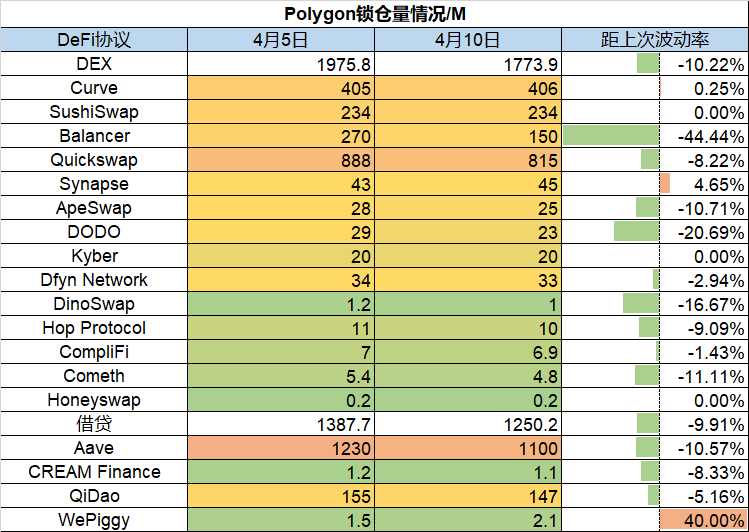
Polygon锁仓量情况
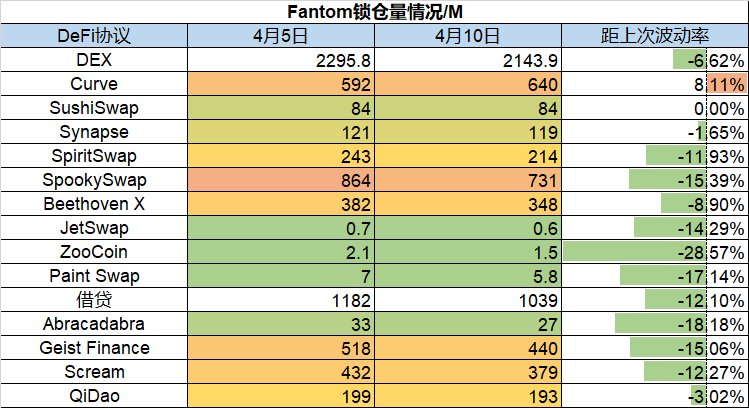
Fantom锁仓量情况
Terra锁仓量情况
本周协议情况总结

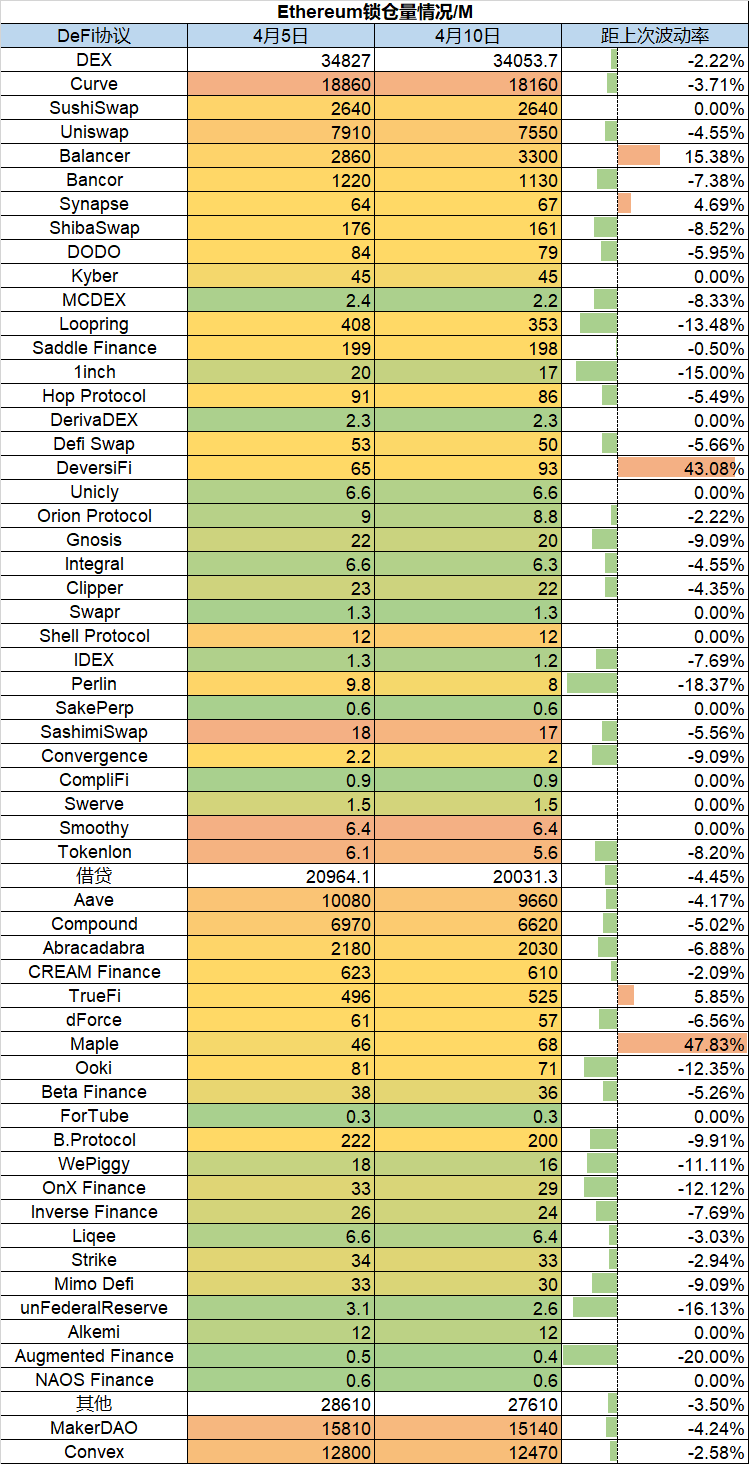
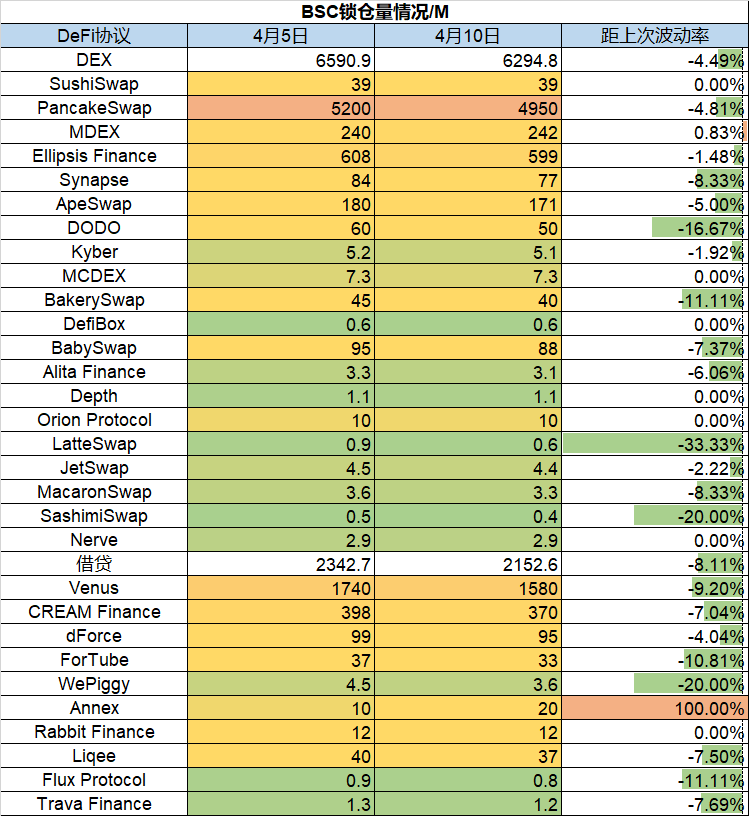
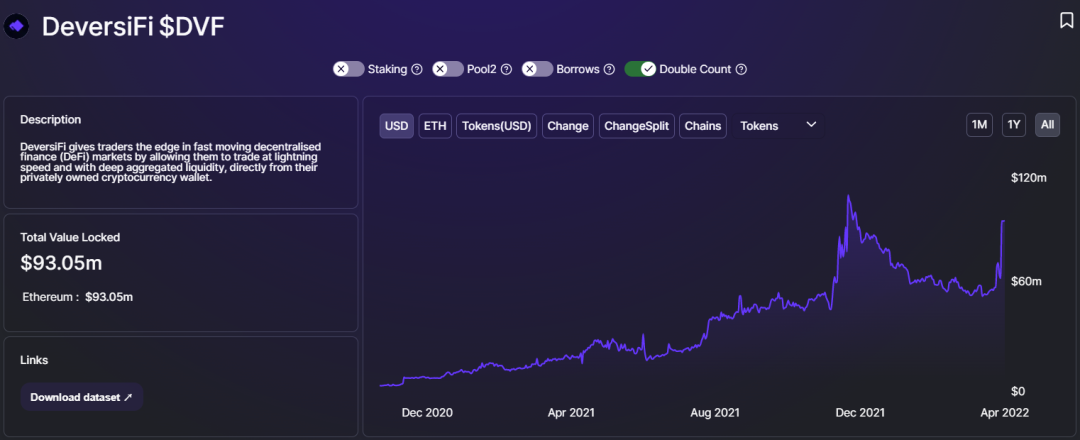
本周各链TVL总量均出现一定程度的下降,Terra链出现占比倒退的主要制约就是Anchor协议出现了较大衰减;本周表现较好协议有DeversiFi,是基于Validium方式创建的最大的去中心化交易所,Validium运行方式类似于ZKrollup,不同之处在于数据被保存在链下,所以受此影响,DeversiFi的交易速度更快,且无Gas费。其代币DVF短期内并无走出下跌颓势,但TVL已接近前高。
ETHGasfee历史情况
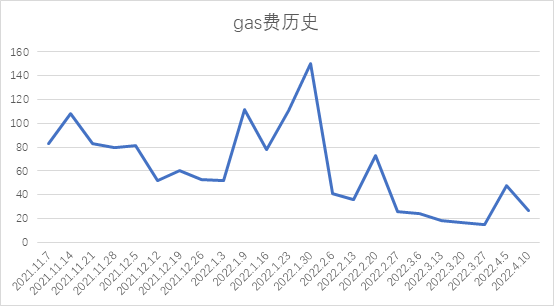
当前链上转账费用为4.74,Uniswap交易费用约为16.18,Opensea的交易费用约为$17.74,本周出现反弹后继续回落至降低水平。
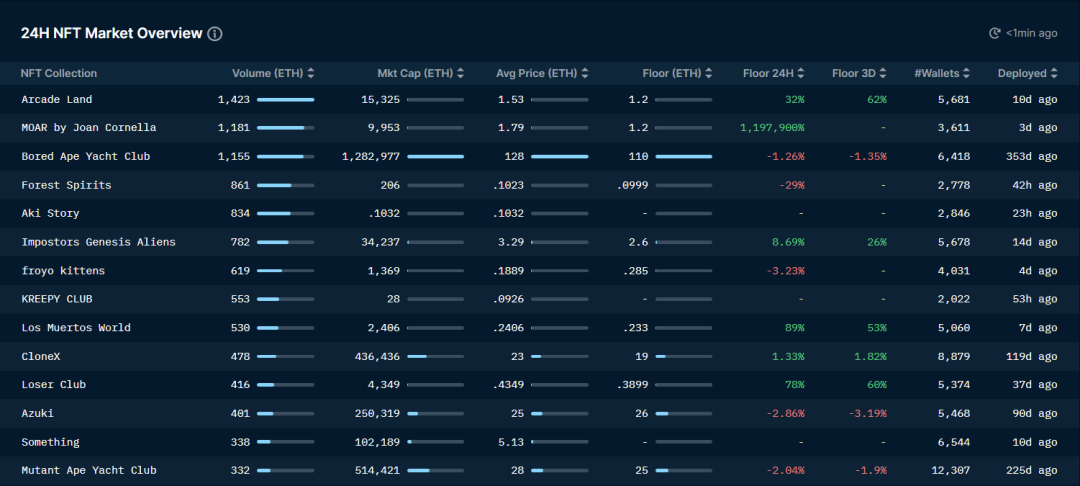
NFT市场交易概览
NFT“聪明的钱”购买排序
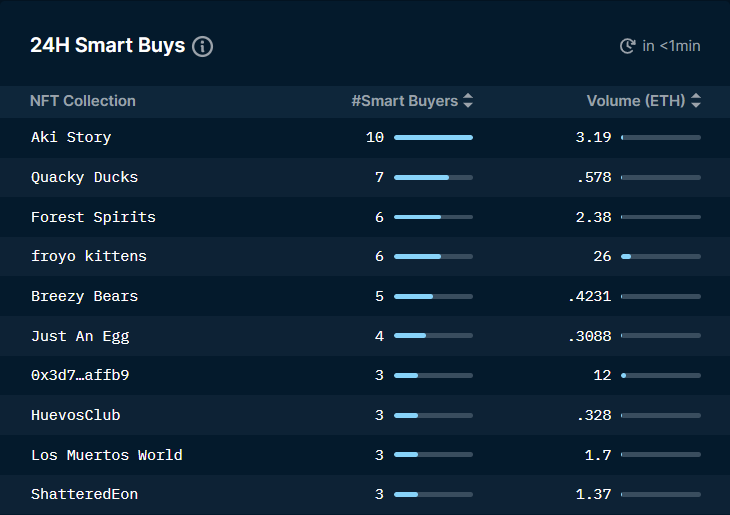
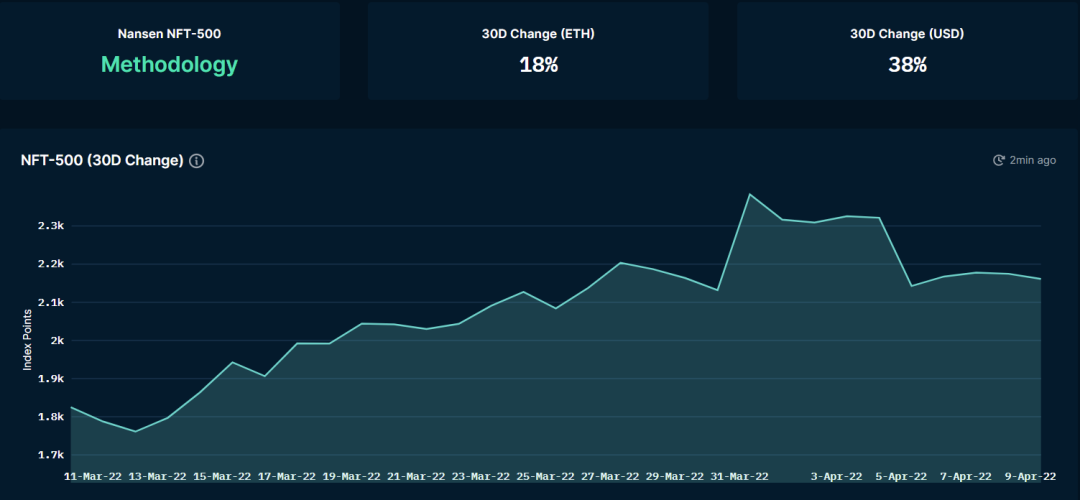
本周值得注意的商品是AkiStory,于4月9日以0.07ETH的价格Mint,截至目前,Opensea地板价为0.12,AkiStory是一个包含5,555个化身的集合。AkiStory的目标分为3部分:成为艺术家的启动平台、创建强大的社区资源中心以及成为全球公认的IP品牌。

Trend Kriptolar

İlgili Okumalar

Tearing Down the Iron Curtain: How a Chinese DRAM Company Challenges Samsung in Samsung's Own Way

Tearing Through the Iron Curtain: How a Chinese DRAM Company Challenged Samsung with Samsung's Own Playbook In 2012, Japan's DRAM giant Elpida fell to bankruptcy, crushed by industry leaders like Samsung through ruthless cost competition and 'counter-cyclical' investment—expanding during market downturns to gain share. Over a decade later, ChangXin Memory Technologies (CXMT), a Chinese company founded in 2016 on the intellectual property ashes of another fallen giant, Qimonda, is using the same strategy to break the oligopoly. Starting from zero in a market dominated by Samsung, SK Hynix, and Micron (controlling over 90% share), CXMT first secured a legal foothold by acquiring Qimonda's patent portfolio. It then pursued a risky 'leapfrog' R&D strategy, skipping generations to focus on DDR5 and LPDDR5, while building an integrated IDM model for faster iteration. Its defining moment came during the severe 2023 industry downturn. While incumbents cut production, CXMT, backed by patient state and industrial capital, aggressively expanded capacity and slashed prices. This counter-cyclical bet allowed it to capture market share just as the 2025 AI boom shifted major players' focus to premium HBM memory, creating a supply gap in traditional DRAM. By Q1 2026, CXMT had captured 8% of the global DRAM market—the first non-Korean, non-American company to do so in 20 years. Its revenue skyrocketed, turning profitable in 2025. Crucially, CXMT avoided Elpida's fatal mistake of obsessing over peak yield rates at the expense of unit cost and throughput, instead embracing Samsung's core philosophy: DRAM competition is a war of cost and scale, not just technical precision. However, challenges loom. CXMT still lags in advanced HBM production and faces a technology node gap. The biggest test will come when giants refocus on traditional DRAM, potentially triggering a price war. Yet, with massive IPO funding for capacity and R&D, CXMT's decade-long journey stands as a masterclass in executing the counter-cyclical playbook that once sealed its predecessors' fate.

marsbit4 dk önce

Tearing Down the Iron Curtain: How a Chinese DRAM Company Challenges Samsung in Samsung's Own Way

marsbit4 dk önce

US Calls for Restrictions on Sports Prediction Markets

The National Football League (NFL) has urged the U.S. Commodity Futures Trading Commission (CFTC) to tighten rules for prediction markets on sports events. In a July letter, the NFL argued that current proposals fail to adequately protect the integrity of games and market participants. Key demands include banning contracts on events easily manipulated by individuals (e.g., a kicker missing a field goal), clarifying definitions to prevent gambling-like contracts, and explicitly prohibiting trading based on non-public insider information. The league also called for restricted person lists, a ban on margin trading, advertising limits, stronger user protections, and a minimum age of 21. This push coincides with an ongoing jurisdictional dispute between the CFTC and several states. The CFTC claims exclusive federal oversight, classifying event contracts as swaps, while states argue these platforms violate local gambling laws. Recent legal actions in Michigan and Minnesota highlight the conflict, with a federal court temporarily blocking Minnesota from applying a new law to CFTC-registered platforms like Kalshi and Polymarket. Meanwhile, prediction markets are experiencing significant growth. In June, driven by events like the World Cup, Kalshi's trading volume exceeded $31 billion (85% from sports contracts), while Polymarket's global platform hit a monthly record of $10.8 billion. However, platforms face legal challenges, such as lawsuits from Kentucky accusing them of operating unlicensed sports betting disguised as prediction markets.

cryptonews.ru24 dk önce

US Calls for Restrictions on Sports Prediction Markets

cryptonews.ru24 dk önce

Peskov Says Russia Is Among Top Five Leaders in AI Race. What Do Global Rankings Say?

On July 27, 2026, Kremlin spokesman Dmitry Peskov stated that Russia remains among the top five countries in the global AI development race. He acknowledged Russian models still lag behind leading U.S. counterparts but claimed they have reached a "very high level," aiming to close the gap with "superhuman efforts." He highlighted the differing approaches of Russia's GigaChat, built from scratch, and Yandex, which initially used foreign technology. However, this claim is not supported by major international AI rankings. Stanford University's Global AI Vibrancy Tool (2024-25) ranks Russia 28th out of 36 countries. The top five are the U.S., China, India, South Korea, and the UK. The Stanford AI Index Report 2026 does not mention Russia's position, focusing instead on U.S. and Chinese leadership across various metrics like investments and model performance. In benchmarks, GigaChat ranks 25th on the Russian-language LM Arena. While it passed a financial analyst exam in December 2025, its business usage costs are reportedly tens to hundreds of times higher than China's DeepSeek. In related developments, President Putin signed a law on July 26, 2026, establishing a legal framework for sovereign AI models and granting developers access to state data. Previously, Russia joined 28 other nations, including China, to establish the World AI Cooperation Organization (WAICO) in Shanghai. The article notes that rankings vary due to different criteria, such as research, investment, infrastructure, or responsible AI governance. While Russian authorities are bolstering AI through legislation and international cooperation, independent analyses suggest the country faces significant challenges, including a hardware deficit for training models, which legal frameworks alone cannot resolve.

cryptonews.ru25 dk önce

Peskov Says Russia Is Among Top Five Leaders in AI Race. What Do Global Rankings Say?

cryptonews.ru25 dk önce

İşlemler

Spot

Popüler Makaleler

NEAR Nasıl Satın Alınır

HTX.com’a hoş geldiniz! NEAR Protocol (NEAR) satın alma işlemlerini basit ve kullanışlı bir hâle getirdik. Adım adım açıkladığımız rehberimizi takip ederek kripto yolculuğunuza başlayın. 1. Adım: HTX Hesabınızı OluşturunHTX'te ücretsiz bir hesap açmak için e-posta adresinizi veya telefon numaranızı kullanın. Sorunsuzca kaydolun ve tüm özelliklerin kilidini açın. Hesabımı Aç2. Adım: Kripto Satın Al Bölümüne Gidin ve Ödeme Yönteminizi SeçinKredi/Banka Kartı: Visa veya Mastercard'ınızı kullanarak anında NEAR Protocol (NEAR) satın alın.Bakiye: Sorunsuz bir şekilde işlem yapmak için HTX hesap bakiyenizdeki fonları kullanın.Üçüncü Taraflar: Kullanımı kolaylaştırmak için Google Pay ve Apple Pay gibi popüler ödeme yöntemlerini ekledik.P2P: HTX'teki diğer kullanıcılarla doğrudan işlem yapın.Borsa Dışı (OTC): Yatırımcılar için kişiye özel hizmetler ve rekabetçi döviz kurları sunuyoruz.3. Adım: NEAR Protocol (NEAR) Varlıklarınızı SaklayınNEAR Protocol (NEAR) satın aldıktan sonra HTX hesabınızda saklayın. Alternatif olarak, blok zinciri transferi yoluyla başka bir yere gönderebilir veya diğer kripto para birimlerini takas etmek için kullanabilirsiniz.4. Adım: NEAR Protocol (NEAR) Varlıklarınızla İşlem YapınHTX'in spot piyasasında NEAR Protocol (NEAR) ile kolayca işlemler yapın.Hesabınıza erişin, işlem çiftinizi seçin, işlemlerinizi gerçekleştirin ve gerçek zamanlı olarak izleyin. Hem yeni başlayanlar hem de deneyimli yatırımcılar için kullanıcı dostu bir deneyim sunuyoruz.

416 Toplam GörüntülenmeYayınlanma 2024.12.10Güncellenme 2026.06.02

NEAR Nasıl Satın Alınır

Tartışmalar

HTX Topluluğuna hoş geldiniz. Burada, en son platform gelişmeleri hakkında bilgi sahibi olabilir ve profesyonel piyasa görüşlerine erişebilirsiniz. Kullanıcıların NEAR (NEAR) fiyatı hakkındaki görüşleri aşağıda sunulmaktadır.

活动图片