建仓时机已至,TVL短期有望突破前高

Foresight Research2022-04-06 tarihinde yayınlandı2022-04-06 tarihinde güncellendi

Özet

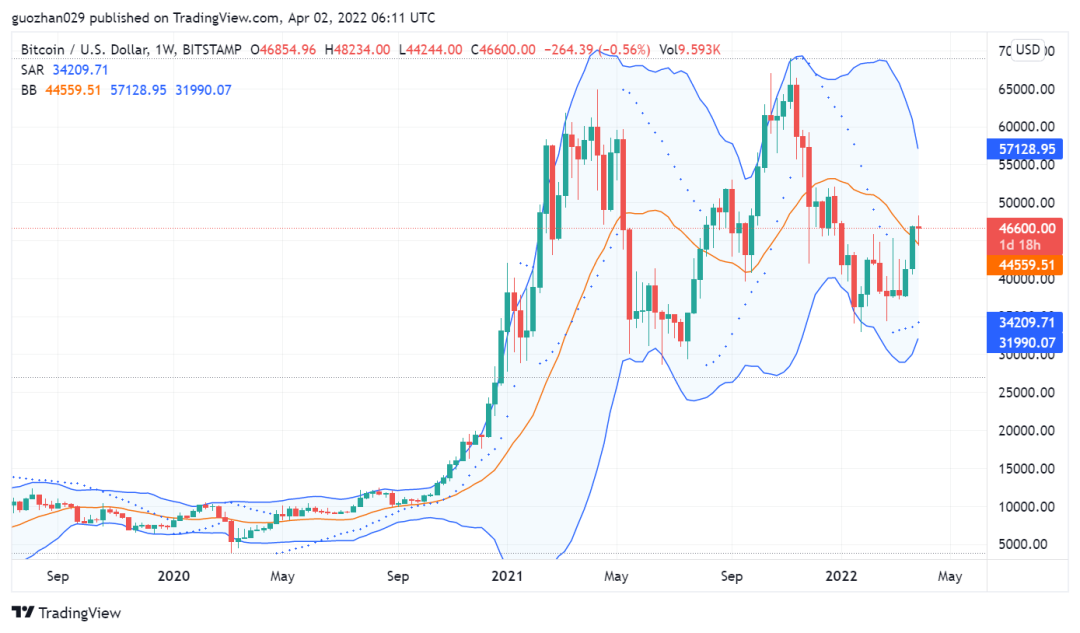
本周BTC表现强劲。技术上,BTC周线突破了盘整区间,进入周线级别牛市。

现货观点

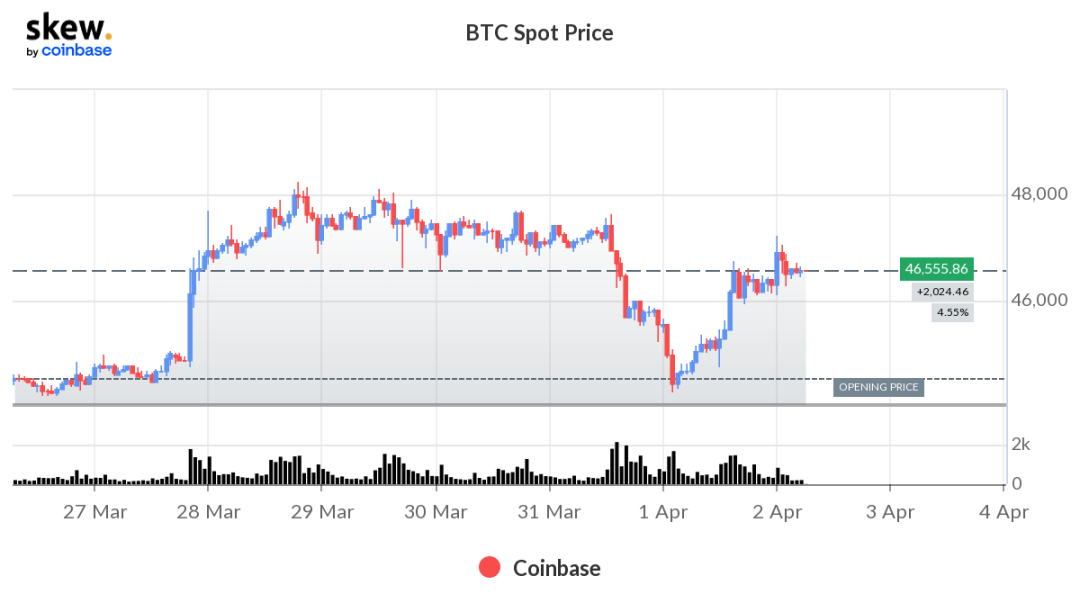
本周BTC表现强劲。技术上,BTC周线突破了盘整区间,进入周线级别牛市。预计未来1-2个月,将是上半年最好的做多窗口期。由于BTC期货市场普遍做空,说明多数人尚未上车,在等待回调机会,因此未来有调整,也只会是小幅调整。宏观上,喜忧参半。俄乌局势似乎出现转机。美债收益率曲线30年-2年倒挂,预示着经济衰退。美股回调,结束了新冠疫情两年来最差的一个季度。

链上观点

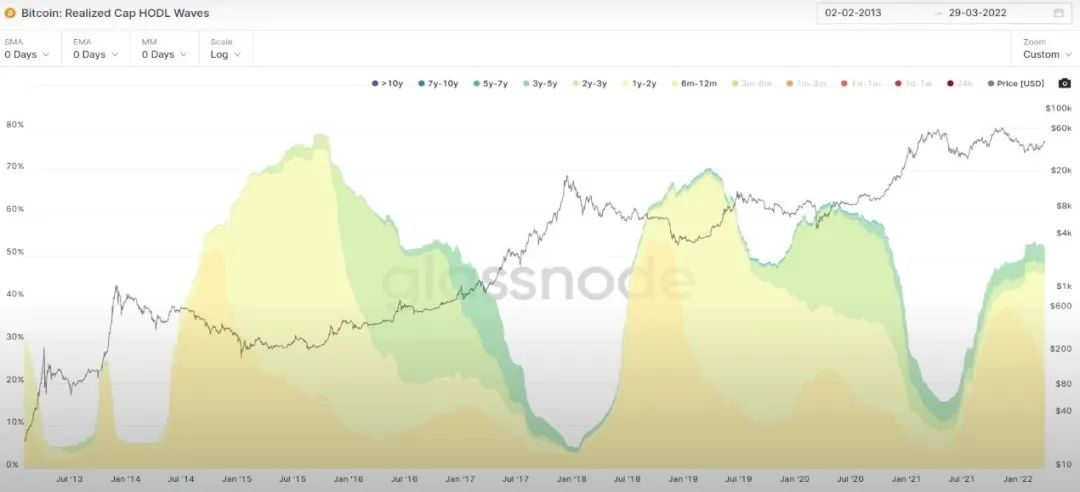
链上数据显示,BTC正逐渐走出熊市阴影,进入牛市初期。持有币龄在1年以上的BTC达到了历史新高。长期持币者更有可能经历价格的剧烈波动,因此更可能是经验丰富、信念较高的囤币党。历史上,当新入场的投资者持有比例达到最大值时,市场顶部形成,当更多的BTC被币龄在1年以上的投资者持有时,市场底部形成。
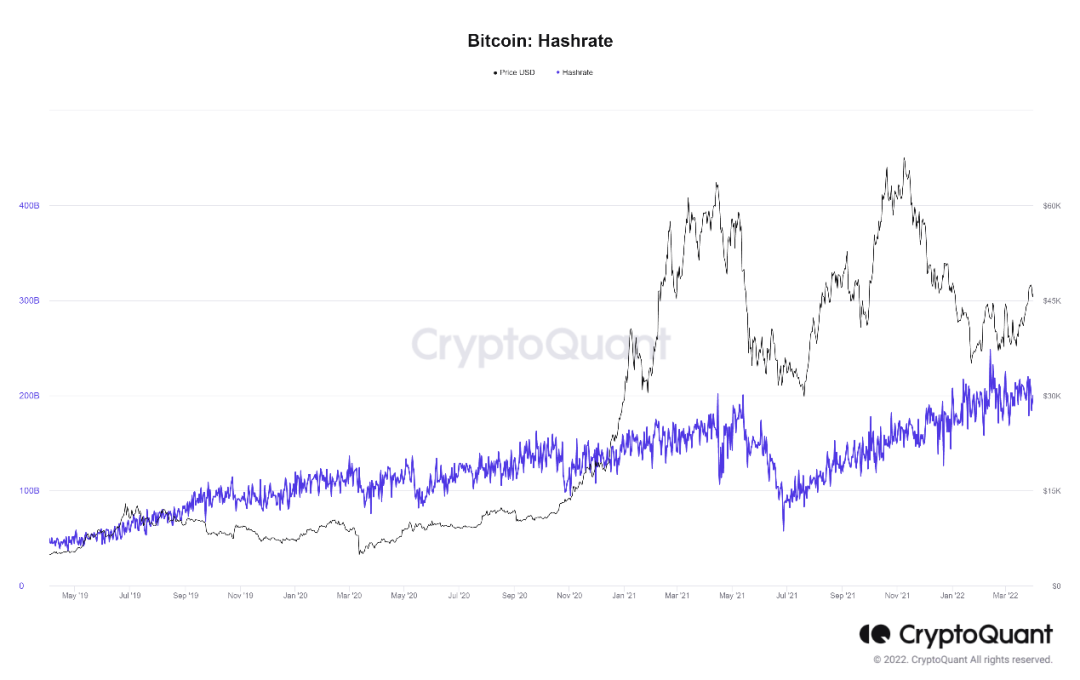
BTC的哈希值创下历史新高,达到2010亿哈希。该数据从受中国矿场迁徙事件影响以来已经翻倍(1000亿哈希),并继续保持健康的上升趋势。
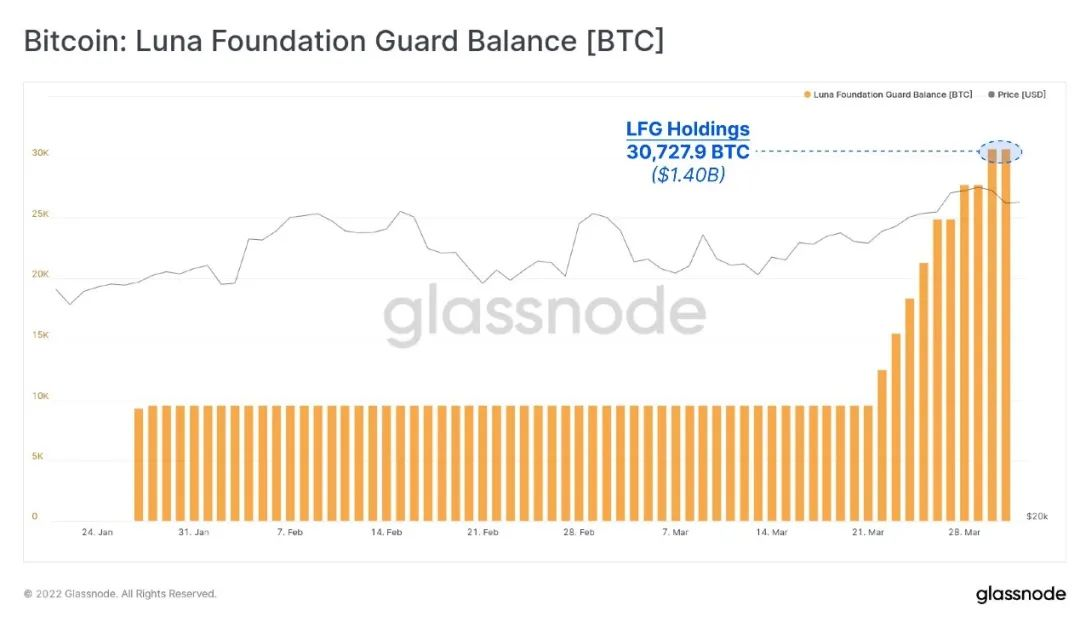
本周链上数据跟踪到,标记为SBF的聪明钱地址加仓约7.4亿美元。LUNA基金会加仓约14亿美元。USDT在波场增发10亿美元,表明有新资金入场。
期货观点

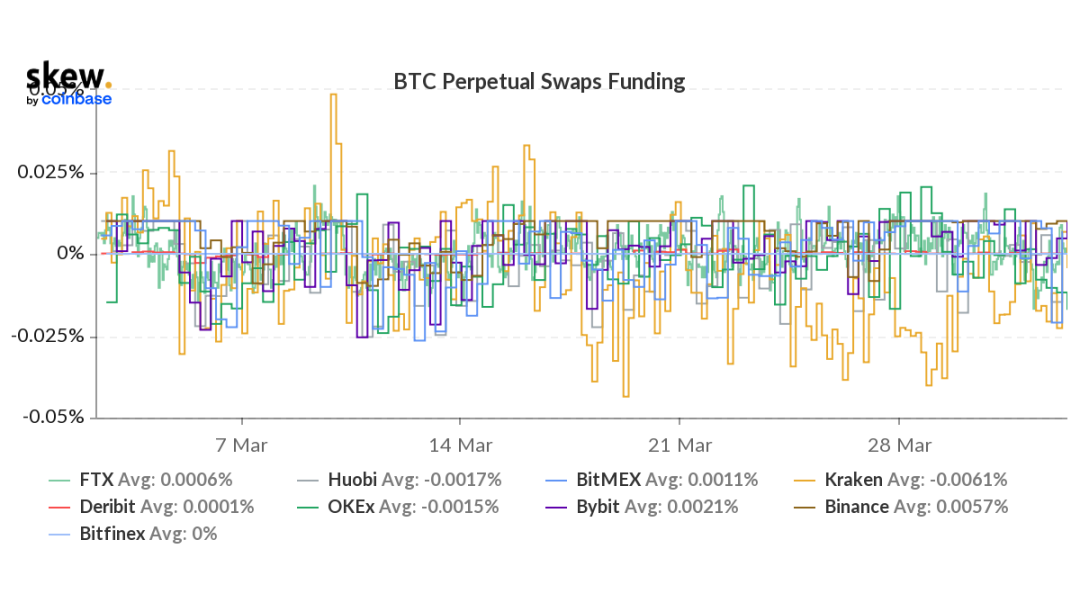
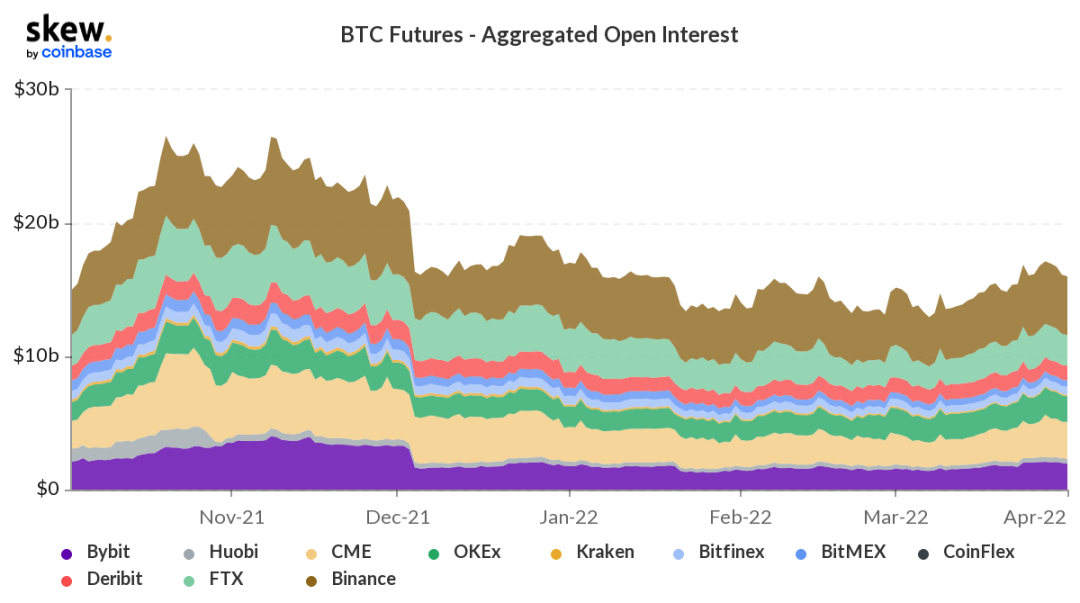
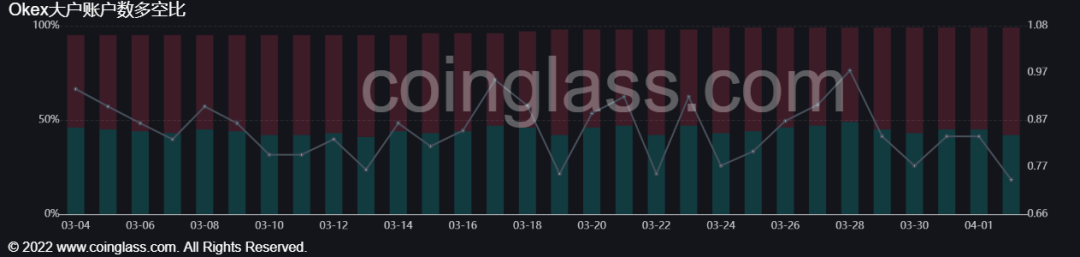
本周期货市场情绪继续偏空。主流交易所的BTC多空比相对健康,永续资金费率为负,未平仓合约量下降。表明期货市场主流投资者依然偏空,但相比上周已有部分人平掉空仓。
市场热点

RUNE

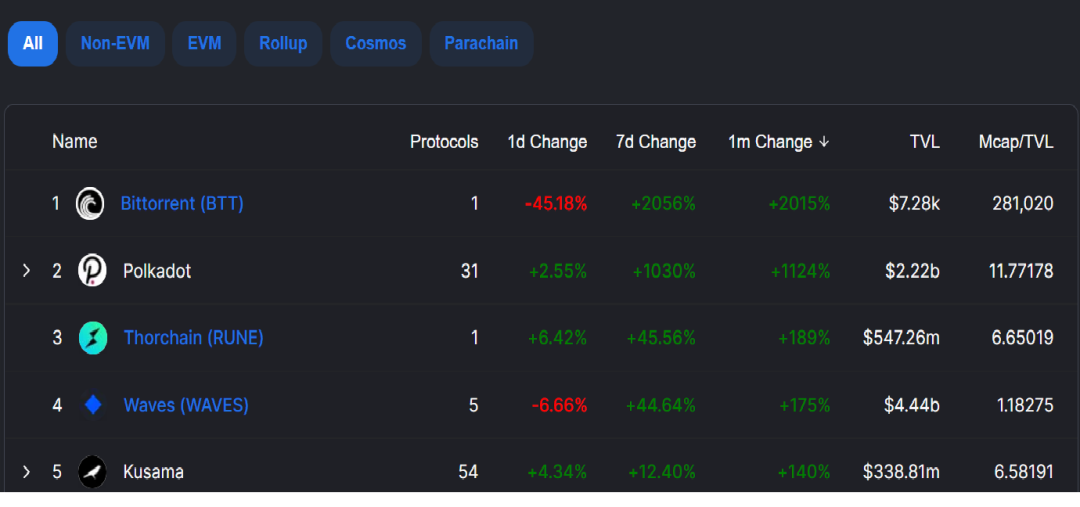
THORChain最初是基于Cosmos-SDK开发的去中心化跨链流动性协议,使用户能够跨链交易原生的、非包装代币的资产。THORChain是目前价值能力捕获最强的defi项目,整体业务可以理解为bancor的二池机制(跨链DEX)+synthetic的debtpool(合成资产+借贷)+luna的UST生产方式(稳定币),整个系统都是THORChain的巨大二池。每1美元非rune代币质押到TVL,就会形成3美元的rune买盘需求。THORChain近期将推出合成资产,借贷,稳定币等众多新业务,带动TVL爆发式增长200%创出新高,预计7月主网上线。
CULT

Cultdao是defi+dao,是一个目标是“帮助那些构建去中心化世界的人”的去中心化组织。据推测其创始人或为shib的ryoshi。Cult代币模型是通缩模式,就是每笔交易的0.4%的手续费都会变成dao的投资基金(每凑够15.5个ETH,其中2.5个ETH回购cult销毁,13个ETH做投资),然后dao拿去风投,赚的钱就50%回购cult销毁,50%分红给质押者。

市场数据

公链总锁仓量情况
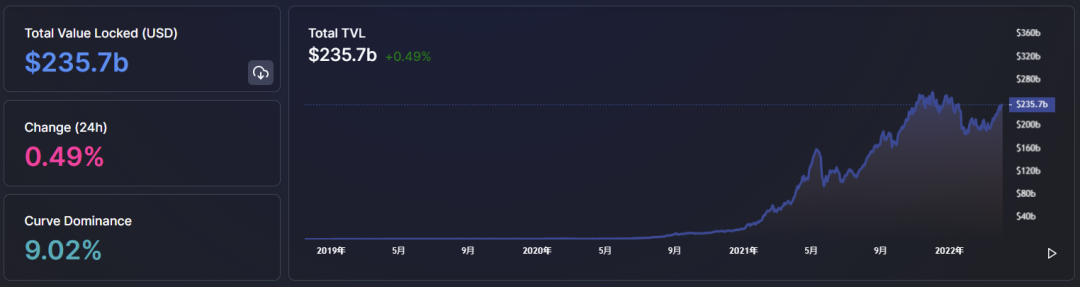
本周TVL出现24.39B的上涨,上涨幅度为11.54%,连续两周已出现超过20%幅度的增长,根据此态势,短期内可能会突破前高。

各公链TVL占比情况
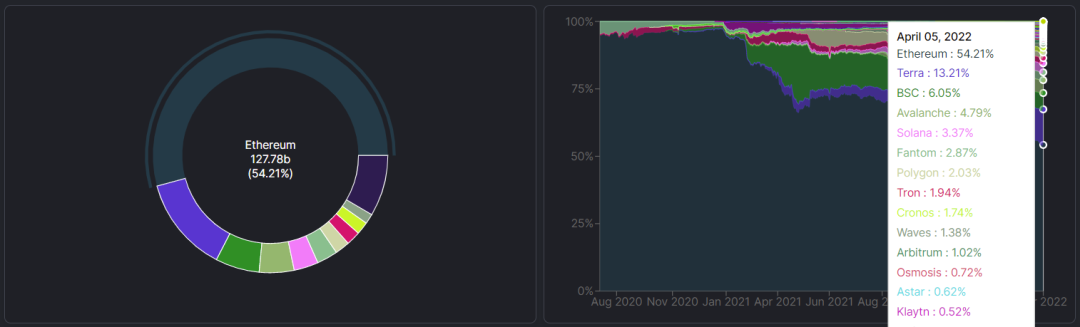
本周ETH链占比继续下降,从上周的54.84%下降至54.21%,占比下降0.63%,Terra继续突破前高,上升0.45%,与此同时本周LUNA币价突破历史,目前已位列市值排名第七位,其余各链变化均较小。

各链协议锁仓量情况

ETH锁仓量情况
BSC锁仓量情况
Solana锁仓量情况
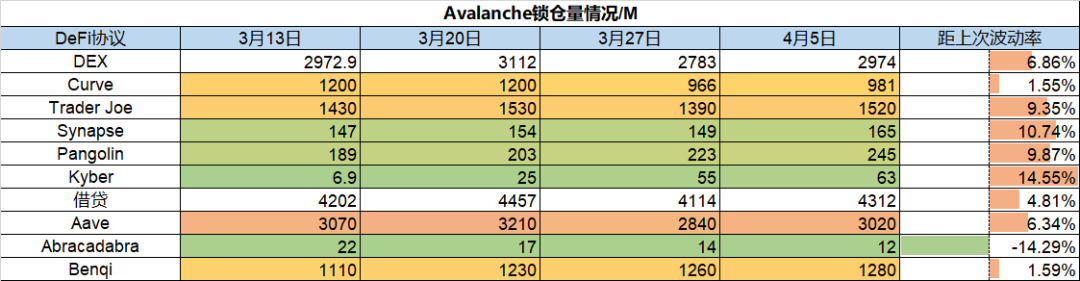
Avalanche锁仓量情况
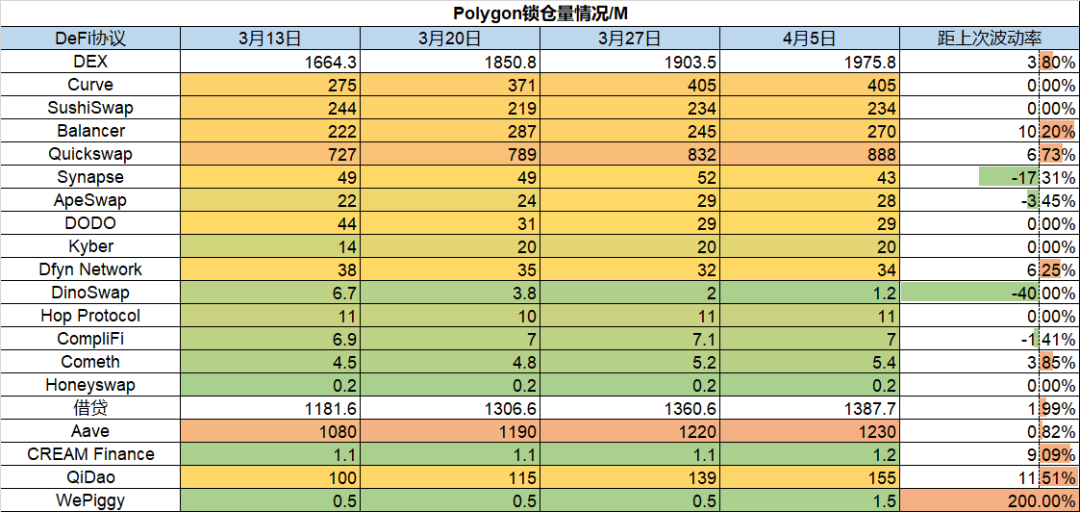
Polygon锁仓量情况
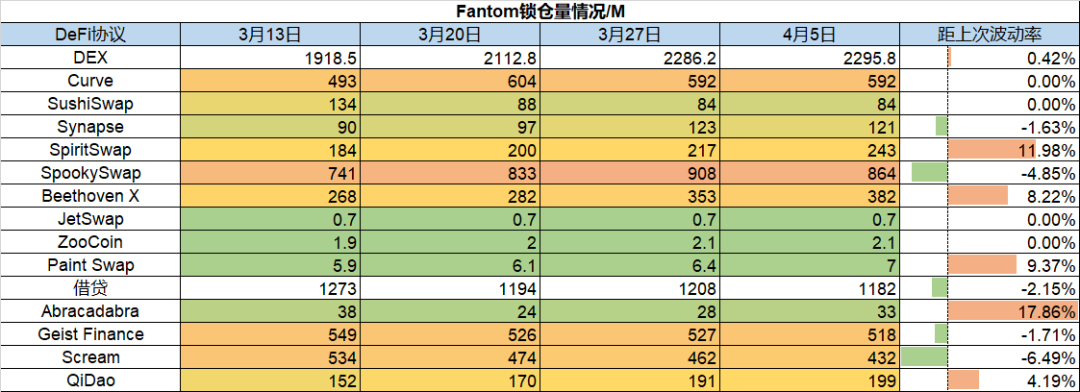
Fantom锁仓量情况
Terra锁仓量情况

本周协议情况总结

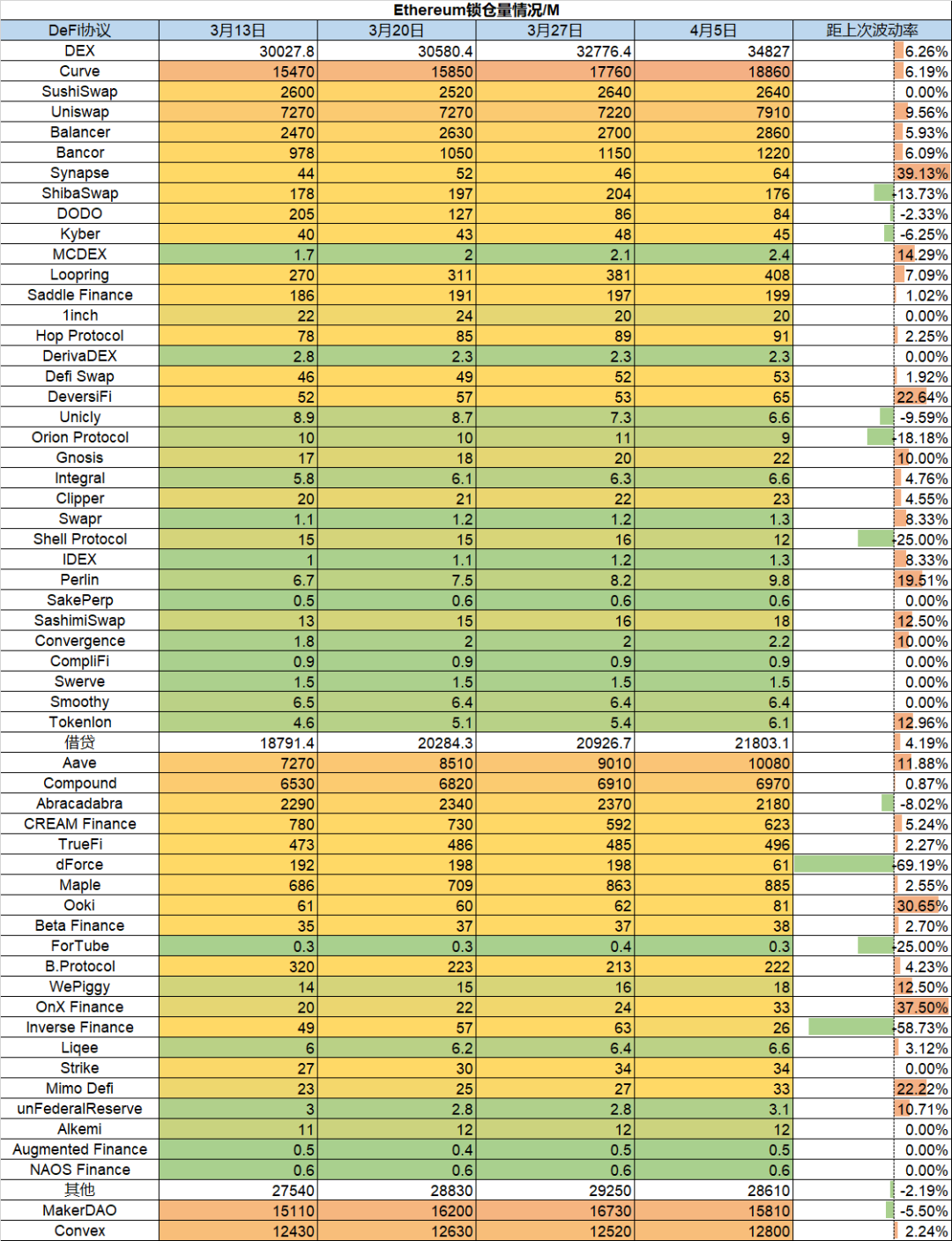
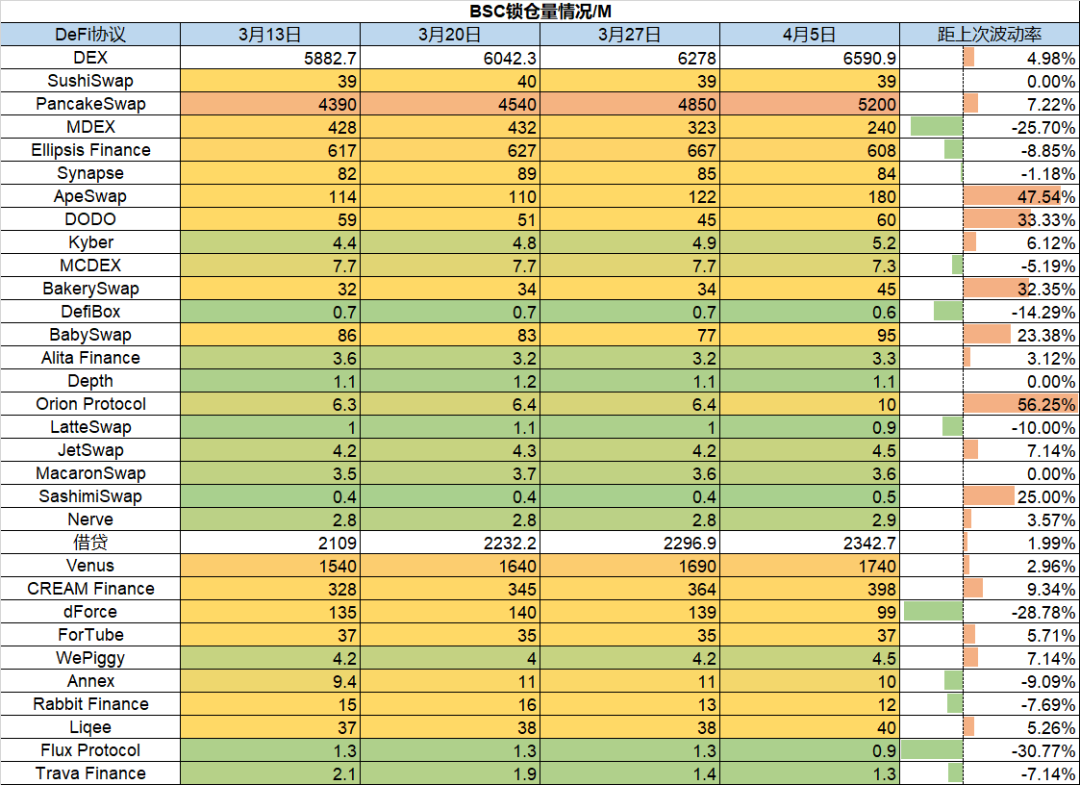
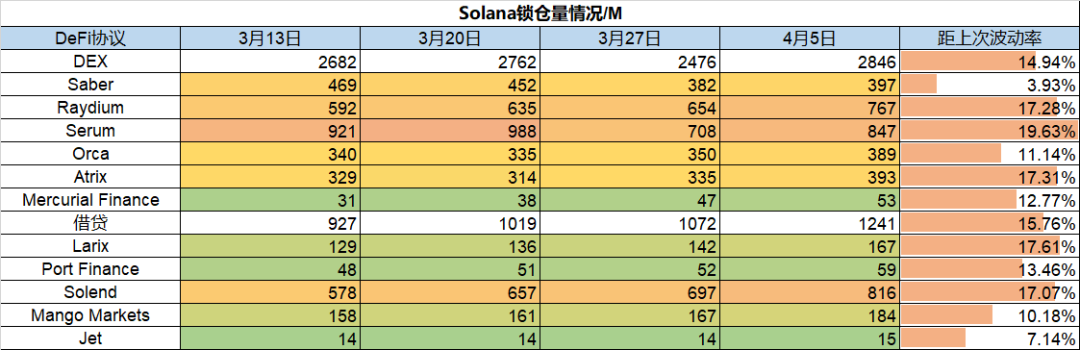
本周整体TVL出现增长,各协议也出现相对增长,其中以Terra链增长最多,Solana紧随其后,其余各链出现较小增长。在协议中,以Astroport增长最多,其为Terra生态的第一个AMM交易所,为Terra生态构建了第一个流动性引导池、提高流动性提供商的资本效率并减少交易滑点。近期可能受到Terra市值的大幅增长影响,促进了TVL增长。

ETHGasfee历史情况
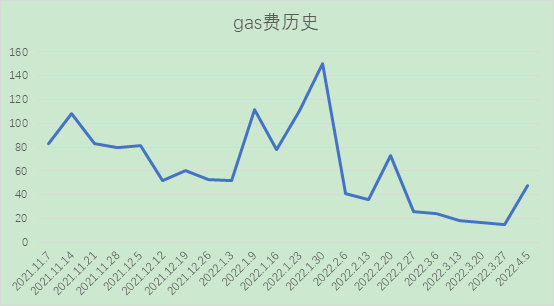
当前链上转账费用约为$9.17,Uniswap交易费用约为$31.25,Opensea的交易费用约为$34.26,行情端的增长促进了Gas的提高,打破了连续一个半月以来持续下跌的趋势。

NFT市场数据变化

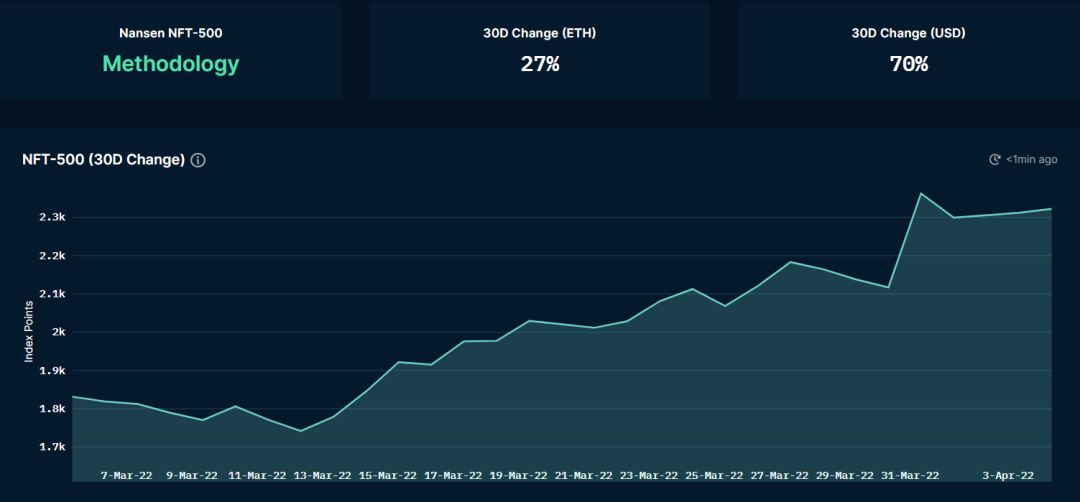
NFT指数市值
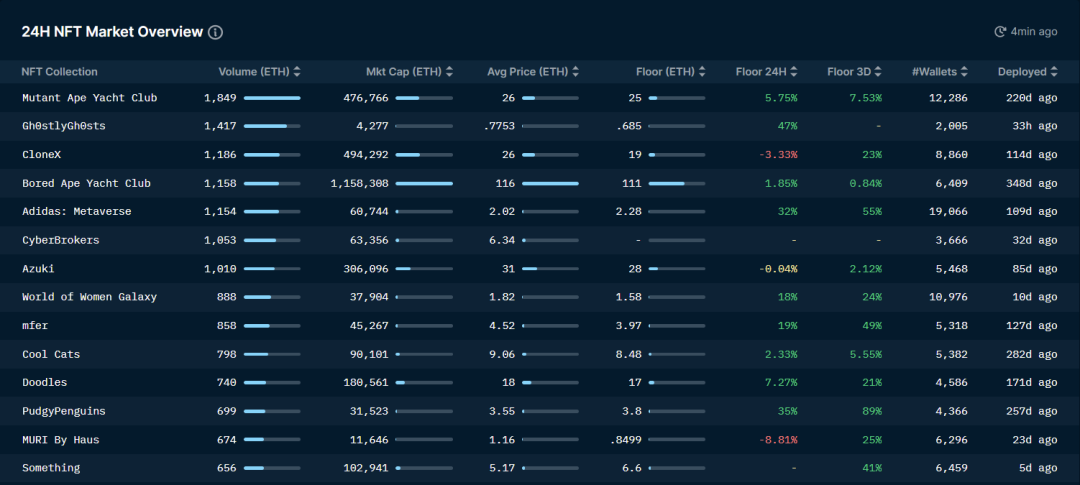
NFT市场交易概览
NFT"聪明的钱"购买排序
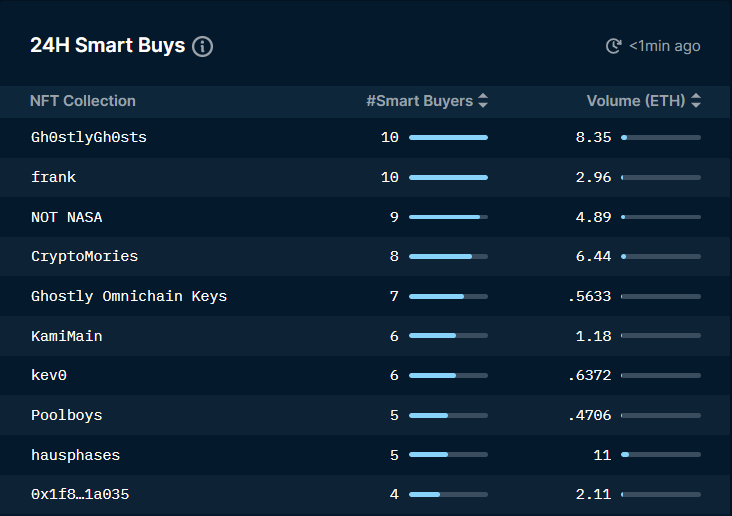
近期NFT整体市值出现较大幅度增长,从交易量和聪明的钱购买来看,Gh0stlyGh0sts系列NFT较为火爆,该系列是LayerZeroLabs发布的第一款全链NFT,与以往NFT不同的是,原本的NFT只能在源链存在,即使通过桥的方式将NFT进行跨链,实际上也只是将真实的NFT锁在合约中,在对应链上产生一个副本或者映射;而该系列可以通过LayerZero协议实现真正的跨链,目前已存在于ETH、BSC、Fantom、Avalanche等共计七条链上。目前其NFT地板价约为0.6ETH。


İlgili Okumalar

Lei Jun Earns 7 Billion in One Day from CXMT's IPO? Xiaomi Executive Responds

On July 28th, Changxin Technology's stock price on the Sci-Tech Innovation Board experienced minor fluctuations. The company had made a historic market debut the previous day, becoming the first A-share stock to record a single-day trading volume exceeding 1 trillion yuan. This led to significant paper gains for its strategic investors. Among them, Xiaomi's wholly-owned subsidiary was allocated 18.24 million shares with an initial investment of approximately 158 million yuan. Reports estimated a paper profit of 717 million yuan for Xiaomi founder Lei Jun based on his shareholding structure. However, a Xiaomi executive clarified that this was a corporate investment and should not be conflated with personal wealth. Other major beneficiaries included Alibaba and Nio. Alibaba, an early investor, held nearly a 5% stake through two entities, with an estimated paper gain exceeding 160 billion yuan. Nio, participating in the strategic placement, also saw substantial paper returns. Additionally, state-owned banks and insurance institutions that invested in Changxin recorded potential gains in the hundreds of billions. Conversely, companies like Country Garden reportedly missed out on nearly 50 billion yuan in potential gains after divesting their stakes before the IPO due to liquidity pressures. The article notes that these are paper profits based on the listing price, as the allocated shares are subject to lock-up periods, and final realized gains will depend on future stock performance. An employee from Changxin Technology commented that ordinary staff remain focused on their salaries and benefits rather than the market hype.

marsbit1 dk önce

Lei Jun Earns 7 Billion in One Day from CXMT's IPO? Xiaomi Executive Responds

marsbit1 dk önce

Selling Tokens or Selling Outcomes: Several Paradoxes of the AI Business Model

"The Token vs. Outcome Sale: Key Paradoxes in the AI Business Model By mid-2026, the AI industry shows rapid growth in revenue and token usage, yet the underlying business models differ significantly. This article analyzes four structural paradoxes defining the current landscape, all pointing to the commoditization of intelligence and the concentration of profits in few segments. **The Cost Paradox: Cheaper Tokens, Heavier Bills** Despite a >95% price drop for equivalent AI capability since 2023, total spending has skyrocketed due to the Jevons Paradox: lower prices expand usage into previously uneconomical tasks. Furthermore, the shift to autonomous agents operating 24/7 multiplies consumption. However, efficiency gains often remain unrealized due to unchanged organizational workflows (the Solow Paradox). The focus is shifting from optimizing token price to optimizing the task itself. **The Hierarchy Paradox: The App is King vs. The App is Dead** While conventional wisdom holds that value accrues at the application layer, the AI stack is inverted. Infrastructure (chips) captures ~70% of industry revenue and ~80% of gross profit, while application-layer margins are thin (0-30%). Fast-evolving base models threaten "thin" apps. Sustainable applications are those that embed intelligence into specific contexts, possessing private data, workflows, or delivery capabilities that become more valuable as the base model improves. **The Responsibility Paradox: Profit Follows Accountability** Growth rates alone don't guarantee profit. A key differentiator is a company's willingness and ability to take responsibility for specific outcomes. Selling by the token competes for IT budgets; selling by the outcome (e.g., a resolved support ticket) taps into larger human labor budgets. Low-responsibility, high-volume tasks (e.g., generic客服) face commoditization. High-stakes, regulated domains (e.g., law, healthcare) where vendors assume heavier liability for results command higher margins, as seen with companies like Harvey in legal tech. **The Open-Source Paradox: Open Wins Traffic, Closed Wins Revenue** Open-source models dominate in usage share and developer adoption, often being 5-20x cheaper. However, closed-source models still capture the majority of enterprise spending (~89%). Enterprises pay a premium for closed-source reliability, support, compliance, and accountability. The total cost of ownership (TCO) is converging as closed-source prices fall faster than open-source builds trust, leading to hybrid deployments. Profit is migrating from the model layer itself to upstream (compute) and downstream (orchestration, data, services)."

marsbit2 dk önce

Selling Tokens or Selling Outcomes: Several Paradoxes of the AI Business Model

marsbit2 dk önce

Ethereum's 2030 Blueprint: 200x Speed Increase, Quantum-Resistance, and Native Privacy

Ethereum's 2030 Roadmap: 200x Speed, Quantum-Resistant, Native Privacy Ethereum, now in its 11th year, is guided by the "Lean Ethereum" vision, a unified development blueprint aiming to streamline the network. This plan, outlined in the evolving "Strawmap" document, targets five core goals for 2030. **1. Fast L1:** Ethereum aims for near-instant finality and faster block times. By using Zero-Knowledge (ZK) proofs to aggregate validator votes, final confirmation could drop from ~15 minutes to seconds. Block times are slated to decrease from 12 seconds to 6 seconds (2027-28) and eventually 4 seconds (2029-30). The minimum staking requirement may also lower to 1 ETH, enhancing decentralization. **2. 1 Billion Gas L1:** To break the scalability-decentralization trade-off, L1 ZK-EVM will replace redundant transaction execution with ZK proofs. This allows nodes (even on phones) to verify blocks without re-running computations, paving the way to increase L1 throughput ~200x to 1 billion gas per second. **3. Trillion-Gas L2:** Ethereum will become a high-capacity settlement layer for Layer 2 networks (L2s). Planned upgrades, like PeerDAS and subsequent optimizations, target 1 GB per second of data bandwidth for L2s (Blobs), enabling a massive ecosystem of high-throughput rollups for specialized use cases. **4. Quantum-Resistant L1:** To counter future quantum computing threats, Ethereum plans to migrate its cryptographic signatures (ECDSA, BLS) to quantum-resistant, hash-based schemes. This multi-upgrade transition is targeted for completion by 2029, securing the network in the post-quantum era. **5. Privacy-Native L1:** For the first time, native transaction privacy is an official goal. Using ZK proofs, transactions could hide sender, receiver, and amount while proving compliance with rules. This infrastructure is tentatively planned, though details remain fluid and subject to regulatory landscapes. Driven by a broader ecosystem beyond the core Foundation, this ambitious roadmap seeks to make Ethereum faster, more scalable, quantum-secure, and private, while preserving its core tenets of neutrality and trustlessness. All plans remain subject to ongoing research, audits, and community consensus.

marsbit16 dk önce

Ethereum's 2030 Blueprint: 200x Speed Increase, Quantum-Resistance, and Native Privacy

marsbit16 dk önce

İşlemler

Spot
活动图片