除了OpenSea,上榜《时代》百大影响力企业的还有哪些元宇宙公司?

区块律动2022-03-31 tarihinde yayınlandı2022-03-31 tarihinde güncellendi

Özet

《时代》眼中的元宇宙翘楚是怎么样的?

今年《时代》杂志的 100 大最具影响力企业榜单已经出炉,律动 BlockBeats 整理翻译了其中和加密、元宇宙相关的公司以及《时代》给出的评语:
OpenSea:给 NFT 加把火
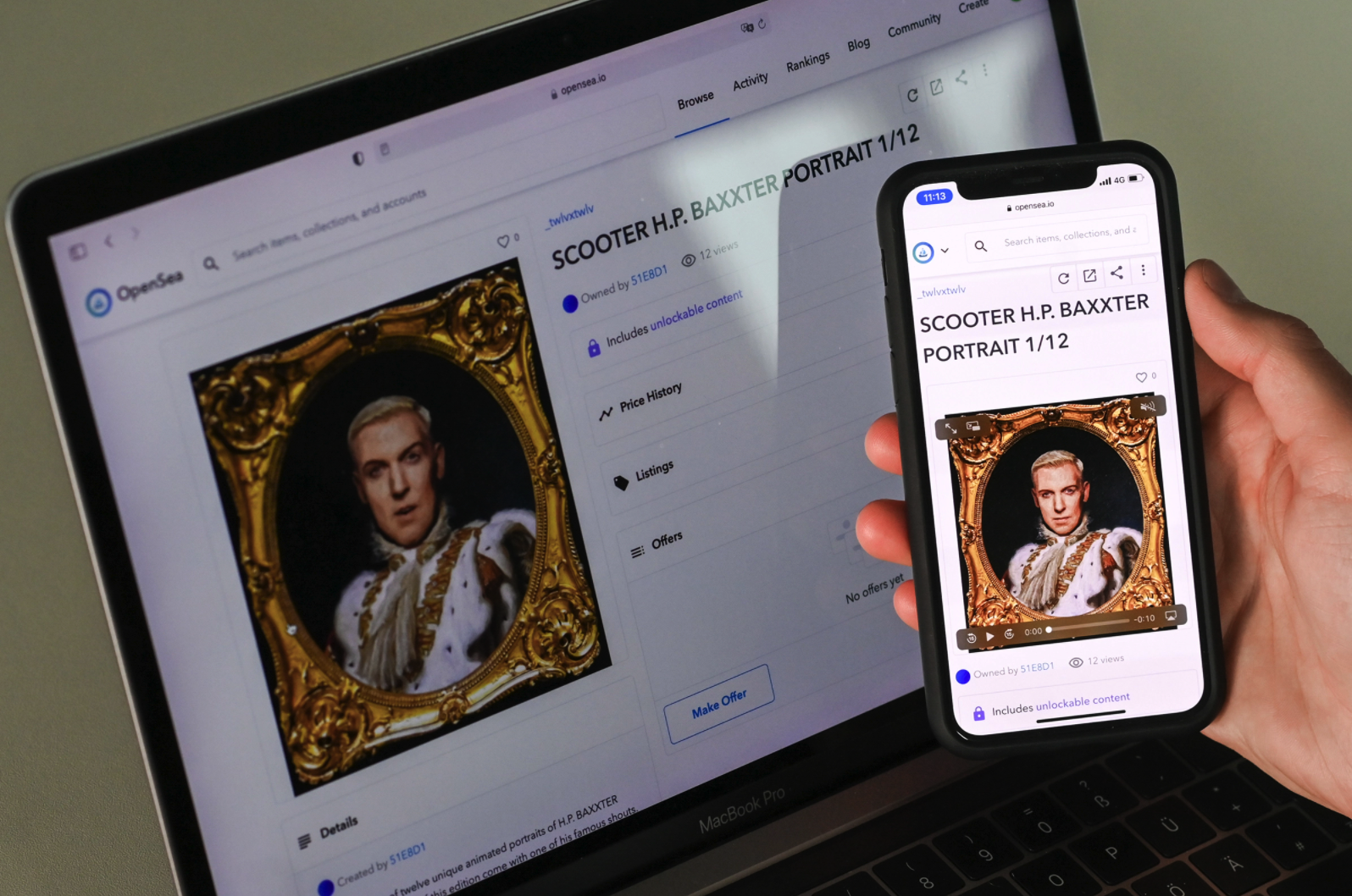
一件以 Scooter 主唱 H.P. Baxxter 为特色的数字艺术品在 OpenSea 上拍卖
OpenSea 2021 年的交易额超过 140 亿美元,是前一年总额的 646 倍。OpenSea 已经巩固了它全球最受欢迎的 NFT 市场地位,NFT 这种基于区块链的技术让对数字艺术、数据等的所有权主张成为可能。
OpenSea 首席执行官兼联合创始人 Devin Finzer 说:「除了艺术和创意工作,NFT 的用例正在扩展到票务、游戏、音乐和时尚。可能有一天,我们拥有的几乎所有东西都会在区块链上得到证明。」
OpenSea 现在有 100 多万用户,但它的迅速崛起并非完全顺利,例如它还在与平台上盗版侵权的行为作斗争。
苏富比:拍卖数字珍宝

Creation of My Metaverse (Between this World and the Next) by Serwah Attafuah,2021 年 6 月 4 日上拍苏富比
这家拥有 278 年历史的拍卖行在 2021 年卖出了价值 73 亿美元的艺术品,这要部分归功于它愿意投身于炙手可热的 NFT 业务。
苏富比的大部分销售仍然涉及更熟知的艺术形式,如波提切利或班克西的作品,但去年苏富比拍卖会上售出了 1 亿美元的 NFT,从「无聊猿」到万维网源代码。
虽然佳士得和其他拍卖行也对这种新技术表现出兴趣,但苏富比是第一家在元宇宙开设虚拟画廊的大拍卖行,这帮助它在一场颠覆几个世纪以来竞标和销售规范的技术革命发生时脱颖而出。
The Sandbox:数字圈地运动
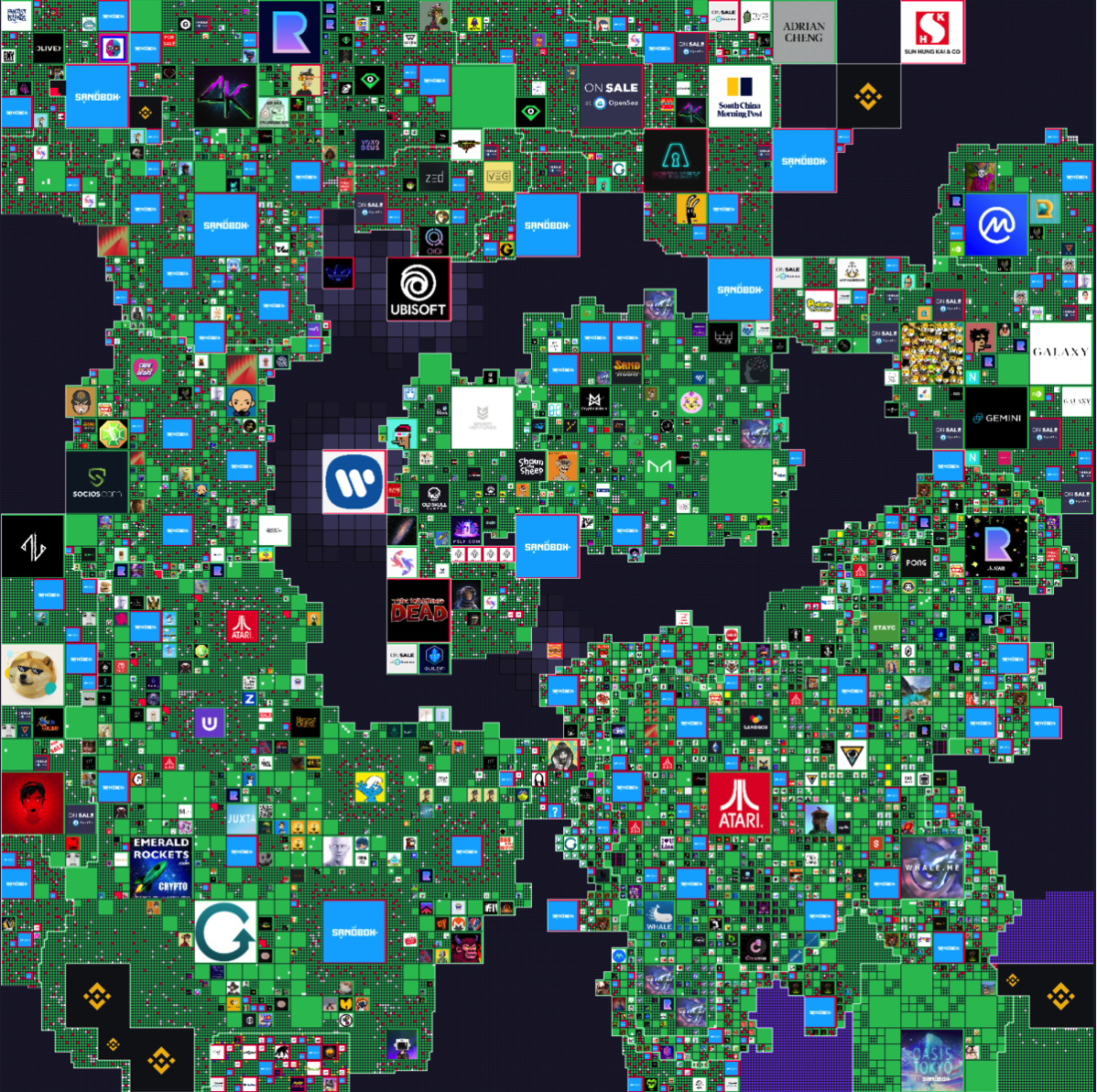
2022 年 2 月的 The Sandbox 地图
房地产几乎总是一种热门投资——在 The Sandbox 这个基于区块链的虚拟世界中似乎依旧如此。
The Sandbox 已经售出了至少 20 亿美元的数字「土地」。在 The Sandbox 的 210 万用户中,有 19,000 名(同比增长 375%)「拥有这个新世界的一部分,并正在为建设它做出贡献,」The Snadbox 联合创始人 Sebastien Borget 表示。
大品牌和名人也在参与其中:2 月,Gucci 以未披露金额购买了 The Sandbox 的土地,以建立互动购物体验,而 Snoop Dogg 则以大约 475 美元一个的价格售出了数千个可玩的 Avatar。
Meta:让元宇宙成为主流
2021 年 10 月 28 日,美国纽约举行的虚拟 Facebook Connect 活动上,Facebook 公司首席执行官马克 · 扎克伯格身着击剑服装
在去年 10 月的一次主题演讲中,当时的 Facebook 首席执行官马克 · 扎克伯格以一个卡通 Avatar 形象现身,并宣布了两项重大消息:Facebook 将更名为 Meta,并将自此专注于构建「元宇宙」。元宇宙是一个虚拟领域,信徒们说它是互联网的未来。
这一举动立即让元宇宙这一概念成为主流,迫使微软和谷歌等竞争对手同样大肆宣传类似的努力,也引发了对形形色色元宇宙相关公司的投资狂潮。但此后投资者对这一想法的降温,加之苹果的 Ad Targeting 禁令,现在 Meta 的市值几乎是去年 6 月万亿美元市值的半数。
除此之外,公众对吹哨人 Frances Haugen 的披露仍然感到担忧——他说该公司对 Facebook 伤害用户心理健康和全球民主的了解远比之前透露的要多。
Rec Room:虚拟游乐场
随着几乎所有技术主管都突然谈论元宇宙,Rec Room 被推到了风口浪尖。
3700 万名玩家用该公司的社交虚拟现实应用,创建和分享大量的游戏和其他数字体验,Rec Room 已成为元宇宙中最大、最多样化和最早的成功案例之一。
首席执行官兼联合创始人尼克-法伊特说:「这个平台已经成为人们可以聚在一起形成有意义的联系、建立社区和分享创造力的地方。」
Together Labs:元宇宙货币
Together Lab 的 VCOIN
社交平台 IMVU 一直是元宇宙游戏中的大玩家,有 700 万月活量。去年,IMVU 母公司 Together Labs 更进一步推出了 VCOIN,这是一种基于区块链的加密货币,用户可以在 IMVU 内消费或兑换成法币。Together Labs 首席执行官 Daren Tsui 表示,VCOIN 是唯一一个美国证券交易委员会发出无异议函(No-action Letter)的活跃使用加密货币,为其他元宇宙建立自己未来的加密货币奠定了「基石」。
Rendever:VR 的新用途
Rendever 的虚拟现实平台通过 VR 和直播节目,让社区老年居民能够再次享受生活
过去的两年里,老年人遭受了两种流行病的折磨:一种是新冠病毒,另一种是由旨在减少病毒传播的社会隔离。
Rendever 为后者提供了一种高科技解决方案:通过虚拟现实,Rendever 为老年人创造了共享体验,以对抗孤独(与痴呆和中风等健康风险息息相关)和改善身体健康。
Rendever 的技术已在美国、加拿大和澳大利亚的 400 多家疗养院中使用,联合创始人兼首席执行官凯尔·兰德 (Kyle Rand) 表示该技术正在「让全球参与者生活得更美好」。

İlgili Okumalar

From Sand to Chips: Hefei's Semiconductor Alchemy

From Sand to Chips: Hefei's Semiconductor "Alchemy" On July 27, 2026, a memory chip maker from Hefei made history by surpassing the market capitalization of Industrial and Commercial Bank of China on its Shanghai Stock Exchange debut. This marks the culmination of Hefei's two-decade industrial transformation, often summarized in three strategic leaps: "Screen, Chip, Vehicle." The journey began in 2008 with a bold investment in BOE, establishing China's first 6th-generation LCD panel line. The second leap was the "Project 506" in 2016, which gave birth to ChangXin Memory Technologies (CXMT). With initial backing of 14.4 billion RMB from Hefei's state-owned investment platform, CXMT aimed to break into the global DRAM market, then over 95% controlled by three overseas giants. CXMT achieved a breakthrough in 2019 by producing China's first 8GB DDR4 DRAM chip, employing "generational leapfrog" R&D to catch up. After years of significant losses, the company turned profitable in 2025. A dramatic surge followed in 2026, driven by AI-driven demand and full capacity utilization, propelling CXMT to become the world's fourth-largest DRAM manufacturer. CXMT's success is not isolated. It anchors a dense, localized semiconductor ecosystem in Hefei. Within its vicinity are numerous supporting companies for equipment, materials, and packaging & testing. This cluster has fueled the regional economy, with Hefei's integrated circuit industry output growing over sevenfold between 2016 and 2025. The ripple effects extend beyond high-tech, revitalizing local communities with new businesses and services catering to the influx of workers. For individuals, Hefei offers competitive tech salaries at a significantly lower cost of living compared to major coastal cities, along with improved amenities and shorter commutes. Hefei's story demonstrates two decades of focused, long-term industrial policy, transforming the city from a provincial capital into a trillion-RMB GDP "Double Ten-Thousand" city (10 million people, 1 trillion RMB GDP). It shows how persistence in strategic sectors—turning sand into chips—can redefine a city's economic destiny.

marsbit12 dk önce

From Sand to Chips: Hefei's Semiconductor Alchemy

marsbit12 dk önce

Some Go Bankrupt, Others Go Shopping: The Counter-Cyclical Acquisition Logic of MoonPay, Circle, and Kraken

During a period of market stress where multiple crypto firms filed for bankruptcy or shut down, three major companies—MoonPay, Circle, and Kraken—pursued strategic acquisitions to strengthen their positions. Their divergent strategies reflect differing dependencies on key unresolved industry questions: which trading platforms, public blockchains, and stablecoins will ultimately dominate. MoonPay, operating at the fiat-crypto gateway, acquired Glide to expand its capabilities in token swaps, cross-chain operations, and financial reconciliation. Its business model is not tied to any single blockchain or stablecoin, allowing it to profit from user activity across various platforms. Circle, facing competitive pressure from the new Open Dollar Standard (OUSD) which could erode its core revenue from USDC reserve interest, acquired nearly a thousand patents from IBM. This move aims to build a competitive moat around USDC by enhancing its enterprise infrastructure, banking integrations, and compliance tools, shifting competition beyond mere interest yields. Kraken acquired Magic Labs' wallet-as-a-service business to deepen its integrated trading platform. The goal is to create a seamless "universal account" where users can trade crypto, stocks, and tokenized assets without leaving Kraken's ecosystem, while also bolstering its own layer-2 blockchain, Ink. These acquisitions highlight a trend where leading firms are consolidating core infrastructure not just for immediate profits, but to secure their futures amid ongoing industry consolidation and uncertainty. The competitive battleground is shifting from basic infrastructure access to superior product integration and ecosystem scale.

marsbit17 dk önce

Some Go Bankrupt, Others Go Shopping: The Counter-Cyclical Acquisition Logic of MoonPay, Circle, and Kraken

marsbit17 dk önce

The Permanent Underclass: No One Can Answer That 17-Year-Old Child

The article "The Permanent Underclass: No One Has an Answer for That 17-Year-Old" explores the concept of a "permanent underclass" emerging in a future where AI can perform most cognitive and physical labor. This theory, gaining traction in tech circles, suggests that as AI reduces the need for human workers, wages lose importance, and wealth increasingly flows to those who own AI models, compute, and data. The core issue is not temporary poverty but the potential breakdown of the traditional ladder of upward mobility—through labor, bargaining, and asset accumulation—making "underclass" a permanent status. The piece highlights a poignant question posed by researcher Jasmine Sun to AI lab personnel: What advice would you give a typical 17-year-old facing this future? Most had no answer, acknowledging the frightening transition ahead. However, while struggling to advise others, many in the AI field are securing their own positions, shifting from research or policy into labs to gain equity and stand on the "capital" side. This creates a vicious cycle: the more people believe labor's bargaining power is vanishing, the fewer work to rebuild it, accelerating its decline. Common personal survival strategies—learning AI skills, acquiring AI company equity, or pivoting to hands-on, in-person work—are analyzed. The author argues these are largely stopgaps, accessible mainly to the privileged, and may collectively undermine labor's overall position. The fundamental question shifts from "how not to fall behind" to "why must one's survival depend on being needed by capital?" The article concludes that the real solution is not individual adaptation but building a new societal "negotiating table"—new laws, forms of collective bargaining, or redistribution mechanisms (like taxes or public funds) to ensure the wealth AI creates is shared, especially with those displaced. It contrasts tentative institutional responses in China with a potential regulatory vacuum in the US, warning that without such frameworks being established before public frustration boils over, social unrest could follow. The 17-year-old’s dilemma underscores a systemic failure: the architects of this future are buying personal insurance but offering no collective answers.

marsbit26 dk önce

The Permanent Underclass: No One Can Answer That 17-Year-Old Child

marsbit26 dk önce

İşlemler

Spot
活动图片