


- 最新价格0.07
- 历史最高0
- 交易额(24h)1.99M
- 历史最低0
Imparato da 1.0k utenti|Pubblicato 2025.07.15|Pubblicato ultima volta 2026.06.02
0.07
-1.05%注意:项目简介来自于官方项目团队所发布或提供的信息资料,可能存在过时、错误或遗漏,相关内容仅供参考且不构成投资建议,HTX不会承担任何依赖这些信息而产生的直接或间接损失。
I. Introduzione al Progetto Plasma è la blockchain di livello 1 che costruisce l'infrastruttura per stablecoin di un nuovo sistema finanziario globale. È progettata appositamente per i pagamenti globali in stablecoin, offrendo trasferimenti USD₮ senza commissioni e token gas personalizzati per aiutare a realizzare la promessa delle stablecoin di accesso senza permessi ai servizi finanziari per tutti, ovunque. La copertura globale dei pagamenti di Plasma e la suite di prodotti in entrata la posizionano come la catena nativa per i pagamenti in stablecoin. II. Informazioni sul Token 1) Informazioni di Base Nome del token: Plasma(XPL) III. Link Correlati Sito Web:https://www.plasma.to/ Esploratori: https://plasmascan.to/ Social: https://twitter.com/PlasmaFDN Nota: L'introduzione al progetto proviene dai materiali pubblicati o forniti dal team ufficiale del progetto, che sono solo a scopo di riferimento e non costituiscono consulenza per gli investimenti. HTX non si assume responsabilità per eventuali perdite dirette o indirette risultanti.


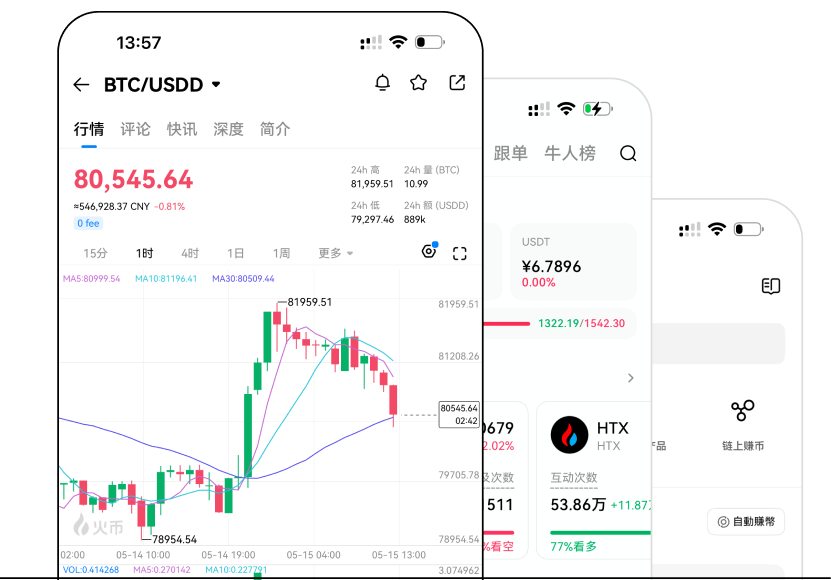
Scarica l'app HTX per eseguire bot di grid trading in qualsiasi momento e ovunque, e cogli le opportunità di mercato
Plasma: Una Soluzione All'Avanguardia per la Scalabilità della Blockchain Introduzione a Plasma Man mano che il panorama delle criptovalute evolve, cresce anche la necessità di una maggiore efficienza all'interno delle reti blockchain. Plasma, una soluzione di scalabilità di secondo livello, emerge come un attore pionieristico in questo ambito, in particolare nel campo dello sviluppo Web3. Spostando strategicamente una parte sostanziale dei compiti dalla catena principale a una serie di catene più piccole, Plasma promette di aumentare significativamente la scalabilità e le prestazioni di Ethereum—una piattaforma blockchain ampiamente utilizzata, all'avanguardia delle applicazioni decentralizzate. Cos'è Plasma? Plasma è una soluzione innovativa di scalabilità off-chain progettata appositamente per la blockchain di Ethereum. È stata introdotta nell'agosto 2017 da Vitalik Buterin, co-fondatore di Ethereum, e Joseph Poon, un noto sostenitore di soluzioni di scalabilità come il Lightning Network. Plasma funge da struttura che consente la creazione di applicazioni scalabili stabilendo una struttura gerarchica di catene secondarie sopra la catena principale di Ethereum. Alla base, Plasma consente lo sviluppo di catene laterali potenzialmente infinite che possono operare in modo indipendente, continuando a fare affidamento sulla rete Ethereum per la sicurezza e il consenso. Questa architettura è sostenuta da smart contract e Merkle Trees, che gestiscono in modo efficiente le transazioni e l'archiviazione dei dati. Obiettivi Fondamentali di Plasma L'obiettivo principale di Plasma è aumentare il throughput della rete Ethereum. Deviano un volume sostanziale di transazioni dalla congesta catena principale, l'architettura di Plasma offre velocità di transazione superiori, un'elaborazione dei dati più efficiente e costi di transazione più bassi. Ciò è particolarmente vitale in un'epoca in cui la domanda di applicazioni decentralizzate—specie nei settori della finanza, dei giochi e della gestione della catena di approvvigionamento—raggiunge livelli senza precedenti. Creatore di Plasma Plasma è frutto dell'ingegno di due figure rinomate nella comunità blockchain: Vitalik Buterin e Joseph Poon. Buterin è celebrato principalmente per la co-fondazione di Ethereum e per aver spinto i confini di ciò che la tecnologia blockchain può raggiungere. Poon, d'altra parte, è conosciuto per aver sostenuto soluzioni scalabili, che consentono transazioni più rapide e più economiche nelle reti blockchain. La loro collaborazione sul framework di Plasma ha notevolmente contribuito alla sua natura innovativa, combinando approfondimenti tecnici avanzati con applicazioni pratiche. Investitori di Plasma Sebbene le specifiche fondazioni o organizzazioni di investimento che supportano Plasma rimangano riservate, il progetto ha attirato l'interesse di varie figure e attori prominenti nel settore blockchain e delle criptovalute. Con il suo potenziale per migliorare la scalabilità all'interno di Ethereum, ha catturato l'attenzione di vari enti che mirano a spingere i confini della tecnologia blockchain. Come Funziona Plasma? La funzionalità unica di Plasma è attribuita al suo framework architettonico che si basa su catene secondarie e sulla loro interazione con la rete principale di Ethereum. Di seguito sono riportati alcuni fattori chiave che contribuiscono all'approccio innovativo di Plasma: Catene Secondarie: Plasma stabilisce numerose catene secondarie che possono eseguire transazioni indipendentemente dalla catena principale di Ethereum. Ogni catena secondaria opera come un contratto intelligente separato con caratteristiche uniche, consentendo agli sviluppatori di creare soluzioni personalizzate in base alle loro specifiche esigenze. Smart Contracts e Merkle Trees: Il framework utilizza smart contracts, che sono accordi auto-esecutivi con condizioni predefinite, abbinati a Merkle Trees che consentono una verifica efficiente dei dati. Questa tecnologia consente a Plasma di raggiungere sia un'elevata scalabilità che sicurezza. Compressione delle Transazioni: Raggruppando le transazioni sulle catene secondarie, Plasma riduce il carico di dati sulla rete Ethereum. Questo significa che è necessario registrare meno transazioni sulla catena principale—liberando così spazio e riducendo la congestione. Sicurezza Migliorata: Sebbene sia off-chain, Plasma sfrutta le misure di sicurezza della rete principale di Ethereum, assicurando che tutte le transazioni sulle catene secondarie mantengano un elevato livello di integrità e sicurezza. Cronologia di Plasma Comprendere lo sviluppo di Plasma implica tracciare i suoi traguardi significativi: Agosto 2017: Plasma è stato presentato per la prima volta da Vitalik Buterin e Joseph Poon come una soluzione scalabile per affrontare le sfide delle prestazioni di Ethereum. 2018: Il framework Plasma è stato ufficialmente sviluppato e reso disponibile su GitHub, segnando un passo cruciale verso la sua implementazione in applicazioni pratiche. 2019: Con l'aumento della consapevolezza su Plasma, ha iniziato ad attrarre sviluppatori interessati a scalare le applicazioni Ethereum, aumentando così la sua adozione. 2020: Plasma ha continuato a evolversi, con sostanziali miglioramenti apportati alla sua architettura e funzionalità—rendendolo ancora più allettante per gli sviluppatori. Caratteristiche Chiave di Plasma Plasma vanta diverse caratteristiche che lo rendono una soluzione trasformativa nel settore blockchain: Scalabilità: Creando più catene secondarie, Plasma può gestire un volume maggiore di transazioni senza ulteriori oneri sulla catena principale di Ethereum. Velocità: Ogni catena secondaria può elaborare le transazioni più rapidamente, fornendo agli utenti una migliore esperienza e servizio. Costi di Transazione Inferiori: La struttura di Plasma riduce efficacemente i costi associati alle transazioni minimizzando l'onere sulla catena principale. Interoperabilità: L'architettura consente a Plasma di interagire senza soluzione di continuità con più blockchain, migliorando la funzionalità tra le reti. Sicurezza: Sfruttando la sicurezza della catena principale di Ethereum, Plasma garantisce l'integrità delle proprie operazioni mentre utilizza le proprie catene secondarie. Casi d'Uso di Plasma L'innovativa architettura di Plasma apre la strada a varie applicazioni pratiche in diversi settori: Finanza Decentralizzata (DeFi): Plasma ha la capacità di migliorare la scalabilità e l'efficienza delle applicazioni DeFi, creando processi di trading più fluidi ed efficaci. Gaming: Il framework facilita lo sviluppo di esperienze di gioco rapide ed economiche, rendendolo attraente per gli sviluppatori dell'industria dei giochi. Gestione della Catena di Approvvigionamento: Con la capacità di archiviare elaborazioni di transazioni efficienti, Plasma può favorire lo sviluppo di soluzioni decentralizzate per la gestione della catena di approvvigionamento. Conclusione Plasma si trova all'avanguardia della tecnologia blockchain, posizionandosi come una soluzione di scalabilità di secondo livello fondamentale mirata a migliorare l'efficienza della rete Ethereum e oltre. Attraverso la sua struttura unica di catene secondarie, smart contracts e Merkle Trees, Plasma offre una soluzione convincente alla crisi di scalabilità che da tempo affligge le reti blockchain. Man mano che la tecnologia blockchain continua a progredire, soluzioni come Plasma promettono di rimodellare il modo in cui gli sviluppatori affrontano le sfide di scalabilità, potenzialmente rivoluzionando il funzionamento delle applicazioni decentralizzate. Gli sforzi continui dei suoi creatori e l'interesse di vari stakeholder segnalano un futuro luminoso per Plasma mentre cerca di elevare le capacità della blockchain a nuove vette nel regno digitale.
246 Totale visualizzazioniPubblicato il 2024.12.03Aggiornato il 2024.12.03

Benvenuto in HTX.com! Abbiamo reso l'acquisto di Plasma (XPL) semplice e conveniente. Segui la nostra guida passo passo per intraprendere il tuo viaggio nel mondo delle criptovalute.Step 1: Crea il tuo Account HTXUsa la tua email o numero di telefono per registrarti il tuo account gratuito su HTX. Vivi un'esperienza facile e sblocca tutte le funzionalità,Crea il mio accountStep 2: Vai in Acquista crypto e seleziona il tuo metodo di pagamentoCarta di credito/debito: utilizza la tua Visa o Mastercard per acquistare immediatamente PlasmaXPL.Bilancio: Usa i fondi dal bilancio del tuo account HTX per fare trading senza problemi.Terze parti: abbiamo aggiunto metodi di pagamento molto utilizzati come Google Pay e Apple Pay per maggiore comodità.P2P: Fai trading direttamente con altri utenti HTX.Over-the-Counter (OTC): Offriamo servizi su misura e tassi di cambio competitivi per i trader.Step 3: Conserva Plasma (XPL)Dopo aver acquistato Plasma (XPL), conserva nel tuo account HTX. In alternativa, puoi inviare tramite trasferimento blockchain o scambiare per altre criptovalute.Step 4: Scambia Plasma (XPL)Scambia facilmente Plasma (XPL) nel mercato spot di HTX. Accedi al tuo account, seleziona la tua coppia di trading, esegui le tue operazioni e monitora in tempo reale. Offriamo un'esperienza user-friendly sia per chi ha appena iniziato che per i trader più esperti.
319 Totale visualizzazioniPubblicato il 2025.09.26Aggiornato il 2026.06.02

Quale è il prezzo di Plasma (XPL) oggi?
Il prezzo attuale di Plasma (XPL) è 0.0757 USD.
Quale è la cap. di mercato di Plasma (XPL)?
L'attuale capitalizzazione di mercato di Plasma (XPL) è -- USD, calcolata moltiplicando la sua offerta circolante per il suo prezzo attuale.
Quale è l'offerta circolante di Plasma (XPL)?
L'attuale offerta circolante di Plasma (XPL) è -- XPL.
Quale è il prezzo più alto di sempre di Plasma (XPL)?
Al 2026-08-18, il prezzo più alto di sempre di Plasma (XPL) è -- USD.
Quale è il volume di trading a 24 ore di Plasma (XPL)?
Il volume di trading a 24 ore di Plasma (XPL) è 1.99M USD su HTX.
Posso comprare Plasma (XPL) su HTX?
Sì, HTX offre commissioni di trading leader nel settore e un'elevata liquidità, garantendo un'esperienza di acquisto Plasma (XPL) fluida e sicura.


Discussioni
Benvenuto nella Community HTX. Qui puoi rimanere informato sugli ultimi sviluppi della piattaforma e accedere ad approfondimenti esperti sul mercato. Le opinioni degli utenti sul prezzo di XPL XPL sono presentate come di seguito.