The Unluckiest Person: Zero API Calls, Secretly Charged 1 Billion Yuan by Anthropic

marsbit2026-07-13 tarihinde yayınlandı2026-07-13 tarihinde güncellendi

Özet

A South Korean developer, remy_notes, was shocked to receive two invoices from Anthropic totaling over $17.8 million within 24 hours, despite being on a free plan with zero API usage and no linked credit card. His bank blocked the attempted charges. This case highlights a broader issue of billing errors in the AI industry. Auditing firm Vaudit, reviewing millions in AI bills, found significant erroneous overcharges, often related to issues like clients being billed for newer, pricier models instead of older ones they used, or being charged for failed requests and retry loops. While Anthropic claims overcharging is not widespread, major providers have refunded a large portion of disputed amounts. The incident adds to growing distrust, following previous billing controversies like the "HERMES.md bug" and a class-action lawsuit over opaque usage calculations for Anthropic's subscription plans. The complexity of AI pricing models creates a "black box" for users, leading to a new competitive frontier: billing transparency. As users turn to audits and lawsuits, clear and fair pricing is becoming a crucial part of the product experience.

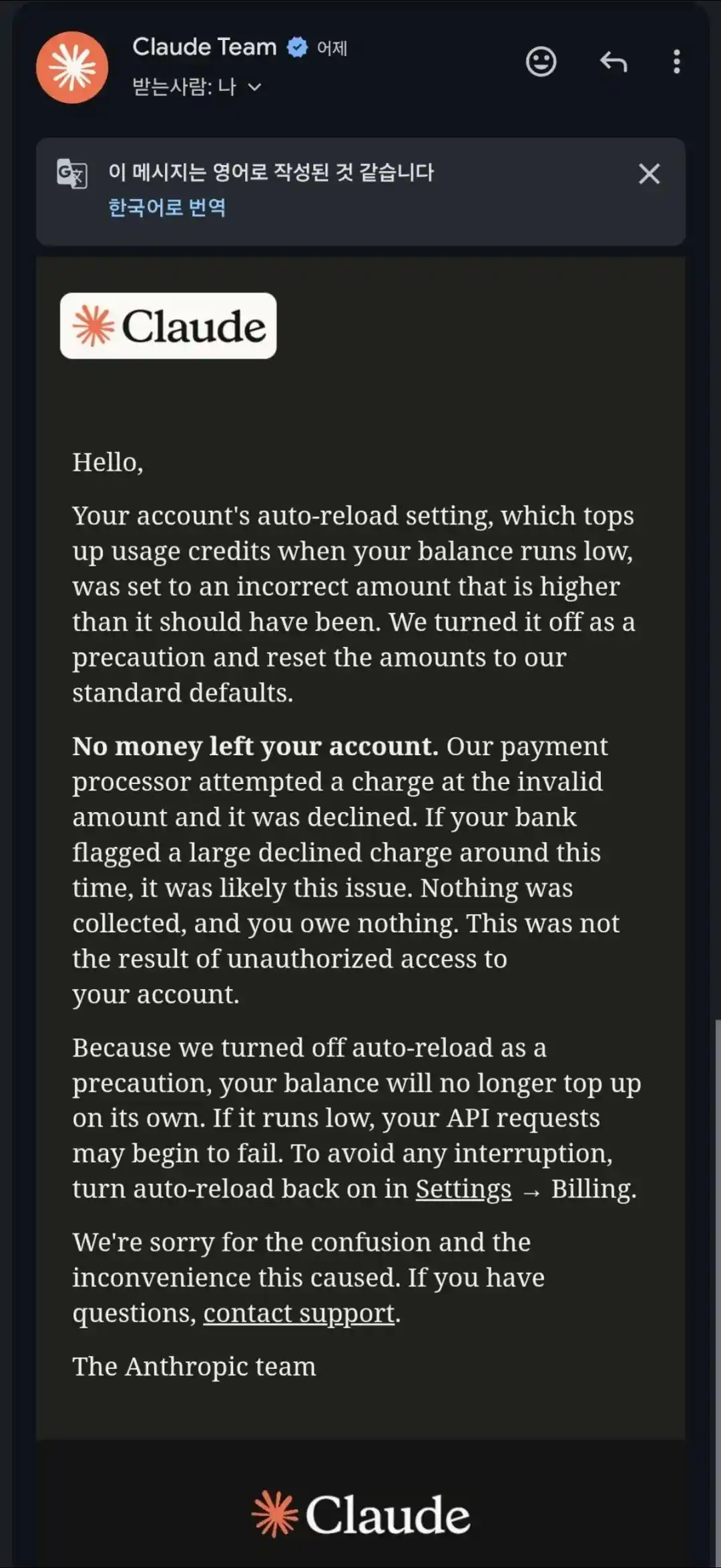
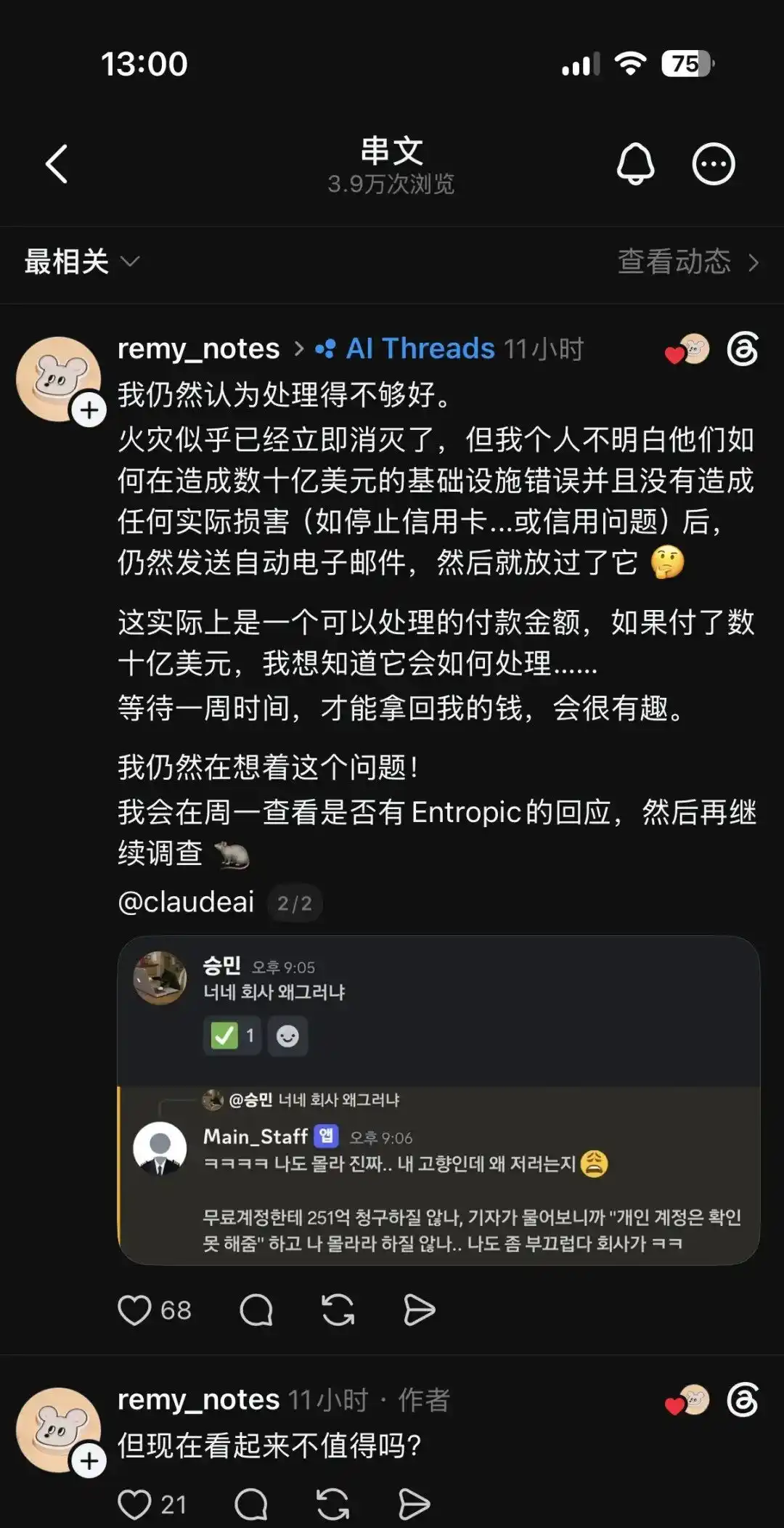
On July 8, the well-known Korean developer remy_notes posted two Anthropic invoice screenshots on Threads: the first for $1.669 million (approximately 11.3 million RMB), the second for $16.62 million (approximately 110 million RMB). The two invoices were issued less than 24 hours apart, with the amount increasing nearly tenfold.
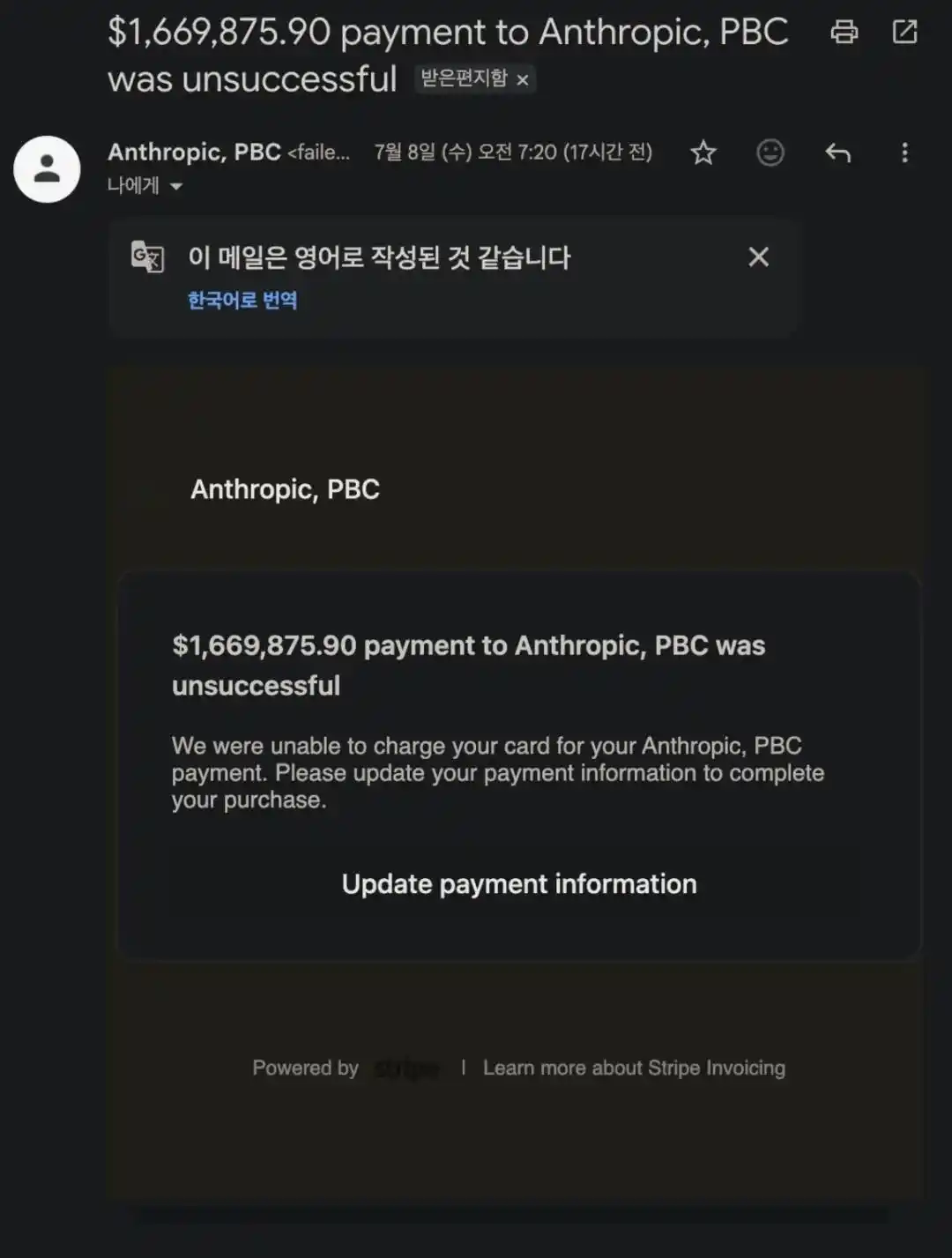
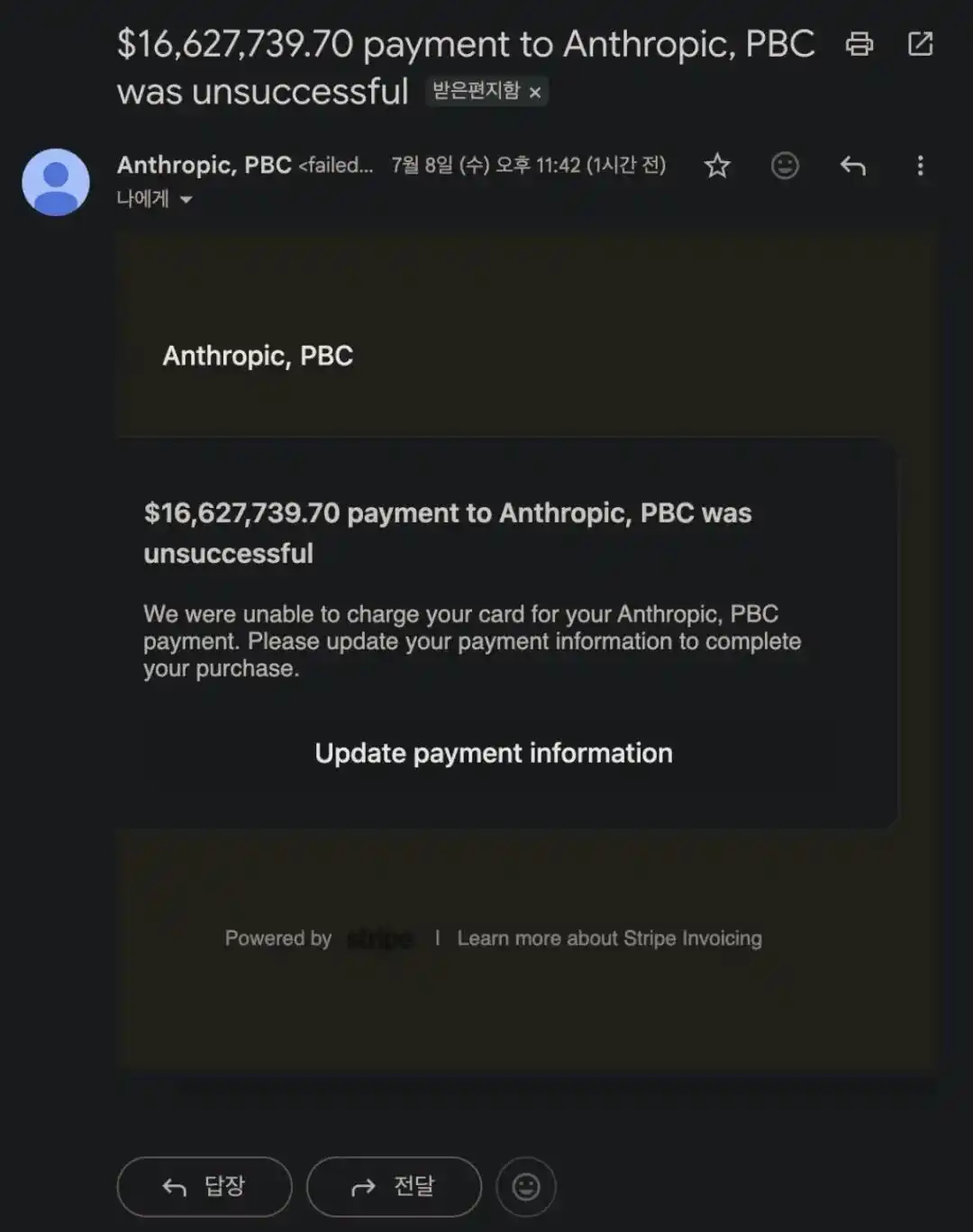
He initially thought it was a phishing email, but the sender address and payment links pointed to Anthropic's official Stripe domain.
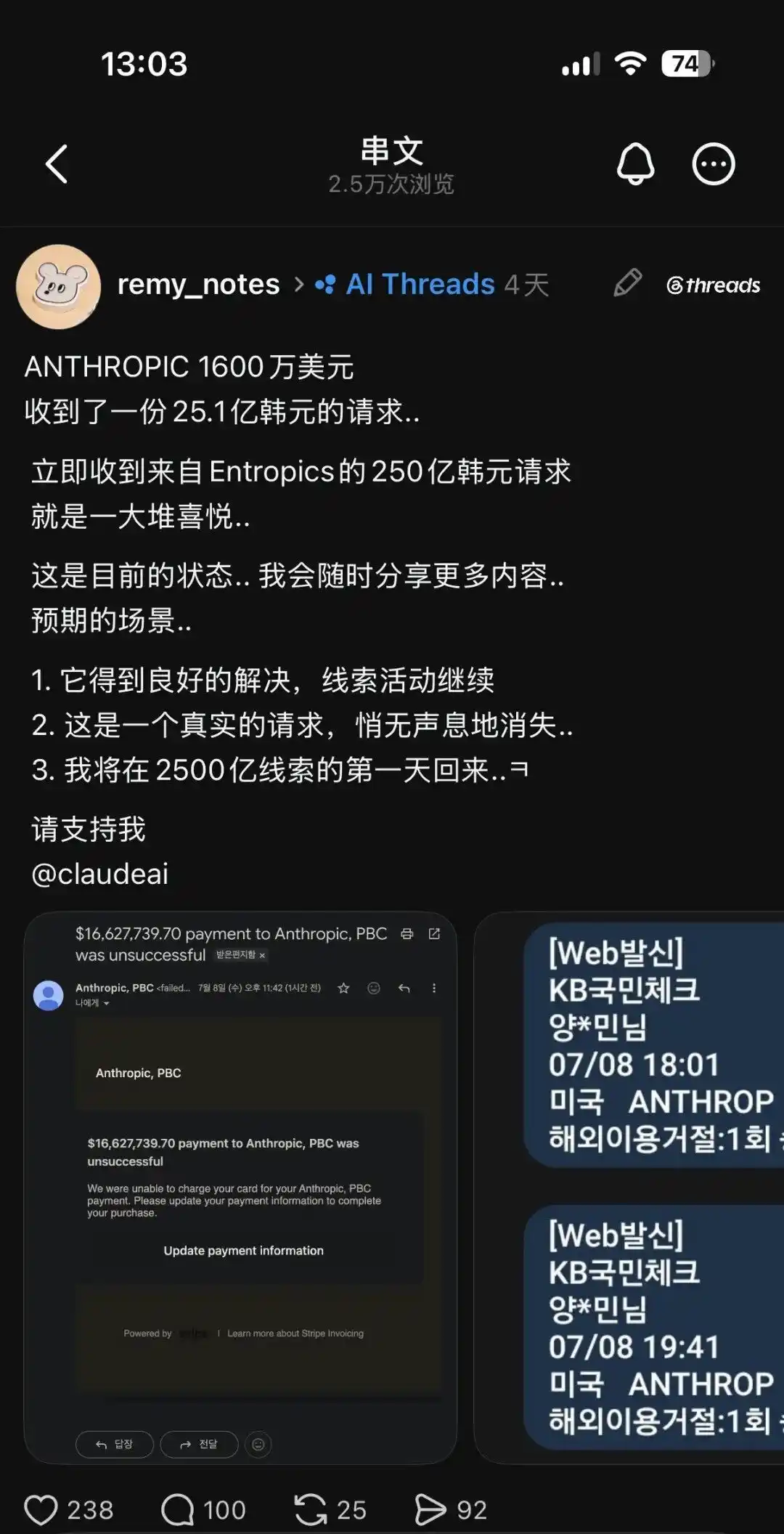
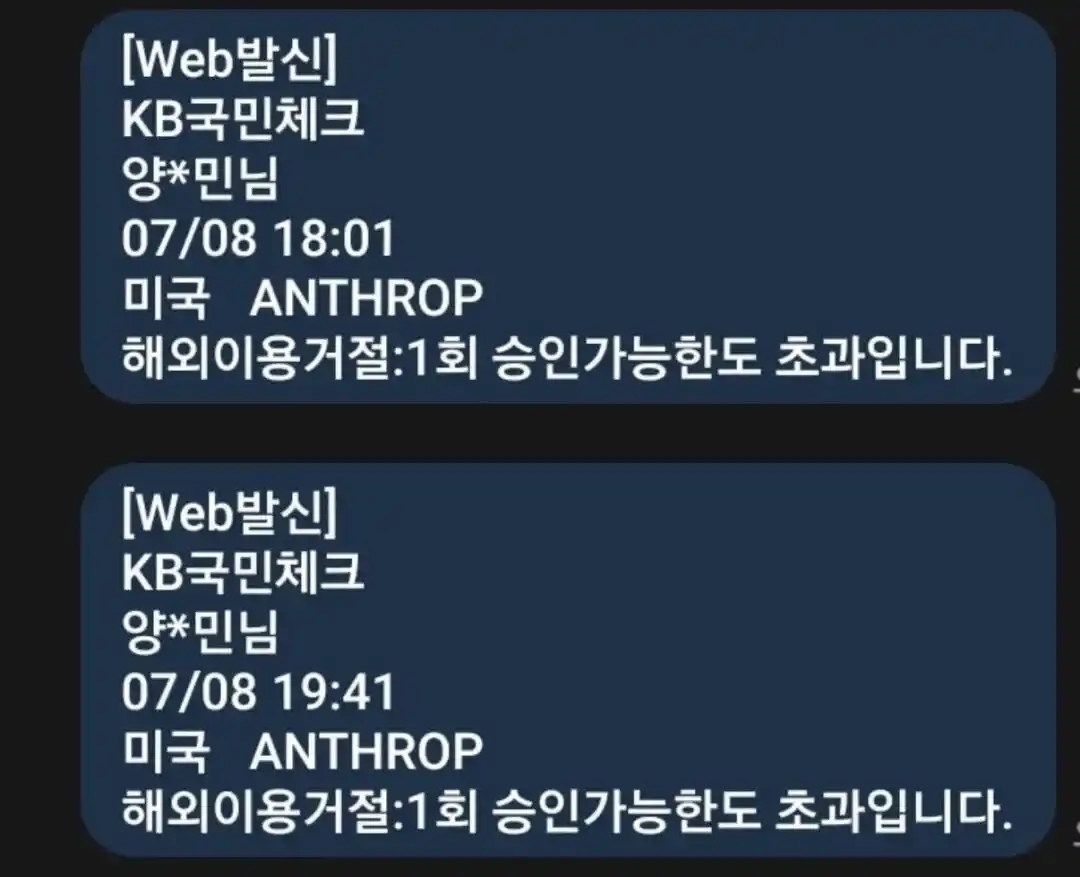
His KB National Bank debit card intercepted two overseas charge requests from the US merchant 'ANTHROP' on the same day—both were denied due to insufficient single-transaction limits.
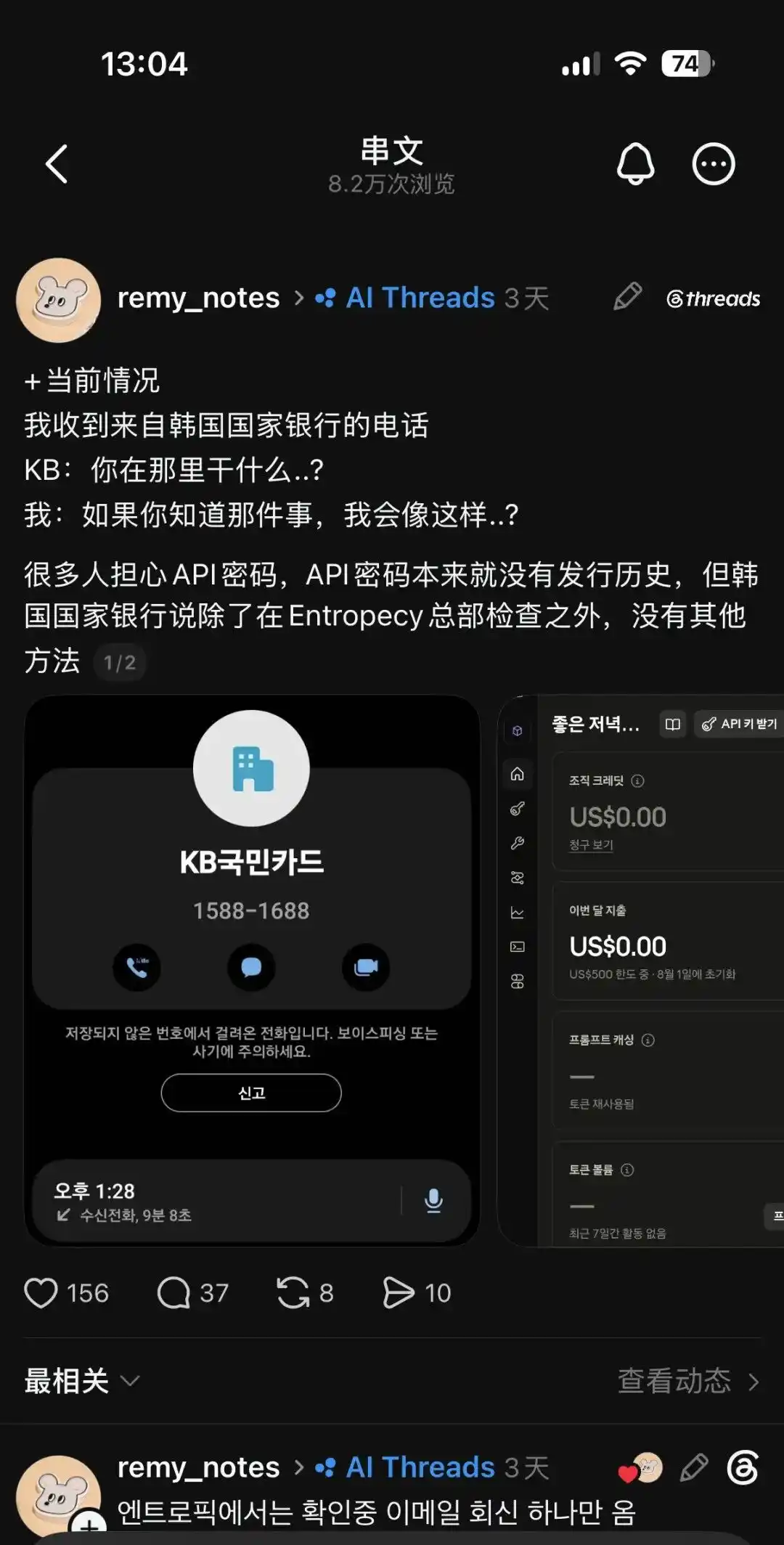
His account was on a free plan, with no credit card linked, and the backend showed zero API usage.
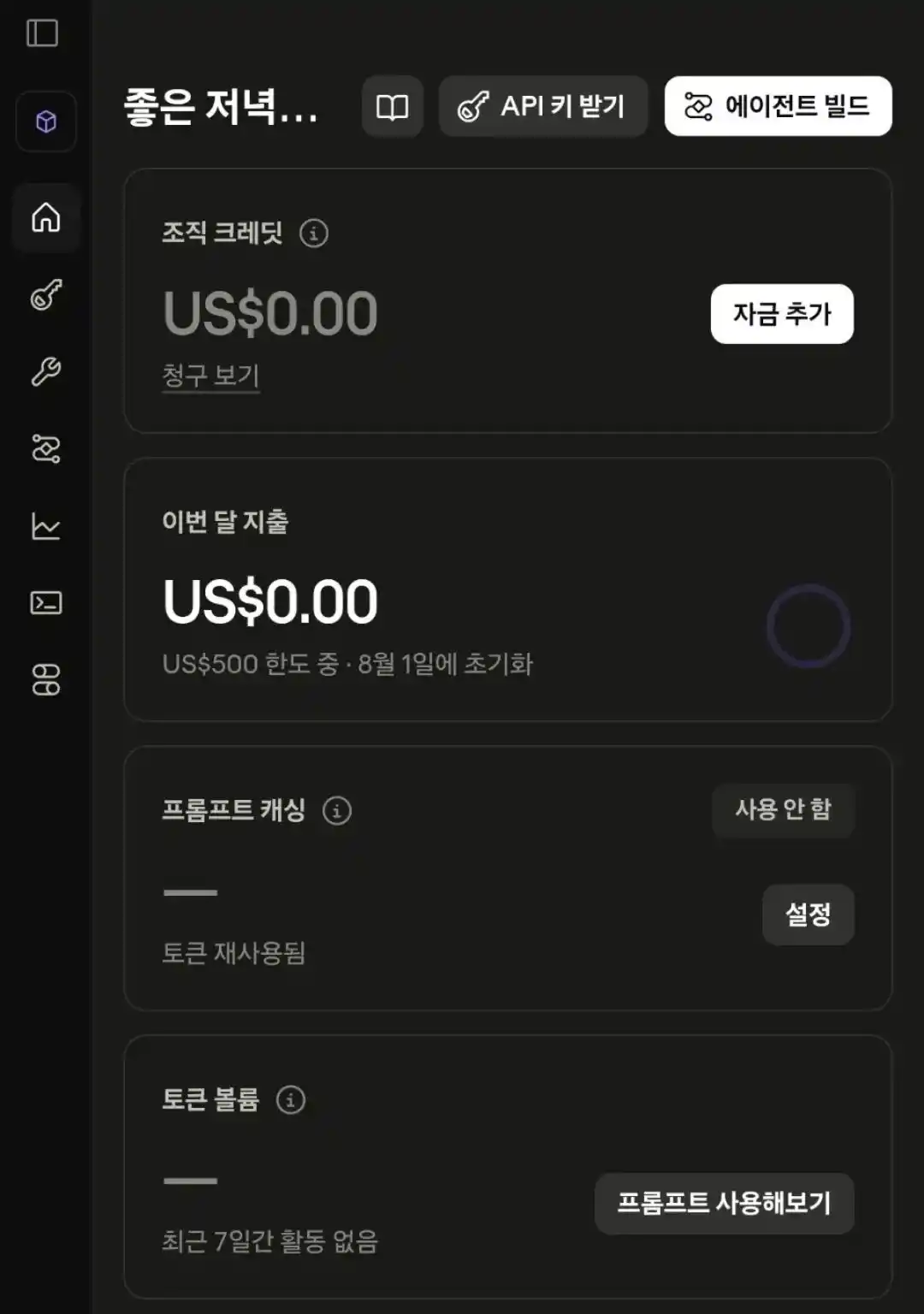
As of publication, Anthropic has not publicly explained the cause of this "phantom bill."
More Than One "Phantom Bill"

The figure of $16.6 million is shocking enough, but what truly deserves attention is the systemic issue emerging from it.

From March to June, AI bill auditing company Vaudit reviewed $34 million in AI bills from 60 companies and discovered approximately $1.7 million in erroneous overcharges, most of which were related to Anthropic's Claude Code.

Vaudit's clients include Panasonic, HP, and Honda, among others.

Vaudit CEO Michael Hahn

Vaudit CEO Michael Hahn described several common overcharging patterns to The Information:

Customers using older, cheaper models but being billed for the more expensive new models;

AI Agents or chatbots failing to complete requests or returning error messages, yet still incurring charges;

Agents repeatedly retrying tasks after failure (retry storms), with each retry being billed.

An Anthropic spokesperson responded, stating the company does not charge for unfulfilled requests or error messages, does not route user requests to older models, and that "overcharging does not seem to be a widespread issue."

However, following appeals from Vaudit and clients, Amazon, Google, Microsoft, Anthropic, and OpenAI refunded about 80% of the disputed amounts.

Hahn said these companies were "very cooperative" in handling billing disputes.

A noteworthy detail: some of Vaudit's audited clients did not purchase services directly from Anthropic but through cloud platforms like AWS, Google Cloud, or Microsoft Azure.

After the billing passes through an additional layer, the responsibility attribution becomes murkier.

Why AI Bills Are Becoming Increasingly Incomprehensible

The developer community's distrust of Anthropic's billing didn't accumulate overnight.

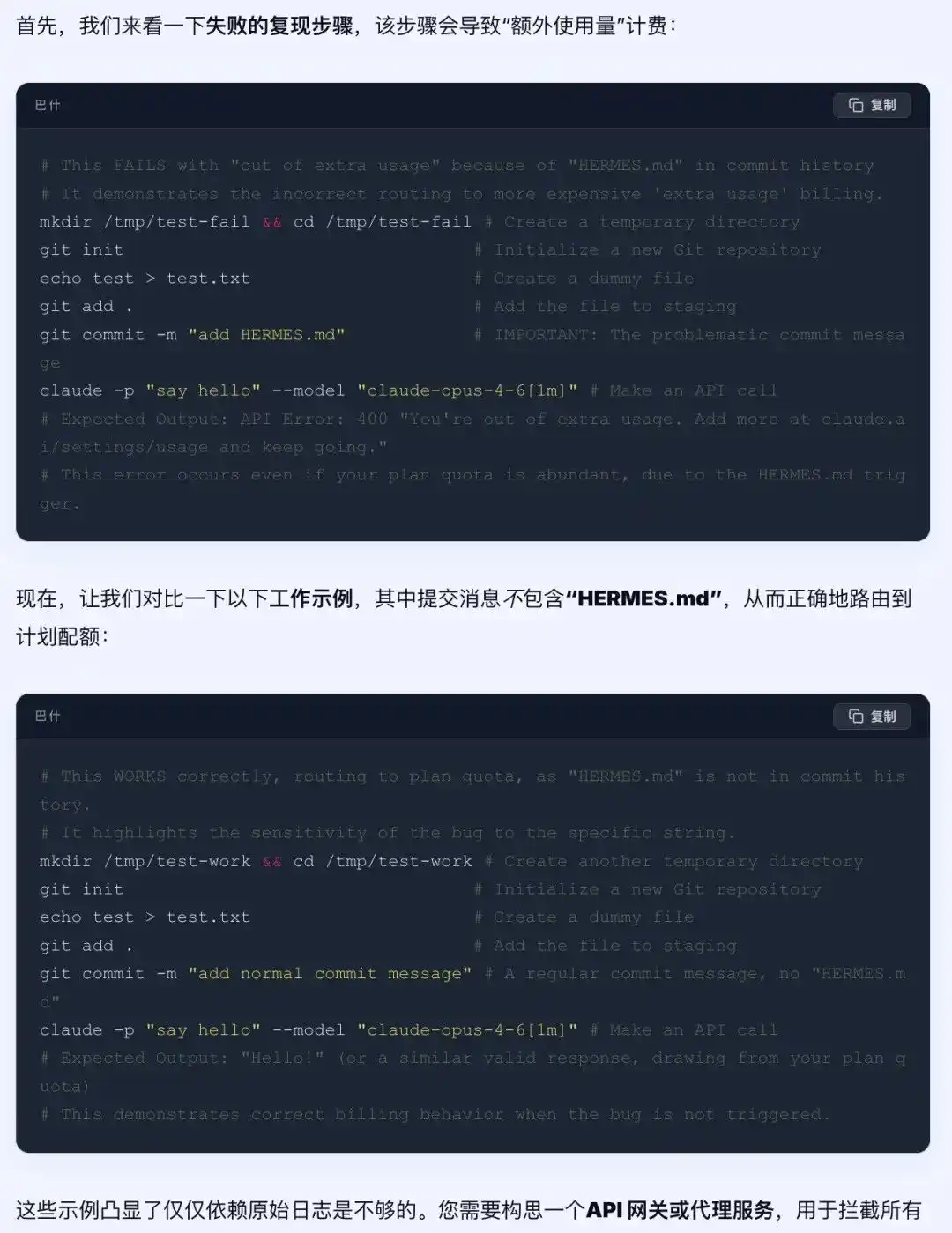
In April this year, developers discovered a billing vulnerability dubbed the "HERMES.md bug": when code commit records contained specific strings, Anthropic's backend would silently route requests that should have been deducted from the Max plan quota to a more expensive "additional usage" billing channel.

Users paid a $200/month subscription fee but were actually billed separately at the API rate.

Anthropic characterized it as an "authentication routing issue" but initially refused refunds, leading many developers to initiate credit card chargebacks.
On June 14, Washington D.C. user Karl Kahn filed a class-action lawsuit in the US District Court for the Northern District of California, alleging that Anthropic's usage promises for the Max 5x ($100/month) and Max 20x ($200/month) subscription plans were misleading.

Kahn claimed that during his use of the Max 20x plan, a single 5-hour programming session consumed 15% of his weekly quota.

The lawsuit argues that Anthropic's usage calculation method is opaque, making it nearly impossible for users to verify whether they are receiving the promised service.

The pricing changes for Claude 5 further amplified this distrust.

Released on June 9 as part of subscription plans, this Anthropic's most powerful publicly available model to date was stripped from them just 13 days later, converted to a usage credit system billed at the API rate ($10 per million input tokens, $50 per million output tokens) – twice the price of Claude 4.8.

Extended reading: Sudden! Anthropic Globally Disables Claude 5

It was also taken offline globally for 19 days due to US government export controls.

After restoration on July 1, the free window provided by Anthropic was only 6 days, later extended to July 12.

When "Safety" Doesn't Cover the Wallet

Anthropic's core brand narrative is "AI safety."

But for paying users, the definition of safety is expanding: it shouldn't only mean the model won't output harmful content; it should also include not being charged an inexplicable fee without your knowledge.

This isn't just Anthropic's problem.

AI service billing structures are inherently complex – model tiers, token usage, API call counts, retries, cloud platform markups, different paths for direct purchase and resale – all layered together, forming a black box that average users can almost never independently verify.

The emergence of auditing companies like Vaudit is itself a signal: AI bills have become so complex that a professional third party is needed to understand them.

Competitors are already sensing the opportunity.

At the June Build conference, Microsoft released MAI-Thinking-1. AI head Mustafa Suleyman told Bloomberg, "Many people are urgently looking for alternatives to Anthropic's expensive models."

OpenAI is reportedly considering significantly lowering token prices.

DeepSeek V4's output token price is about 1/90th of Claude Sonnet 4.6's, starting to be included in developers' cost comparison options.

Over the past year, AI companies won users with model capabilities.

In the next phase of competition, billing transparency will become part of the product experience.

When users start auditing your bills and questioning your pricing promises with class-action lawsuits, "our model is smarter" is no longer enough.

The problem Anthropic faces today, the entire industry will encounter – whoever makes their billing clear first will get the ticket to the next round of trust.

References:

https://www.internationalcyberdigest.com/anthropic-tried-to-phantom-charge-16-6m/

https://www.theinformation.com/newsletters/applied-ai/anthropic-customers-find-errant-charges-auditing-startup-says

This article is from WeChat public account "New Zhiyuan", author: ASI Revelation

Trend Kriptolar

İlgili Sorular

QWhat is the main issue reported by Korean developer remy_notes regarding Anthropic's billing?

AKorean developer remy_notes reported receiving two massive invoices from Anthropic within 24 hours—one for about $1.669 million and another for $16.62 million—despite having a free plan with zero API usage and no credit card linked. His bank blocked the attempted charges due to insufficient limits.

QWhat systemic billing problems did the AI audit company Vaudit discover among Anthropic and other AI providers?

AVaudit audited $34 million in AI bills across 60 companies from March to June and found about $1.7 million in erroneous overcharges, mostly related to Anthropic's Claude Code. Common issues included charging for newer, more expensive models when older ones were used, billing for failed or incomplete requests, and charging for repeated retries by AI agents.

QWhat legal action has been taken against Anthropic related to its billing practices?

AOn June 14, a user named Karl Kahn filed a class-action lawsuit in the U.S. District Court for the Northern District of California. The lawsuit alleges that Anthropic misled customers about usage limits and costs for its Max subscription plans, and that its billing calculations are opaque, making it nearly impossible for users to verify if they received the promised service.

QHow did Anthropic's handling of its Fable 5 model contribute to user distrust?

AAnthropic initially included its powerful Fable 5 model in subscription plans upon release on June 9, but removed it just 13 days later. It was then made available only via a much more expensive API-based credit system (costing twice as much as Opus 4.8). Coupled with a 19-day global takedown due to U.S. export controls and a very short free usage window, these actions eroded user trust in the company's pricing stability and transparency.

QAccording to the article, why is billing transparency becoming a key competitive factor in the AI industry?

AAs AI services grow more complex—with layered pricing based on models, tokens, API calls, retries, and cloud platform markups—their bills have become a 'black box' that users cannot easily verify. The emergence of audit firms like Vaudit and user lawsuits signal that transparent and understandable billing is now part of the product experience. The article suggests that in the next phase of competition, companies that master clear billing will gain a significant trust advantage.

İlgili Okumalar

Goldman Sachs: July Smashes Through Crowded Trades, U.S. Stock Bull Market Not Broken but Harder to Navigate

Goldman Sachs: July Sees Crowded Trades Unwound, U.S. Bull Market Intact but Getting Tougher. The U.S. stock market in July did not see an index-level crash, but rather a significant unwinding of speculative positions. While the S&P 500 remained stable—trading within a narrow 3.5% range and staying within 2% of its high—underlying market dynamics were volatile. Heavily crowded trades, particularly in high-momentum tech, AI-linked stocks, and Asian strategies, faced severe pressure and forced deleveraging. Data indicates this was a meaningful cleanse, not a minor adjustment. Global tech exposure saw its largest sell-off in over five years, leverage in Korean equity ETFs plummeted, and Goldman's prime brokerage recorded the largest gross exposure reduction since late 2022. Leverage on momentum factors among fundamental long/short clients fell to the 28th percentile of its one-year range. The AI trade narrative shifted from pure potential to a focus on tangible returns. While Meta failed to show clear AI monetization, Microsoft and Amazon provided evidence that massive capital expenditure is translating into scalable revenue and product growth, preventing a blanket sell-off of the AI sector. The Federal Reserve's more opaque communication style and volatility in long-end Treasury yields have introduced new friction, particularly for rate-sensitive growth and tech stocks. The broader outlook for U.S. equities remains favorable, supported by a strong economy, robust earnings, and substantial AI capital expenditure. However, risk/reward is no longer cheap, and the market's upward elasticity has weakened. The Nasdaq 100's trajectory—up 12% year-to-date despite significant pullbacks—illustrates that the bull trend persists but the path is becoming more difficult. The key lesson from July is that the market no longer rewards crowded, highly leveraged trades, requiring more disciplined and liquid portfolio approaches.

marsbit1 saat önce

Goldman Sachs: July Smashes Through Crowded Trades, U.S. Stock Bull Market Not Broken but Harder to Navigate

marsbit1 saat önce

Interview with Robinhood Executive: Meme + Tokenized US Stocks as "Barbell" Customer Acquisition Strategy, All Business Lines Achieve Hundreds of Millions in Revenue

Interview with Robinhood executive Johann Kerbrat reveals the company's "barbell" customer acquisition strategy for its new Robinhood Chain, combining meme tokens with tokenized stocks. Three weeks after mainnet launch, the chain has seen over $3B in weekly DEX volume and 105M transactions. Kerbrat explains the logic behind the permissionless chain: meme tokens attract DeFi users, while tokenized real-world assets (RWA), currently over 90 US stocks and ETFs accessible in 120+ countries, serve global users. The goal is to bring Robinhood's 27 million funded accounts on-chain by simplifying DeFi with a user-friendly interface, exemplified by features like Robinhood Earn which offers yield without requiring wallet management. Built on Arbitrum's technology stack for its speed, low cost, and Ethereum's security, the chain focuses on financial products like Earn, spot trading, and perpetuals. Kerbrat downplays direct competition with platforms like Base, emphasizing the goal of expanding the overall market for on-chain assets. He details selective partnerships (e.g., Morpho, Lighter) based on compliance, unique UX, and differentiation. While regulatory clarity is pending for US perpetuals, the expansion continues via Bitstamp in Europe. Finally, Kerbrat positions Robinhood as a "super app" integrating stocks, options, crypto, banking, and AI trading, with all major business lines generating hundreds of millions in revenue. For the chain, current priority is driving adoption over maximizing gas fee revenue.

marsbit3 saat önce

Interview with Robinhood Executive: Meme + Tokenized US Stocks as "Barbell" Customer Acquisition Strategy, All Business Lines Achieve Hundreds of Millions in Revenue

marsbit3 saat önce

İşlemler

Spot

Popüler Makaleler

$WELL Nedir

WELL3, $$WELL: DePIN ve AI ile Sağlık ve Refahı Devrim Niteliğinde Yenilemek Giriş Hızla gelişen dijital teknoloji alanında, sağlık ve wellness sektörü yeniliğin ön saflarında yer almakta, hasta bakımını geliştirmeye ve daha sağlıklı yaşam tarzlarını teşvik etmeye çalışmaktadır. Bu alandaki çığır açan bir oyuncu WELL3'tür; bireylerin sağlıklarıyla etkileşim biçimlerini devrim niteliğinde değiştirmeyi hedefleyen öncü bir Web3 projesidir. Dağıtık Fiziksel Altyapı Ağı (DePIN), Dağıtık Kimlik (DID) ve Yapay Zeka (AI) gibi teknolojileri kullanarak, WELL3 güvenli, veri destekli sağlık yolculuklarını teşvik etmeyi amaçlamaktadır. Bu kapsamlı makale, WELL3'ün, $$WELL'in temel bileşenlerine derinlemesine dalarak işlevsellikleri, yaratıcıları, yatırımcıları ve benzersiz özelliklerini keşfetmektedir. WELL3, $$WELL Nedir? WELL3, sağlık ve refah yaklaşımını yeniden tanımlamayı hedefleyen yenilikçi bir platformdur. DePIN ve DID'yi AI sistemleriyle entegre etmeye odaklanan proje, bireylerin sağlık verilerinin güvenliğini ve gizliliğini sağlarken kişiselleştirilmiş kullanıcı deneyimleri oluşturmak için tasarlanmıştır. Bir milyondan fazla ön kayıtlı kullanıcı ile WELL3'ün ana misyonu, güvenli, veri odaklı sağlık yolculukları aracılığıyla refahı artırmaktır. WELL3'ün temelinde, kullanıcıların kişisel bilgileri üzerinde tam kontrol sahibi olmasını sağlamak için gelişmiş blockchain teknolojileri kullanılmaktadır. Bu proje sadece veri güvenliği ve erişilebilirlik sorunlarını ele almakla kalmaz, aynı zamanda daha iyi sağlık için ortak bir taahhütte bulunan canlı bir topluluk yaratmayı hedefler. WELL3'ün Ana Özellikleri: DePIN ve DID: Bu teknolojiler, verilerin güvenli sahipliğini ve kimlik doğrulamasını sağlamakta, kullanıcılara bilgileri üzerinde tam kontrol vermektedir. AI Entegrasyonu: AI analitiği kullanarak, WELL3 bireysel sağlık ihtiyaçlarına uygun kişiselleştirilmiş içgörüler ve çözümler sunmaktadır. Topluluk Katılımı: Kullanıcıların bağ kurabileceği, deneyimlerini paylaşabileceği ve daha sağlıklı yaşam için birbirlerini motive edebileceği destekleyici bir ortam sağlar. WELL3'ün, $$WELL'in Yaratıcısı WELL3'ün yaratıcılarının kimliği mevcut bilgilerde belirtilmemiştir. Proje ilerledikçe, bu dönüştürücü girişimin arkasındaki yenilikçi zihinlere ışık tutacak daha fazla detay ortaya çıkabilir. WELL3'ün, $$WELL'in Yatırımcıları WELL3, sağlık ve wellness alanındaki güvenilirliğini ve potansiyelini vurgulayan birçok etkili yatırım kurumunun desteğini kazanmıştır. Öne çıkan yatırımcılar arasında şunlar yer almaktadır: Animoca Brands AWS Samsung The Spartan Group Blocore Fenbushi Capital Newman Group Soul Capital XY Finance Lumoz Bu köklü kuruluşların desteği, WELL3'ün misyonuna güçlü bir inanç sergileyerek, yenilik yapması ve sunumlarını genişletmesi için gerekli kaynakları sağlamaktadır. WELL3, $$WELL Nasıl Çalışır? WELL3, kesintisiz ve yenilikçi bir kullanıcı deneyimi sağlamak için son teknoloji çözümleri çok zincirli bir çerçevede birleştirir. WELL3'ü wellness pazarında benzersiz kılan bazı faktörler aşağıda sıralanmıştır: 1. Güvenli Veri Sahipliği DePIN ve DID entegrasyonu ile kullanıcılar, kişisel sağlık bilgileri üzerinde tam kontrol sahibi olabilmektedir. Bu güvenlik katmanı, veri ihlalleri ve yetkisiz erişimlerin yaygın olduğu günümüz dijital çağında son derece önemlidir. WELL3 aracılığıyla veri sahipliği merkeziyetsizleşir, bu da kullanıcıların bilgilerini proaktif bir şekilde yönetmesini sağlar. 2. AI ile Kişiselleştirme WELL3, kullanıcılarına özel sağlık içgörüleri sunmak için AI destekli analizler gerçekleştirmektedir. AI'nin gücünden yararlanarak, platform bireysel öneriler ve çözümler sunmakta, kullanıcıların sağlık hedeflerine daha etkili bir biçimde ulaşmalarını teşvik etmektedir. 3. Çok Zincirli Çerçeve WELL3 projesi, Bitcoin, Ethereum, Polygon, Solana, Blast ve TON gibi birden fazla blockchain platformu üzerinde çalışacak şekilde tasarlanmıştır. Bu çok zincirli kapasite, kullanıcıların platformla farklı ağlar arasında sorunsuz bir şekilde etkileşimde bulunmalarını sağlamakta, erişilebilirliği ve kullanılabilirliği artırmaktadır. 4. WELL Token WELL3 ekosisteminin merkezinde, çeşitli amaçlar için kullanılan WELL Token bulunmaktadır; bunlar arasında fayda, yönetişim ve ödüller yer almaktadır. Token, ekosisteme katılımı sağlar, sağlık verisi paylaşımını destekler ve kullanıcıları platformla olan etkileşimlerine dayalı olarak ödüllendirir. WELL3'ün, $$WELL'in Zaman Çizelgesi WELL3'ün gelişim süreci, her biri projenin genel başarısına katkıda bulunan önemli aşamaları sergilemektedir. WELL3'ün tarihindeki kritik olaylara dair kısa bir zaman çizelgesi aşağıda sunulmuştur: 10 Şubat 2024: WELL3, NFT projesini başlattı ve 324,000'den fazla sahibi ile opBNB ağında en büyük NFT koleksiyonu olarak ön plana çıkmaya başladı. 27 Nisan 2024'e kadar 8 milyon NFT üretildi. Kamu Satışı: Proje, sadece yedi gün içinde yaklaşık 15,237.2 ETH'lik etkileyici bir toplam değer kilidi (TVL) başarısı gösterdi, bu da piyasanın güçlü ilgisini ve desteğini gösterir. WELL ID Lansmanı: Platform, WELL ID ve ilgili NFT Ring beyaz listesinin 900,000'den fazla kullanıcı tarafından kaydedildiğini görerek ekosistem içinde önemli bir benimseme aşamasını işaret etti. Ortaklık Geliştirme: WELL3, ekosistemini geliştirmek ve erişimini genişletmek için Animoca Brands, AWS, Samsung ve diğer önde gelen kuruluşlarla ortaklıklar kurdu. İşlem Hacmi: WELL3, sağlık ve wellness topluluğunda büyüyen faydasını ve katılımını yansıtan 17 milyon dolardan fazla işlem gerçekleştirdi. WELL3'ün, $$WELL'in Ana Noktaları Refah pazarına doğru kaydırılan ilerici bir girişim olarak WELL3, sürekli başarısına katkıda bulunacak birkaç kritik unsur belirlemiştir. İşte dikkate alınması gereken bazı temel noktalar: Tokenomik $$WELL tokeninin maksimum arzı 42 milyar olup, bunun önemli bir kısmı %71 topluluk girişimleri için ayrılmıştır. Bu dağıtım stratejisi, projenin kullanıcı tabanına ve uzun vadeli sürdürülebilirliğine olan bağlılığını vurgulamaktadır. Kilitlenme Süresi Ekosistemde istikrar sağlamak amacıyla tokenler, 24 aylık bir kilitlenme süresi boyunca partiler halinde serbest bırakılır; bu da kullanıcılar arasında güven ve güvenilirlik sunar. Ekosistem Gelişimi WELL3'ün vizyonu, güçlü topluluk katılımını teşvik eden, sağlık artırıcı davranışlar ve wellness alanındaki acil ihtiyaçlara yanıt veren dijital çözümler içeren kapsamlı ve sürdürülebilir bir ekosistem yaratmayı kapsamaktadır. Pazar Uyumlu 5.6 trilyon dolarlık bir değere sahip wellness endüstrisi, WELL3'ün hedeflemesini amaçladığı kârlı bir fırsat sunmaktadır. %5-10'luk bir yıllık büyüme oranı beklenmekte olup, proje sağlıklı ve bilinçli yaşam trendinin yükseldiği bir ortamda mükemmel bir şekilde konumlanmaktadır. Giyilebilirler WELL3 Yüzüğü, kişiselleştirilmiş sağlık verileri için artan talebe yanıt veren kripto teşvikli bir giyilebilir tekniktir. Bu cihaz, yalnızca kullanıcı deneyimini artırmakla kalmaz, ayrıca Web3 bağlamında bireylerin sağlıklarıyla etkileşimde bulunma biçimlerini yeniden tanımlamaktadır. Sonuç WELL3, sağlık ve wellness sektöründe blockchain teknolojisinin entegrasyonu açısından önemli bir ilerlemeyi temsil etmektedir. Veri sahipliği, kişiselleştirme ve topluluk katılımı etrafındaki önemli sorunları ele alarak, bu yenilikçi platform bireysel refahı artırmak için ileri görüşlü bir çözüm sunmaktadır. Kayda değer yatırımcılardan güçlü bir destekle ve yenilikçi teknolojilere olan bağlılığı ile WELL3, wellness alanında kalıcı bir etki yaratmaya hazırlanıyor. Dijital çağda sağlığın karmaşıklıklarını aşmak isteyenler için, WELL3'ün evrim geçirmeye ve büyümeye devam ezümü kesinlikle izlenmesi gereken bir platformdur.

87 Toplam GörüntülenmeYayınlanma 2024.07.14Güncellenme 2024.12.03

$WELL Nedir

WELL Nasıl Satın Alınır

HTX.com’a hoş geldiniz! Moonwell Artemis (WELL) satın alma işlemlerini basit ve kullanışlı bir hâle getirdik. Adım adım açıkladığımız rehberimizi takip ederek kripto yolculuğunuza başlayın. 1. Adım: HTX Hesabınızı OluşturunHTX'te ücretsiz bir hesap açmak için e-posta adresinizi veya telefon numaranızı kullanın. Sorunsuzca kaydolun ve tüm özelliklerin kilidini açın. Hesabımı Aç2. Adım: Kripto Satın Al Bölümüne Gidin ve Ödeme Yönteminizi SeçinKredi/Banka Kartı: Visa veya Mastercard'ınızı kullanarak anında Moonwell Artemis (WELL) satın alın.Bakiye: Sorunsuz bir şekilde işlem yapmak için HTX hesap bakiyenizdeki fonları kullanın.Üçüncü Taraflar: Kullanımı kolaylaştırmak için Google Pay ve Apple Pay gibi popüler ödeme yöntemlerini ekledik.P2P: HTX'teki diğer kullanıcılarla doğrudan işlem yapın.Borsa Dışı (OTC): Yatırımcılar için kişiye özel hizmetler ve rekabetçi döviz kurları sunuyoruz.3. Adım: Moonwell Artemis (WELL) Varlıklarınızı SaklayınMoonwell Artemis (WELL) satın aldıktan sonra HTX hesabınızda saklayın. Alternatif olarak, blok zinciri transferi yoluyla başka bir yere gönderebilir veya diğer kripto para birimlerini takas etmek için kullanabilirsiniz.4. Adım: Moonwell Artemis (WELL) Varlıklarınızla İşlem YapınHTX'in spot piyasasında Moonwell Artemis (WELL) ile kolayca işlemler yapın.Hesabınıza erişin, işlem çiftinizi seçin, işlemlerinizi gerçekleştirin ve gerçek zamanlı olarak izleyin. Hem yeni başlayanlar hem de deneyimli yatırımcılar için kullanıcı dostu bir deneyim sunuyoruz.

159 Toplam GörüntülenmeYayınlanma 2024.12.10Güncellenme 2026.06.02

WELL Nasıl Satın Alınır

Tartışmalar

HTX Topluluğuna hoş geldiniz. Burada, en son platform gelişmeleri hakkında bilgi sahibi olabilir ve profesyonel piyasa görüşlerine erişebilirsiniz. Kullanıcıların WELL (WELL) fiyatı hakkındaki görüşleri aşağıda sunulmaktadır.

活动图片