Справочный обменный курс предназначен только для справки и не является фиксированным. Окончательный курс определяется на основе фактической цены исполнения.
Текущая статистика RAY
Реальлная цена Raydium (RAY) сейчас составляет $0.72 USD и текущая рыночная капитализация составляет $-- USD.
Получайте обновления по RAY/USD в реальном времени на HTX. Оставайтесь в курсе последних данных и тенденций рынка, чтобы принимать разумные торговые решения. HTX – ваш надежный источник точной информации о ценах на криптовалюты.
Основные данные по Raydium
Объем за 24ч (USD)
$--
Изменение цены сегодня
--
Оборотное предложение (RAY)
269.51M
Зарегистрируйтесь и торгуйте, чтобы выиграть вознаграждения на сумму до 1,500 USDT.Участвовать
Динамика цены RAY
Отслеживайте движение цены Raydium, просматривая графики за периоды в 1 день, 30 дней, 60 дней, 90 дней, 1 год и за весь период с момента листинга на HTX.Просматривайте еще больше данных о ценах Raydium
Время
Изменение
Изменение в %
Самая высокая цена
Самая низкая цена
No data
Рыночная информация по RAY
Получайте последнюю информацию о цене Raydium на HTX: ценовые максимумы и минимумы за 24 часа, исторический максимум (ATH), и ежедневный процент изменения цены.
24ч Мин
$0
24ч Макс
$0
Исторический максимум
$0
Рыночная капитализация
$0.00
Объем за 24ч (USD)
$--
Объем в обращении
--
Что такое RAY?
Raydium является автоматизированным маркет-мейкером (AMM) и поставщиком ликвидности, построенным на блокчейне Solana для децентрализованной биржи Serum (DEX). В отличие от других AMM, Raydium предоставляет ликвидность в цепочке для центральной книги лимитных ордеров, что означает, что средства, внесенные в Raydium, конвертируются в лимитные ордера, которые размещаются в книгах ордеров Serum. Это дает LP Raydium доступ ко всему потоку ордеров Serum, а также к их существующей ликвидности.
Для получения более подробной информации, пожалуйста, прочтите: Что такое Raydium?
Как купить RAY
Купить RAY на HTX очень просто. Нажмите здесь, чтобы ознакомиться с полным руководством по покупке Raydium.
Рынки RAY в реальном времени
Обзор цен Raydium в реальном времени на спотовых рынках HTX. Переключайтесь между спотовым и фьючерсным рынками, чтобы мгновенно сравнивать текущие цены и изменения цен за 24 часа.
Основываясь на исторических показателях Raydium, наш инструмент прогнозирования предполагает, что цена Raydium (RAY) может достигнуть -- к -- году.
Прогноз цены RAY за -- год
Наш самый последний прогноз говорит о том, что цена Raydium (RAY) вырастет до -- к -- году, а изменение цены составит --% и совокупный ROI составит приблизительно --%.
Купите свои первые RAY на HTXРегистрация
Часто задаваемые вопросы о RAY
Какая сегодня цена Raydium (RAY)?
Текущая цена Raydium (RAY) составляет $0.72 USD.
Какая рыночная капитализация Raydium (RAY)?
Текущая рыночная капитализация Raydium (RAY) составляет $0.00 USD, рассчитанная путем умножения его оборотного предложения на текущую цену.
Каково оборотное предложение Raydium (RAY)?
Текущее оборотное предложение Raydium (RAY) составляет -- RAY.
Каким был исторический максимум Raydium (RAY)?
На 2026-08-22, исторический максимум Raydium (RAY) составляет $0 USD.
Каков 24-часовой объем торгов Raydium (RAY)?
24-часовой объем торгов Raydium (RAY) на HTX составляет -- USD.
Могу ли я купить Raydium (RAY) на HTX?
Да, HTX предлагает лучшие в отрасли торговые комиссии и высокую ликвидность, обеспечивая бесперебойную и безопасную торговлю Raydium (RAY).
SemiAnalysis' in-depth report on ChangXin Memory Technologies (CXMT) details its rapid rise as China's largest upcoming semiconductor IPO. Founded in 2016 by Zhu Yiming, CXMT built its DRAM foundation on acquired patents and talent from the bankrupt German firm Qimonda. It achieved its first annual profit in 2025 after nearly a decade of significant capital support, primarily from patient Hefei municipal investors who fostered a local supply chain.
The company is now capitalizing on a strong DRAM supercycle. Its revenue soared from ~$3.3B in 2024 to ~$8.6B in 2025, with Q1 2026 alone reaching ~$7.3B. SemiAnalysis projects full-year 2026 revenue could exceed $50B, driven by soaring ASPs rather than massive market share gains. While CXMT is closing the capacity gap with Micron, its product mix remains heavily focused on commodity DDR/LPDDR, which currently offers higher margins than its nascent HBM business.
CXMT faces significant challenges in HBM, struggling with yield and stability for HBM3 8-Hi stacks while lagging behind the big three (Samsung, SK Hynix, Micron) in advanced nodes. However, strategic national priorities for AI self-sufficiency may push it to accelerate HBM capacity. Its complex IPO structure reveals heavy state-backed ownership and voting control over its fabs, with Alibaba appearing as both a key cloud customer and a minority shareholder. The IPO aims to raise ~$4.1B, primarily to strengthen its core DRAM manufacturing base.
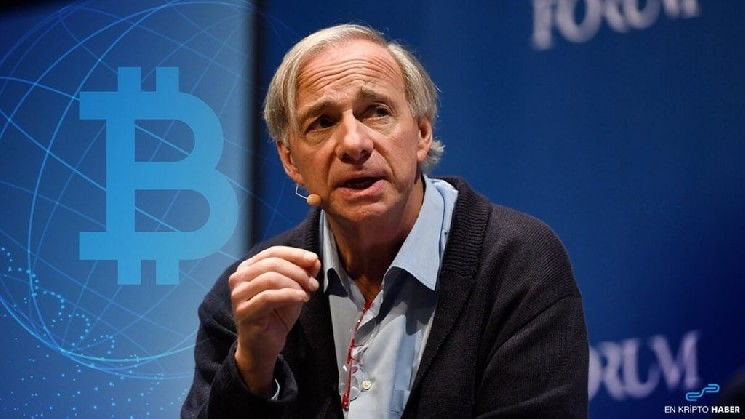
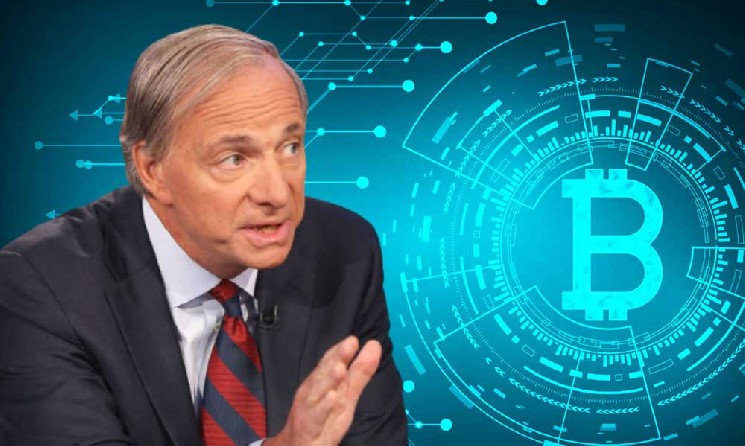
Ray Dalio, billionaire investor and founder of Bridgewater Associates, advises investors to consider "hard money" assets like gold and Bitcoin to hedge against potential financial collapse, citing high debt, inequality, and geopolitical tensions as systemic risks. While he allocates about 1% of his personal portfolio to Bitcoin and suggests a 5-15% allocation to such non-printable assets, he prefers gold. Dalio expresses caution about Bitcoin due to potential government regulation, infrastructure vulnerabilities from technologies like quantum computing, and privacy concerns. He emphasizes the importance of a balanced, diversified portfolio across stocks, bonds, real estate, gold, and Bitcoin to navigate economic uncertainty.
Ray Dalio, founder of Bridgewater Associates, warns that the current AI-fueled market boom resembles the bubbles of 1929 and 2000. He cites classic signs: stock prices detached from earnings, easy access to capital for new share offerings, and inexperienced retail investors using leverage to trade ETFs. Dalio highlights the critical distinction between wealth (paper valuations) and money (liquid cash), noting the U.S. wealth-to-money ratio is at an extreme 8.5 to 1. He explains that when money is needed—due to rising rates or taxes—the bubble bursts as assets are sold, prices collapse, and debt servicing becomes untenable. Furthermore, he frames this within an 80-year "Big Cycle" where excessive debt, wealth inequality, and geopolitical tensions converge. The collapse of the AI bubble, he warns, could trigger not just a financial crisis but also intense political and macroeconomic conflicts.
In his latest macro analysis, Ray Dalio applies his framework from "How Countries Go Broke: The Big Cycle" to the current global debt environment. He highlights recent events like Japan selling U.S. Treasuries and rising U.S. long-term yields as signs of an unsustainable debt dynamic. Dalio explains that excessive government debt leads to either unacceptably high interest rates, severe economic downturns, or significant currency debasement through central bank money printing.
He summarizes the U.S. fiscal situation: with $5.5 trillion in revenue, $7.5 trillion in spending, a $2 trillion deficit, and total debt at six times annual revenue, debt servicing costs are immense. Without correction, U.S. debt could reach $55-$60 trillion in a decade.
Dalio proposes a "3% Three-Way" solution: reducing the budget deficit to 3% of GDP through balanced spending cuts, tax increases, and interest rate reductions to avoid a traumatic adjustment.
In response to FAQs, he argues that the risk of a U.S. debt crisis is high and could materialize within a few years if the current path continues. He dismisses the notion that the dollar's reserve status makes the U.S. immune, citing historical precedents of reserve currency declines. He is also unconvinced by Japan's high-debt stability, noting poor returns for yen-denominated assets.
For investors, Dalio recommends diversifying globally, underweighting bonds, and overweighting assets like gold and a small allocation to Bitcoin (around 10-15% to gold) to hedge against currency debasement and poor debt returns.
Ray Dalio, the billionaire founder of Bridgewater Associates, warns that the rapid growth of global debt poses a significant risk to investors. He argues that the U.S. national debt cycle has entered an advanced stage, with increasing bond supply outpacing investor demand, putting pressure on interest rates and currencies. As U.S. federal debt approaches $32 trillion with $1 trillion in annual interest payments, Dalio predicts it could surge to $55-$60 trillion within a decade if trends continue.
Faced with this unsustainable path, Dalio suggests governments have two tough choices: keep rates high to attract bond buyers (stifling growth) or print more money (debasing currencies). In such a risky environment, he advises investors to diversify across asset classes and countries, focusing on economies with strong income structures and healthy balance sheets. His specific recommendations include reducing exposure to bonds while increasing allocations to gold and, to a limited extent, Bitcoin.
Dalio proposes that allocating roughly 10-15% of a portfolio to assets like gold and a small portion to Bitcoin could help mitigate overall risk and potentially enhance returns, though he remains cautious regarding Bitcoin's allocation size.
cryptonews.ru2小时前
Треды
Приветствуем вас в Сообществе HTX. Здесь вы можете быть в курсе последних новостей платформы и получите доступ к профессиональной рыночной аналитике. Мнения пользователей о цене Raydium (RAY) представлены ниже.