Реальлная цена Engines of Fury (FURY) сейчас составляет $0.000252 USD и текущая рыночная капитализация составляет $-- USD.
Получайте обновления по FURY/USD в реальном времени на HTX. Оставайтесь в курсе последних данных и тенденций рынка, чтобы принимать разумные торговые решения. HTX – ваш надежный источник точной информации о ценах на криптовалюты.
Получайте последнюю информацию о цене Engines of Fury на HTX: ценовые максимумы и минимумы за 24 часа, исторический максимум (ATH), и ежедневный процент изменения цены.
24ч Мин
$0
24ч Макс
$0
Исторический максимум
$0
Рыночная капитализация
$0.00
Объем за 24ч (USD)
$--
Объем в обращении
--
Что такое FURY?
Engines of Fury (FURY) is a cryptocurrency launched in 2024and operates on the BNB Smart Chain (BEP20) platform. Engines of Fury has a current supply of 120,000,000 with 48,002,895.00998615 in circulation. The last known price of Engines of Fury is 0.00025284 USD and is down -0.43 over the last 24 hours. It is currently trading on 35 active market(s) with $0.00 traded over the last 24 hours. More information can be found at https://www.eof.gg.
Основываясь на исторических показателях Engines of Fury, наш инструмент прогнозирования предполагает, что цена Engines of Fury (FURY) может достигнуть -- к -- году.
Прогноз цены FURY за -- год
Наш самый последний прогноз говорит о том, что цена Engines of Fury (FURY) вырастет до -- к -- году, а изменение цены составит --% и совокупный ROI составит приблизительно --%.
Купите свои первые FURY на HTXРегистрация
Часто задаваемые вопросы о FURY
QКакая сегодня цена Engines of Fury (FURY)?
AТекущая цена Engines of Fury (FURY) составляет $0.000252 USD.
QКакая рыночная капитализация Engines of Fury (FURY)?
AТекущая рыночная капитализация Engines of Fury (FURY) составляет $0.00 USD, рассчитанная путем умножения его оборотного предложения на текущую цену.
QКаково оборотное предложение Engines of Fury (FURY)?
AТекущее оборотное предложение Engines of Fury (FURY) составляет -- FURY.
QКаким был исторический максимум Engines of Fury (FURY)?
AНа 2026-06-17, исторический максимум Engines of Fury (FURY) составляет $0 USD.
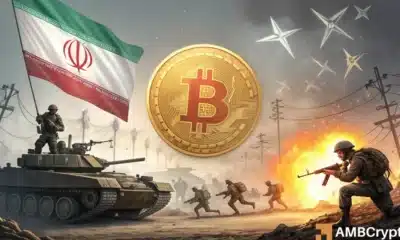
On February 28th, news of a U.S.-Israeli military strike on Tehran triggered an immediate and severe reaction in the crypto markets. Within one hour, traders sold off a staggering $1.8 billion in assets, causing a historic leverage purge. This rapid liquidation cascade forced out over-leveraged positions, collapsing bullish sentiment as the Bitcoin Derivatives Pressure Index plummeted.
Despite the initial panic, the market demonstrated resilience. The total crypto market cap has since rebounded to $2.32 trillion, with Bitcoin climbing back above $67,000. The Crypto Fear and Greed Index, while still signaling "Extreme Fear," improved from its recent lows. The community highlighted Bitcoin's role as a hedge against geopolitical instability, with some analysts pointing to a potential upcoming altcoin season.
Historically, war-related dips in Bitcoin have been short-lived. This event was unique because the market entered the crisis already oversold and had been deleveraging for months, meaning most weak hands had already been shaken out. Consequently, the shock did not break the market but may have instead helped establish a bottom. As global tensions persist, the market shows signs that the worst of the selling pressure may be over.
A major geopolitical shock occurred on February 28th when a US-Israel coalition launched a massive airstrike on Iran, resulting in significant global market turmoil. This event served as a severe stress test for popular financial narratives, particularly the "debasement trade" which posits that gold and Bitcoin act as hedges against currency devaluation during crises.
Initially, gold spiked but then fell over 4%, while silver plummeted 8%. Bitcoin remained largely stagnant. Contrary to expectations, the US Dollar Index rose 1.1%. The core insight was that in an acute crisis, the US dollar, due to its deep liquidity, became the primary safe-haven asset as investors rushed to cover margins and deleverage.
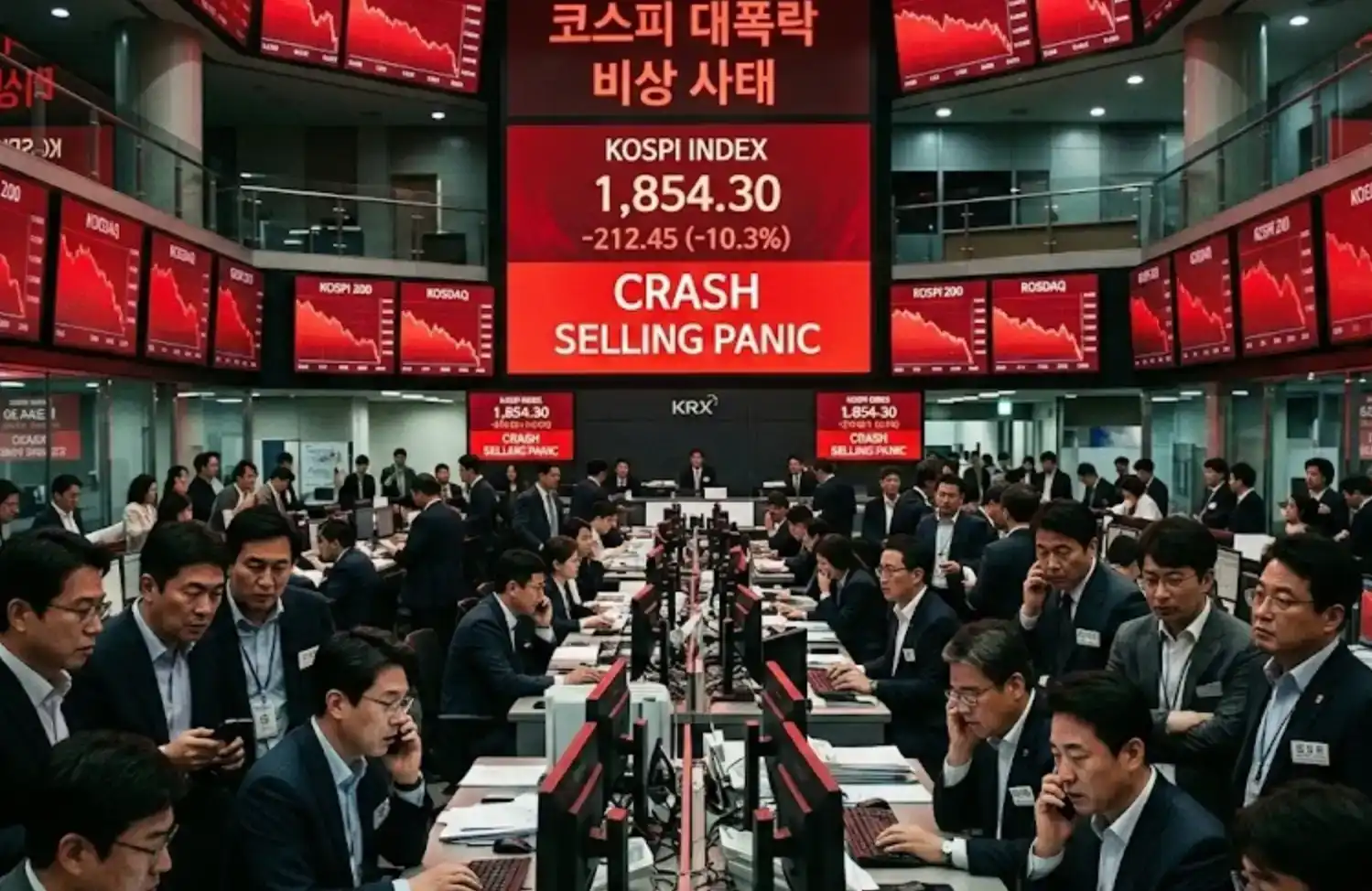
South Korea's market, closed for a holiday, experienced a delayed and extreme reaction, with the KOSPI crashing 7.24% upon reopening. This sell-off was exacerbated by high retail leverage and concentrated exposure in key semiconductor firms like Samsung and SK Hynix, critical to the global AI supply chain. The conflict also raised fears about oil supply disruptions via the Strait of Hormuz, directly impacting energy-dependent economies and manufacturing.
The event demonstrated that while long-term narratives about dollar debasement and the rise of hard assets remain valid, acute crises overwhelmingly favor dollar liquidity. In moments of panic, the financial system's architecture ensures that the dollar remains the ultimate refuge.