World's Richest Man, 'Silicon Valley Iron Man' Musk, to Take SpaceX Public in 2026!

marsbitPublicado em 2025-12-11Última atualização em 2025-12-11

Resumo

Elon Musk, the world's richest person and CEO of SpaceX, plans to take the company public in 2026 with a target valuation of approximately $1.5 trillion. The IPO is expected to raise "significantly more than $30 billion," potentially making it the largest in history, surpassing Saudi Aramco's 2019 offering. A key driver of this ambitious valuation is a new narrative: **space-based AI computing**. Musk introduced the concept of "space AI compute" at a recent investor conference, arguing that within five years, running AI training and inference in space could become the lowest-cost solution. The core advantages include near-uninterrupted solar power and the vacuum of space acting as an ultimate heat sink. Additionally, with its reusable Starship rockets, SpaceX aims to drastically reduce launch costs to as low as $200–300 per kilogram. This vision, however, faces significant technical hurdles. Challenges include managing extreme heat radiation in direct sunlight, protecting hardware from cosmic radiation, and the economic risks associated with potential launch failures. Competitors are also entering the arena, including Jeff Bezos’ Blue Origin, which is developing its own orbital data centers, and Sam Altman’s OpenAI, which is reportedly considering acquiring a rocket company. Despite the challenges, Wall Street has responded positively. Firms like Ark Invest are now valuing SpaceX as a high-growth AI infrastructure company rather than a traditional aerospace firm, projectin...

World's Richest Man, 'Silicon Valley Iron Man' Musk, to Take SpaceX Public in 2026.

Overall valuation is approximately $1.5 trillion (about RMB 10.6 trillion), and the planned financing scale will "significantly exceed $30 billion". If achieved, it will surpass Saudi Aramco's 2019 IPO ($29.4 billion) to become the world's largest IPO.

The grand goal of a $1.5 trillion valuation cannot rely solely on the old dream of Starlink and Starship's "stars and seas"; Musk has opportunistically crafted a new dream: Space Computing Power.
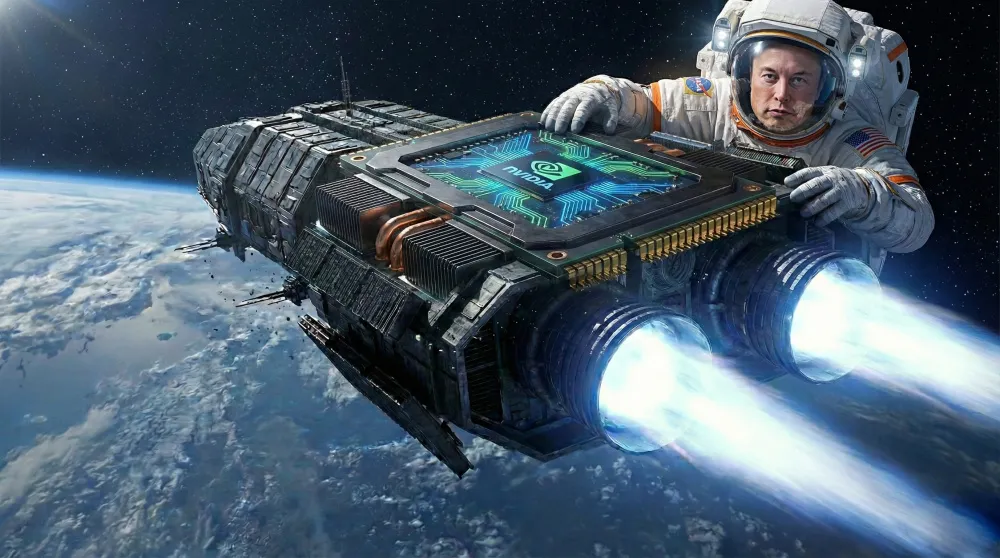
Those sharing the same dream include Bezos, Altman, and Silicon Valley giants like Google, NVIDIA, and Amazon. There's no other way—infrastructure and electricity on Earth are just too expensive.

At the Baron Capital Annual Investor Conference on November 18, Musk publicly elaborated on the concept of "Space AI Computing Power" for the first time. "Within five years, running AI training and inference in space will become the lowest-cost solution."

Musk clearly stated that Earth's orbit has the never-setting sun providing free electricity; the cosmic vacuum is the ultimate heat sink; the reusability of Starship will significantly reduce the cost of transporting materials to Earth's orbital space.

However, to utilize space's environment and energy, computing power in space requires additional technological advancements, including radiation protection, heat dissipation, etc., which in turn raises economic feasibility questions—the very problem space-based computing was meant to solve economically.

A senior aerospace researcher quipped: "Placing user data under the狂暴solar wind冲刷, what he needs isn't a computer, it's a brain supplement."

01

The Core of the New Narrative: Space Computing Power

Musk's proposed "space data center" is not science fiction but directly targets the two major bottlenecks of current Earth-based AI infrastructure: energy costs and cooling costs.

The environmental characteristics offered by space make it a leapfrog alternative, primarily including the never-setting sun and the cosmic vacuum. The former provides almost free energy, while the latter is a natural "ultimate heat sink".

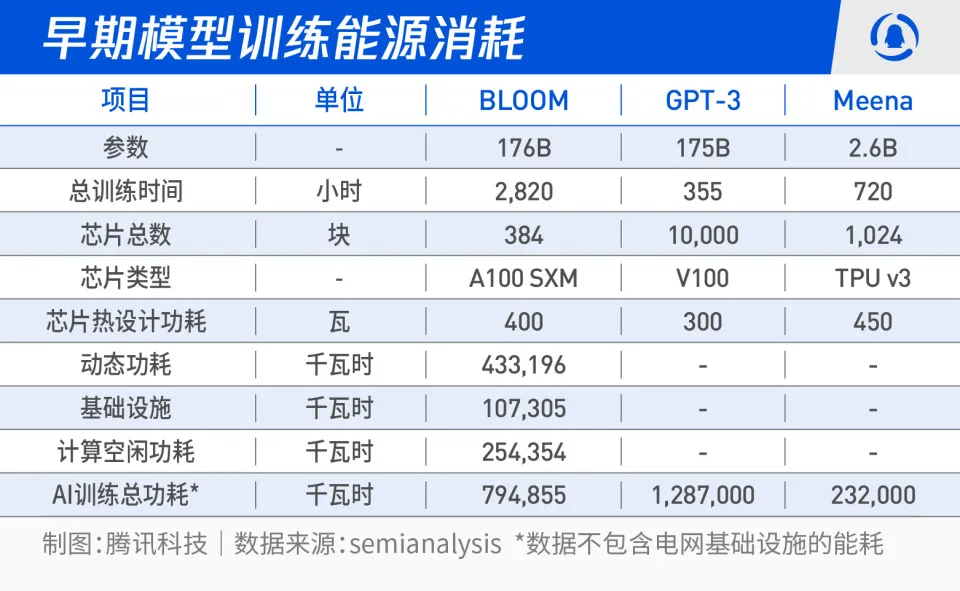
As AI models expand dramatically, energy has become the biggest pressure point in the computing economy. Training a model like GPT-5 could cost hundreds of millions of dollars, with electricity costs constituting a significant portion.
In contrast, low Earth orbit could enable space computing power to achieve a cost floor that is unattainable on Earth.

First, there is continuous solar resources—low orbit satellites circle the Earth about 16 times a day. Through orbital distribution and inter-satellite link scheduling, tasks can be switched in real-time to nodes in the sunlit zone, achieving nearly 24-hour energy supply.

Second, no land, power grid, or substation facilities are needed. Once deployed, the long-term cost of space-based solar power approaches zero.

Energy and infrastructure become cheap in space, but the heat dissipation problem must be solved. High-performance GPUs have extremely high thermal density, causing 30%–40% of a ground data center's electricity to be consumed by cooling.

In space, the vacuum environment, lacking convection and conduction, relies solely on thermal radiation for heat dissipation. For satellites on the sun-facing side, this is equivalent to "barbecue mode". Additionally, space radiation and high-energy particles could potentially disrupt high-performance computing processes, making them "fragmented".

"The computing chips you use on the ground likely won't work up there," emphasized the aforementioned researcher.

Another key element supporting SpaceX's space computing power story is Starship's launch capacity cost.

The economics of space computing power are built upon Starship's extremely low launch costs. Musk's planned Starship V3 (single payload ~100 tons) could, with high-frequency reuse, push the launch price down to $200–300 per kilogram, far lower than existing rockets.

Based on this estimate, the transportation cost to send a 200MW-class data center into orbit would be about $5–7.5 billion, still significantly lower than the total investment required to build a similar-scale AI supercomputer on Earth ($15–25 billion).

The story is always beautiful, but reality presents numerous challenges.

Beyond the aforementioned heat dissipation and cosmic rays, the first issue proponents of the "space computing power" narrative must consider is rocket explosions and accidents—the cost of such low-probability events would far exceed the value brought by increased launch capacity, especially considering 1GW of computing power on Earth is worth up to $50 billion.

From this perspective, everything returns to the original point: the "economic problem".

Regarding heat dissipation, while it might be possible to utilize the deep space's low temperatures, this raises another issue—distance is too great, requiring another more efficient energy source, such as nuclear power, to replace solar.

As for radiation, although it can be mitigated through radiation hardening, this adds extra technical challenges and costs beyond standard GPUs.

"Radiation hardening, the materials and processes themselves are expensive, and there's an upper limit to reinforcement; it's never as effective as the atmosphere's radiation protection," said the aforementioned researcher.

To address this, SpaceX is leveraging Tesla's experience with automotive-grade AI chips: Triple Modular Redundancy (TMR) architecture and real-time verification significantly improve radiation resistance.


02

Silicon Valley Capital Pushers "Get On Board"

SpaceX's new space computing power narrative is receiving a strong response from Wall Street and Silicon Valley capital.

Investment bank Morgan Stanley emphasized in a recent research report that the market's repricing of SpaceX's valuation essentially stems from the renewed expansion of its commercial boundaries. The "orbital data center" has become a new AI infrastructure narrative driving its valuation surge.
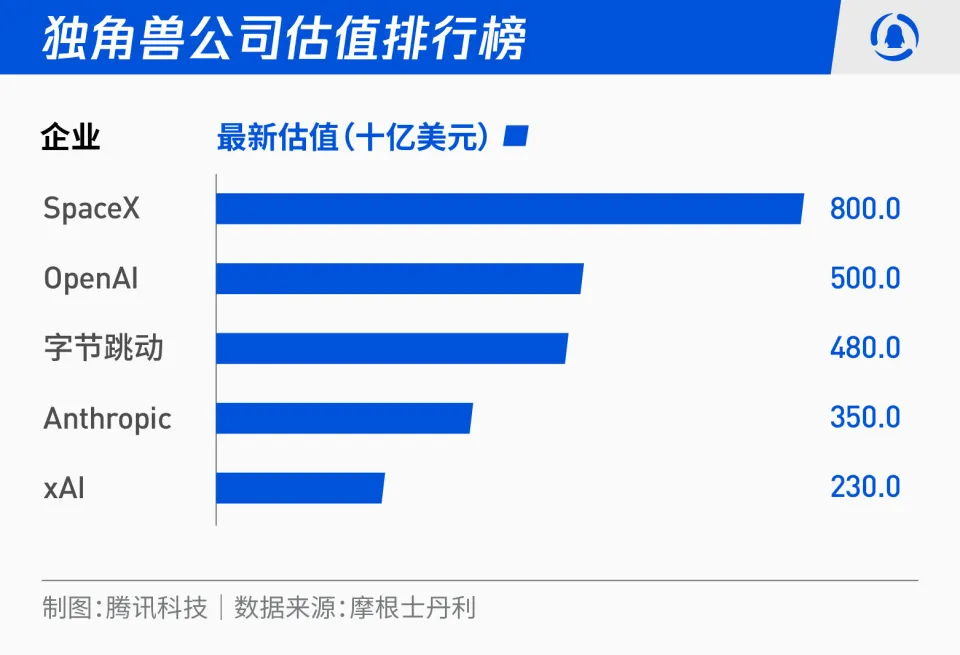
Analysts pointed out that this concept not only explains why the market is willing to price SpaceX like a high-growth software company but also why its valuation has shown a trend of doubling in half a year.

Wall Street has responded positively to Musk's new story for SpaceX. The most representative example is Cathie Wood's Ark Investment.

Ark's latest model explicitly values SpaceX entirely as a high-growth software company and AI infrastructure company, rather than a traditional aerospace or telecommunications enterprise. Almost all the新增valuation in their model comes from the "Space AI Computing Power" business line.

As long-time investors in Musk, they made aggressive scenario assumptions: By 2030, Starlink terminal users reach 120 million, contributing $300 billion in annual revenue; Orbital data centers will bring an additional $80–120 billion in revenue, with a net profit margin exceeding 70%, far higher than ground-based cloud services.

Ark Investment believes the key point is reducing Starship launch costs to below $100 per kilogram. After that, the scaled deployment of space computing power will experience exponential growth, similar to Amazon Web Services (AWS) after its launch, pushing SpaceX to become a $2.5 trillion-level company.

On the other hand, Silicon Valley mogul Peter Thiel's influence on SpaceX is more strategically significant.

As one of the earliest and most crucial external investors, Thiel provided a lifeline in 2008 when SpaceX faced three consecutive launch failures and was on the verge of bankruptcy, investing $20 million through Founders Fund as a timely rescue. He has since made multiple additional investments in SpaceX.

Thiel's support for SpaceX goes far beyond money itself; it also comes with the authoritative endorsement of the Silicon Valley ideology. Peter Thiel's involvement lends credibility to the "space computing power" narrative. More importantly, Thiel leverages his "Silicon Valley-Washington" influence to secure key policy and regulatory space for SpaceX.

The backing of these capital大佬相当于给SpaceX 1.5万亿美元的估值贴上了“可信”的标签. Therefore, Morgan Stanley noted in the aforementioned report that while Musk denied the rumored "$800 billion valuation," he was更多的是否认“融资行为”,并未否认估值本身.

Progress on Starship and Starlink, acquisition of global direct-to-cellular spectrum, the orbital data center becoming a new narrative, and SpaceX's overwhelming capability of capturing 90% of global launch mass have convinced capital markets that these variables will become the "main artery of future AI infrastructure".


03

Competition, Bubbles, and Risks

Over the past few years, Musk hasn't been the only one pushing the development of space computing power.

As early as 2021, the Barcelona Supercomputing Center (BSC) in Europe and Airbus Defence and Space jointly launched the GPU4S (GPU for Space) project, funded by the European Space Agency (ESA), to verify the feasibility of embedded GPUs in aerospace applications.

The project produced an open-source benchmark suite, GPU4S Bench, for evaluating performance in image processing, autonomous navigation, etc., and yielded the open-source benchmark test suite OBPMark adopted by ESA, laying the foundation for Europe's technological autonomy in orbital computing.

On November 2, 2025, a SpaceX Falcon 9 successfully launched the first experimental satellite, Starcloud-1, for startup Starcloud into low Earth orbit. The satellite carried an NVIDIA H100 GPU, marking the first verification of in-orbit AI data processing capability. It is reported that NVIDIA and Starcloud jointly developed a combined vacuum heat dissipation architecture, using highly thermally conductive materials on the satellite's exterior to conduct heat to the surface for dissipation via infrared radiation.

As Musk's old rival in the commercial space race, Jeff Bezos is also pushing Blue Origin to develop orbital AI data center technology, planning to use space-based solar power to fuel large-scale AI computing power.

He predicts that within the next 20 years, the cost of orbital data centers could be lower than ground facilities.

Another opponent in the AI field, OpenAI CEO Sam Altman, is also eager, considering acquiring rocket company Stoke Space to send AI computing payloads into space.

It can be said that the path for SpaceX to reach its $1.5 trillion valuation via "space computing power" is full of challengers, but the most direct opponent at this stage is Amazon's Project Kuiper.

Public information shows that Kuiper plans to deploy 3,200 satellites between 2026 and 2029 through launch agreements with Blue Origin. Its biggest advantage lies in AWS's global cloud ecosystem, which can offer enterprises a "ground + space" hybrid computing power offering.

But in Thiel's view, Kuiper still belongs to an "extension of the traditional cloud," relying on an Earth-infrastructure mindset that hasn't changed. Whereas SpaceX's space AI is a completely new paradigm: moving the computing center itself into orbit, making Earth data centers a supplementary layer. This paradigm difference determines the ceiling for both sides in the future "orbital cloud" competition.

Beyond technical and competitive challenges, regulatory issues must be considered—including orbital debris management, international spectrum coordination, and space militarization controversies—any of which could affect SpaceX's progress节奏in the next two to three years.

Returning to SpaceX: From the "Starlink IPO" in 2019, to "Starship is the core asset" in 2022, to the current "space data centers will become the cheapest AI computing power," Musk has rewritten SpaceX's narrative three times in the past six years, almost每一次都从质疑变成现实原型 (each time transforming from skepticism to a reality prototype).

Now, he is tying together Tesla's chip capabilities, xAI models, Starlink bandwidth, and Starship launch capacity into a unified strategy, targeting the most expensive resource of the AI era—low-cost computing power.

Wall Street has already started betting—the question is, can the richest man's new version of the "space dream" once again take shape?


Perguntas relacionadas

QWhat is the core of Elon Musk's new narrative for SpaceX's 2026 IPO, and what are its main advantages?

AThe core of the new narrative is 'Space Computing' or 'Orbital Data Centers'. The main advantages are access to nearly free, continuous solar power in orbit and the vacuum of space acting as the 'ultimate heat sink', which could significantly reduce the energy and cooling costs associated with large-scale AI computing on Earth.

QWhat major challenge does placing computing hardware in space present, according to the article?

AA major challenge is protecting the hardware from intense solar radiation and high-energy particles, which can disrupt high-performance computing processes. This requires developing and implementing expensive radiation-hardened technology and materials.

QWhich financial institution's analysis is cited as supporting the new 'space computing' narrative for SpaceX's valuation?

AInvestment bank Morgan Stanley is cited. Their analysis states that the 'orbital data center' concept is a new AI infrastructure story driving a re-rating of SpaceX's valuation, explaining why it's being valued like a high-growth software company.

QWho are some of the key competitors also exploring the concept of space-based computing, as mentioned in the article?

AKey competitors include Jeff Bezos' Blue Origin, which is developing orbital AI data center technology, and OpenAI CEO Sam Altman, who is considering acquiring rocket company Stoke Space for AI computing payloads. Amazon's Project Kuiper is also a direct competitor leveraging its AWS cloud ecosystem.

QWhat is the projected cost target for SpaceX's Starship V3 launch to make space computing economically viable, according to Ark Invest's model?

AArk Invest's model assumes a crucial target of reducing the Starship launch cost to under $100 per kilogram. Achieving this is seen as a key trigger for the exponential growth of space computing deployment.

Leituras Relacionadas

20 Billion Valuation, Alibaba and Tencent Competing to Invest, Whose Money Will Liang Wenfeng Take?

DeepSeek, an AI startup founded by Liang Wenfeng, is reportedly in talks with Alibaba and Tencent for an external funding round that could value the company at over $20 billion. This marks a significant shift, as DeepSeek had previously relied solely on funding from its parent company,幻方量化 (Huanfang Quantitative), and had resisted external investment. The potential valuation would place DeepSeek among the top-tier AI model companies in China, comparable to competitors like MoonDark (valued at ~$18 billion) and ahead of recently listed firms like MiniMax and Zhipu. The funding—which could range from $600 million (for a 3% stake) to $2 billion (for 10%)—is seen as a move to secure resources for model development, retain talent, and support infrastructure needs, particularly as competition in inference models and AI agents intensifies. Both Alibaba and Tencent are eager to invest, not only for financial returns but also to integrate DeepSeek into their broader AI ecosystems. However, DeepSeek’s leadership is cautious about maintaining independence and may prefer financial investors over strategic ones to avoid being locked into a specific tech ecosystem. Alternative options, such as state-backed funds, offer longer-term capital and policy support but may come with slower decision-making and potential constraints on global expansion. With competing AI firms accelerating their IPO plans, DeepSeek’s window for securing optimal terms may be narrowing. The final decision will reflect a trade-off between capital, resources, and strategic independence.

marsbitHá 22m

20 Billion Valuation, Alibaba and Tencent Competing to Invest, Whose Money Will Liang Wenfeng Take?

marsbitHá 22m

After Losing 97% of Its Market Value, iQiyi Attempts to Use AI to Forcefully Extend Its Lifespan

After losing 97% of its market value since its 2018 peak, iQiyi is aggressively pivoting to AI in a desperate attempt to survive. At its 2026 World Conference, CEO Gong Yu announced an "AI Artist Library" with over 100 virtual performers and a new AIGC platform, "NaDou Pro," promising faster production and lower costs. This shift comes as the company faces severe financial distress: its market cap sits near delisting thresholds at $1.36 billion, with significant losses, declining membership revenue, and depleted cash flow. The AI strategy has sparked controversy. Top actors have issued legal threats against unauthorized digital replicas, while in Hengdian, over 134,000 background actors are seeing their already scarce job opportunities vanish as AI replaces them for background roles. iQiyi's move represents a fundamental shift from being a high-cost content buyer to a landlord" to becoming a "platform capitalist" that transfers production risk to creators. This contrasts with competitors like Douyin (TikTok's Chinese counterpart), which is investing heavily in *real* actor-led short dramas, betting that authentic human connection retains users better than AI-generated content. The article draws a parallel to the 1920s transition to "talkies," which made cinema musicians obsolete but ultimately enriched the art form. In contrast, iQiyi's AI drive is framed not as an artistic evolution but as a cost-cutting measure that could degrade storytelling, replacing genuine human emotion with algorithmically calculated stimulation and potentially numbing audiences' capacity for empathy. The core question remains: can a company focused solely on financial survival preserve the art of storytelling?

marsbitHá 25m

After Losing 97% of Its Market Value, iQiyi Attempts to Use AI to Forcefully Extend Its Lifespan

marsbitHá 25m

Only a 50% Chance of Passing This Year, Can the CLARITY Bill Succeed Before the Midterm Elections?

The CLARITY Act, which passed the House in July 2025 with strong bipartisan support (294-134), faces a critical juncture in the Senate. The Senate Banking Committee is expected to hold a markup soon, but key issues remain unresolved, including stablecoin yield provisions, DeFi regulations, and securing full Republican committee support. Other contentious points involve the Blockchain Regulatory Certainty Act (BRCA), ethics amendments for government officials, and SEC-related matters. The legislative calendar is tight, with limited time before the midterm elections. If the committee markup is delayed beyond mid-May, the chances of passage in 2026 drop significantly. Senator Cynthia Lummis has warned that failure this year could delay comprehensive crypto market structure legislation until 2030 or later. Galaxy estimates the probability of the CLARITY Act becoming law in 2026 is only about 50%. The bill provides crucial regulatory clarity by defining jurisdictional boundaries between the SEC and CFTC, establishing a path for decentralization, and bringing digital commodity intermediaries under federal regulation. Its passage is seen as vital before potential power shifts in the next Congress, which could bring less favorable leadership to key committees. The timeline is compressed, and the bill must compete for floor time with other priorities like Iran authorization and DHS appropriations. Key hurdles include finalizing the stablecoin yield compromise text, addressing law enforcement concerns about BRCA, and navigating political dynamics around SEC nominations. The outcome of the Banking Committee markup and the level of bipartisan support will be critical indicators of its future success.

marsbitHá 1h

Only a 50% Chance of Passing This Year, Can the CLARITY Bill Succeed Before the Midterm Elections?

marsbitHá 1h

Trading

Spot
Futuros

Artigos em Destaque

O que é $S$

Compreender o SPERO: Uma Visão Abrangente Introdução ao SPERO À medida que o panorama da inovação continua a evoluir, o surgimento de tecnologias web3 e projetos de criptomoeda desempenha um papel fundamental na formação do futuro digital. Um projeto que tem atraído atenção neste campo dinâmico é o SPERO, denotado como SPERO,$$s$. Este artigo tem como objetivo reunir e apresentar informações detalhadas sobre o SPERO, para ajudar entusiastas e investidores a compreender as suas bases, objetivos e inovações nos domínios web3 e cripto. O que é o SPERO,$$s$? O SPERO,$$s$ é um projeto único dentro do espaço cripto que procura aproveitar os princípios da descentralização e da tecnologia blockchain para criar um ecossistema que promove o envolvimento, a utilidade e a inclusão financeira. O projeto é concebido para facilitar interações peer-to-peer de novas maneiras, proporcionando aos utilizadores soluções e serviços financeiros inovadores. No seu núcleo, o SPERO,$$s$ visa capacitar indivíduos ao fornecer ferramentas e plataformas que melhoram a experiência do utilizador no espaço das criptomoedas. Isso inclui a possibilidade de métodos de transação mais flexíveis, a promoção de iniciativas impulsionadas pela comunidade e a criação de caminhos para oportunidades financeiras através de aplicações descentralizadas (dApps). A visão subjacente do SPERO,$$s$ gira em torno da inclusão, visando fechar lacunas dentro das finanças tradicionais enquanto aproveita os benefícios da tecnologia blockchain. Quem é o Criador do SPERO,$$s$? A identidade do criador do SPERO,$$s$ permanece algo obscura, uma vez que existem recursos publicamente disponíveis limitados que fornecem informações detalhadas sobre o(s) seu(s) fundador(es). Esta falta de transparência pode resultar do compromisso do projeto com a descentralização—uma ética que muitos projetos web3 partilham, priorizando contribuições coletivas em vez de reconhecimento individual. Ao centrar as discussões em torno da comunidade e dos seus objetivos coletivos, o SPERO,$$s$ incorpora a essência do empoderamento sem destacar indivíduos específicos. Assim, compreender a ética e a missão do SPERO é mais importante do que identificar um criador singular. Quem são os Investidores do SPERO,$$s$? O SPERO,$$s$ é apoiado por uma diversidade de investidores que vão desde capitalistas de risco a investidores-anjo dedicados a promover a inovação no setor cripto. O foco desses investidores geralmente alinha-se com a missão do SPERO—priorizando projetos que prometem avanço tecnológico social, inclusão financeira e governança descentralizada. Essas fundações de investidores estão tipicamente interessadas em projetos que não apenas oferecem produtos inovadores, mas que também contribuem positivamente para a comunidade blockchain e os seus ecossistemas. O apoio desses investidores reforça o SPERO,$$s$ como um concorrente notável no domínio em rápida evolução dos projetos cripto. Como Funciona o SPERO,$$s$? O SPERO,$$s$ emprega uma estrutura multifacetada que o distingue de projetos de criptomoeda convencionais. Aqui estão algumas das características-chave que sublinham a sua singularidade e inovação: Governança Descentralizada: O SPERO,$$s$ integra modelos de governança descentralizada, capacitando os utilizadores a participar ativamente nos processos de tomada de decisão sobre o futuro do projeto. Esta abordagem promove um sentido de propriedade e responsabilidade entre os membros da comunidade. Utilidade do Token: O SPERO,$$s$ utiliza o seu próprio token de criptomoeda, concebido para servir várias funções dentro do ecossistema. Esses tokens permitem transações, recompensas e a facilitação de serviços oferecidos na plataforma, melhorando o envolvimento e a utilidade gerais. Arquitetura em Camadas: A arquitetura técnica do SPERO,$$s$ suporta modularidade e escalabilidade, permitindo a integração contínua de funcionalidades e aplicações adicionais à medida que o projeto evolui. Esta adaptabilidade é fundamental para manter a relevância no panorama cripto em constante mudança. Envolvimento da Comunidade: O projeto enfatiza iniciativas impulsionadas pela comunidade, empregando mecanismos que incentivam a colaboração e o feedback. Ao nutrir uma comunidade forte, o SPERO,$$s$ pode melhor atender às necessidades dos utilizadores e adaptar-se às tendências do mercado. Foco na Inclusão: Ao oferecer taxas de transação baixas e interfaces amigáveis, o SPERO,$$s$ visa atrair uma base de utilizadores diversificada, incluindo indivíduos que anteriormente podem não ter participado no espaço cripto. Este compromisso com a inclusão alinha-se com a sua missão abrangente de empoderamento através da acessibilidade. Cronologia do SPERO,$$s$ Compreender a história de um projeto fornece insights cruciais sobre a sua trajetória de desenvolvimento e marcos. Abaixo está uma cronologia sugerida que mapeia eventos significativos na evolução do SPERO,$$s$: Fase de Conceituação e Ideação: As ideias iniciais que formam a base do SPERO,$$s$ foram concebidas, alinhando-se de perto com os princípios de descentralização e foco na comunidade dentro da indústria blockchain. Lançamento do Whitepaper do Projeto: Após a fase conceitual, um whitepaper abrangente detalhando a visão, os objetivos e a infraestrutura tecnológica do SPERO,$$s$ foi lançado para atrair o interesse e o feedback da comunidade. Construção da Comunidade e Primeiros Envolvimentos: Esforços ativos de divulgação foram feitos para construir uma comunidade de primeiros adotantes e investidores potenciais, facilitando discussões em torno dos objetivos do projeto e angariando apoio. Evento de Geração de Tokens: O SPERO,$$s$ realizou um evento de geração de tokens (TGE) para distribuir os seus tokens nativos a apoiantes iniciais e estabelecer liquidez inicial dentro do ecossistema. Lançamento da dApp Inicial: A primeira aplicação descentralizada (dApp) associada ao SPERO,$$s$ foi lançada, permitindo que os utilizadores interagissem com as funcionalidades principais da plataforma. Desenvolvimento Contínuo e Parcerias: Atualizações e melhorias contínuas nas ofertas do projeto, incluindo parcerias estratégicas com outros players no espaço blockchain, moldaram o SPERO,$$s$ em um jogador competitivo e em evolução no mercado cripto. Conclusão O SPERO,$$s$ é um testemunho do potencial do web3 e das criptomoedas para revolucionar os sistemas financeiros e capacitar indivíduos. Com um compromisso com a governança descentralizada, o envolvimento da comunidade e funcionalidades inovadoras, abre caminho para um panorama financeiro mais inclusivo. Como em qualquer investimento no espaço cripto em rápida evolução, potenciais investidores e utilizadores são incentivados a pesquisar minuciosamente e a envolver-se de forma ponderada com os desenvolvimentos em curso dentro do SPERO,$$s$. O projeto demonstra o espírito inovador da indústria cripto, convidando a uma exploração mais aprofundada das suas inúmeras possibilidades. Embora a jornada do SPERO,$$s$ ainda esteja a desenrolar-se, os seus princípios fundamentais podem, de facto, influenciar o futuro de como interagimos com a tecnologia, as finanças e uns com os outros em ecossistemas digitais interconectados.

69 Visualizações TotaisPublicado em {updateTime}Atualizado em 2024.12.17

O que é $S$

O que é AGENT S

Agent S: O Futuro da Interação Autónoma no Web3 Introdução No panorama em constante evolução do Web3 e das criptomoedas, as inovações estão constantemente a redefinir a forma como os indivíduos interagem com plataformas digitais. Um projeto pioneiro, o Agent S, promete revolucionar a interação humano-computador através do seu framework aberto e agente. Ao abrir caminho para interações autónomas, o Agent S visa simplificar tarefas complexas, oferecendo aplicações transformadoras em inteligência artificial (IA). Esta exploração detalhada irá aprofundar-se nas complexidades do projeto, nas suas características únicas e nas implicações para o domínio das criptomoedas. O que é o Agent S? O Agent S é um framework aberto e agente, especificamente concebido para abordar três desafios fundamentais na automação de tarefas computacionais: Aquisição de Conhecimento Específico de Domínio: O framework aprende inteligentemente a partir de várias fontes de conhecimento externas e experiências internas. Esta abordagem dupla capacita-o a construir um rico repositório de conhecimento específico de domínio, melhorando o seu desempenho na execução de tarefas. Planeamento ao Longo de Longos Horizontes de Tarefas: O Agent S emprega planeamento hierárquico aumentado por experiência, uma abordagem estratégica que facilita a decomposição e execução eficientes de tarefas intrincadas. Esta característica melhora significativamente a sua capacidade de gerir múltiplas subtarefas de forma eficiente e eficaz. Gestão de Interfaces Dinâmicas e Não Uniformes: O projeto introduz a Interface Agente-Computador (ACI), uma solução inovadora que melhora a interação entre agentes e utilizadores. Utilizando Modelos de Linguagem Multimodais de Grande Escala (MLLMs), o Agent S pode navegar e manipular diversas interfaces gráficas de utilizador de forma fluida. Através destas características pioneiras, o Agent S fornece um framework robusto que aborda as complexidades envolvidas na automação da interação humana com máquinas, preparando o terreno para uma infinidade de aplicações em IA e além. Quem é o Criador do Agent S? Embora o conceito de Agent S seja fundamentalmente inovador, informações específicas sobre o seu criador permanecem elusivas. O criador é atualmente desconhecido, o que destaca ou o estágio nascente do projeto ou a escolha estratégica de manter os membros fundadores em anonimato. Independentemente da anonimidade, o foco permanece nas capacidades e no potencial do framework. Quem são os Investidores do Agent S? Como o Agent S é relativamente novo no ecossistema criptográfico, informações detalhadas sobre os seus investidores e financiadores não estão explicitamente documentadas. A falta de informações disponíveis publicamente sobre as fundações de investimento ou organizações que apoiam o projeto levanta questões sobre a sua estrutura de financiamento e roteiro de desenvolvimento. Compreender o apoio é crucial para avaliar a sustentabilidade do projeto e o seu impacto potencial no mercado. Como Funciona o Agent S? No núcleo do Agent S reside uma tecnologia de ponta que lhe permite funcionar eficazmente em diversos ambientes. O seu modelo operacional é construído em torno de várias características-chave: Interação Humano-Computador Semelhante: O framework oferece planeamento avançado em IA, esforçando-se para tornar as interações com computadores mais intuitivas. Ao imitar o comportamento humano na execução de tarefas, promete elevar as experiências dos utilizadores. Memória Narrativa: Utilizada para aproveitar experiências de alto nível, o Agent S utiliza memória narrativa para acompanhar os históricos de tarefas, melhorando assim os seus processos de tomada de decisão. Memória Episódica: Esta característica fornece aos utilizadores orientações passo a passo, permitindo que o framework ofereça suporte contextual à medida que as tarefas se desenrolam. Suporte para OpenACI: Com a capacidade de funcionar localmente, o Agent S permite que os utilizadores mantenham o controlo sobre as suas interações e fluxos de trabalho, alinhando-se com a ética descentralizada do Web3. Fácil Integração com APIs Externas: A sua versatilidade e compatibilidade com várias plataformas de IA garantem que o Agent S possa integrar-se perfeitamente em ecossistemas tecnológicos existentes, tornando-o uma escolha apelativa para desenvolvedores e organizações. Estas funcionalidades contribuem coletivamente para a posição única do Agent S no espaço cripto, à medida que automatiza tarefas complexas e em múltiplos passos com mínima intervenção humana. À medida que o projeto evolui, as suas potenciais aplicações no Web3 podem redefinir a forma como as interações digitais se desenrolam. Cronologia do Agent S O desenvolvimento e os marcos do Agent S podem ser encapsulados numa cronologia que destaca os seus eventos significativos: 27 de Setembro de 2024: O conceito de Agent S foi lançado num artigo de pesquisa abrangente intitulado “Um Framework Agente Aberto que Usa Computadores como um Humano”, mostrando a base para o projeto. 10 de Outubro de 2024: O artigo de pesquisa foi disponibilizado publicamente no arXiv, oferecendo uma exploração aprofundada do framework e da sua avaliação de desempenho com base no benchmark OSWorld. 12 de Outubro de 2024: Uma apresentação em vídeo foi lançada, proporcionando uma visão visual das capacidades e características do Agent S, envolvendo ainda mais potenciais utilizadores e investidores. Estes marcos na cronologia não apenas ilustram o progresso do Agent S, mas também indicam o seu compromisso com a transparência e o envolvimento da comunidade. Pontos-Chave Sobre o Agent S À medida que o framework Agent S continua a evoluir, várias características-chave destacam-se, sublinhando a sua natureza inovadora e potencial: Framework Inovador: Concebido para proporcionar um uso intuitivo de computadores semelhante à interação humana, o Agent S traz uma abordagem nova à automação de tarefas. Interação Autónoma: A capacidade de interagir autonomamente com computadores através de GUI significa um avanço em direção a soluções computacionais mais inteligentes e eficientes. Automação de Tarefas Complexas: Com a sua metodologia robusta, pode automatizar tarefas complexas e em múltiplos passos, tornando os processos mais rápidos e menos propensos a erros. Melhoria Contínua: Os mecanismos de aprendizagem permitem que o Agent S melhore a partir de experiências passadas, aprimorando continuamente o seu desempenho e eficácia. Versatilidade: A sua adaptabilidade em diferentes ambientes operacionais, como OSWorld e WindowsAgentArena, garante que pode servir uma ampla gama de aplicações. À medida que o Agent S se posiciona no panorama do Web3 e das criptomoedas, o seu potencial para melhorar as capacidades de interação e automatizar processos significa um avanço significativo nas tecnologias de IA. Através do seu framework inovador, o Agent S exemplifica o futuro das interações digitais, prometendo uma experiência mais fluida e eficiente para os utilizadores em diversas indústrias. Conclusão O Agent S representa um ousado avanço na união da IA e do Web3, com a capacidade de redefinir a forma como interagimos com a tecnologia. Embora ainda esteja nas suas fases iniciais, as possibilidades para a sua aplicação são vastas e cativantes. Através do seu framework abrangente que aborda desafios críticos, o Agent S visa trazer interações autónomas para o primeiro plano da experiência digital. À medida que avançamos mais profundamente nos domínios das criptomoedas e da descentralização, projetos como o Agent S desempenharão, sem dúvida, um papel crucial na formação do futuro da tecnologia e da colaboração humano-computador.

529 Visualizações TotaisPublicado em {updateTime}Atualizado em 2025.01.14

O que é AGENT S

Como comprar S

Bem-vindo à HTX.com!Tornámos a compra de Sonic (S) simples e conveniente.Segue o nosso guia passo a passo para iniciar a tua jornada no mundo das criptos.Passo 1: cria a tua conta HTXUtiliza o teu e-mail ou número de telefone para te inscreveres numa conta gratuita na HTX.Desfruta de um processo de inscrição sem complicações e desbloqueia todas as funcionalidades.Obter a minha contaPasso 2: vai para Comprar Cripto e escolhe o teu método de pagamentoCartão de crédito/débito: usa o teu visa ou mastercard para comprar Sonic (S) instantaneamente.Saldo: usa os fundos da tua conta HTX para transacionar sem problemas.Terceiros: adicionamos métodos de pagamento populares, como Google Pay e Apple Pay, para aumentar a conveniência.P2P: transaciona diretamente com outros utilizadores na HTX.Mercado de balcão (OTC): oferecemos serviços personalizados e taxas de câmbio competitivas para os traders.Passo 3: armazena teu Sonic (S)Depois de comprar o teu Sonic (S), armazena-o na tua conta HTX.Alternativamente, podes enviá-lo para outro lugar através de transferência blockchain ou usá-lo para transacionar outras criptomoedas.Passo 4: transaciona Sonic (S)Transaciona facilmente Sonic (S) no mercado à vista da HTX.Acede simplesmente à tua conta, seleciona o teu par de trading, executa as tuas transações e monitoriza em tempo real.Oferecemos uma experiência de fácil utilização tanto para principiantes como para traders experientes.

984 Visualizações TotaisPublicado em {updateTime}Atualizado em 2025.03.21

Como comprar S

Discussões

Bem-vindo à Comunidade HTX. Aqui, pode manter-se informado sobre os mais recentes desenvolvimentos da plataforma e obter acesso a análises profissionais de mercado. As opiniões dos utilizadores sobre o preço de S (S) são apresentadas abaixo.

活动图片