When Silver Became a Meme Stock, Retail Investors Ultimately Caught the Falling Knife

marsbitPublicado em 2026-02-05Última atualização em 2026-02-05

Resumo

The article details the dramatic rise and crash of silver prices in early 2026, which saw a 40% plunge in three days after retail investors, inspired by the GameStop phenomenon, poured a record $1 billion into silver ETFs. The crash was triggered not by a change in Fed leadership, as initially reported, but by the CME raising margin requirements by 50%, forcing over-leveraged retail traders into a cascade of automatic liquidations. While散户 suffered significant losses, institutional players like JPMorgan capitalized on the chaos. They accessed emergency Fed liquidity unavailable to retail, executed profitable arbitrage on the discounted SLV ETF, and strategically bought physical silver at the bottom. The piece concludes that the event highlights the structural advantages institutions hold in an asymmetric market, where散户, attempting to challenge Wall Street, ultimately became the victims of a "mass grave" they helped create.

Author: Xu Chao, Wall Street News

"I lost an entire year's after-tax salary today."
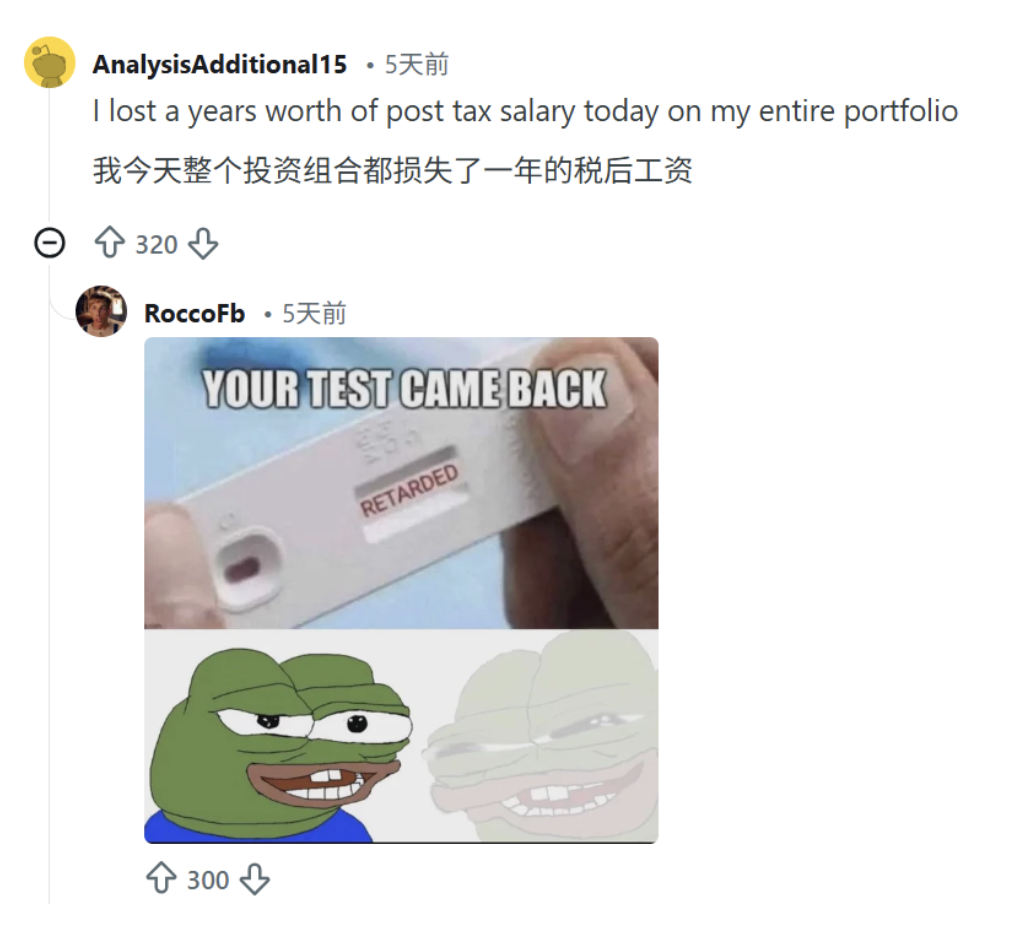
This was the desperate cry left by a Reddit user on the forum last Friday.

Just a few days ago, silver was seen as the "GameStop of 2026," a symbol of retail investors banding together to fight against Wall Street. Reddit forums were flooded with "Diamond Hands" memes, vowing to send silver to the moon.
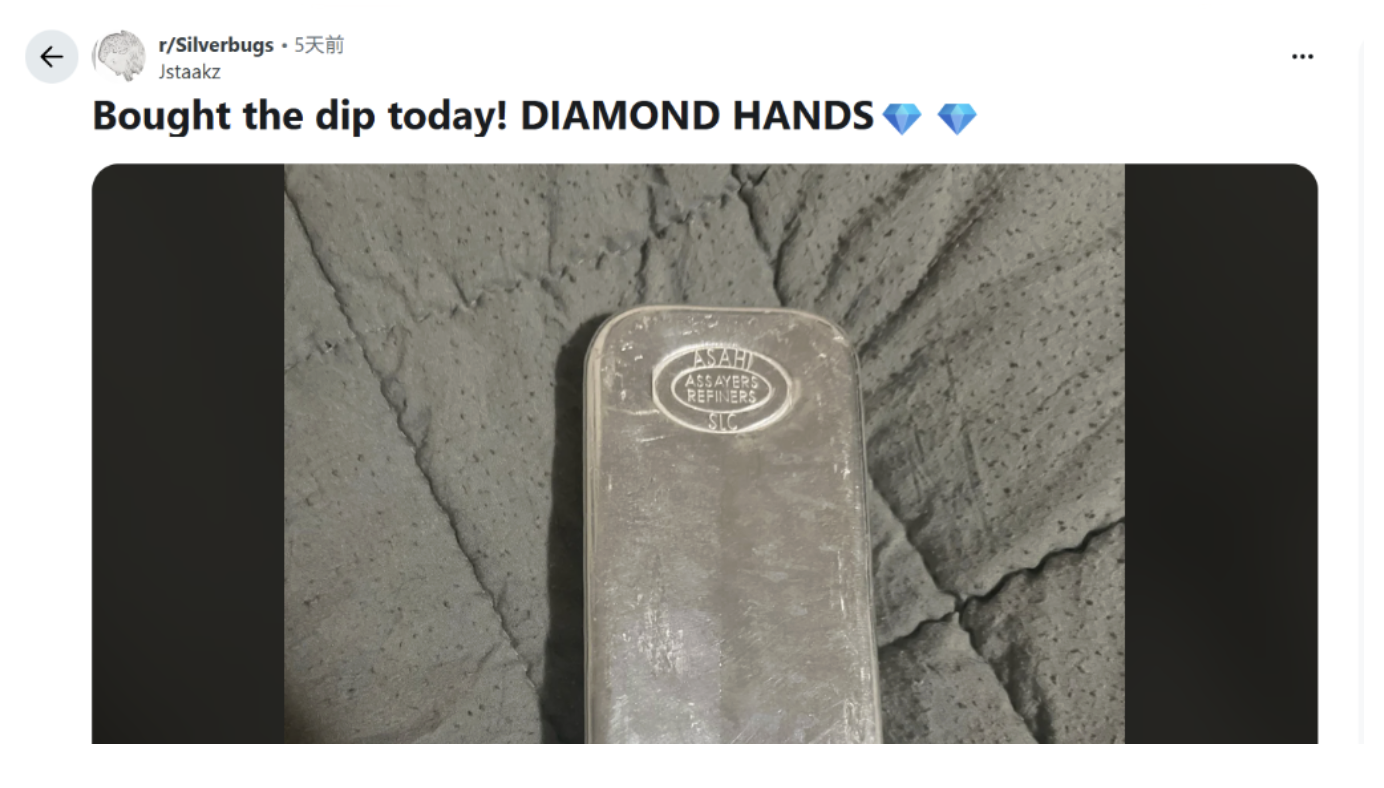
However, the狂欢 (carnival/euphoria) came to an abrupt halt within just three days.

Silver prices plummeted in free fall from a high of over $120 per ounce, crashing 40% in three days, not only erasing recent gains but also leaving a terrifying cliff on the chart.

For retail investors who bought at the peak, this wasn't a correction; it was a massacre. The silver market, once承载着 (carrying/hosting) dreams of sudden wealth, has been turned into a "mass grave" where retail investors buried themselves.
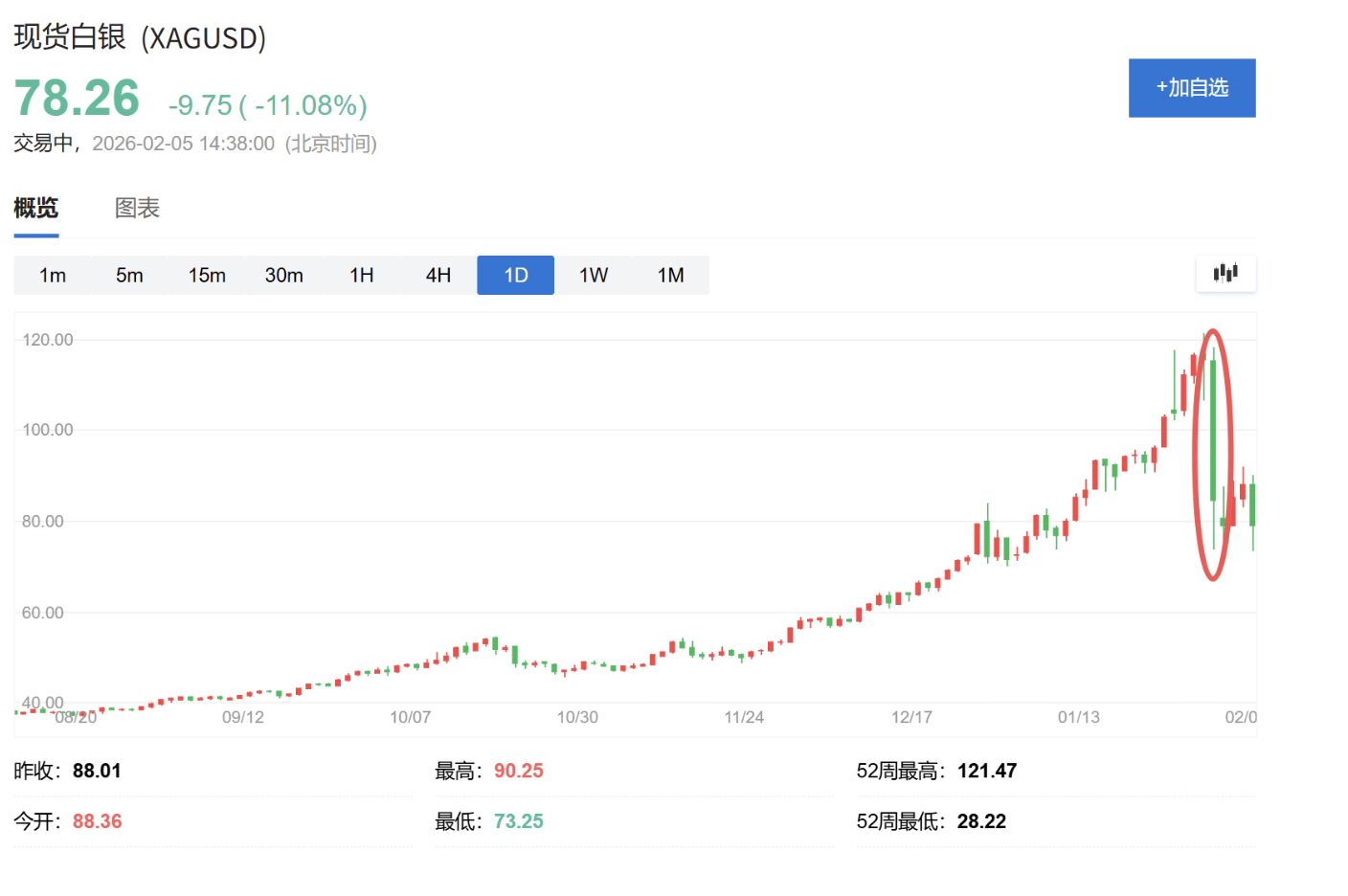
How did this happen? While we were talking about a "short squeeze," Wall Street's giants had already opened their bloody maws.

The Crazy Casino: When Silver Became a "Meme Stock"

The silver market in January 2026 could no longer be described as rational.

According to VandaTrack data, individual investors poured a record $1 billion net into silver ETFs in January alone.

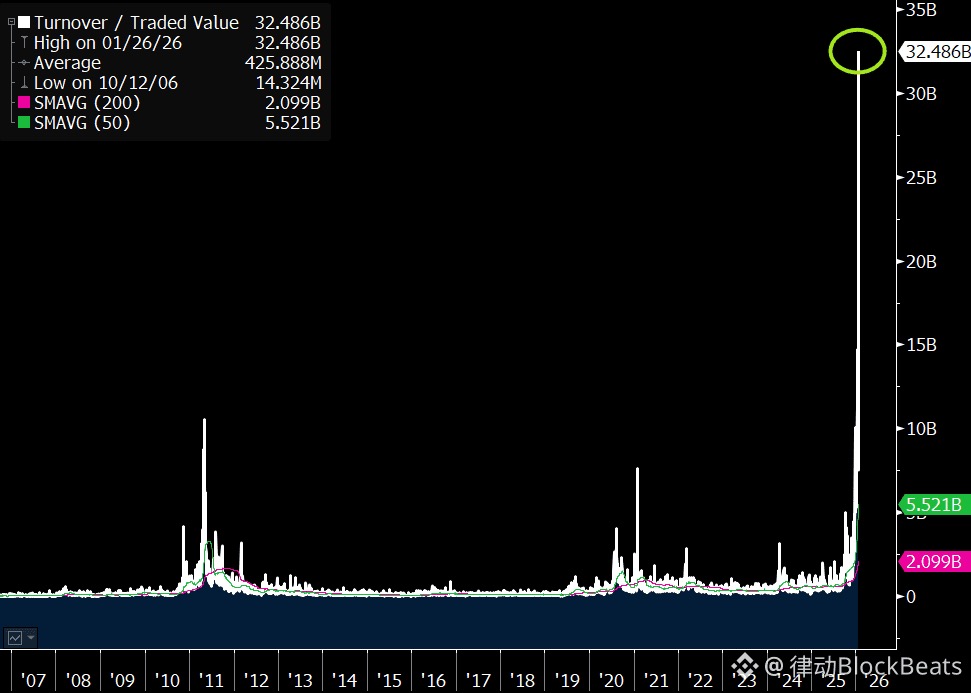
This狂热 (frenzy) peaked on January 26th—trading volume for the silver ETF (SLV) reached a staggering $39.4 billion, almost matching the S&P 500 ETF (SPY)'s $41.9 billion.

Remember, this is an ETF for a single metal; its popularity nearly rivaled that of the entire U.S. stock market.
StoneX market analyst Rhona O’Connell was blunt: "Silver is severely overvalued, caught in a self-fulfilling madness. It's behaving like Icarus, flying too close to the sun, and will eventually get burned."

Social media acted as an accelerant for this狂欢 (carnival/euphoria).

On Reddit's WallStreetBets and Silverbugs sections, posts about silver surged to 20 times the five-year average. Retail investors, like they did rushing into GameStop in 2021, flocked en masse into this notoriously volatile market, trying to drown out fundamentals with sheer capital.

Bull and Baird market strategist Michael Antonelli told CNBC helplessly: "Silver has completely become the GameStop of 2026. The price doubled in three months, completely detached from industrial demand fundamentals, purely a vertical climb built on retail money."

But they forgot silver has a nickname: "gold on steroids." It rises疯狂 (crazily), and falls even more ruthlessly.

Crash Truth: Who Pulled the Trigger?

On January 30th, the惨案 (disaster) occurred. Silver experienced an epic sell-off within hours.

Media and analysts quickly found a perfect scapegoat: Kevin Warsh's nomination as Fed Chair.
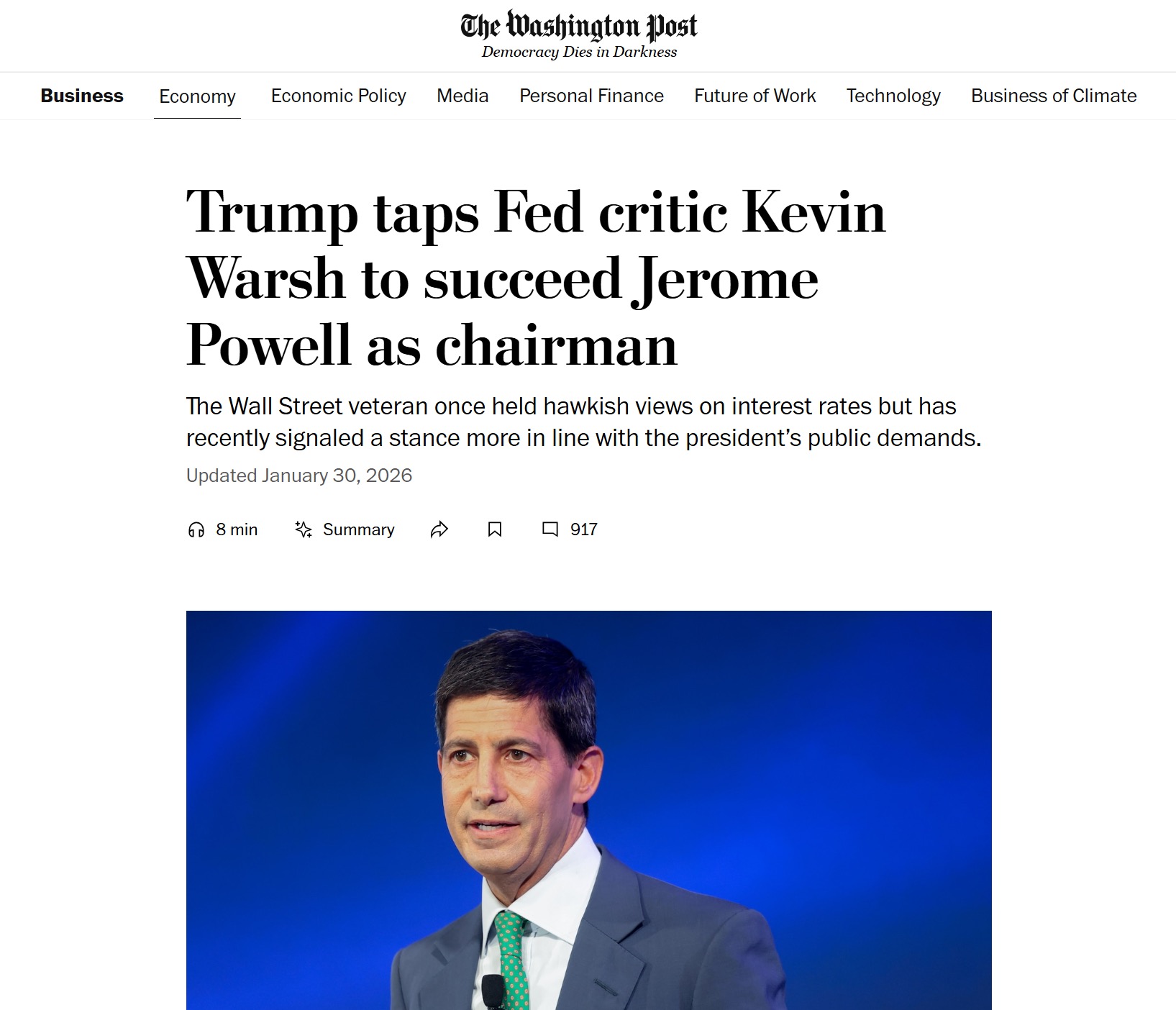
The market's reasoning seemed logical: Warsh is a hawk, implying rates will stay high, which is bearish for non-yielding precious metals.

But the truth often lies in the details.

Warsh's nomination was announced at 1:45 PM ET (1:45 AM Beijing Time on Feb 1st). However, silver's crash began as early as 10:30 AM on the 30th. In the three-plus hours before the news was public, silver prices had already plunged 27%.
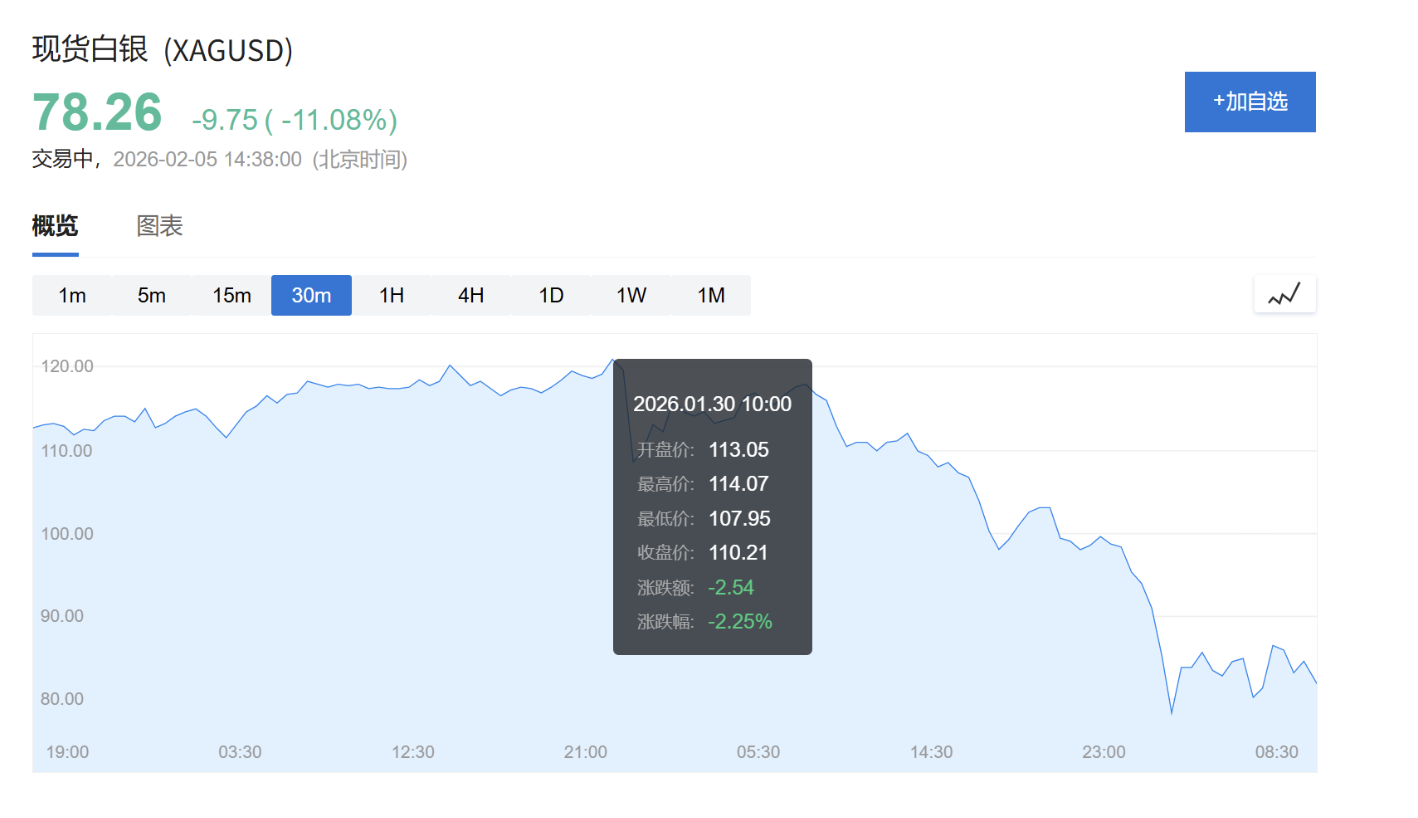
Blaming the Fed nomination was just a cover for the real "tool of slaughter"—margin requirements.

In reality, the true catalyst for this "mass grave" tragedy was a change in exchange rules. The Chicago Mercantile Exchange (CME) raised margin requirements for silver futures twice in the week before the crash, for a total increase of 50%.

What does this mean?

If you were a retail investor fully leveraged, your account previously only needed $22,000 to maintain the position. Suddenly, the exchange demanded you come up with $32,500. Can't produce the extra $10,500? Sorry, the system will automatically liquidate your position,不问价格 (regardless of price),不计成本 (regardless of cost).

This is why the crash was so rapid. Margin hikes triggered the first wave of forced liquidations, which caused prices to fall, which in turn triggered more people's liquidation thresholds. It's a vicious cycle, and retail investors are at the very bottom of this cycle.

An Asymmetric Game

While retail investors were wailing in the "mass grave," what were the institutions doing?

The answer might send a chill down your spine: They were waiting for retail sell-offs to buy low and profit. And this isn't illegal; it's a structural advantage built into the market's operation.

According to disclosures by columnist Luis Flavio Nunes, institutions, represented by JPMorgan, demonstrated textbook "profit-taking" methods during this crash:

Step 1: Access Emergency Liquidity.

While the exchange was raising margin requirements for retail investors, banking institutions were enjoying a "blood transfusion" from the Fed.

Data shows that on December 31st, banks borrowed a record $74.6 billion from the Fed's emergency lending window (SRF). This mechanism exists precisely to provide short-term liquidity to eligible financial institutions. Its design初衷 (original intention) is to prevent funding crises. But the reality is: Only specific institutions qualify to use this tool.
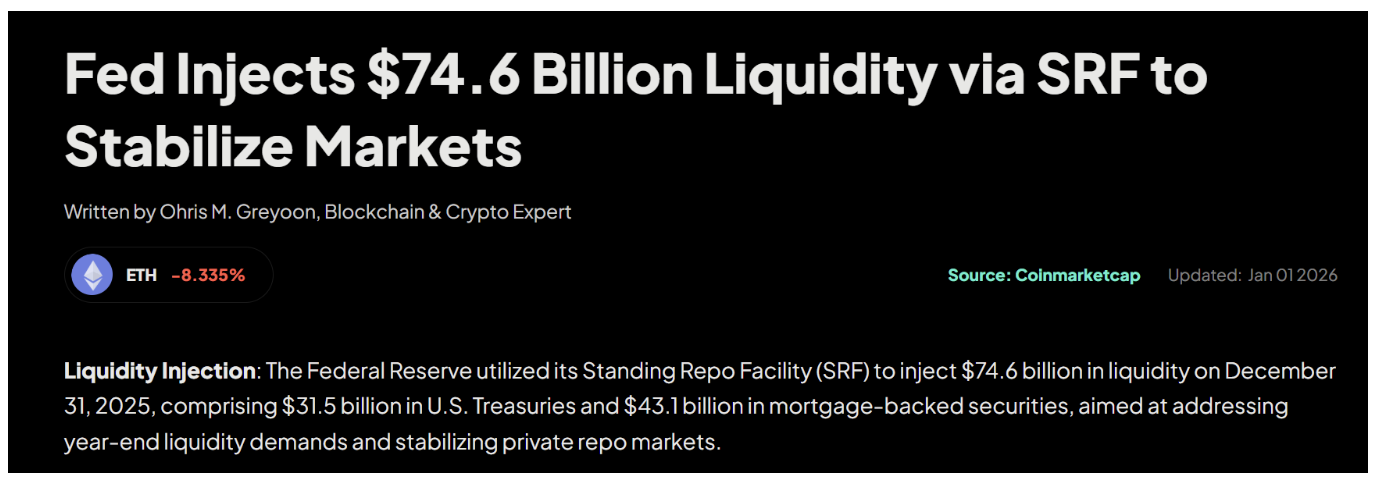

At the same time, the exchange raised silver margin requirements (by) 50% within a week. The Fed's emergency funding tool provides cash to eligible institutions at favorable rates. Retail investors have no access to equivalent channels of emergency central bank funding. This isn't favoritism. It's determined by the financial system's architecture: central banks lend to banks, not to individuals.

Step 2: Wait for the Market Chaos Caused by Margin Hikes.

The core mechanism of the silver crash lies in the difference in ability between retail and institutions to respond to increased margin requirements.

On December 26th and 30th, just before the crash, the CME raised margin requirements for silver trading by 50% in a short period. This meant a trader holding a position needed to immediately come up with 50% more cash.

For most retail investors, this sudden capital pressure directly triggered brokers' automatic liquidation mechanisms, forcing them to sell at any cost during the market plunge.

Meanwhile, institutions with access to Fed tools had more options.

They could draw on credit lines, obtain emergency loans, or quickly transfer funds between accounts. This doesn't prevent all liquidations, but it gives them more time and flexibility. Thus, retail positions were sold off during the panic, often at the worst prices. Institutional positions could be managed more strategically.

Step 3: Fully Utilize Authorized Participant Privileges for Arbitrage.

Take JPMorgan as an example. This bank plays a dual role in the silver market: they store all the physical silver for the largest silver fund (SLV), and they are also an "Authorized Participant," meaning they can create or destroy shares of that fund in large batches.

During the panic selling on January 30th, the SLV ETF's share price traded at an abnormal discount, falling to $64.50 per share, while the physical silver it represented was worth $79.53, a spread as high as 19%.

This provided huge arbitrage opportunities for institutions with "Authorized Participant" (AP) status through specific market mechanisms. Authorized Participants (a small group of large financial institutions) fully exploited this spread, buying ETF shares and redeeming them for higher-value physical silver.

Data shows approximately 51 million shares of SLV were redeemed that day, implying an arbitrage profit of about $765 million from this operation alone.

This operation helps maintain the link between the ETF price and its net asset value (NAV) and is a compliant market function, but it's a source of profit inaccessible to ordinary investors. Retail investors could see the discount but couldn't benefit from it due to lack of AP status.

Step 4: Strategic Positioning in Derivatives.

JPMorgan also held significant silver short positions, meaning they were betting on lower silver prices, or hedging other positions. As silver rose to $121 in late January, these positions were underwater.

The most ironic moment occurred at the price bottom. On January 30th, when retail investors were being forcibly liquidated at the low of $78.29 due to insufficient margin, JPMorgan stepped in. CME records show JPMorgan took over 633 contracts at this price, acquiring 3.1 million ounces of physical silver.

These crucial four steps happened almost on the same day. Did Wall Street orchestrate this series of events? This cannot be confirmed. But they were structurally positioned to benefit in multiple ways simultaneously: only institutions with their unique combination of roles and permissions could possibly do this.

"Silver is Always a Death Trap"

In this wave of行情 (market action/movement), countless retail investors like the Reddit user at the beginning of the article lost years of savings.

StoneX analyst Rhona O’Connell was right: "Silver is always a death trap."

Financial markets have never been a level playing field. When retail investors try to challenge the steel machine composed of algorithms, leverage, and rule-makers with "sentiment" and "memes," the outcome is often predetermined.

Silver is not GameStop either; it's a much more brutal arena than stocks.

Retail investors thought they were charging at Wall Street. Little did they know, they were unknowingly digging a huge "mass grave" with their own hands, then lining up to jump in.


Perguntas relacionadas

QWhat was the main reason behind the silver market crash in January 2026, according to the article?

AThe primary reason was the Chicago Mercantile Exchange (CME) raising the margin requirements for silver futures by 50% over a week, which triggered a cascade of forced liquidations among leveraged retail investors.

QHow did institutional players like JPMorgan benefit from the silver market crash?

AJPMorgan benefited by using its status as an authorized participant to arbitrage the price difference between the SLV ETF and physical silver, acquiring physical silver at a discount, and using emergency liquidity facilities to avoid forced selling while buying assets from distressed retail investors.

QWhat role did social media play in the silver market frenzy?

ASocial media platforms like Reddit's WallStreetBets and Silverbugs fueled the frenzy, with posts about silver surging to 20 times their five-year average, encouraging retail investors to pile into silver as a meme stock, similar to GameStop in 2021.

QWhy was the nomination of Kevin Warsh as Fed Chair not the actual cause of the crash?

AThe crash began three hours before the announcement of Warsh's nomination, with silver prices already down 27%, indicating that the margin requirement hikes were the true trigger, not the Fed news.

QWhat structural advantages do institutions have over retail investors in such market events?

AInstitutions have access to emergency liquidity facilities like the Fed's Standing Repo Facility, the ability to meet margin calls without immediate forced selling, and privileges such as authorized participant status for ETFs, allowing arbitrage opportunities unavailable to retail investors.

Leituras Relacionadas

Trading

Spot
Futuros

Artigos em Destaque

O que é MEME 2.0

Memecoin 2.0: A Ascensão do $MEME 2.0 no Mundo das Criptomoedas Introdução No panorama em constante evolução das criptomoedas, um novo concorrente surgiu. Memecoin 2.0, simbolizado como $MEME 2.0, eleva o conceito de moedas meme a um novo nível emocionante. Como um subproduto do Memecoin original, este projeto capturou a atenção da comunidade crypto ao mudar o foco de incentivos financeiros típicos para uma experiência envolvente e divertida. Operando na blockchain Ethereum, Memecoin 2.0 redefine audaciosamente o envolvimento da comunidade na esfera crypto. O que é Memecoin 2.0, $MEME 2.0? No seu cerne, Memecoin 2.0 é um projeto de criptomoeda que prioriza o espírito comunitário e a diversão associada à cultura meme. Ao contrário das criptomoedas convencionais, que se concentram em casos de uso práticos e benefícios tangíveis, Memecoin 2.0 distingue-se ao abraçar o lado mais leve da moeda digital. O projeto existe sem promessas de utilidade, um roteiro estruturado ou retornos financeiros, focando em vez disso em fomentar uma comunidade vibrante centrada em memes e no prazer partilhado. Ao fazer isso, aproveita a crescente tendência da cultura meme no espaço online, tornando-se num jogador único no mundo dos ativos digitais. Criador do Memecoin 2.0, $MEME 2.0 Apesar de extensa pesquisa sobre as origens do Memecoin 2.0, a identidade explícita do seu criador continua desconhecida. Esta anonimidade não é incomum na comunidade crypto, onde muitos projetos são liderados por indivíduos ou grupos que preferem ficar nos bastidores. A falta de informações publicamente disponíveis sobre o criador pode ser vista como um movimento estratégico, colocando os holofotes no envolvimento da comunidade em vez de na notoriedade individual dentro do espaço. Investidores do Memecoin 2.0, $MEME 2.0 As informações sobre os investidores ou o financiamento do Memecoin 2.0 são escassas. Esta ausência de detalhes pode sugerir que o projeto é autofinanciado ou que o seu foco na comunidade, em vez de estruturas de investimento tradicionais, atraiu um tipo diferente de apoiador. Como o mundo das moedas memes geralmente envolve mais envolvimento de base do que investimento institucional, esta abordagem alinha-se ao ethos de projetos orientados pela comunidade. Como Funciona o Memecoin 2.0, $MEME 2.0? O Memecoin 2.0 opera inteiramente na blockchain Ethereum, aproveitando as suas robustas características de segurança e escalabilidade. Ao aproveitar os pontos fortes da Ethereum, o Memecoin 2.0 pode oferecer um ambiente seguro para interações dos utilizadores enquanto assegura que as transações são eficientes e custo-efetivas. Uma das características únicas do Memecoin 2.0 reside na sua estrutura orientada pela comunidade. O valor e a popularidade do token $MEME 2.0 derivam da participação ativa dos seus utilizadores, em vez de uma utilidade inerente. Este design reforça o foco do projeto no aspecto de entretenimento das criptomoedas, implicando que o riso e o envolvimento da comunidade são as verdadeiras moedas que impulsionam o seu sucesso. Além disso, o projeto insere-se no ecossistema mais amplo das moedas meme, onde o valor de cada moeda meme oscila com base na cultura, nas tendências e no envolvimento da comunidade, em vez de nos princípios económicos tradicionais. Linhas do Tempo do Memecoin 2.0, $MEME 2.0 Para melhor entender a evolução e os marcos do Memecoin 2.0, aqui está uma linha do tempo que destaca eventos significativos na sua história: 2024: O início do Memecoin 2.0 é reconhecido como um desdobramento do Memecoin original, estabelecendo-se dentro do contexto próspero das moedas meme enquanto opera na blockchain Ethereum. 13 de Julho de 2024: O Memecoin 2.0 posiciona-se oficialmente como uma moeda meme centrada na comunidade na rede Ethereum, enfatizando a sua abordagem centrada no entretenimento que convida os utilizadores a participar e envolver-se no seu crescimento. Pontos Chave Sobre o Memecoin 2.0, $MEME 2.0 Várias características críticas definem o Memecoin 2.0: Abordagem Centrada na Comunidade: A missão primária do Memecoin 2.0 é criar uma experiência comunitária divertida e envolvente, capitalizando o prazer coletivo derivado da cultura meme. Construído na Ethereum: Operar na blockchain Ethereum fornece ao projeto uma infraestrutura essencial que garante segurança e escalabilidade. Falta de Utilidade ou Roteiro: Numa notável divergência das criptomoedas tradicionais, o Memecoin 2.0 não promete quaisquer características utilitárias ou retornos financeiros, reafirmando o seu compromisso com o envolvimento da comunidade e a participação social. Foco na Cultura Meme: Ao abraçar os aspectos humorísticos e culturais do fenómeno meme, o Memecoin 2.0 fornece uma plataforma para que os utilizadores se envolvam com a crypto offline e online. Contexto Adicional: A Importância das Moedas Meme As moedas meme emergiram como uma classe distinta de criptomoeda, frequentemente impulsionadas pelo humor e por uma abordagem leve ao comércio. Estas moedas geralmente carecem de utilidade significativa ou roteiros de desenvolvimento, atraindo os utilizadores com a promessa de diversão, interação comunitária e relevância cultural. No panorama do ecossistema crypto mais amplo, as moedas meme revive a importância do envolvimento da comunidade, resistindo contra abordagens exclusivamente orientadas para o lucro. Projetos como o Memecoin 2.0 inauguram uma era em que o entretenimento pode harmonizar-se com aspirações financeiras, transformando a blockchain numa plataforma para criatividade e interação social. Conclusão O Memecoin 2.0, ou $MEME 2.0, representa uma nova onda de criptomoeda que prioriza o envolvimento da comunidade em detrimento de estruturas financeiras rígidas. Com um foco no humor e na interação social, capitaliza a fascinação em torno da cultura meme. Ao operar na blockchain Ethereum, o Memecoin 2.0 aproveita as capacidades da tecnologia, enquanto mantém um compromisso firme com o valor de entretenimento da moeda digital. À medida que o espaço em torno das criptomoedas continua a evoluir, o Memecoin 2.0 serve como um testemunho da ideia de que o futuro dos ativos digitais pode muito bem depender de experiências partilhadas, risadas e conexões comunitárias sólidas. No mundo imprevisível da crypto, talvez a alegria possa ser tão valiosa quanto o ganho financeiro tradicional.

32 Visualizações TotaisPublicado em {updateTime}Atualizado em 2024.12.03

O que é MEME 2.0

Como comprar MEME

Bem-vindo à HTX.com!Tornámos a compra de Memeland (MEME) simples e conveniente.Segue o nosso guia passo a passo para iniciar a tua jornada no mundo das criptos.Passo 1: cria a tua conta HTXUtiliza o teu e-mail ou número de telefone para te inscreveres numa conta gratuita na HTX.Desfruta de um processo de inscrição sem complicações e desbloqueia todas as funcionalidades.Obter a minha contaPasso 2: vai para Comprar Cripto e escolhe o teu método de pagamentoCartão de crédito/débito: usa o teu visa ou mastercard para comprar Memeland (MEME) instantaneamente.Saldo: usa os fundos da tua conta HTX para transacionar sem problemas.Terceiros: adicionamos métodos de pagamento populares, como Google Pay e Apple Pay, para aumentar a conveniência.P2P: transaciona diretamente com outros utilizadores na HTX.Mercado de balcão (OTC): oferecemos serviços personalizados e taxas de câmbio competitivas para os traders.Passo 3: armazena teu Memeland (MEME)Depois de comprar o teu Memeland (MEME), armazena-o na tua conta HTX.Alternativamente, podes enviá-lo para outro lugar através de transferência blockchain ou usá-lo para transacionar outras criptomoedas.Passo 4: transaciona Memeland (MEME)Transaciona facilmente Memeland (MEME) no mercado à vista da HTX.Acede simplesmente à tua conta, seleciona o teu par de trading, executa as tuas transações e monitoriza em tempo real.Oferecemos uma experiência de fácil utilização tanto para principiantes como para traders experientes.

215 Visualizações TotaisPublicado em {updateTime}Atualizado em 2025.03.21

Como comprar MEME

Discussões

Bem-vindo à Comunidade HTX. Aqui, pode manter-se informado sobre os mais recentes desenvolvimentos da plataforma e obter acesso a análises profissionais de mercado. As opiniões dos utilizadores sobre o preço de MEME (MEME) são apresentadas abaixo.

活动图片













