When Funds Flow into Gold and Silver, Bitcoin Is Temporarily Left Behind

比推Publicado em 2025-12-26Última atualização em 2025-12-26

Resumo

In 2025, precious metals surged dramatically, with silver rising parabolically to a record $72/oz and gold reaching $4524.30/oz, up 143% and 70% annually, respectively. In contrast, Bitcoin fell 8% year-to-date and dropped 30% from its October peak. This divergence challenges the "digital gold" narrative, as traditional safe-haven drivers—such as a weaker dollar, Fed rate cut expectations, and geopolitical risks—failed to boost Bitcoin. Investors preferred tangible assets like gold and silver, which benefit from institutional credibility and, in silver’s case, robust industrial demand from sectors like solar and electronics. Bitcoin, lacking industrial utility and relying on speculative and financial demand, struggled as ETF flows turned negative. While Bitcoin’s potential remains tied to future regulatory clarity or unique features like censorship resistance, it has yet to be integrated into the hard asset ecosystem. The 2025 trend underscores that macroeconomic tailwinds do not automatically extend to cryptocurrencies.

In 2025, the precious metals market experienced a frenzy. Silver broke through the $50 range in late November and then surged parabolically, reaching a historic high of $72 per ounce on December 24, with a yearly gain of 143%. Gold hit $4,524.30 per ounce on the same day, rising 70% for the year.

In stark contrast, Bitcoin was trading at $87,498 at the time of writing, down 8% year-to-date and 30% from its October peak of $126,000.

This has given pause to proponents of Bitcoin's "digital gold" narrative, as the macroeconomic trends driving the rally in precious metals do not seem to be transferring to the crypto market.

The core drivers of the precious metals rally—a weaker U.S. dollar, expectations of Federal Reserve rate cuts in 2026, and rising geopolitical risks—are the very conditions Bitcoin supporters have long anticipated as bullish.

However, when allocating funds for避险, the market favors tangible hedging tools with centuries of credibility, like gold and silver. Central banks globally have been increasing their gold reserves throughout the year, and retail funds shifted towards physical precious metals after Bitcoin's decline early in the year.

Multiple studies in 2025 confirmed that gold demonstrates more stable避险 performance during various macroeconomic shocks, whereas Bitcoin behaves more like a high-beta risk asset, correlating positively with stocks and failing to lead in this cycle.

Structural demand differences further widened the gap. Silver's rise was fueled not only by避险 demand but also by record industrial demand from sectors like photovoltaics and electronics. Scarcity of substitutes in the supply chain exacerbated tightness, creating dual support from both macro and industrial factors.

Bitcoin, lacking industrial utility, has demand concentrated in financial speculation and on-chain settlements, with no physical demand buffer. This asymmetry means that even if rate cuts stall and risk appetite cools, silver still has industrial demand as a floor, while Bitcoin can only rely on ETF inflows to absorb selling pressure. With those flows now turning negative, its support has weakened.

The silver surge is a macroeconomic barometer, not a trading signal. It confirms the market's pricing of low real interest rates and a weak dollar, but it highlights that Bitcoin has not yet been integrated into the hard asset trading system.

For Bitcoin to reverse its downtrend, it needs improved regulatory clarity to drive renewed institutional allocation, a recovery in retail sentiment, or a macroeconomic shock where its attributes like censorship resistance and programmability prove valuable.

It is worth noting that silver positions are becoming relatively crowded; a hawkish pivot by the Fed or similar events could trigger asset volatility, which would also indirectly impact Bitcoin.

The divergence in 2025 proves that "hard assets" cannot yet be equated with Bitcoin. Silver combines industrial demand with institutional credibility, gold has institutional credibility and narrative momentum, while Bitcoin is still vying for institutional acceptance and can never possess industrial attributes.

This does not negate Bitcoin's value, but for it to outperform, additional conditions must be met. Once those conditions are satisfied, its upside potential could still surpass that of precious metals.

Until then, we must recognize that macroeconomic tailwinds have not yet propelled the crypto market, and Bitcoin still has a way to go before it becomes a hard asset.


Twitter:https://twitter.com/BitpushNewsCN

Bitpush TG Discussion Group:https://t.me/BitPushCommunity

Bitpush TG Subscription: https://t.me/bitpush

Original link:https://www.bitpush.news/articles/7598415

Perguntas relacionadas

QWhat were the key performance differences between precious metals and Bitcoin in 2025 as described in the article?

AIn 2025, silver surged by 143% and reached a record high of $72/oz, while gold rose 70% to $4524.30/oz. In contrast, Bitcoin fell 8% year-to-date and was down 30% from its October peak of $126,000.

QAccording to the article, what were the core drivers behind the rally in precious metals?

AThe core drivers for the precious metals rally were a weaker US dollar, expectations of Federal Reserve interest rate cuts in 2026, and rising geopolitical risks.

QWhy did the market prefer precious metals over Bitcoin for避险 (hedging/risk-off) allocation, as per the analysis?

AThe market preferred precious metals due to their century-long credibility as tangible hedging tools. Central banks increased gold reserves, and retail funds shifted to physical precious metals after Bitcoin's early-year decline, viewing gold's避险 performance as more stable.

QWhat structural demand difference between silver and Bitcoin contributed to their performance gap?

ASilver's demand was driven by both避险 and record industrial demand from sectors like photovoltaics and electronics, with scarce substitutes creating supply紧张. Bitcoin lacks industrial use, with demand focused solely on financial speculation and on-chain settlements, leaving it without a physical demand buffer.

QWhat does the article suggest Bitcoin needs to reverse its underperformance and potentially outperform precious metals?

AThe article suggests Bitcoin needs improved regulatory clarity to drive institutional re-allocation, a recovery in retail sentiment, or a macro shock where its censorship-resistant and programmable properties prove valuable. It states that Bitcoin still has the potential to outperform precious metals if these conditions are met.

Leituras Relacionadas

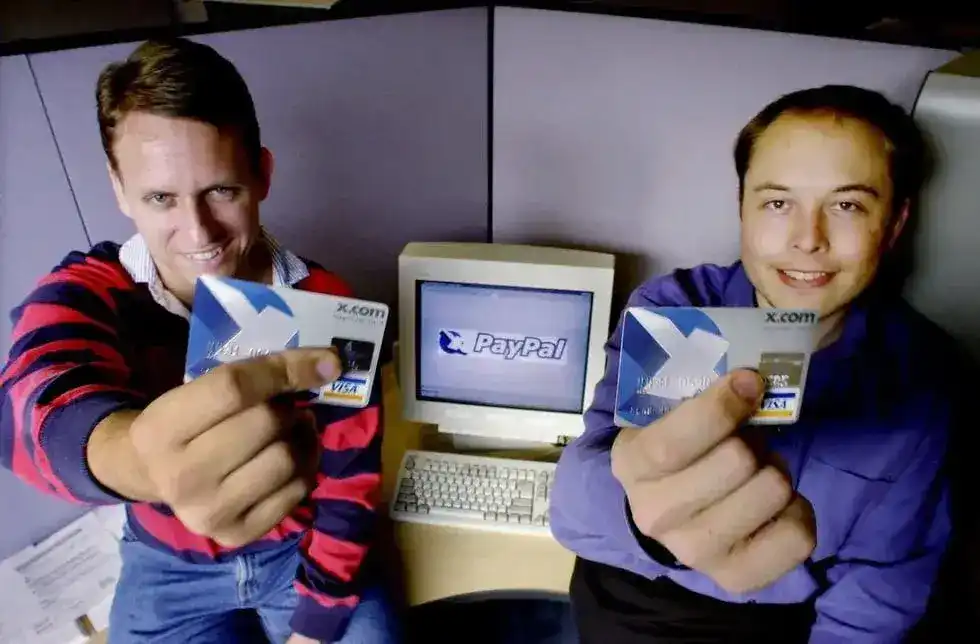
Kicked Out of PayPal, Musk Aims for a Comeback in the Crypto Market

Elon Musk's X (formerly Twitter) has launched its "Smart Cashtags" feature, generating approximately $1 billion in trading volume within days of its April 2026 pilot launch. The feature allows users to click on stock or crypto tickers (or even full Solana token contract addresses) in posts to view real-time price charts and discussions without leaving the app. Initially available to iPhone users in the US and Canada, with a partnership in Canada enabling direct trading via the Wealthsimple app. This move is part of Musk's broader "Everything App" vision, spearheaded by the upcoming X Money platform. Analysts, such as Mizuho's Dan Dolev, see this as a potential disruptor to the US payments market, even prompting a downgrade of PayPal's stock. X Money's beta offers services like 6% APY on deposits, cashback, and P2P transfers, with speculation it may later incorporate crypto trading and stablecoin settlements for faster transactions. However, the ambitious plan faces significant regulatory scrutiny. Senator Elizabeth Warren has questioned the sustainability of the high 6% yield and raised concerns over X's banking partner, Cross River Bank, which has a history of regulatory violations. Additional risks involve the "GENIUS Act," which may create loopholes for stablecoin issuance without full FDIC insurance coverage, potentially leaving users unprotected. The integration of social trading on a platform with over 500 million users could inject new liquidity and retail interest into the crypto market. Yet, it also amplifies risks like herd mentality and the blurring of lines between entertainment and financial speculation. Musk's return to finance, after his ouster from PayPal, hinges on balancing innovation with regulatory compliance.

marsbitHá 36m

Kicked Out of PayPal, Musk Aims for a Comeback in the Crypto Market

marsbitHá 36m

Trading

Spot
Futuros

Artigos em Destaque

Como comprar FLOW

Bem-vindo à HTX.com!Tornámos a compra de Flow (FLOW) simples e conveniente.Segue o nosso guia passo a passo para iniciar a tua jornada no mundo das criptos.Passo 1: cria a tua conta HTXUtiliza o teu e-mail ou número de telefone para te inscreveres numa conta gratuita na HTX.Desfruta de um processo de inscrição sem complicações e desbloqueia todas as funcionalidades.Obter a minha contaPasso 2: vai para Comprar Cripto e escolhe o teu método de pagamentoCartão de crédito/débito: usa o teu visa ou mastercard para comprar Flow (FLOW) instantaneamente.Saldo: usa os fundos da tua conta HTX para transacionar sem problemas.Terceiros: adicionamos métodos de pagamento populares, como Google Pay e Apple Pay, para aumentar a conveniência.P2P: transaciona diretamente com outros utilizadores na HTX.Mercado de balcão (OTC): oferecemos serviços personalizados e taxas de câmbio competitivas para os traders.Passo 3: armazena teu Flow (FLOW)Depois de comprar o teu Flow (FLOW), armazena-o na tua conta HTX.Alternativamente, podes enviá-lo para outro lugar através de transferência blockchain ou usá-lo para transacionar outras criptomoedas.Passo 4: transaciona Flow (FLOW)Transaciona facilmente Flow (FLOW) no mercado à vista da HTX.Acede simplesmente à tua conta, seleciona o teu par de trading, executa as tuas transações e monitoriza em tempo real.Oferecemos uma experiência de fácil utilização tanto para principiantes como para traders experientes.

236 Visualizações TotaisPublicado em {updateTime}Atualizado em 2025.03.21

Como comprar FLOW

Discussões

Bem-vindo à Comunidade HTX. Aqui, pode manter-se informado sobre os mais recentes desenvolvimentos da plataforma e obter acesso a análises profissionais de mercado. As opiniões dos utilizadores sobre o preço de FLOW (FLOW) são apresentadas abaixo.

活动图片